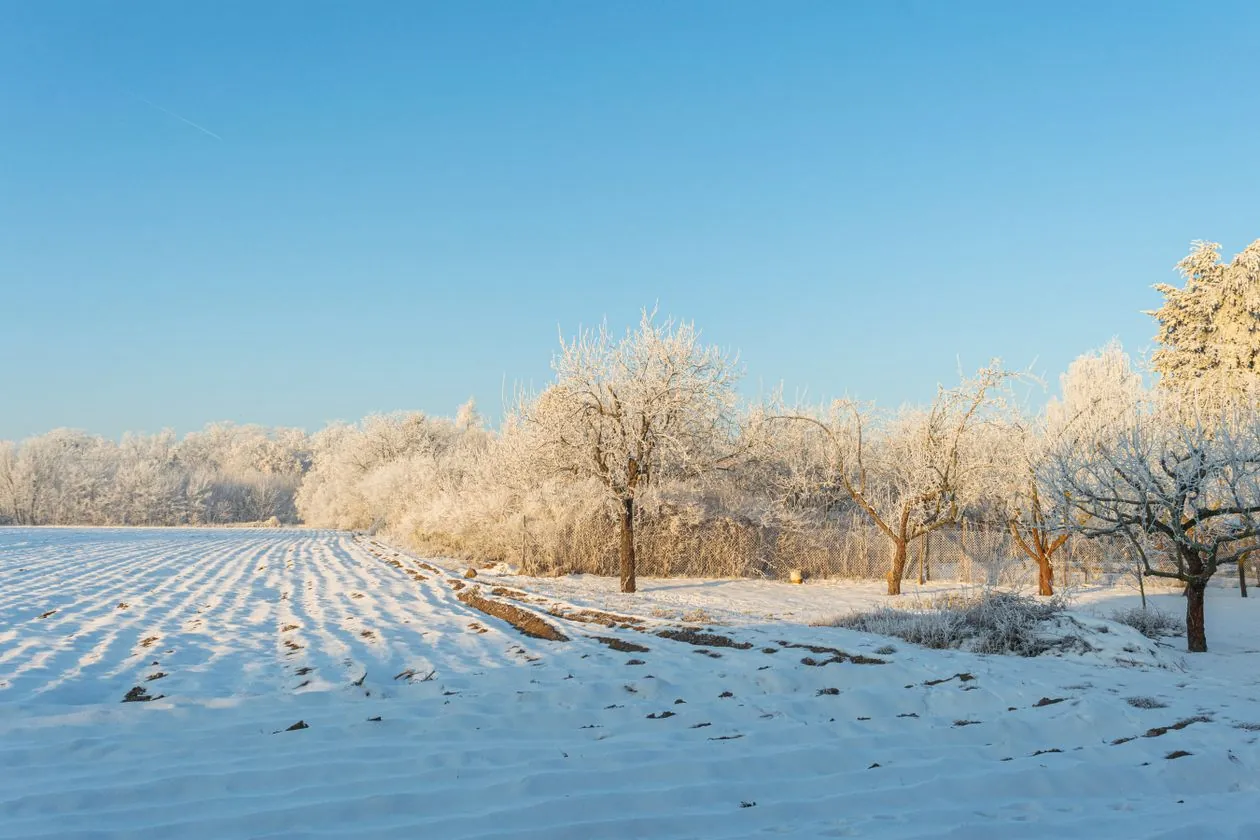
These 11 easy winter garden ideas for absolute beginners prove you do not need a greenhouse to keep growing through the coldest months. A small raised bed, a few pots near the door, and one strip of garden fleece can carry fresh spinach, kale, and herbs from October to spring. Every idea below costs little.
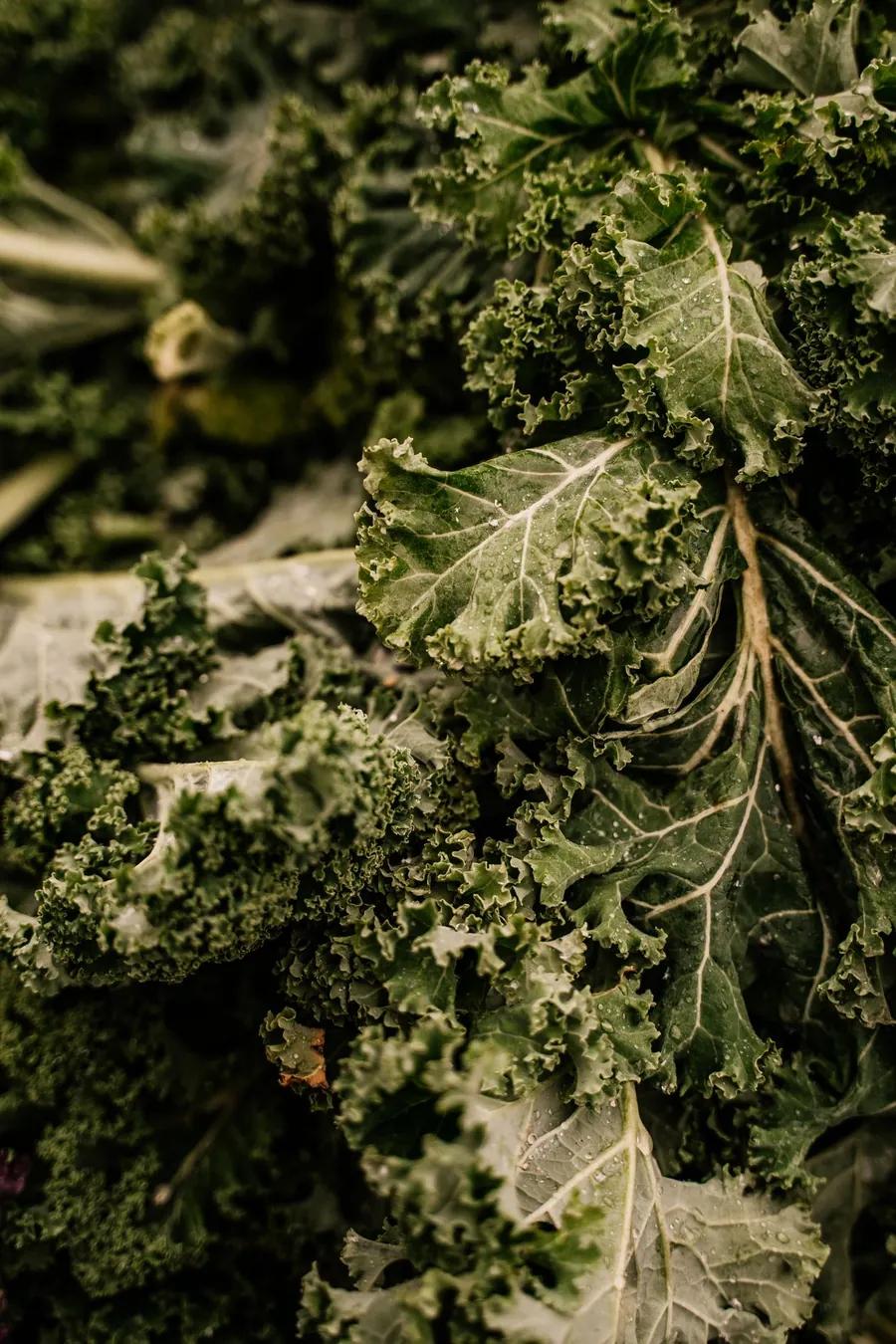
Why Winter Gardening Is Easier Than You Think
Most beginners picture winter gardening as some advanced skill involving heated glasshouses and grow lights. The truth is simpler: winter asks less of you than summer. Plants grow slowly, pests mostly vanish, and weeds slow to a crawl. Your biggest jobs become frost protection and patience.
What to Plant When: A Beginner’s Winter Calendar
Match your plantings to your zone. USDA zones 3 to 5 are cold, zones 6 to 7 are moderate, and zones 8 to 10 are mild.
| Crop | Cold zones (3-5) | Moderate zones (6-7) | Mild zones (8-10) |
|---|---|---|---|
| Garlic | Early Oct | Mid Oct | Late Oct to Nov |
| Spinach | Late Aug | Early Sep | Sep to Oct |
| Kale | Jul to Aug | Aug | Aug to Sep |
| Overwintering onions | Sep | Oct | Oct to Nov |
| Broad beans | Too cold | Oct to Nov | Nov |
| Salad leaves (under cover) | Aug | Sep | Oct |
Missed the dates? Start with ideas 2, 4, 5, 7, and 11 below, all of which work even if October is already underway. For more autumn planting detail, see these planting fall vegetables tips.
11 Easy Winter Garden Ideas for Absolute Beginners (No Greenhouse Required)
You do not need all eleven. Pick two or three that fit your space and appetite, and you will still harvest real food this winter.
1. Start One Small Raised Bed of Cut-and-Come-Again Greens
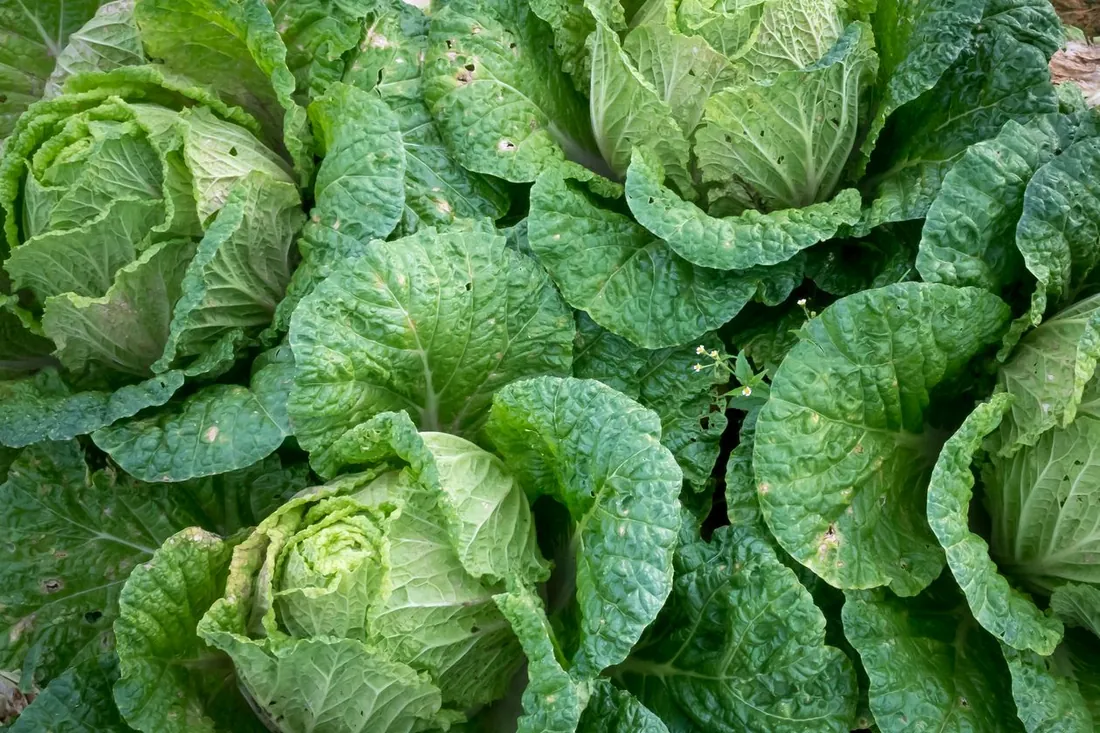
A single 4 by 4 foot raised bed is the perfect first winter garden. Clear out finished summer plants, fork in two inches of compost, and sow hardy greens: spinach ‘Winter Giant’, kale ‘Winterbor’, and chard ‘Bright Lights’. Sow one inch apart in rows six inches apart, thin to four inches, and harvest outer leaves so the center keeps growing. One small bed can feed two people fresh greens from November into February.
2. Plant Garlic This Month, Then Ignore It Until July
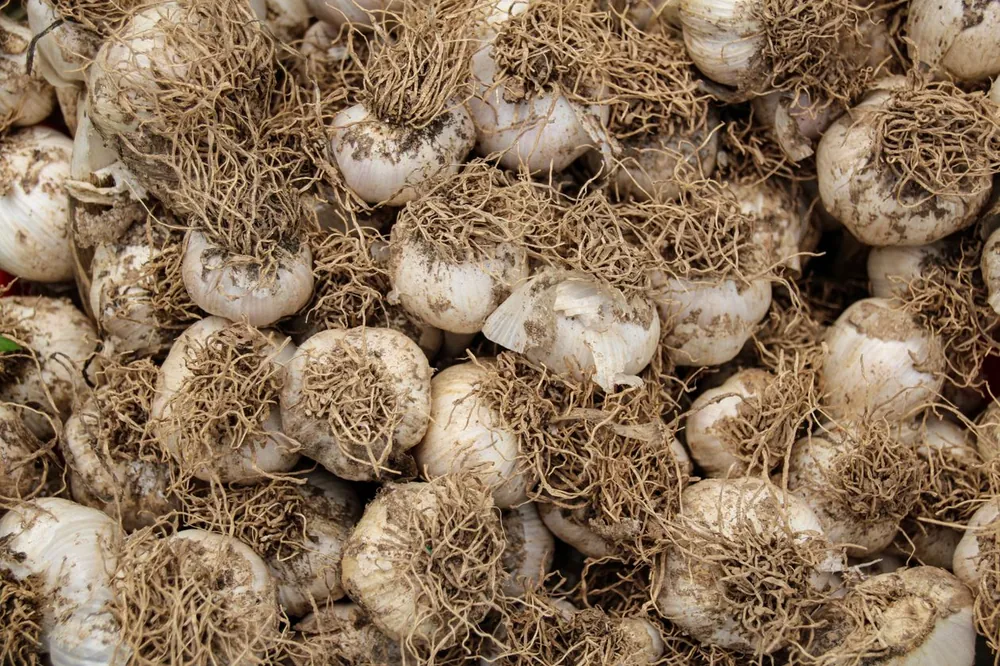
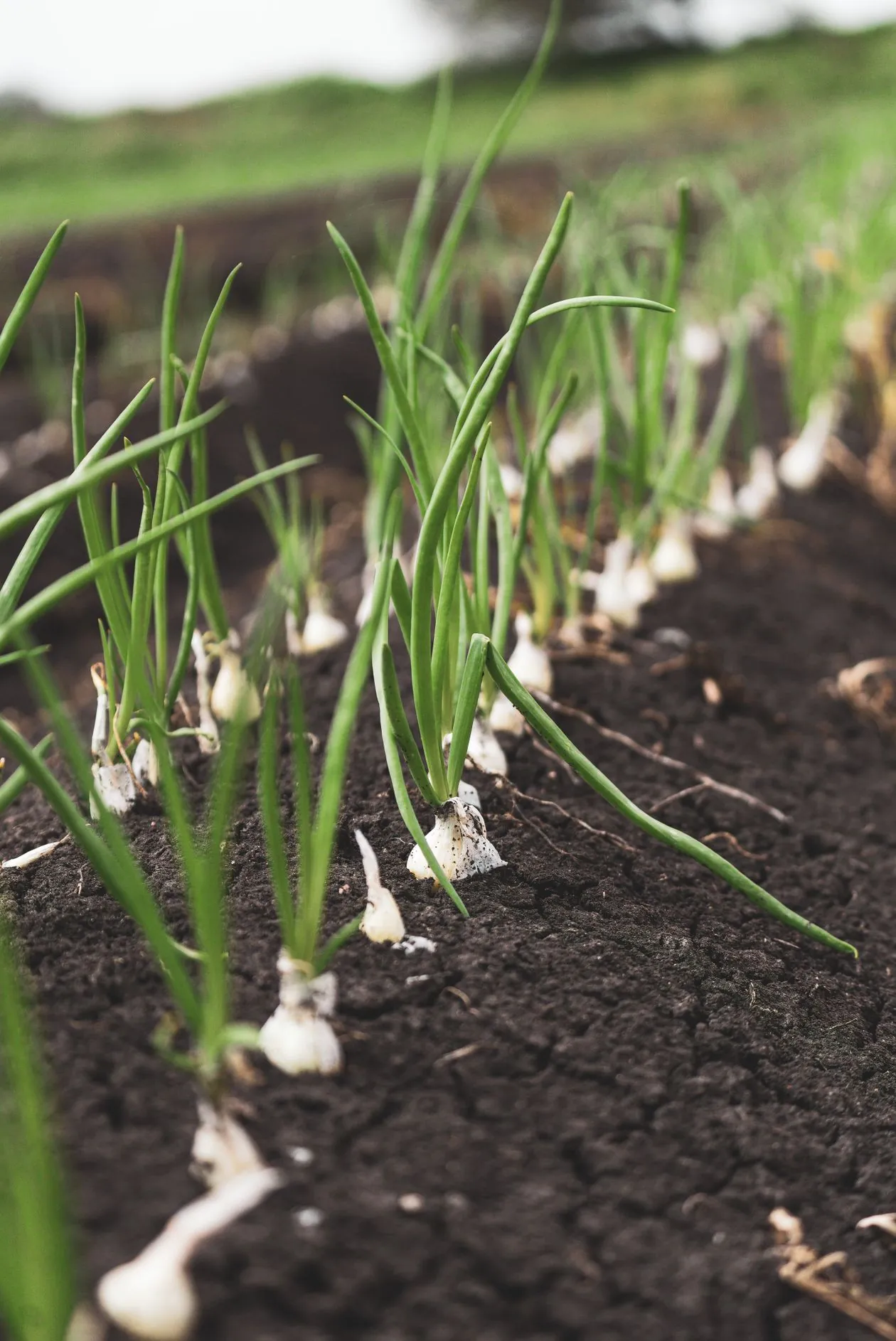
Garlic is the laziest high-reward winter crop. Buy seed garlic (varieties like ‘Music’ for cold zones or ‘Inchelium Red’ for mild ones), break the heads into cloves, and plant each clove four inches deep and six inches apart, pointy end up. One pound of seed garlic plants about a 15 foot row. Cover with four inches of straw mulch and walk away: the cloves root in autumn, sleep through winter, and are ready to harvest in July.
3. Turn Pots by the Back Door Into a Winter Salad Bar
Containers are a beginner’s best friend in winter because you can tuck them into the warmest, most sheltered spot you own. A 12 inch pot beside the kitchen door can hold spinach, parsley, spring onions like ‘White Lisbon’, or compact chard. Use any pot with drainage holes and raise it on pot feet so winter rain drains away. Water only when the top inch of compost feels dry: cold soggy roots kill more winter pots than frost.
4. Build a $20 Hoop-and-Fleece Tunnel
Horticultural fleece is the single most useful winter tool a beginner can own. Bend lengths of 9-gauge wire or half-inch PVC pipe into hoops across a bed, drape fleece over them, and weight the edges with bricks. A single layer of 1.5 ounce fleece raises the temperature underneath by four to six degrees, enough to carry hardy crops through dips to about 28F. Vent on bright days so plants get air. A four foot setup costs around $20 and takes 30 minutes.

5. Make a Cold Frame From an Old Window
A cold frame is a low box with a clear lid that catches winter sun and shields plants from wind and rain, no greenhouse required. Build a simple timber box, three feet by two feet, 12 inches high at the back sloping to eight inches at the front, and top it with a salvaged window or clear polycarbonate. Sow salad leaves, spring onions, or young kale directly inside. Prop the lid open whenever the inside climbs above 45F on sunny days, because winter sun can cook plants in a closed frame.
6. Overwinter Onions and Broad Beans for a Head Start
Sowing in autumn buys you a two to three week head start on spring. Overwintering onion sets like ‘Senshyu Yellow’ planted in October bulb up fast in spring. In moderate and mild zones, broad beans ‘Aquadulce Claudia’ sown in October or November grow slowly all winter and crop before spring-sown beans even flower. Plant sets two inches deep, beans two inches deep and eight inches apart, and mulch both with straw once the ground cools.
7. Mulch Everything Like You Mean It
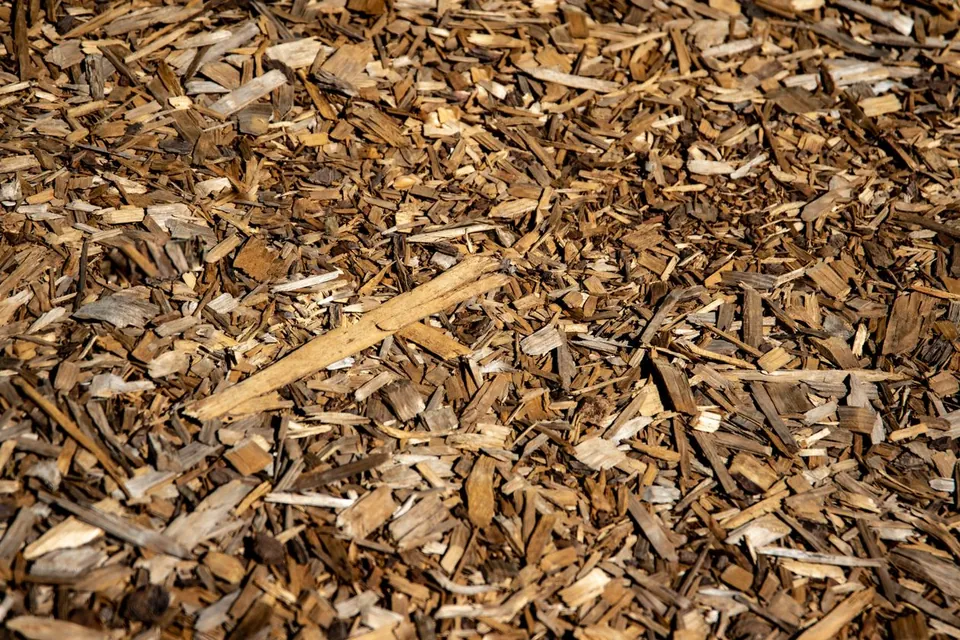
A four inch blanket of straw, shredded leaves, or wood chips is the cheapest winter insurance there is. Mulch keeps soil temperature steady, stops roots from freezing and thawing in cycles, suppresses winter weeds, and protects the soil life that feeds your plants. Spread it around garlic, onions, and perennials once the soil has cooled, but keep it pulled back an inch from plant stems.
8. Move Tender Herbs to the Warmest Wall You Own
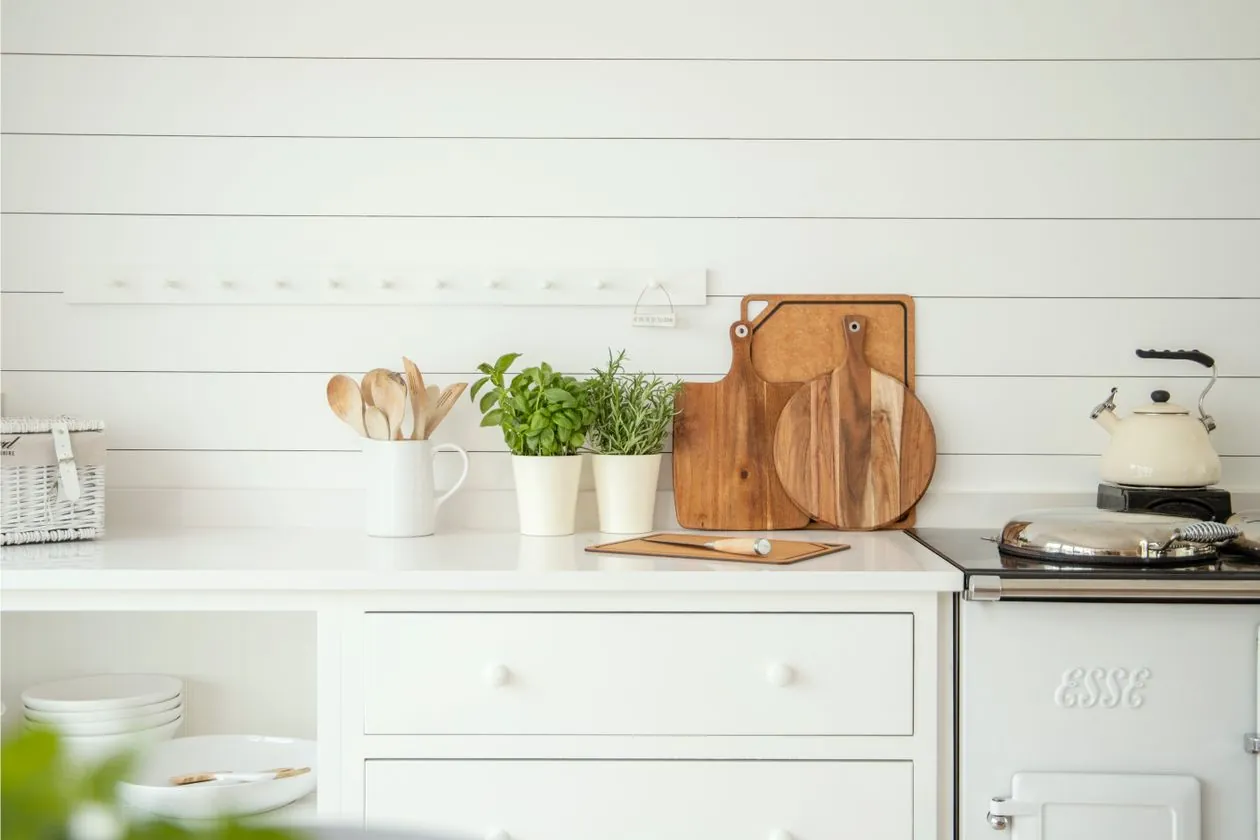
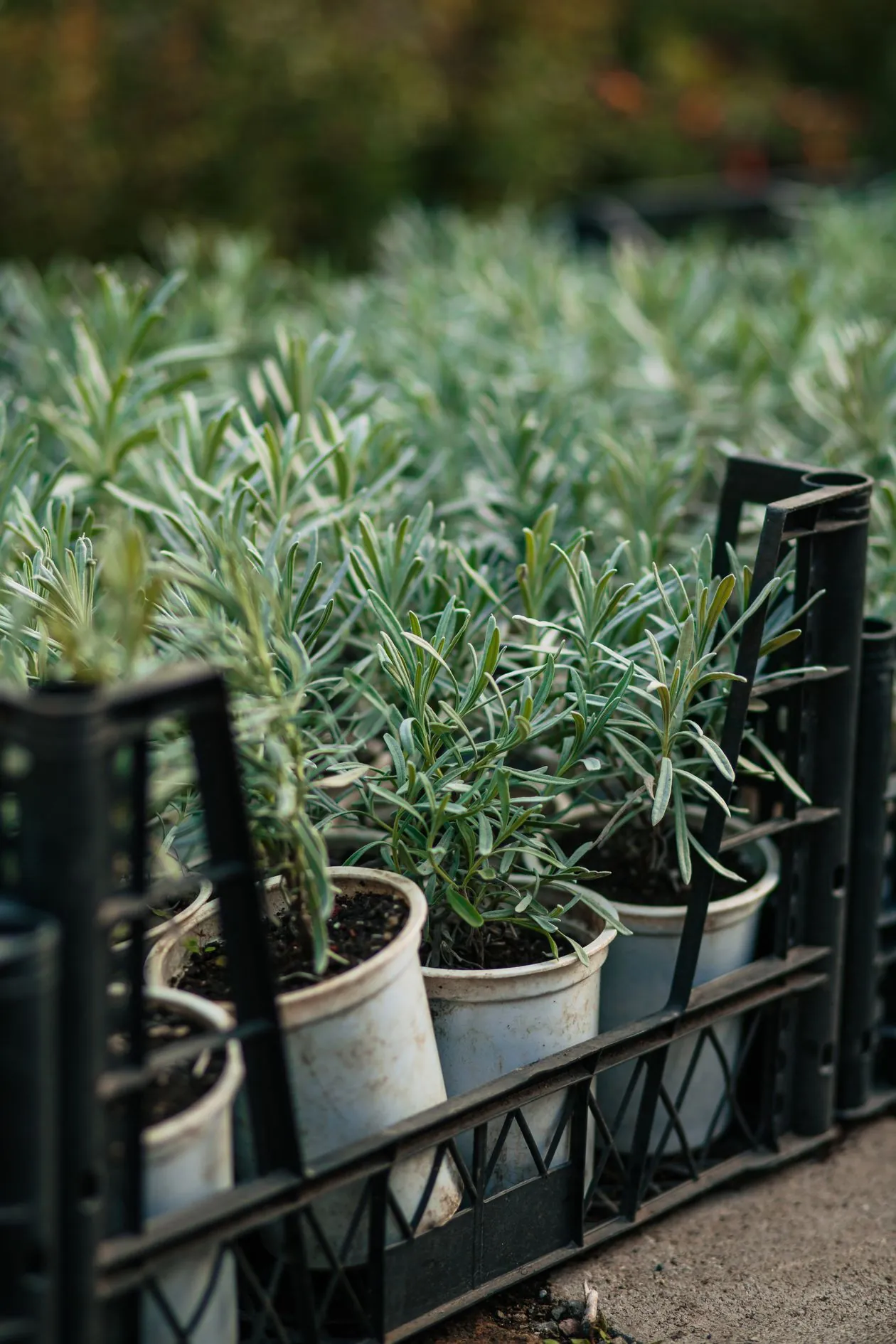
A south or west facing wall creates a microclimate three to five degrees warmer than the open garden, enough to carry parsley, thyme, and sage through winter in most zones. Move their pots there in October and tuck them under an overhang if you have one. Rosemary is fussier: below zone 7, move potted rosemary to a sheltered corner and wrap the pot in bubble wrap or burlap so the roots stay warm too.
9. Turn Fallen Leaves Into Free Leaf Mould
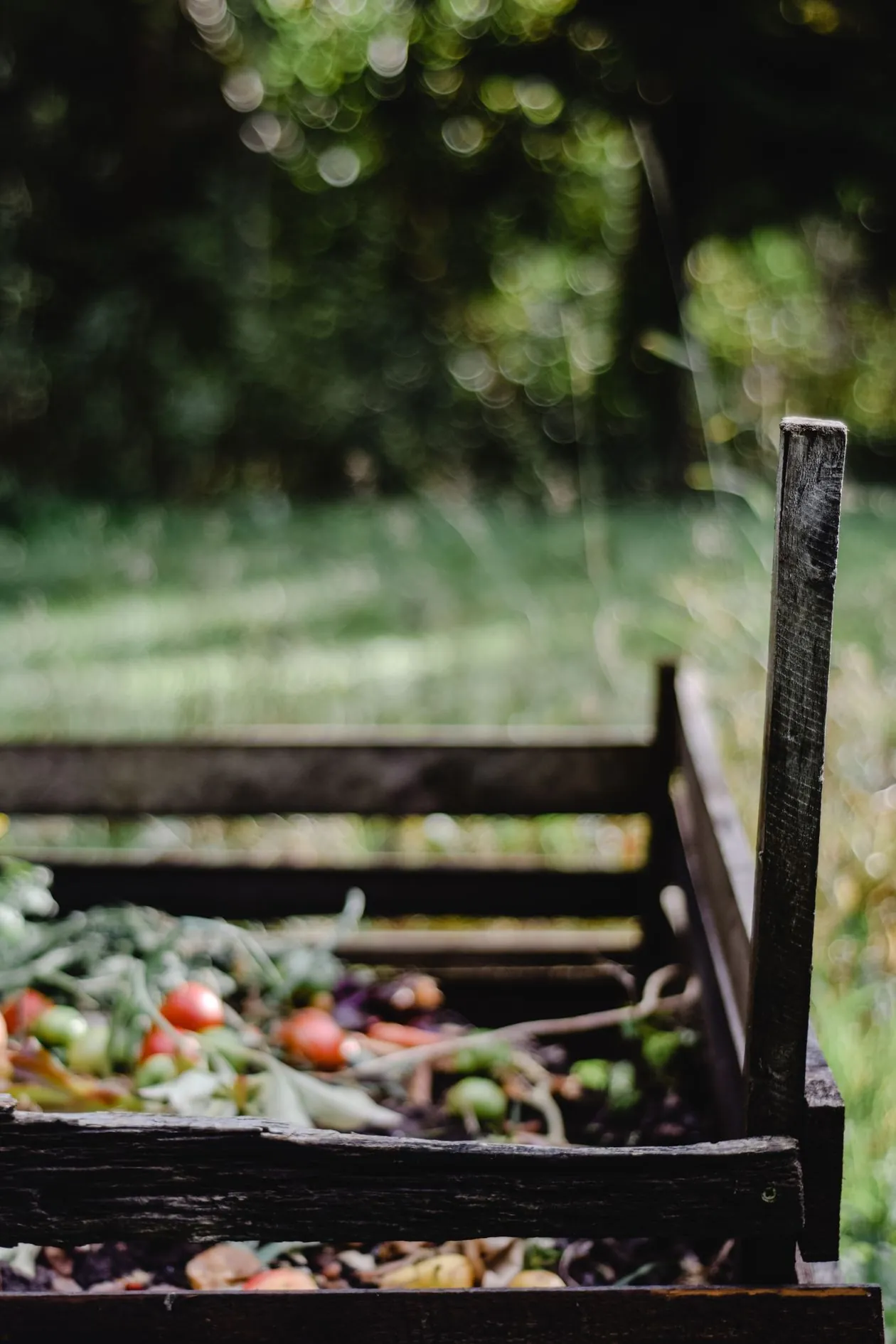
Those bags of leaves at the curb are free soil gold. Stuff damp fallen leaves into a bin bag poked with air holes or a wire bin, leave it in a corner for a year, and you get leaf mould, a dark crumbly conditioner that holds moisture and feeds soil life. Dig it into beds in spring or spread it as a two inch autumn mulch. Rake leaves off the lawn regularly so they do not smother grass, keeping your fall lawn care on track too.
10. Sow a Winter Cover Crop in Empty Beds
Empty soil loses nutrients and structure all winter. Fix it with a cover crop: sow winter rye or field beans by early October, let them grow through winter, then chop and dig them in during March. Field beans add nitrogen, and both protect beds from rain compaction and weeds. It is the closest thing to a free fertilizer and soil workout combined, for a few dollars in seed.
11. Set Up a Simple Seed-Starting Station Now for February
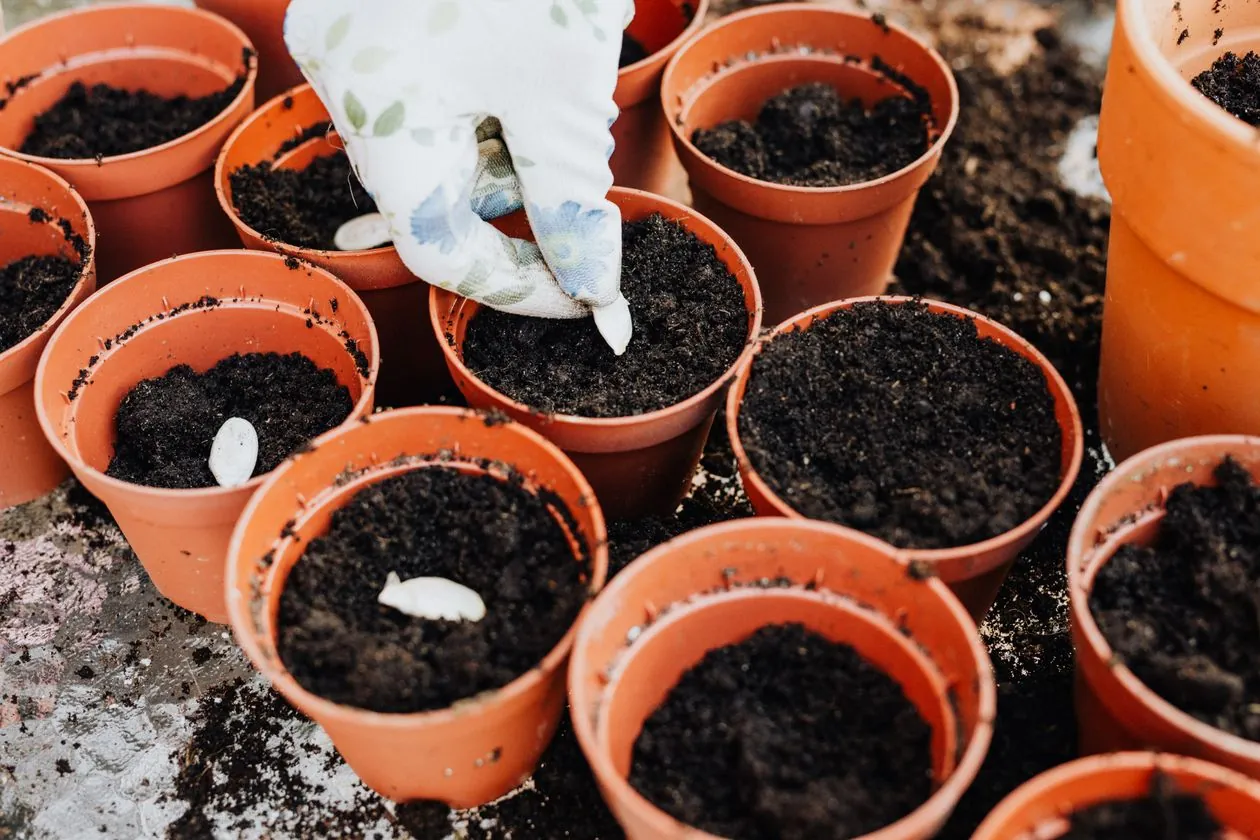
Winter is short, and February arrives fast. A basic indoor setup, a shop light on a timer running 14 to 16 hours a day plus a tray and heat mat, costs about $35 and lets you start onion seed in January and peppers in February, weeks ahead of outdoor sowing.
Frost Protection Cheat Sheet
Not all covers are equal.
| Method | Temp gain | Typical cost | Best for |
|---|---|---|---|
| Horticultural fleece | 4 to 6F | $10 to $20 | Whole beds, quick jobs |
| Cloche (bottle or glass) | 5 to 8F | Free to $15 | Single plants, seedlings |
| Cold frame | 8 to 12F | $20 to $80 DIY | Salads, young plants |
| Straw mulch | Stabilizes roots | Free to $10 | Garlic, onions, perennials |
The 10-Minute Weekly Winter Checkup
Winter gardens need little, but they need it regularly. Once a week, spend ten minutes on this loop: refasten any fleece the wind has lifted, stand fallen pots upright, press back any plants frost has heaved out of the soil, check pots under walls or covers for dryness, and clear leaves matting over small crops. Remove leaves that have collapsed into wet mush but leave sound growth alone.
Beginner Troubleshooting: What Goes Wrong and How to Fix It
| Problem | Likely cause | Fix |
|---|---|---|
| Leaves turn to mush after frost | Not cold-hardy variety, or wet crown | Replant with named winter varieties; improve drainage |
| Seedlings tall and floppy | Too little light | Move to the sunniest spot available |
| Fleece keeps blowing off | Edges not secured | Bury edges under soil or weight with boards and bricks |
| Slugs eating young leaves | Damp mulch near stems | Pull mulch back; set beer traps or copper tape |
| Pots waterlogged | No drainage, sitting in saucers | Raise pots on feet; tip out saucers after rain |
| Nothing growing since December | Normal | Winter growth pauses; crops resume in late February |
Frequently Asked Questions
Do I really not need a greenhouse for a winter garden?
Correct. Cold-hardy crops like kale, spinach, garlic, and leeks grow fine outdoors in winter with nothing more than fleece or a cold frame for the coldest nights. Greenhouses help with tender plants and early seed starting, but a beginner can harvest real food all winter without one.
Is October too late to start a winter garden?
Not at all. Garlic, overwintering onions, mulch beds, cold frames, leaf mould collection, and cover crops can all start in October. You have missed the window for slow crops like winter kale from seed, but buy transplants or shift to fast ideas like fleece tunnels over hardy salads.
What grows in a shady winter garden?
Winter sun is weak everywhere, so even “full sun” spots get less light. In genuinely shady corners, stick to leafy crops like spinach, chard, and parsley, which tolerate lower light better than root crops. Give plants extra spacing so air circulates in the damp shade.
How cold can kale and spinach actually get?
Hardy kale varieties survive down to about 10F, and their flavor often sweetens after frost. Winter spinach handles dips to around 15F, especially under fleece. The danger is rarely the cold alone: cold plus wind plus wet soil is what kills. Shelter and drainage matter as much as the thermometer reading.
Can I do all of this in containers only?
Yes. Ideas 3, 5, 8, and 11 are fully container-friendly, and fleece tunnels work over a row of pots just as well as over a bed. Choose the largest pots you can (12 inches minimum), use quality potting mix, and group pots together against a warm wall so they shelter each other. For more small-space inspiration, see these container garden ideas.
Start Small This Weekend
A first winter garden does not need to be impressive. One bed of greens, a row of garlic, and a strip of fleece will teach you more about your garden’s winter microclimates than any book. By spring you will know where frost settles and which crops your household actually eats. Next October, build on what worked instead of starting from zero.
3 thoughts on “11 Easy Winter Garden Ideas for Absolute Beginners (No Greenhouse Required)”