
A balcony does not have to go bare when the temperature drops. With the right plants, the right pots, and a little shelter from wind, winter garden balcony ideas for a cosy plant filled space can turn even a small concrete ledge into a green retreat you actually want to step out onto. The trick is to plan for cold, wet, and low light at the same time, instead of treating winter like a shorter version of summer.
This guide gives you 15 practical ideas for real balconies, with plant names, pot sizes, and frost limits to check before you buy. Most of these plants survive outdoors in pots down to minus 10 degrees Celsius or lower, if their roots are insulated and their pots drain freely.
1. Start With an Evergreen Backbone
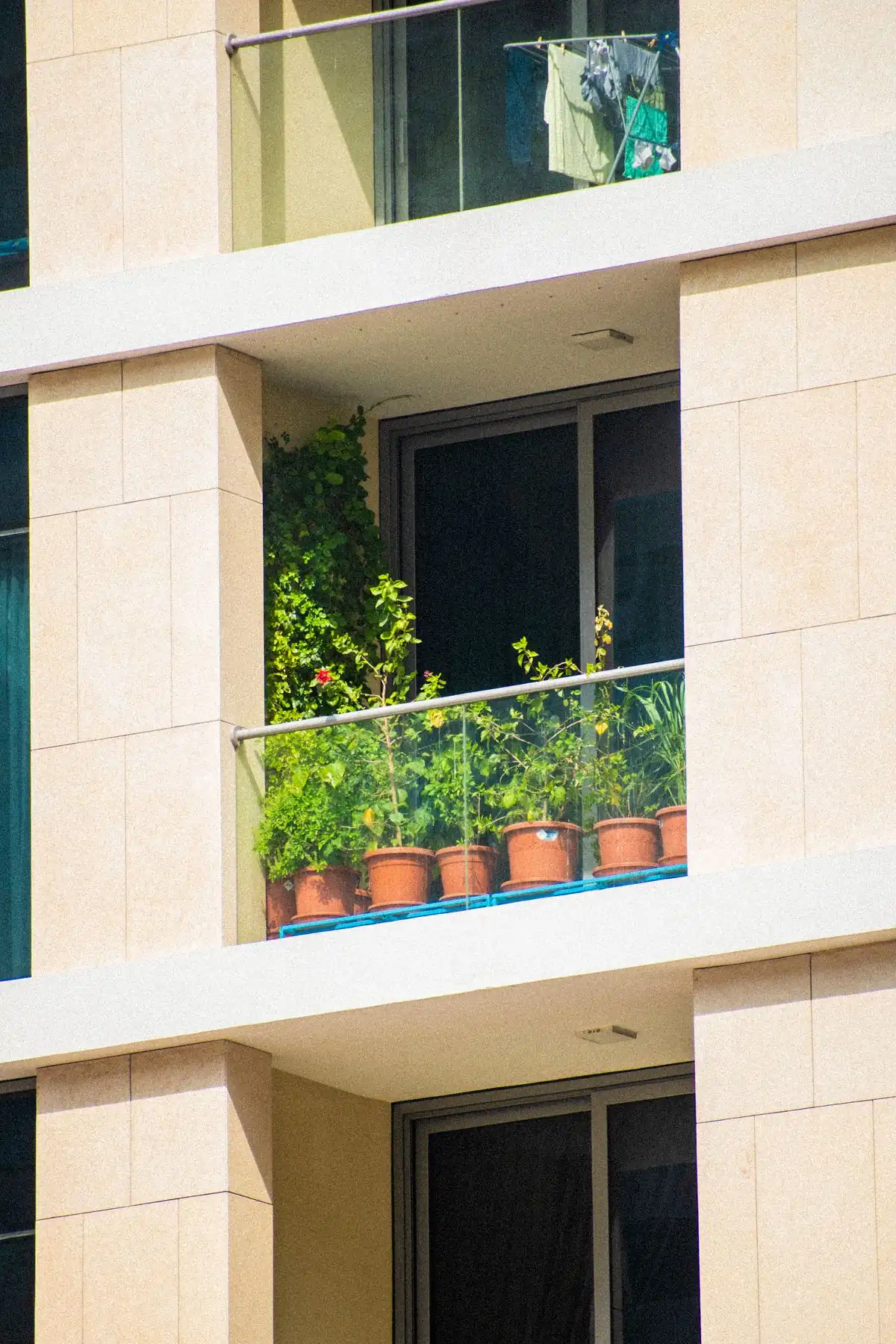
Every winter balcony needs plants that stay green all season, or it will look empty by January. Dwarf boxwood (Buxus sempervirens ‘Suffruticosa’), Japanese holly (Ilex crenata), and dwarf Alberta spruce (Picea glauca ‘Conica’) are reliable choices. Plant one anchor shrub in a 30 to 40 centimetre pot per corner to hold the balcony’s shape after snow. Keep evergreens in free draining compost mixed with one part grit, and raise pots on feet so water never sits underneath.
2. Plant a Winter Flowering Pot by the Door
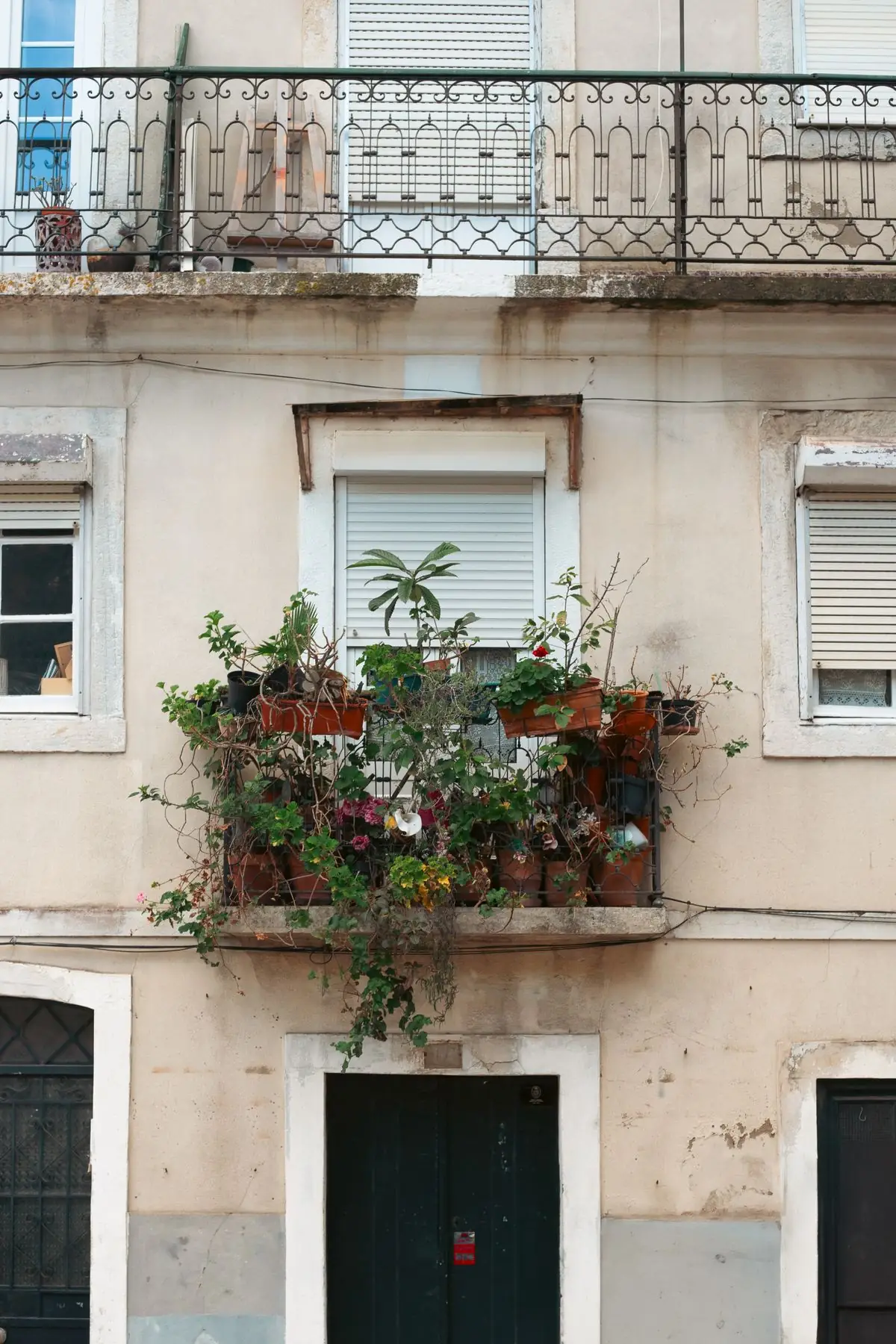
Put colour where you will see it every day, right beside the balcony door. Hellebores (Helleborus x hybridus) flower from late winter in shades of white, pink, and deep plum, and they cope with frost down to about minus 15 degrees Celsius once established. Pair one hellebore with trailing ivy in a 25 centimetre pot, mulch the crown with bark, and move the pot to the most sheltered spot during hard freezes.
3. Build a Layered Corner With Three Pot Heights
Flat rows of same size pots look dull. Instead, group a tall shrub, a medium grass, and a trailing plant in one corner. Use a 40 centimetre pot for a yew or holly, a 30 centimetre pot for a blue fescue (Festuca glauca), and a 20 centimetre pot for winter jasmine or ivy at the front. The height difference creates depth, and the taller plants shield the smaller ones from wind.

4. Grow Winter Herbs in a Sunny, Sheltered Spot
Rosemary, thyme, and winter savory keep giving through cold months with sun and sharp drainage. Plant rosemary (Rosmarinus officinalis ‘Prostratus’ for trailing, or an upright variety for height) in a terracotta pot at least 25 centimetres wide, using compost mixed half and half with grit. Thyme survives down to minus 15 degrees Celsius in a sunny spot. Water only when the top 3 centimetres of compost feel dry, and never let herbs sit in a full saucer.
5. Add Bright Berries for Colour That Lasts Months
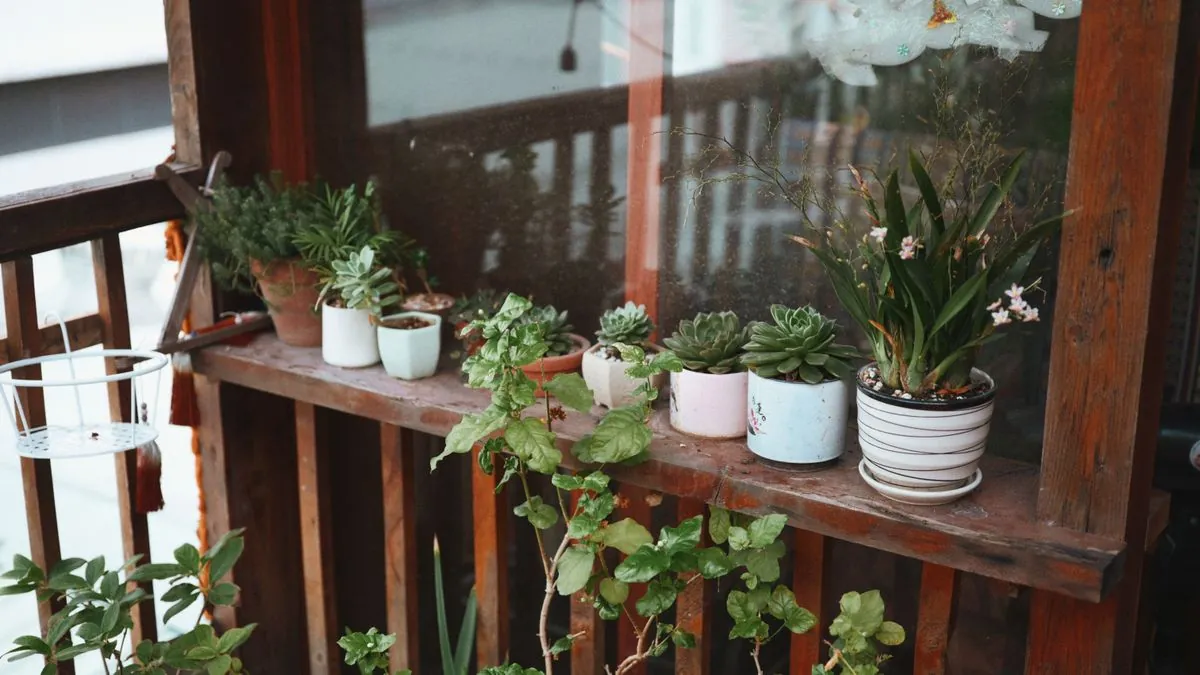
Berries are the easiest winter colour because they need no deadheading and they glow against green leaves. Winterberry holly (Ilex verticillata) needs a male pollinator nearby, so ask the nursery for a matched pair. Pernettya (Gaultheria mucronata) is simpler: one plant in a 20 centimetre pot gives pink or white berries from autumn into spring, and it tolerates frost to about minus 15 degrees Celsius. Keep berry plants in ericaceous compost if your tap water is hard.
6. Use a Railing Planter for Trailing Winter Interest
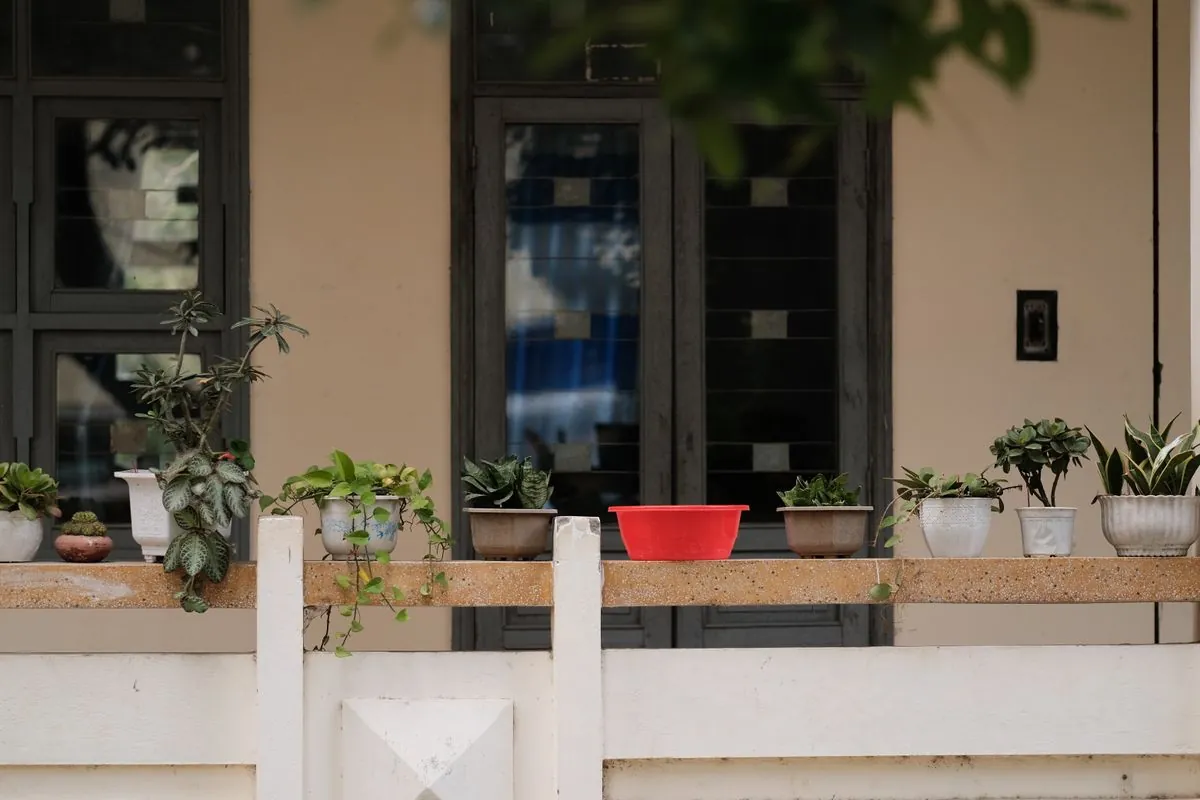
Railing planters free up floor space, which matters on a narrow balcony. Fill a 60 centimetre railing trough with trailing ivy (Hedera helix), winter heather (Erica carnea), and a few small cyclamen for colour. Check the railing weight limit first, secure the trough with proper brackets, and line it with bubble wrap inside to insulate roots on exposed sites.
7. Create a Cosy Seating Nook Surrounded by Plants
A winter balcony only gets used if there is somewhere warm to sit. Place a small folding chair and a weatherproof cushion in the most sheltered corner, flanked by two tall evergreens so you sit inside greenery, not beside it. Add a quick drying outdoor rug, a throw you bring indoors after use, and a lantern with a battery candle.
8. Hang a Vertical Pocket Planter on the Wall
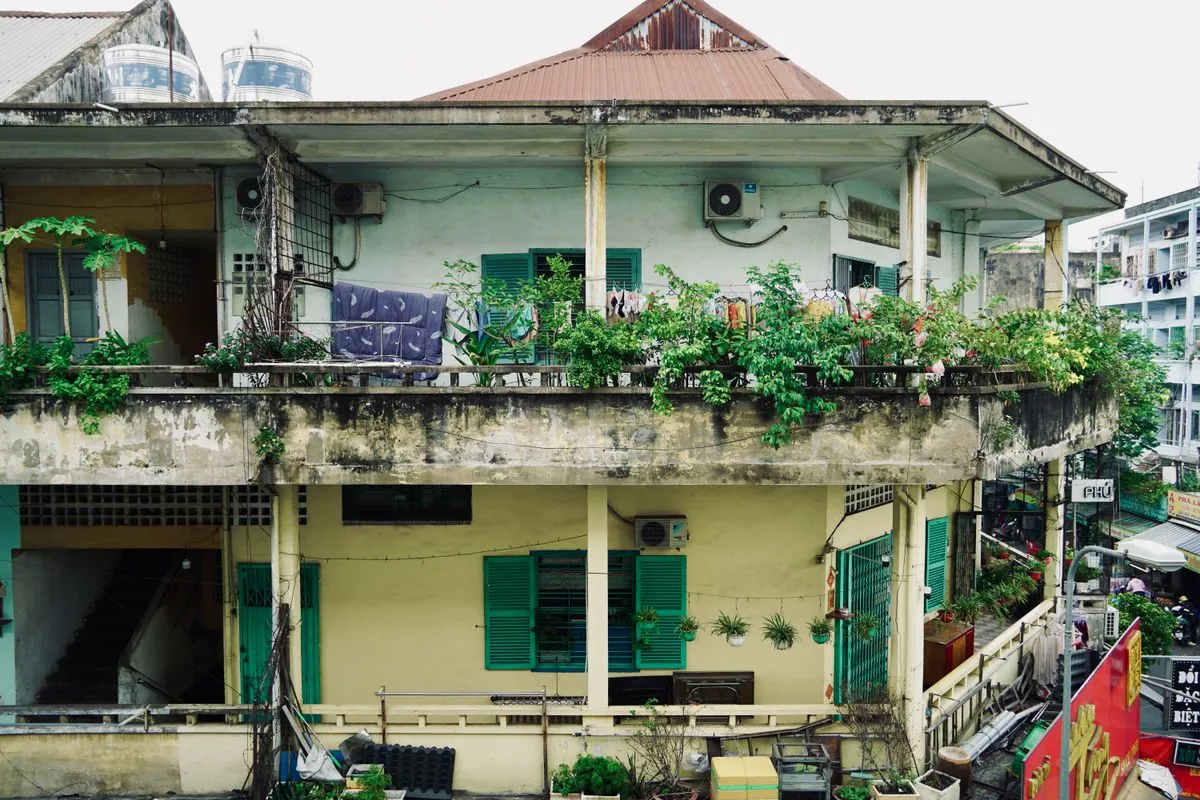
Walls are wasted space on most balconies. A felt pocket planter with 8 to 12 pockets holds small evergreens, sedums, and winter pansies without using floor room. Water from the top pocket down. In frost, felt planters freeze faster than thick pots, so wrap the panel in fleece or move tender pockets indoors below minus 5 degrees Celsius.
9. Mix Ornamental Grasses for Movement and Texture
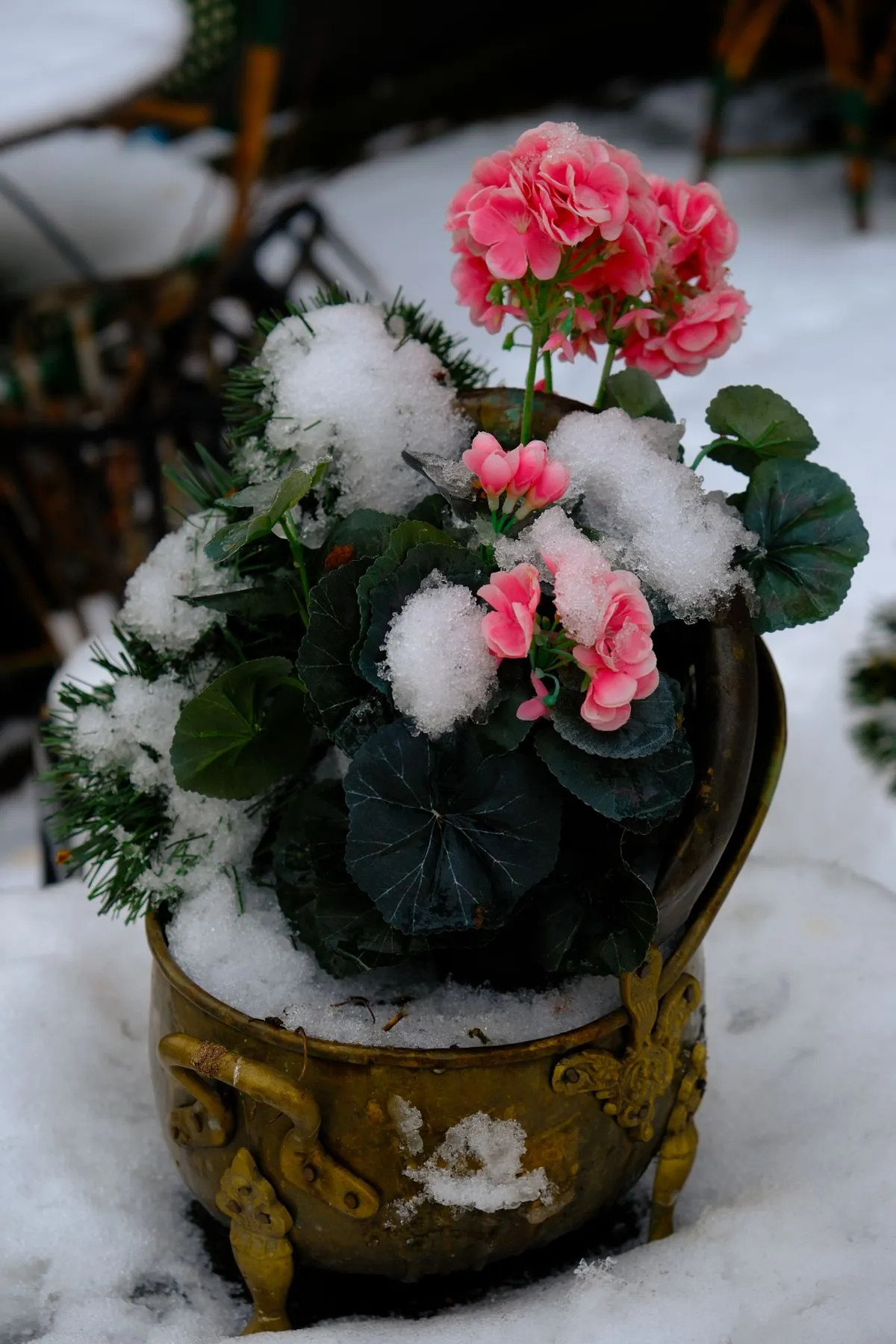
Grasses keep a winter balcony from looking stiff. Blue oat grass (Helictotrichon sempervirens) holds its shape through frost, while Japanese sedge (Carex oshimensis ‘Evergold’) gives gold striped leaves all year. Plant grasses in 25 to 30 centimetre pots with gritty compost, and cut back dead blades in early spring, not autumn, so old growth protects the crown through winter.
10. Light It Softly With Warm String Lights
Short winter days mean your balcony is dark by late afternoon, so lighting is part of the planting plan. Wind warm white LED string lights through evergreen branches, so the glow sits inside the foliage. Choose solar lights with a separate panel in the sunniest spot, or battery lights on a timer for 3 to 4 hours each evening. See also our guide to Christmas balcony decor for apartments.
11. Plant Scented Winter Flowers Near the Door
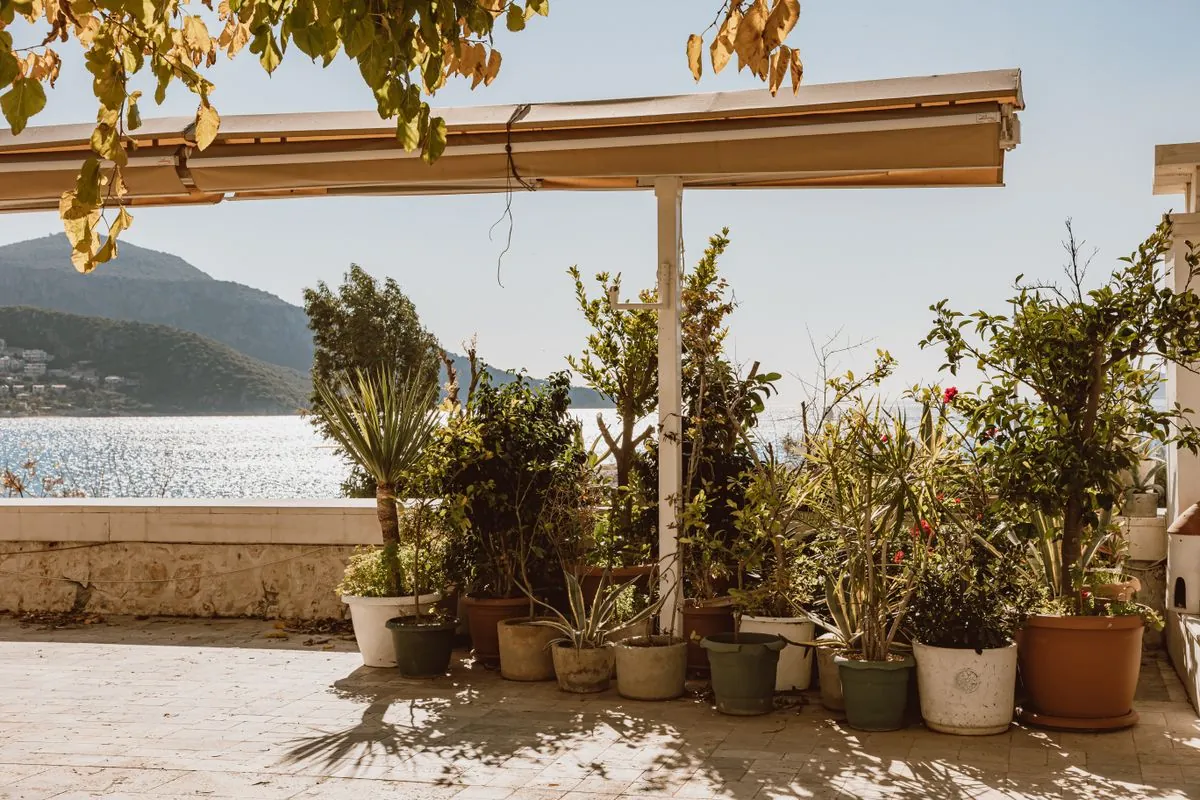
Scent carries in cold air. Winter box sarcococca (Sarcococca confusa) flowers in January and February with a vanilla scent you can smell from the doorway, and it grows happily in shade in a 30 centimetre pot. Place scented plants at nose height on a small table, not on the floor where the scent gets lost.
12. Protect Tender Plants With a Mini Cold Frame
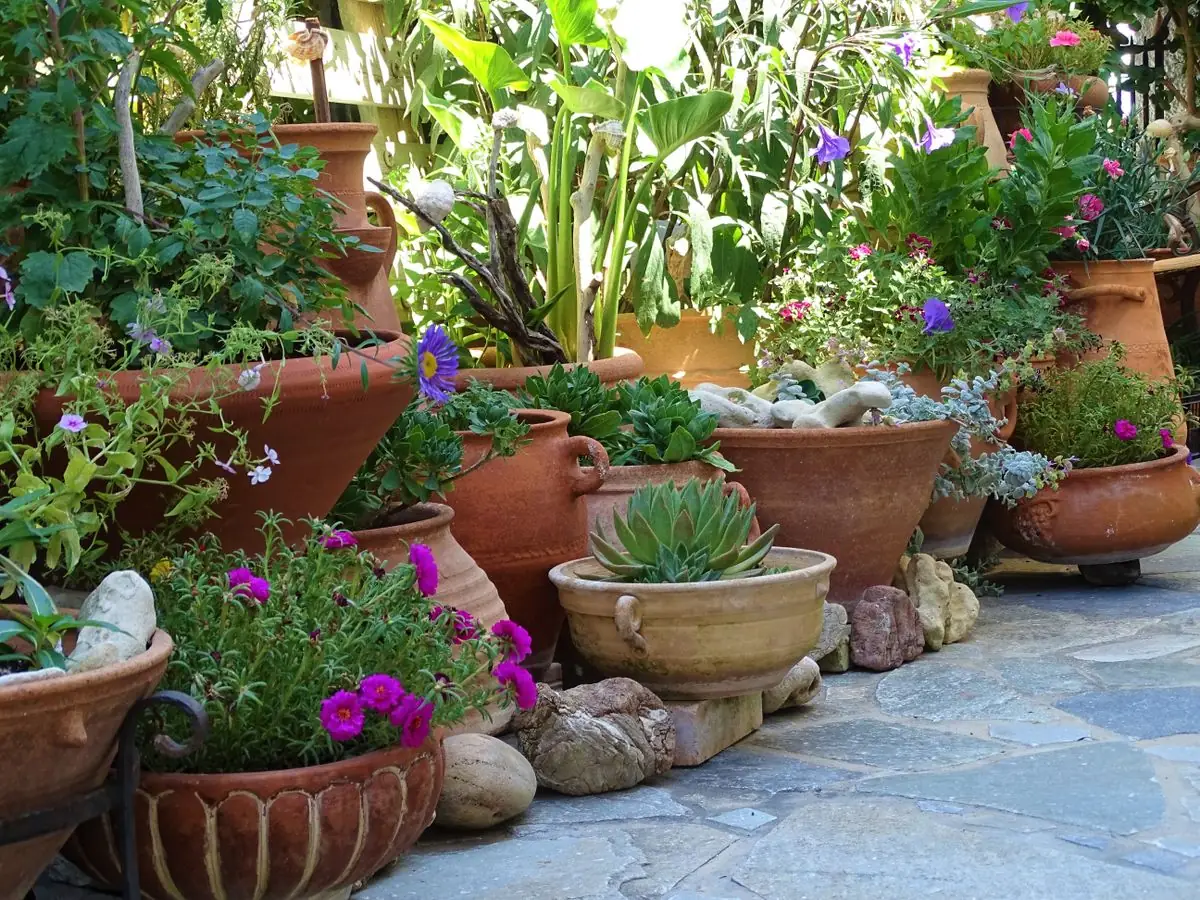
A small cold frame or a clear plastic cloche over a table turns a balcony corner into a sheltered nursery. Tender plants like pelargoniums and young olive trees survive nights down to minus 5 degrees Celsius inside a closed frame that you open on mild days to prevent mould. Put the frame against the house wall, weigh it down against gusts, and vent it above 10 degrees Celsius so condensation does not rot leaves.
13. Add a Small Water Feature or Bird Bath
Birds visit balconies all winter if they find unfrozen water. A shallow, heavy bowl works better than a deep basin, and a small heater keeps a patch ice free in mild frost. Change the water every two to three days and scrub the bowl weekly to stop algae. Our magical Christmas window box displays show how small spaces carry a big seasonal look.

14. Use Colourful Pots to Warm a Grey Day
When plants are mostly green, the pots do the colour work. Terracotta warms a grey balcony, glazed blue or mustard pots pop against snow, and a single painted pot can anchor a whole corner. Stick to frost proof pots labelled for outdoor use, since wet compost can crack cheap unglazed pots when it freezes. Wrap tender pots in hessian and bubble wrap before the first hard frost.

15. Plan a Spring Handover While Winter Is Still Here
The best winter garden balcony ideas for a cosy plant filled space also set up spring. Underplant evergreens with spring bulbs now: push 10 to 15 crocus or miniature daffodil bulbs 8 centimetres deep into each large pot, and they will flower through the foliage in March. Top up each pot with 5 centimetres of fresh compost in early spring.
How to Protect Balcony Plants From Frost
Frost kills potted plants through their roots first, because a pot freezes from all sides. Wrap pots in two layers of bubble wrap or hessian, leaving drainage holes clear, and group pots together so they insulate each other. Move tender plants against the house wall, and cover foliage with fleece on nights forecast below minus 5 degrees Celsius, removing it in the morning so plants get light. Never lay plastic sheeting directly on leaves: it traps condensation and can cause more damage than frost. The same insulation tricks in our apartment friendly fall window box ideas transfer well to winter pots.
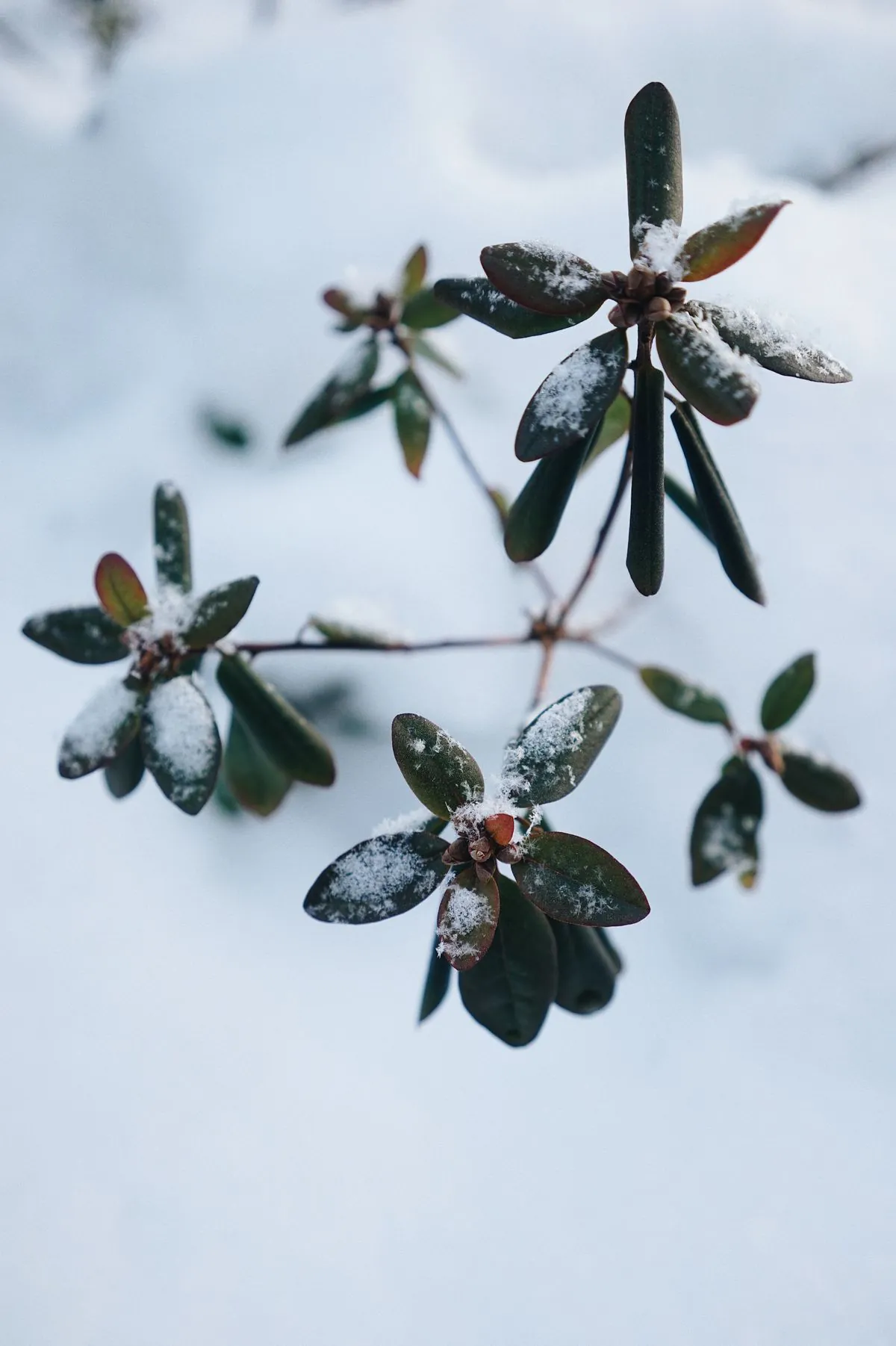
Watering and Light on a Winter Balcony
Winter watering is about restraint. Most evergreens need water only every 10 to 14 days in cold weather, when the compost is dry 3 centimetres down and the temperature is above freezing. Water in the morning so excess moisture drains before night frost. A north facing balcony may get under 2 hours of direct sun in December, so favour shade tolerant plants like ivy, boxwood, and sarcococca there, and save rosemary and lavender for south or west facing balconies. Rotate pots a quarter turn every two weeks for even growth.
Frequently Asked Questions
Which plants survive winter on a balcony in pots?
Boxwood, Japanese holly, dwarf spruce, ivy, winter heather, hellebores, and blue fescue are among the toughest choices, most coping with minus 10 to minus 15 degrees Celsius in insulated, free draining pots. A hardy plant in a small, uninsulated pot is far more vulnerable than the same plant in a large, wrapped pot.
How often should I water balcony plants in winter?
Water every 10 to 14 days in cold weather, only when the top 3 centimetres of compost feel dry and daytime temperatures are above freezing. Evergreens still lose water on windy days, so check them after storms.
Do I need to bring balcony plants indoors for winter?
Most hardy evergreens and winter flowers stay outside happily with pot insulation and a sheltered position. Bring only tender plants indoors, such as pelargoniums and citrus, when nights fall below about minus 5 degrees Celsius.
What size pots work best for a winter balcony garden?
Use pots at least 25 centimetres wide for small plants and 30 to 40 centimetres for shrubs. Larger pots freeze more slowly and dry out less between waterings.
Can I grow a winter garden on a small, shaded balcony?
Yes. Choose shade tolerant evergreens like boxwood, ivy, and sarcococca, use vertical planters and railing troughs to add space, and add warm lights so the space feels cosy even with little sun. See our fairy garden ideas for miniature planting inspiration.
Conclusion
A cosy, plant filled winter balcony is built from a few good decisions: an evergreen backbone, one or two flowering or berry plants for colour, insulated pots that drain freely, and a sheltered corner where you can sit and enjoy it. Start with three or four pots this weekend and add layers as you learn your balcony’s wind and light. Winter garden balcony ideas for a cosy plant filled space work best when they are practical first and pretty second, and the plants above give you both.