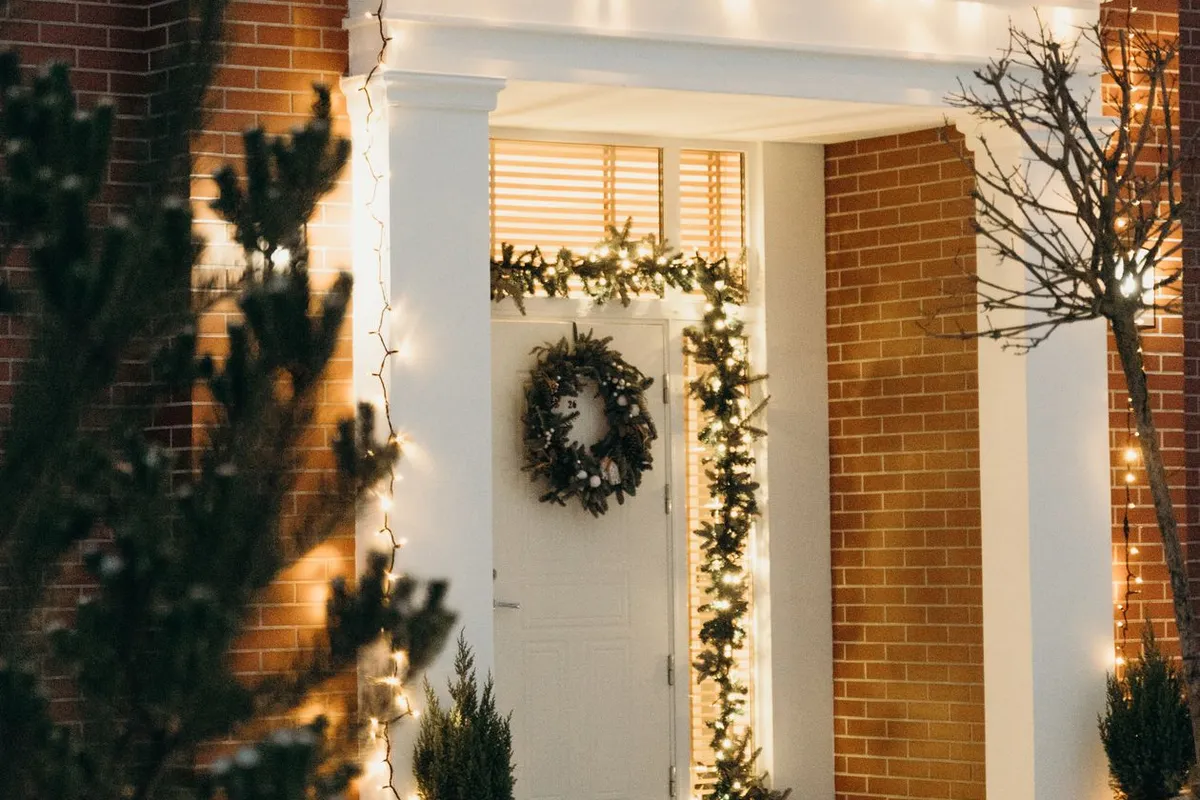
Planters are the fastest Christmas upgrade a porch can get. You keep the pots you already own, swap the tired fall fillings for fresh evergreen cuttings, berries, and birch, and the whole entry changes in under an hour. These outdoor christmas planter ideas cover every porch size and budget, from a matching pair of urns by the door to a five dollar refresh of last summer’s pots. Each one lists the pot size and the stems to buy or cut.
1. A Matching Pair of Planters Flanking the Front Door
Symmetry is the classic for a reason. Two identical planters, one on each side of the door, make any entry look planned. Use pots at least 16 inches wide and 18 inches tall, roughly one third the height of the door. Fill both exactly the same way: birch logs or tall red twig dogwood in the center, cedar and fir cuttings around them, and one bow at the front of each pot. Build one, then copy it stem by stem so the pair truly matches.
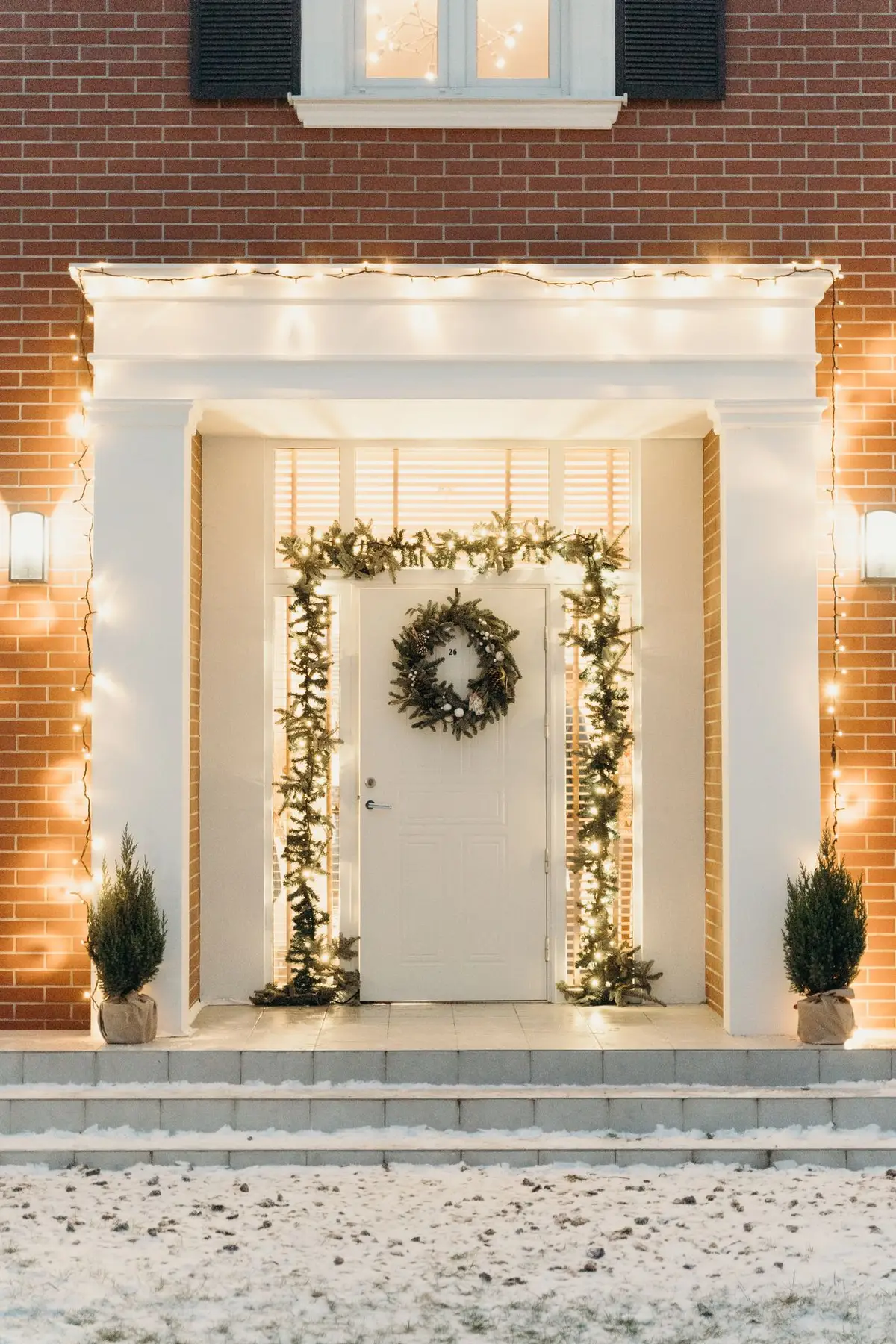
2. A Fresh-Cut Evergreen Planter Built in Ten Minutes
No live plant is needed. Push cut branches straight into the soil left in your summer pots and let the cold keep them fresh. Work in odd numbers: 5 to 7 tall stems of noble fir or white pine in the middle, shorter cedar and juniper angled around the edge, then 3 red winterberry stems for color. Cut stems at an angle and push them at least 4 inches into damp soil. In cold weather it stays green for 5 to 6 weeks with no care at all.
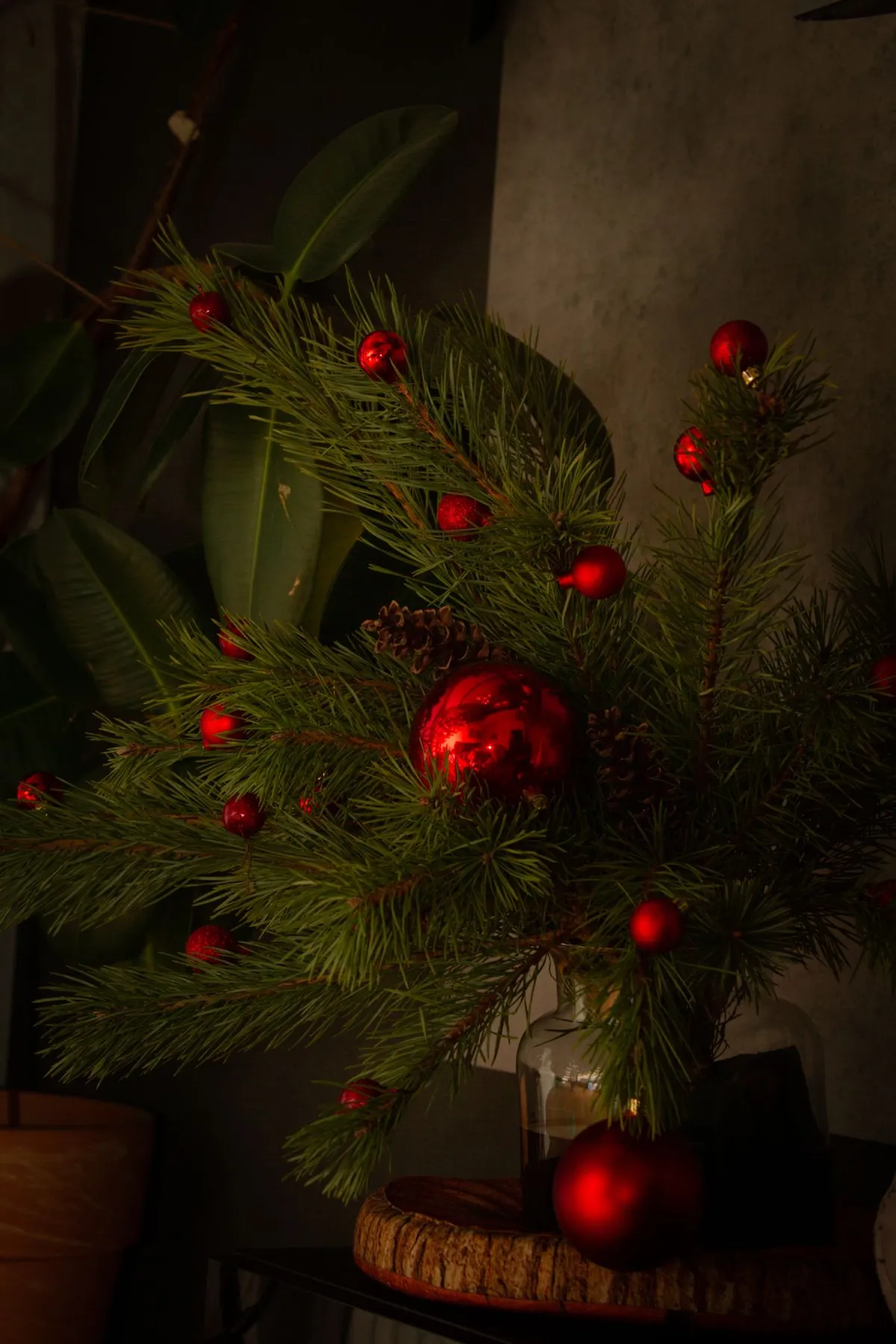
3. Classic Urns That Look Better Under Snow
Cast iron and fiberglass urns earn their price in December: snow on the rim looks like decoration you paid for. Keep the planting simple so the urn stays the star: a tight mound of boxwood or fir tips and 2 or 3 frosted pinecones wired to picks. Choose frost proof urns only. Cheap ceramic and thin terracotta crack when wet soil freezes and expands inside them.
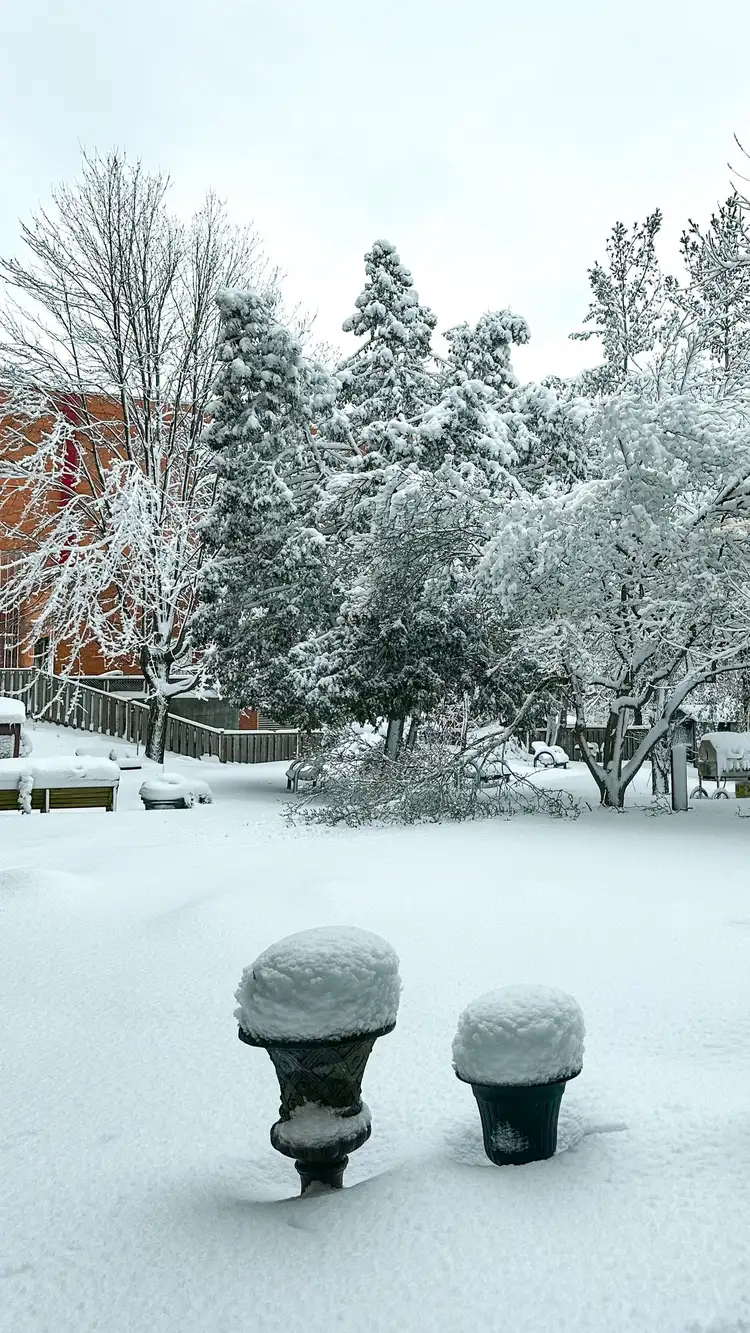
4. A Mini Christmas Tree Growing in a Planter
A living 2 to 3 foot spruce or fir in a sturdy pot gives you a real tree without the stand or the January disposal problem. Dwarf Alberta spruce is the reliable pick: dense, slow growing, and happy in a 14 inch pot for years. Dress it lightly with 50 warm white micro lights and a dozen small shatterproof baubles, since heavy ornaments bend young branches. Water it when the soil dries, and plant it in the garden in spring.
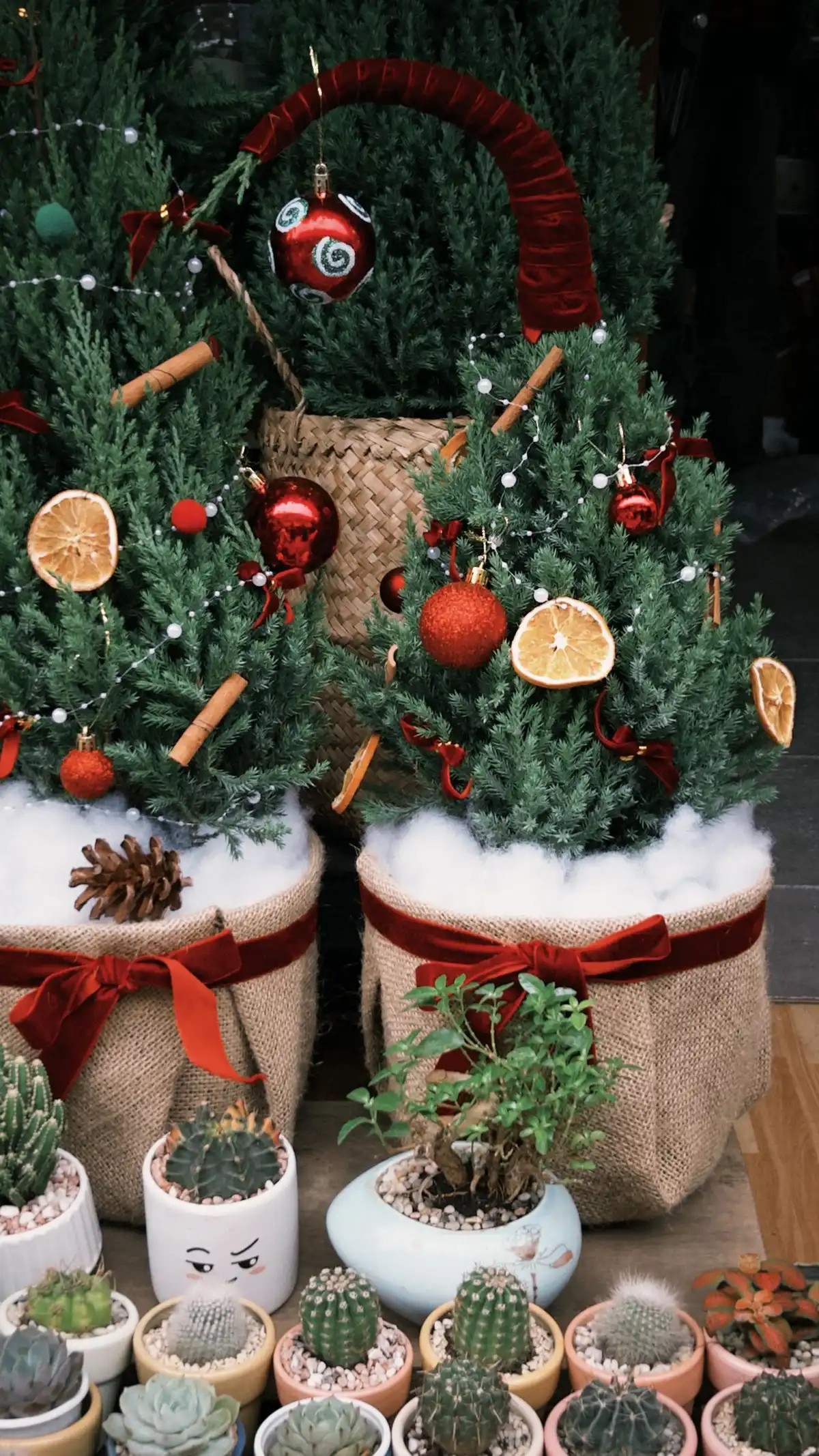
5. Winterberry, Holly, and Pinecone Color
When the greenery is plain, berries do the talking. Winterberry holly holds its red clusters for weeks outdoors, and one $6 bundle from a florist fills two medium planters. Tuck 3 to 5 stems per pot among plain cedar so the color reads from the street, and add pinecones at the base. Real stems look richer than artificial berry picks and cost about the same in December.

6. Fairy Lights Woven Through the Greenery
A planter that glows wins the whole street after dark. Weave one 50 light warm white strand through the cuttings, starting at the back so the plug hides behind the pot. Battery fairy lights on a 6 hour timer are easiest where there is no outdoor socket: the thin wire disappears among the branches and the battery pack tucks under the rim. Keep lights in the top two thirds so the greenery seems to float.
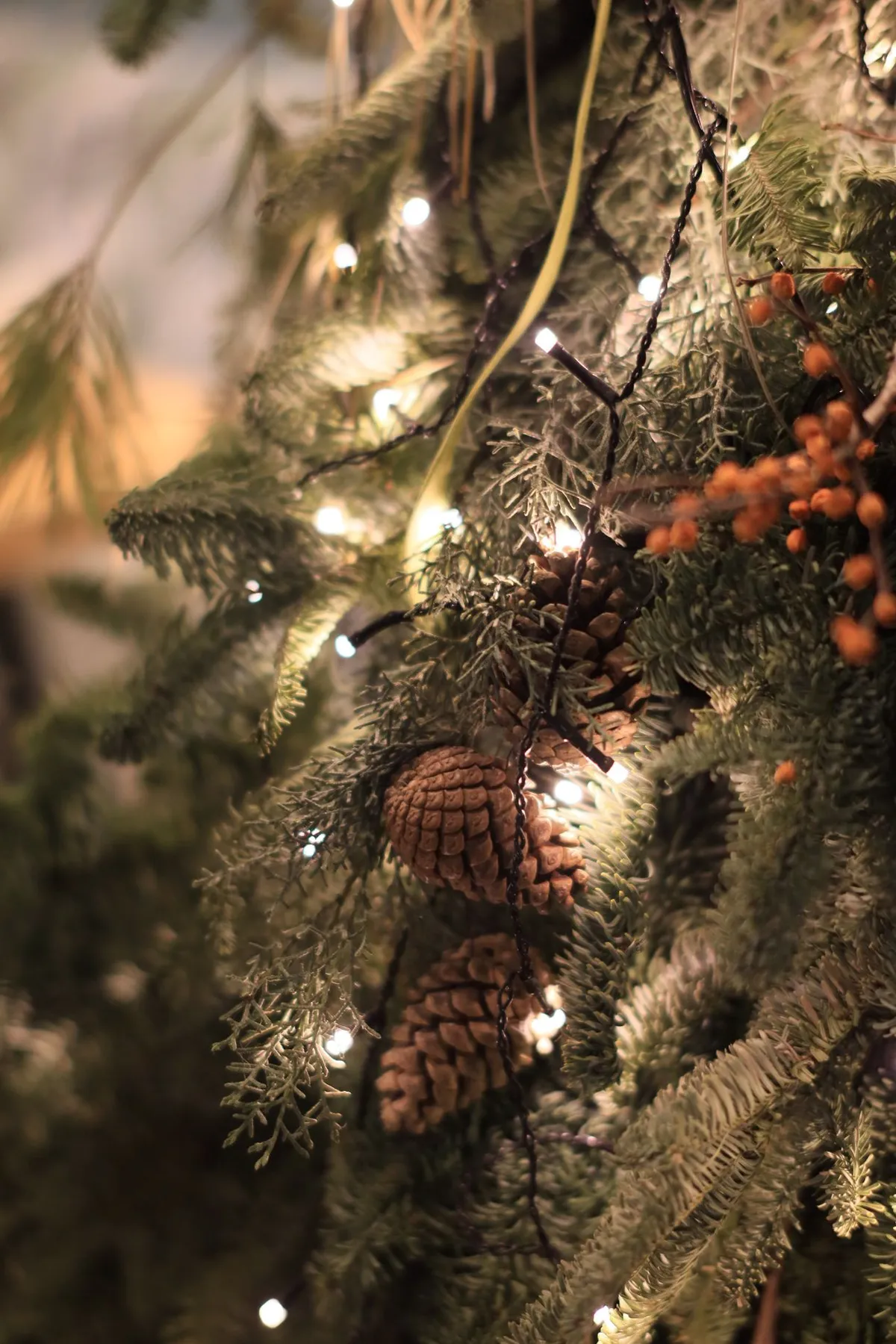
7. Window Boxes Dressed Like Planters
Window boxes count as planters, and they sit right at eye level. Leave the box in place and refill it: short fir and cedar cuttings laid at a forward angle, a row of pinecones along the front edge, and one repeating accent, red baubles or small birch rounds, every 8 inches. Push stems in deep and water once before the first hard freeze: frozen soil locks every stem in place for the season.
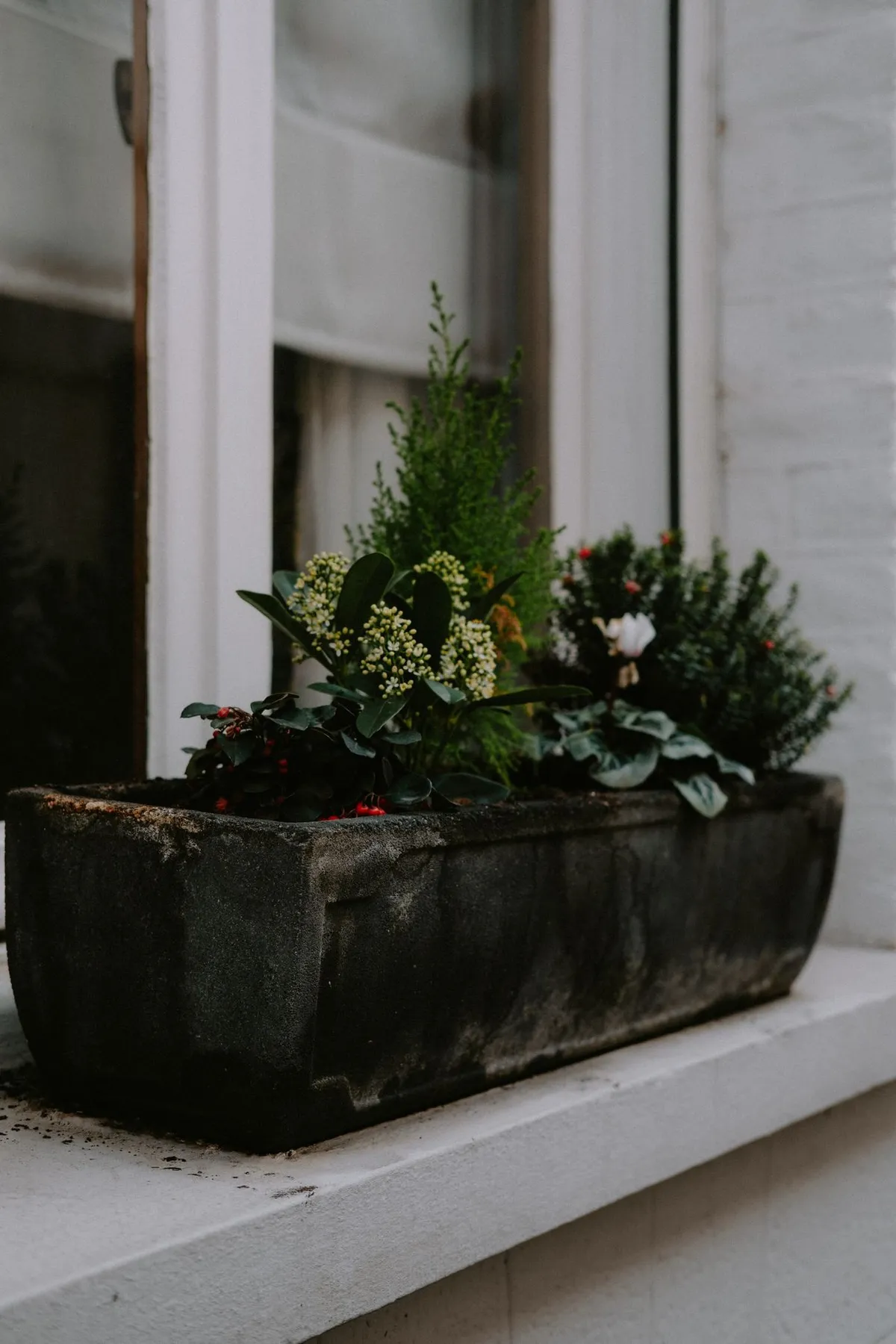
8. Planters Marching Up the Porch Steps
Steps are free shelves. Line one side with 3 to 5 small planters, largest at the bottom and smallest at the top, and keep at least 24 inches of step width clear for feet and handrails. Repeat one element in every pot, such as a plaid bow or a single birch log, so the set reads as one display instead of random pots. Galvanized buckets work well, and the whole run can cost under $30.
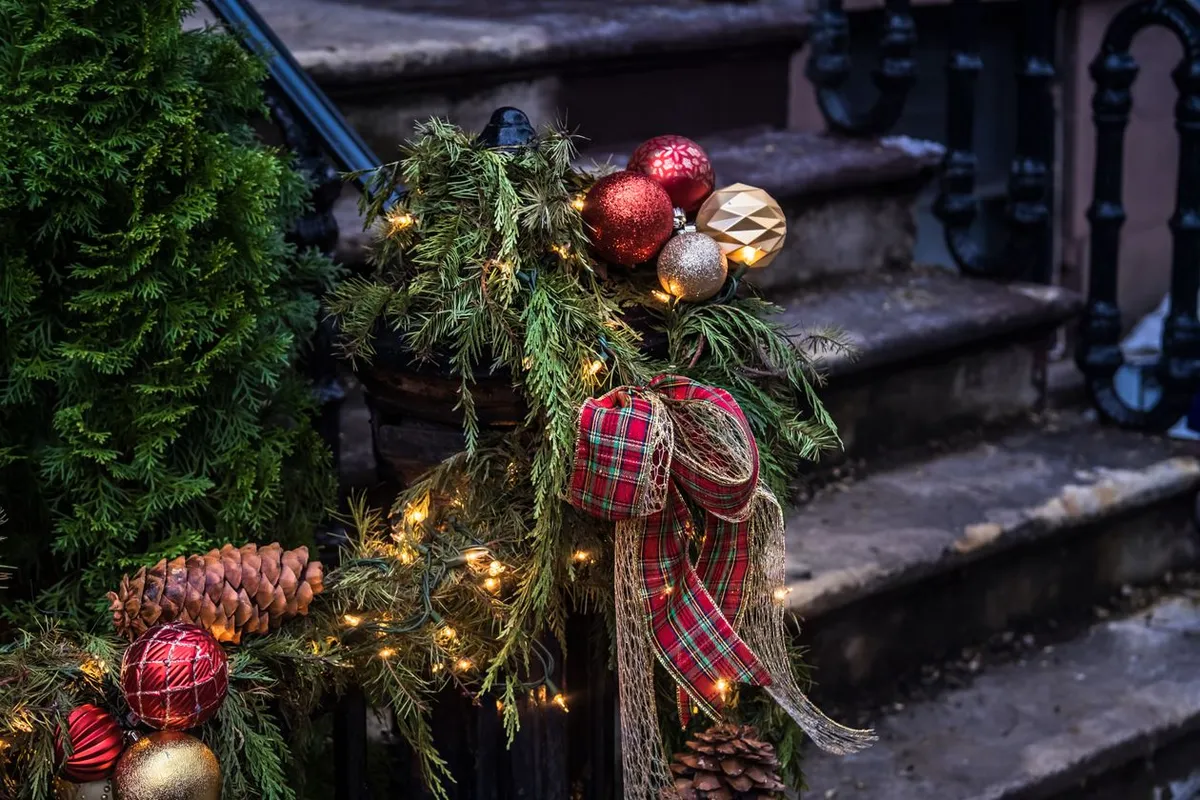
9. One Color Story Across Planters and Garland
The porches that look professionally done usually follow one rule: the planters and the door garland share a palette. If your garland carries red blooms and red ribbon, echo exactly that red in the planters with winterberry and one matching bow per pot. Pick two colors plus green and refuse everything else at the store. It is the cheapest trick in this list: it asks for restraint, not more decorations.
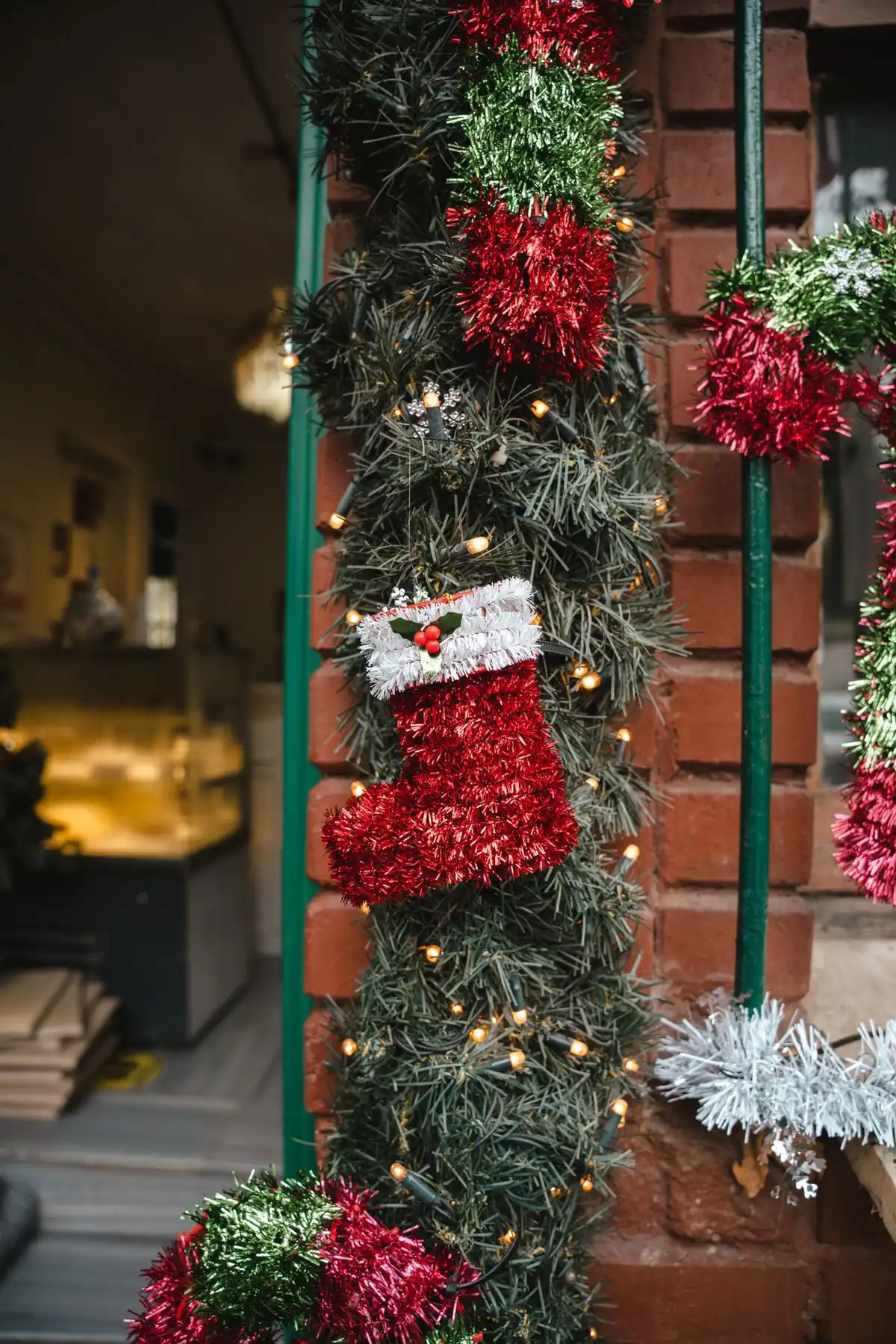
10. Frosted White and Red, Like Fresh Snow
Flocking spray turns plain cuttings into a snowy arrangement in minutes. Spray the tips of fir branches outdoors, let them dry for 20 minutes, then build the planter with the frosted pieces facing front. Against the white, use only red: glossy baubles on picks, red berries, and one red velvet bow. Set the pot in light shade if you can: strong sun fades the snowy look.
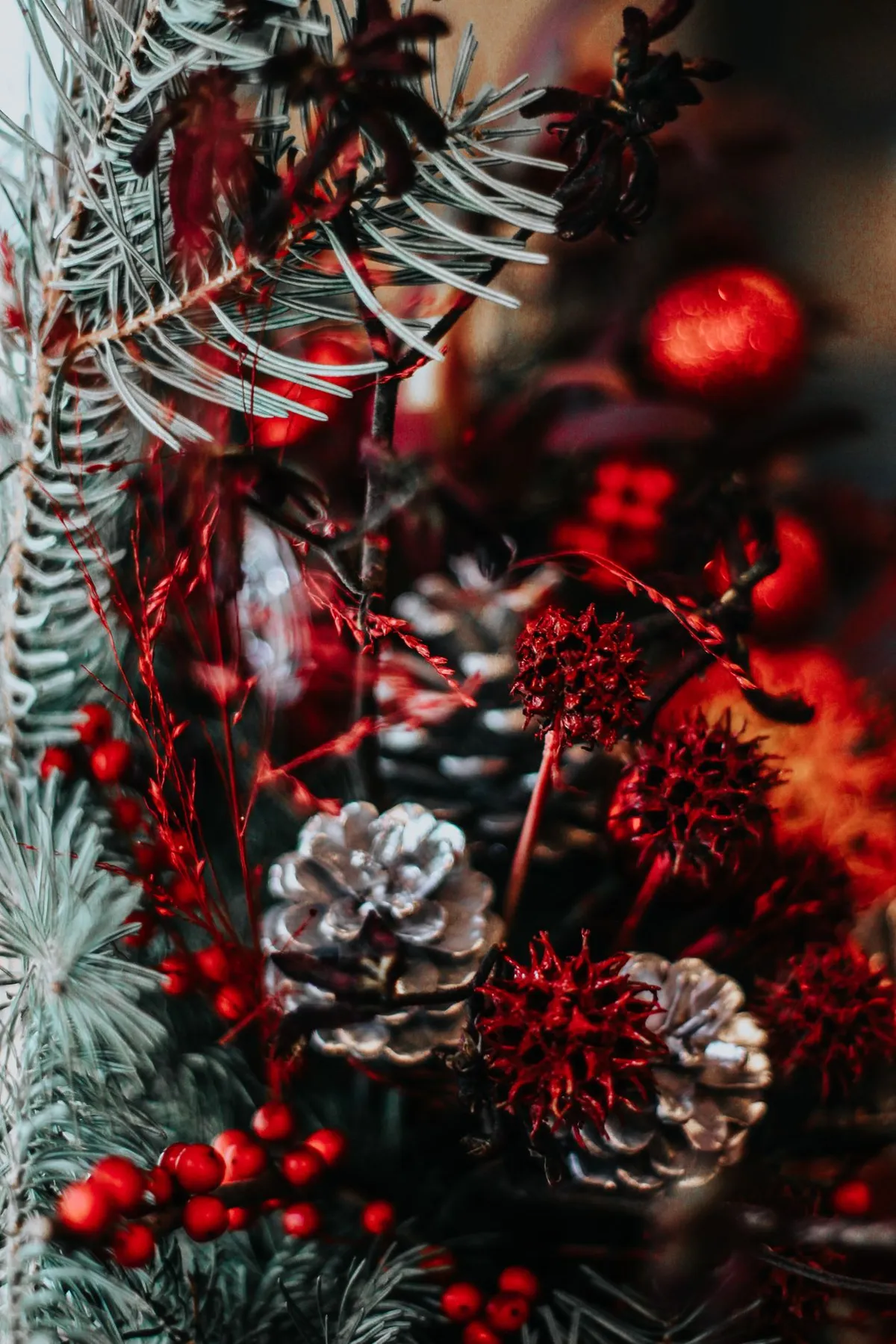
11. A Rustic Woodland Planter with Birch and Branches
For a cabin or farmhouse feel, build the planter from the woods outward. Stand 3 birch logs, each about 2 feet tall, in the center of a wooden crate or a weathered barrel planter. Ring them with rough pine and spruce cuttings, the less tidy the better, and finish with a burlap ribbon and a handful of cones from the yard. Crooked stems only help this style.

12. The All-Natural Foraged Planter
Everything in this planter can come from your own garden and a walk with pruners. Evergreen trimmings from shaping a hedge, fallen cones, rose hips, dried hydrangea heads, and a few interesting bare branches cost nothing and compost in January. Build it the day after you prune so the cuttings are fresh, and mix at least three textures: flat cedar sprays, upright pine, and round cones or seed heads. Use a plain pot, clay colored or black, that does not fight the materials.

13. Last Summer’s Pots, Refreshed for Five Dollars
Before buying anything, look at the pots already on your porch. A tired fall planter becomes a Christmas planter with three cheap moves: pull out anything brown, push in 2 grocery store bundles of mixed greens (usually $5 to $8 in December), and add one $1 bag of pinecones. Tie a ribbon offcut around the pot rim and the refresh is done.
14. Hanging Baskets Turned Into Christmas Planters
Do not store the hanging baskets yet. A wire basket with a coir liner makes a beautiful raised planter: fill it with soil, set a small upright juniper or a tight ball of fir tips in the center, and trail ivy or cedar over the edge. Hang two at porch corners, or set one on a plant stand by the door for height. Baskets dry out fast, so water on mild days until the soil freezes solid.
15. One Oversized Statement Planter for a Wide Porch
On a wide porch, small pots disappear. One oversized planter, 24 inches across or more, planted boldly, beats five small ones. Go tall: a 3 foot bundle of curly willow or birch in the center, a full skirt of mixed evergreens, and oversized accents, meaning 4 inch baubles, big cones, and a bow you can see from the road. If a huge pot is pricey, group three medium pots tight together and plant them as one.
How to Build an Outdoor Christmas Planter That Lasts All Season
Every idea above follows the same build. Start with the right pot: 14 to 16 inches wide for a single planter, 18 to 20 inches for a door pair, and always frost proof if it stays outside. Leave the old soil in the pot, since it anchors stems better than foam and adds wind weight, but pull out dead summer plants first. Cut greenery after the weather turns cold: stems cut in warm weather dry out twice as fast. Build in three layers: tall thriller stems in the center (birch logs, red twig dogwood, or tall fir tips), filler greenery mounded around them (cedar, pine, juniper, boxwood), and spiller pieces angled over the rim (cedar sprays, ivy, trailing juniper). Water the finished planter deeply once, then let it freeze: frozen soil grips every stem like cement. Add accents last and check the balance from the street.
Frequently Asked Questions
How long do outdoor Christmas planters last?
Cut greenery planters last 4 to 6 weeks in cold weather, and longer where nights stay below freezing. In a mild climate the same planter lasts about 3 weeks. Living potted spruce and juniper planters last all winter and beyond.
Can I leave Christmas planters outside all winter?
Yes, if the pot is frost proof. Resin, fiberglass, metal, plastic, and wood containers handle freezing well. Thin ceramic and terracotta can crack when the soil inside freezes and expands, so move those under cover before hard freezes.
What greenery lasts longest in an outdoor Christmas planter?
Noble fir, Fraser fir, cedar, juniper, and boxwood are the longest lasting cut greens outdoors, usually 5 weeks or more in the cold. White pine dries fastest, so use it as filler, not the main show.
How do I stop a planter from blowing over in the wind?
Weight beats everything. Keep the soil in the pot, add a brick or a layer of gravel at the bottom of light containers, choose wide pots over tall narrow ones, and tuck planters against the house or a railing instead of at an exposed corner.
When should I put outdoor Christmas planters out?
Late November is ideal in most of the US, once nights turn cold. Greens placed in cold weather stay fresh through Christmas and into January. If you build in a warm spell, keep the planter in shade and water it until the cold arrives.
Conclusion
A good Christmas planter is only three decisions: a pot that survives the cold, greenery with one tall element, and one color that repeats. Pick the pair by the door for the classic look, the foraged or five dollar version to keep it nearly free, and add lights to whichever you build. For more outdoor ideas, see our christmas porch planter ideas, our guide to outdoor christmas urns, today’s outdoor christmas tree ideas for porch, and these christmas walkway luminaria ideas.