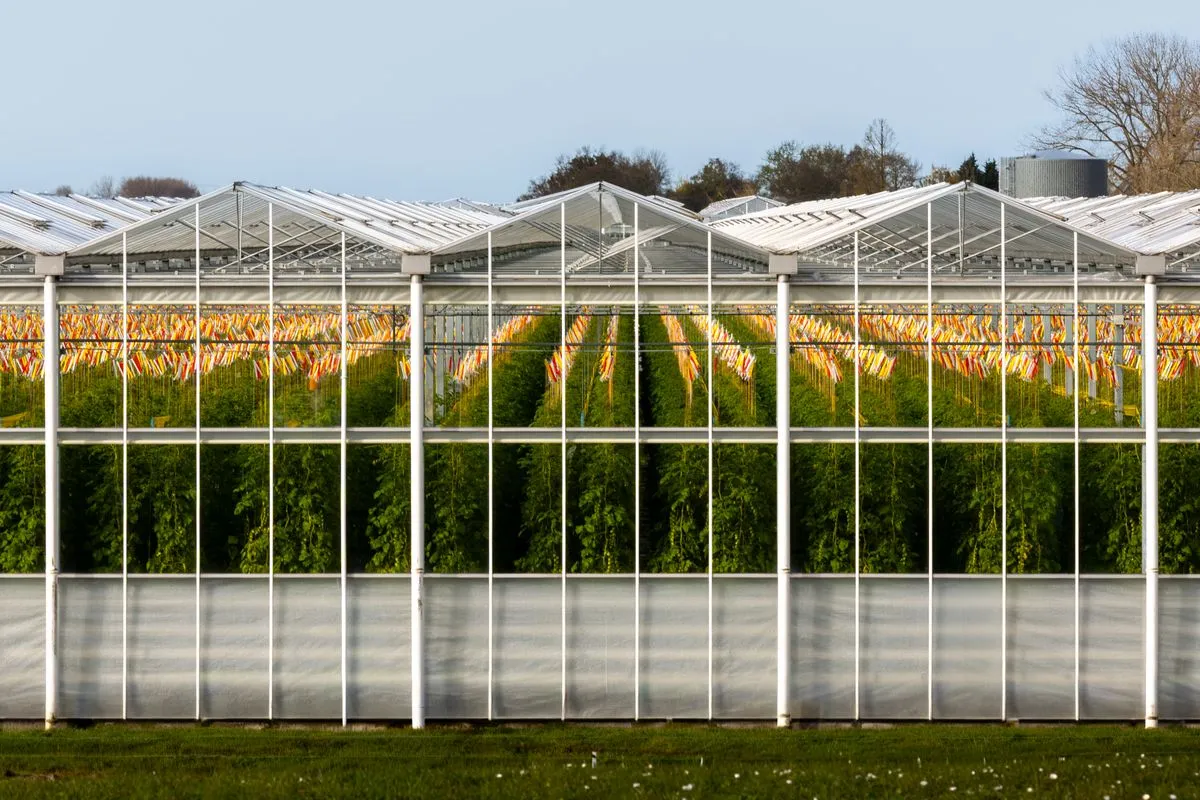
Winter greenhouse gardening turns the coldest months into a growing season instead of a waiting season. With a clear night temperature target, a little insulation, and a simple weekly routine, you can pick spinach in January, snip parsley for soup in February, and start spring seedlings weeks before outdoor gardeners can. This guide gives you 15 practical tips with real temperatures, costs, and timings, so you can keep plants alive and productive all winter.
The first rule is simple: winter success is decided at night, not during the day. A sunny winter afternoon can push a greenhouse to 70 degrees Fahrenheit, then a clear night can drop it below freezing in hours. For more cold season ideas, see our low maintenance winter garden plants for busy schedules.
1. Set a Night Temperature Target for Winter Greenhouse Gardening
Pick one minimum night temperature and design everything around it. For leafy greens and hardy herbs, aim for 35 to 40 degrees Fahrenheit at plant level. For root crops in beds, 40 to 45 degrees is safer. For tender plants such as citrus and peppers kept over winter, hold 50 to 55 degrees.
2. Start With Crops That Actually Like Cold Weather
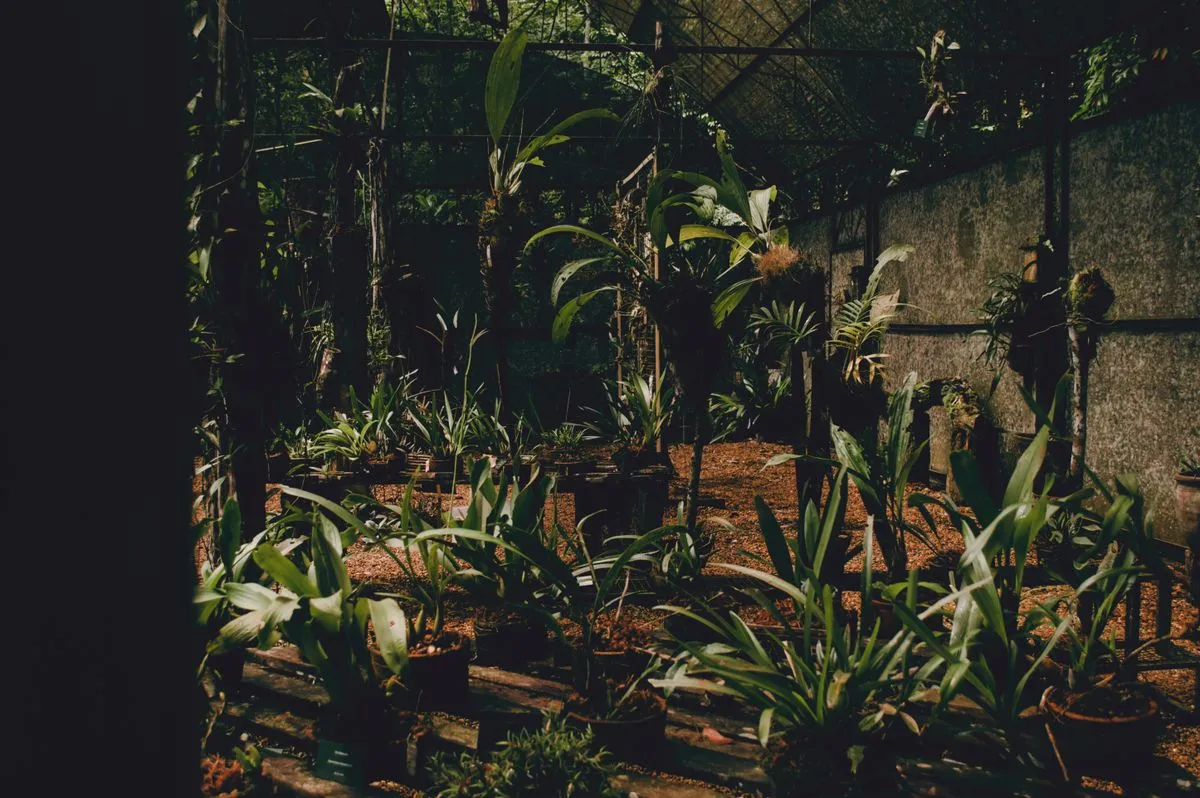
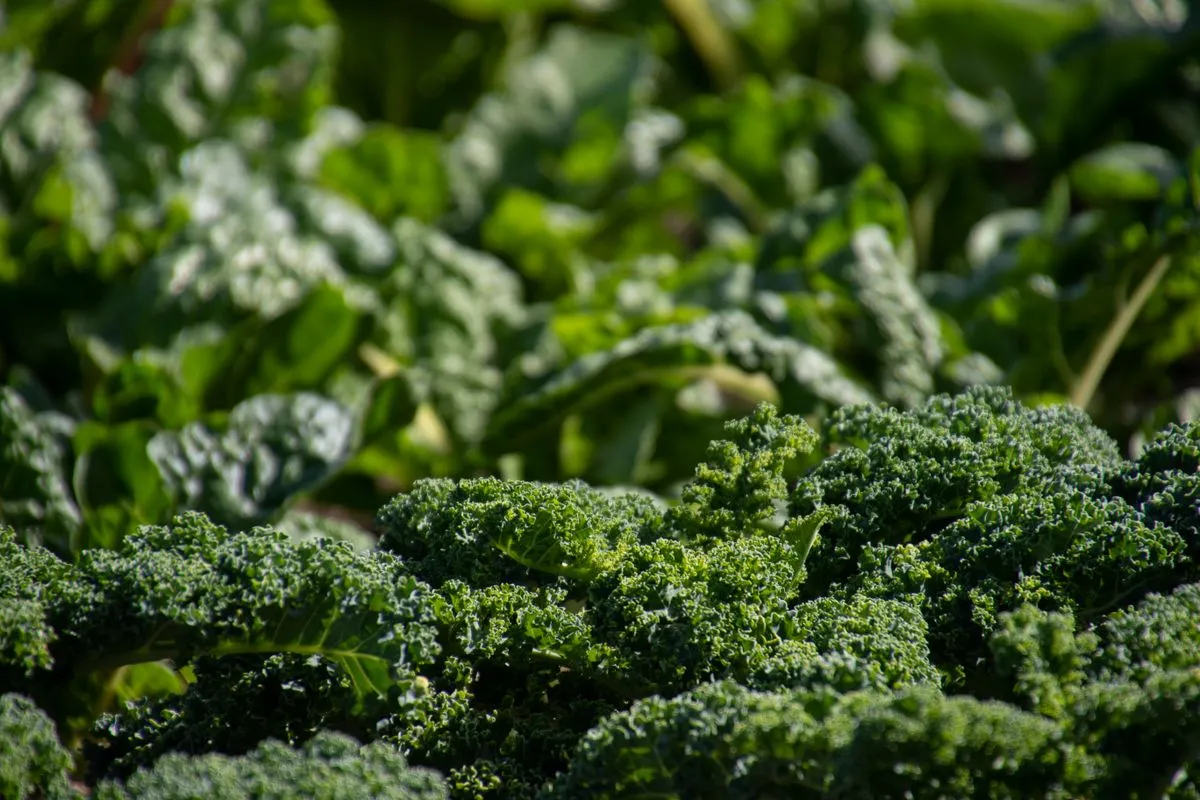
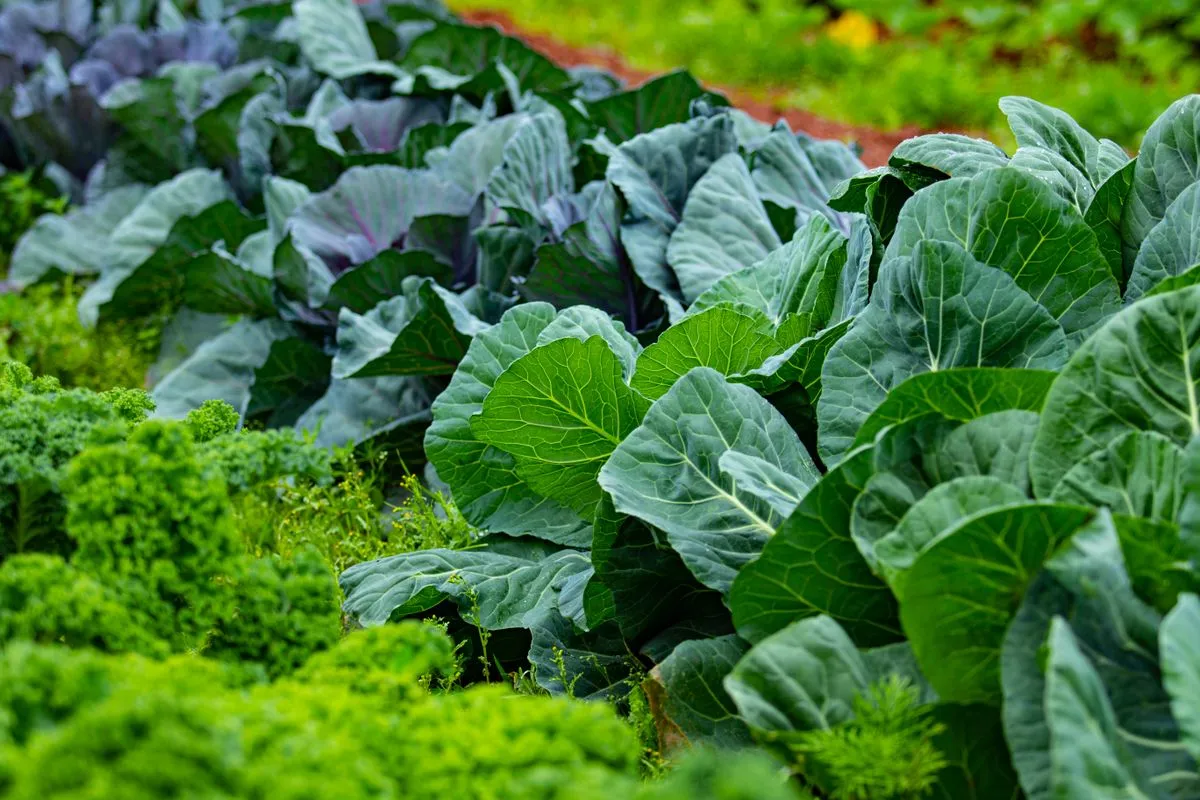
Cold hardy crops do most of the work for you. Spinach, kale, Swiss chard, lettuce, mache, arugula, and tatsoi grow well when nights stay at 35 to 40 degrees. Parsley, chives, and thyme also cope in that range, while cilantro prefers the warmer end. Carrots, beets, radishes, and turnips grow slowly but steadily in cool beds at 40 to 45 degrees.
3. Insulate the Inside With Bubble Wrap, Not the Outside
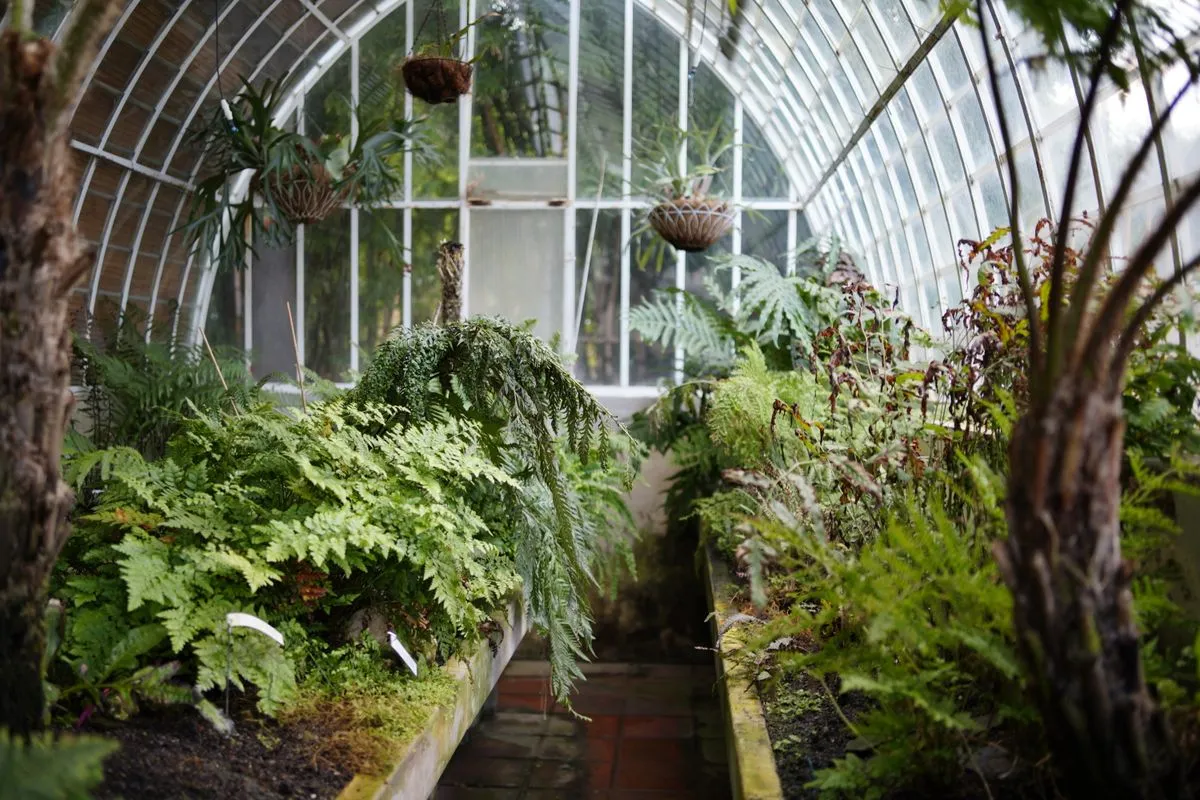
Large bubble wrap is the cheapest useful insulation for a home greenhouse. Clip it to the inside of the glazing, bubble side against the glass or polycarbonate, and leave vents and the door clear. A roll large enough for an 8 by 6 foot greenhouse costs about 25 to 45 dollars, and it can lift night temperatures by 4 to 8 degrees.
4. Seal Every Draft, Especially Around Doors and Vents
One drafty door can undo a whole roll of bubble wrap. Run your hand around the door frame, vent frames, and base on a windy evening and mark every cold leak. Self adhesive foam tape costs about 5 to 10 dollars a roll and fixes most gaps in an afternoon.
5. Choose Heating That Matches Your Crop Target
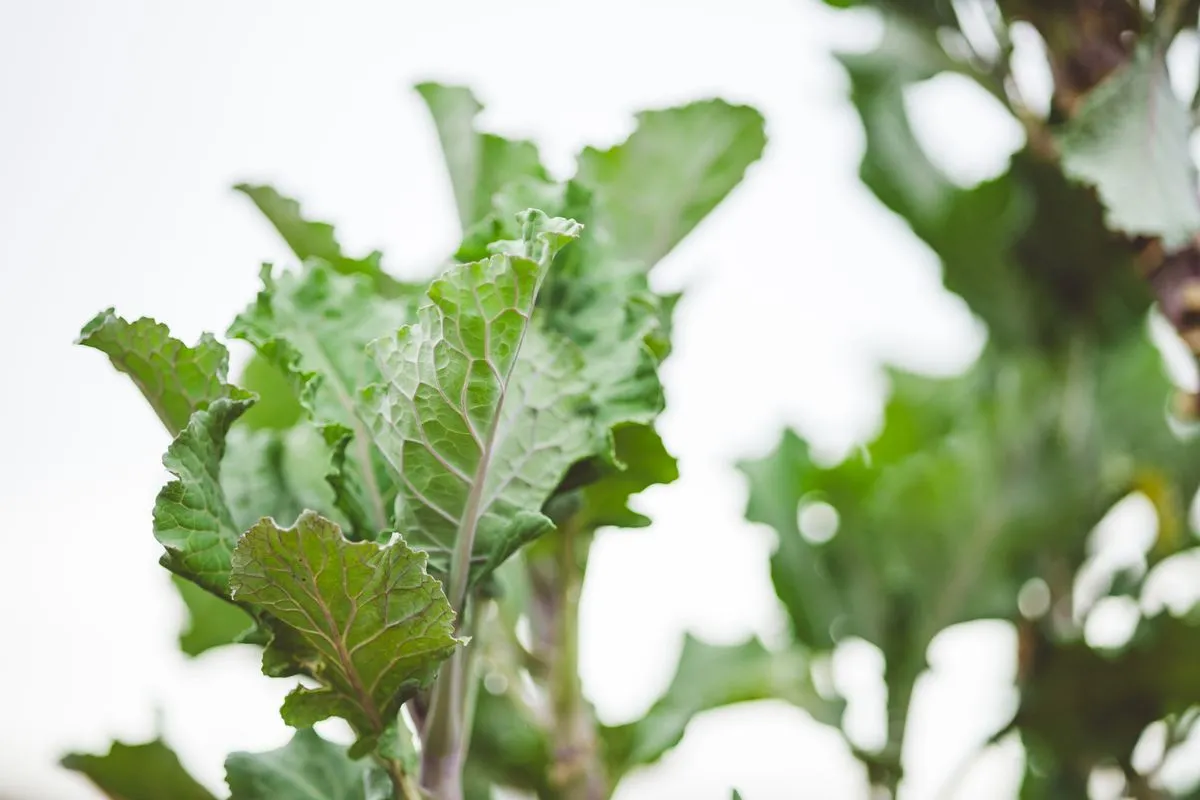
For a small greenhouse, a thermostat controlled electric fan heater (about 40 to 80 dollars) is the simplest choice for holding 40 to 50 degrees. An oil filled radiator (about 60 to 110 dollars) gives steadier, gentler heat and suits seedlings. A small propane heater costs less to buy but needs ventilation and a carbon monoxide alarm, so never run an unvented gas heater in a sealed greenhouse.
6. Add Thermal Mass to Smooth Out Night Drops
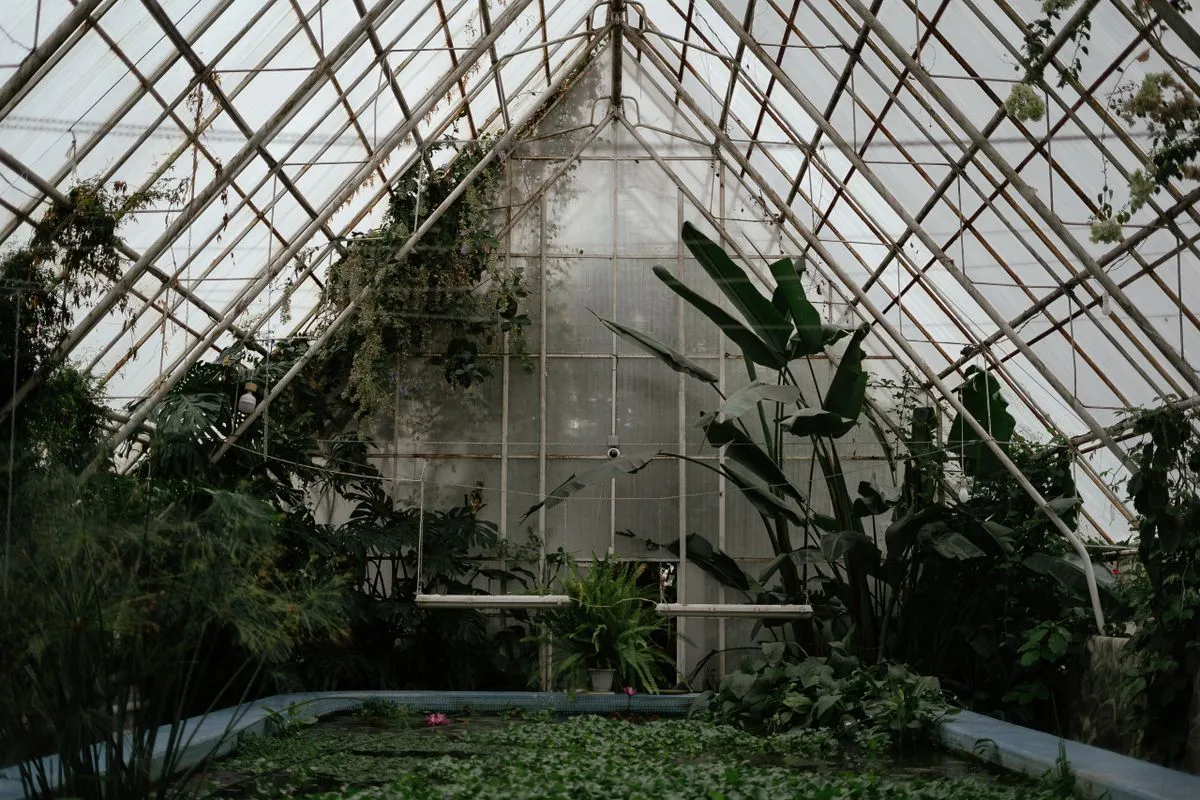
Water barrels, stone paths, and brick benches soak up daytime heat and release it slowly at night. Two or three dark 55 gallon drums of water along the north wall can lift a small greenhouse by 3 to 5 degrees on a cold night, and they cost little if you find used food grade barrels. Thermal mass will not replace a heater in a hard freeze, but it cuts how often the heater switches on.
7. Give Plants 12 to 14 Hours of Light With LEDs
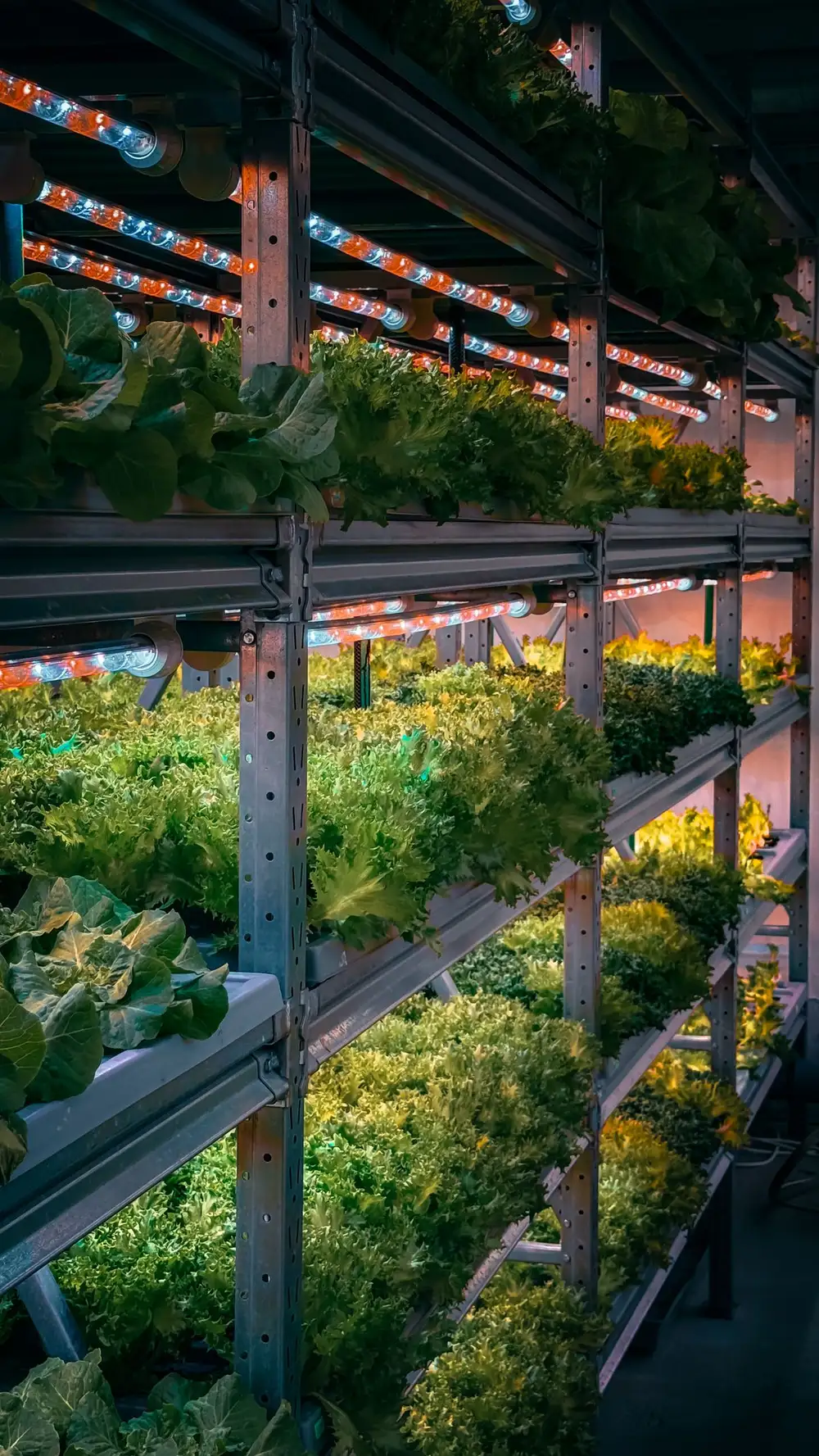
Winter days are short, and weak light means slow, leggy growth. For leafy greens and seedlings, run full spectrum LED grow lights for 12 to 14 hours a day, timed to switch on before sunrise and off after sunset so plants still get a dark rest period. Hang lights 12 to 18 inches above leafy greens and 18 to 24 inches above seedlings. A 40 to 60 watt LED panel covers about 2 by 2 feet and costs roughly 30 to 60 dollars.
8. Water Less Often, and Always in the Morning
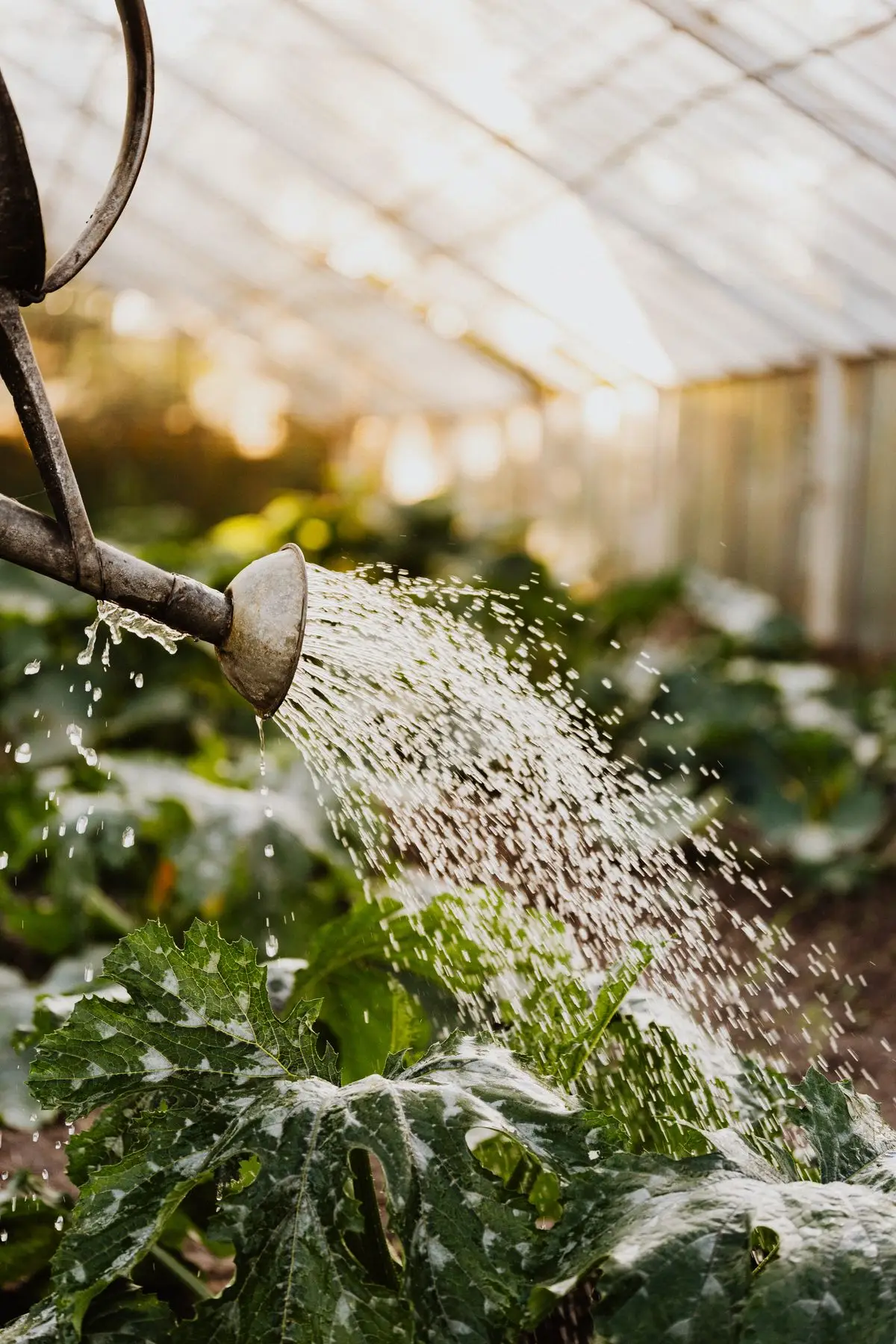
Winter plants drink slowly, so daily watering causes root rot in January. In a cool greenhouse, most pots and beds need water only once every 7 to 10 days, and raised beds often go 10 to 14 days between waterings. Check soil with your finger first, and water only when the top inch feels dry. Water in the morning so leaves dry before night, use room temperature water, and never leave pots standing in saucers of cold water.
9. Ventilate Every Day, Even When It Is Freezing Outside
A sealed greenhouse in winter turns damp fast, and damp air invites grey mold and mildew. Open a roof vent or door for 20 to 30 minutes on mild days, and at least 10 minutes on cold days, ideally around midday when the air inside is warmest. Aim for daytime humidity of 50 to 70 percent and night humidity below 80 percent. If condensation drips from the roof every morning, you need more ventilation, not less heat.
10. Keep Soil Warm With Raised Beds and Mulch
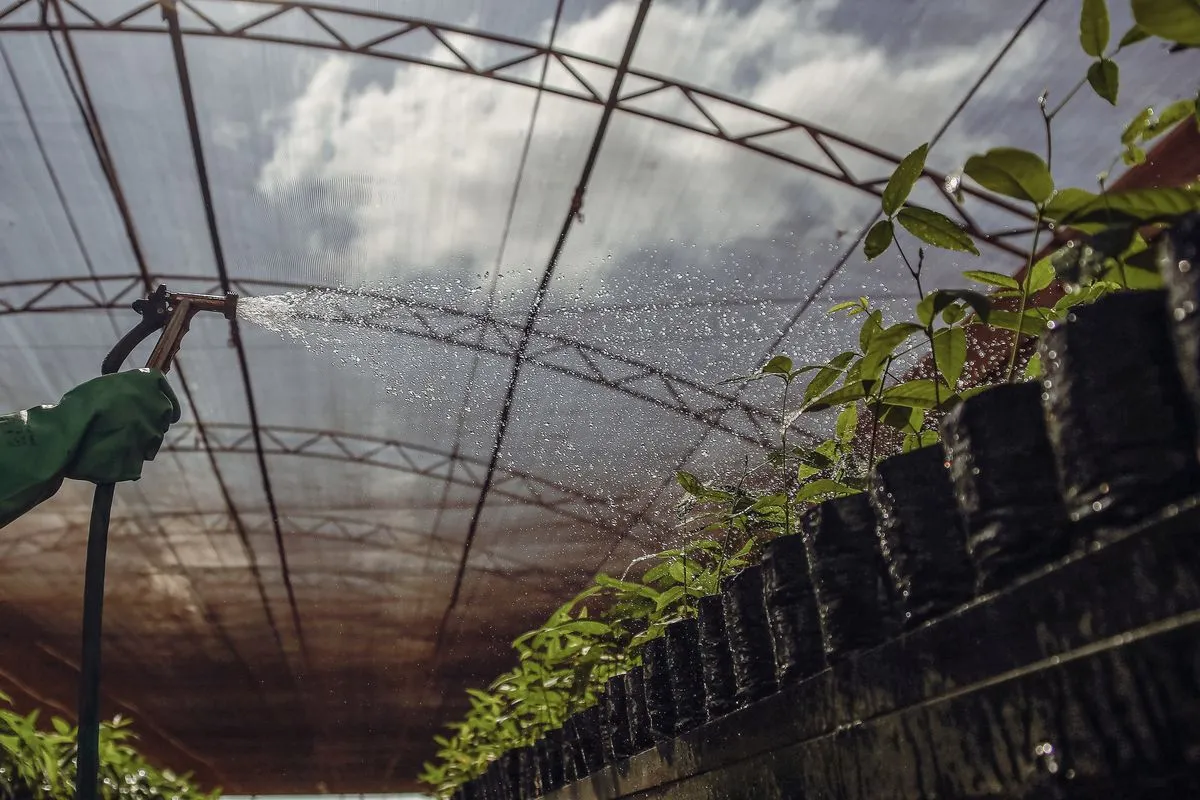
Roots feel cold before leaves show it. Raised beds 10 to 12 inches high warm up faster than ground level soil and drain better after winter rain. Mulch beds with 2 to 3 inches of straw or shredded leaves to hold soil warmth and cut evaporation, but keep mulch an inch away from stems. For pots, group them together on a bench, wrap the outer pots in bubble wrap, and lift them off a cold concrete floor with wooden slats.
11. Check for Pests Every Week, Before They Spread
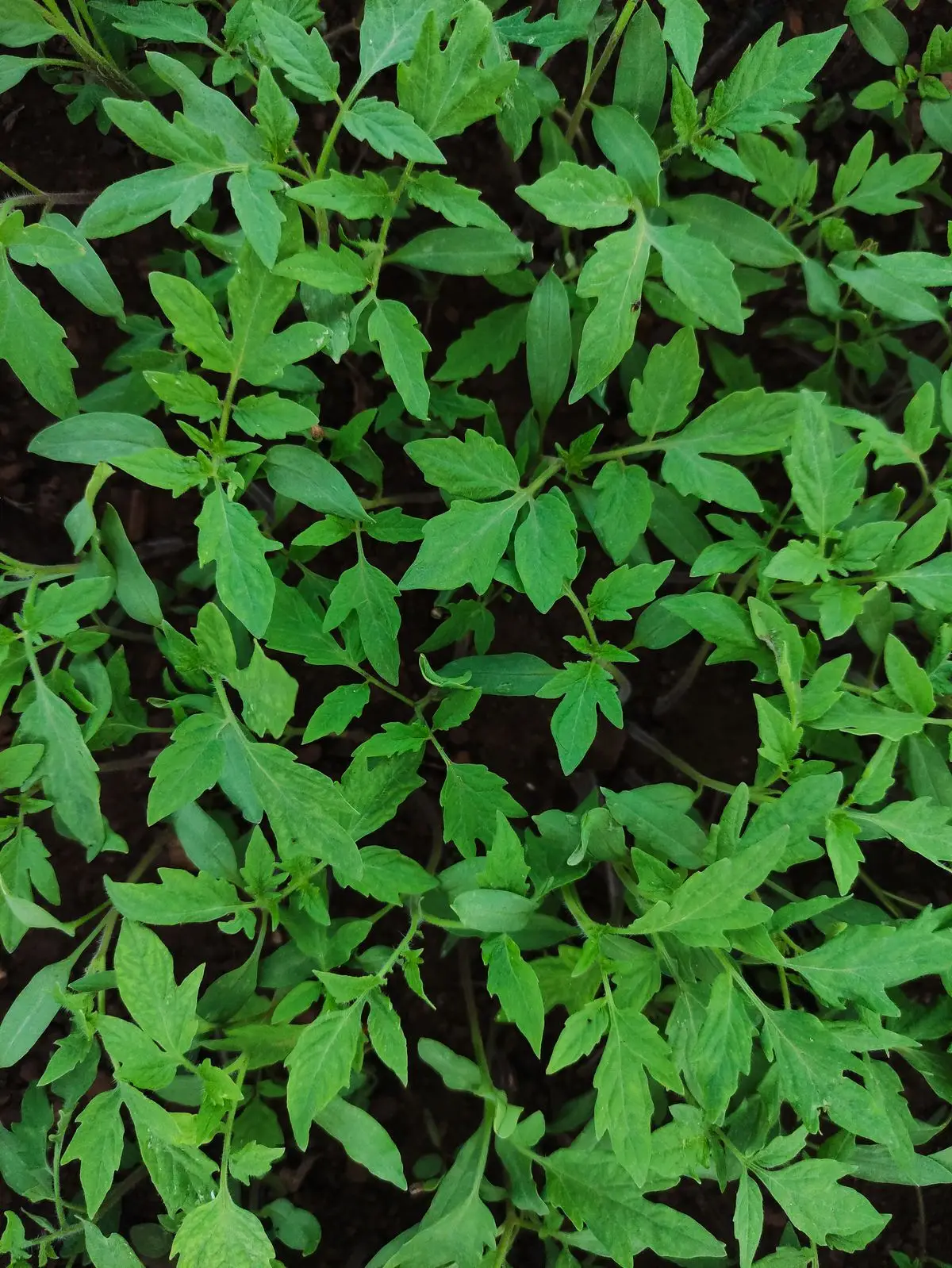
Aphids, whitefly, and fungus gnats love a warm greenhouse in winter, when outdoor predators are gone. Once a week, check the undersides of 10 to 20 leaves, especially on kale, lettuce, and herbs, and tap a plant over white paper to spot tiny whitefly. Remove badly infested leaves at once, wash light aphid colonies off with a strong spray of water, and use yellow sticky traps for fungus gnats and whitefly.
12. Sow Little and Often for a Steady Winter Harvest
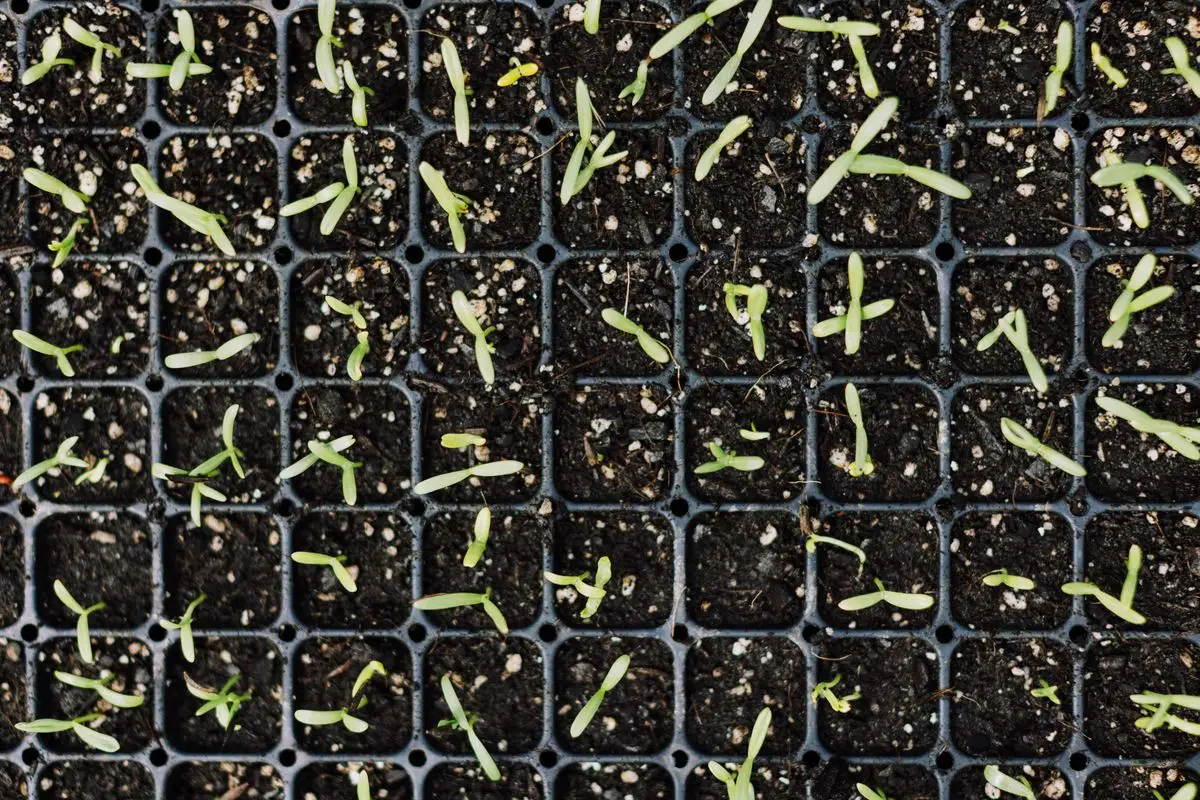
One big sowing gives one big glut, then nothing. Sow a short row or one tray of salad leaves every 2 to 3 weeks from October through February, and you will pick a little all winter. Use cut and come again picking for lettuce, spinach, chard, and herbs: take the outer leaves, leave the growing center, and the plant keeps producing for 6 to 10 weeks. For a balcony scale version of this habit, see our winter garden balcony ideas for a cosy plant filled space.
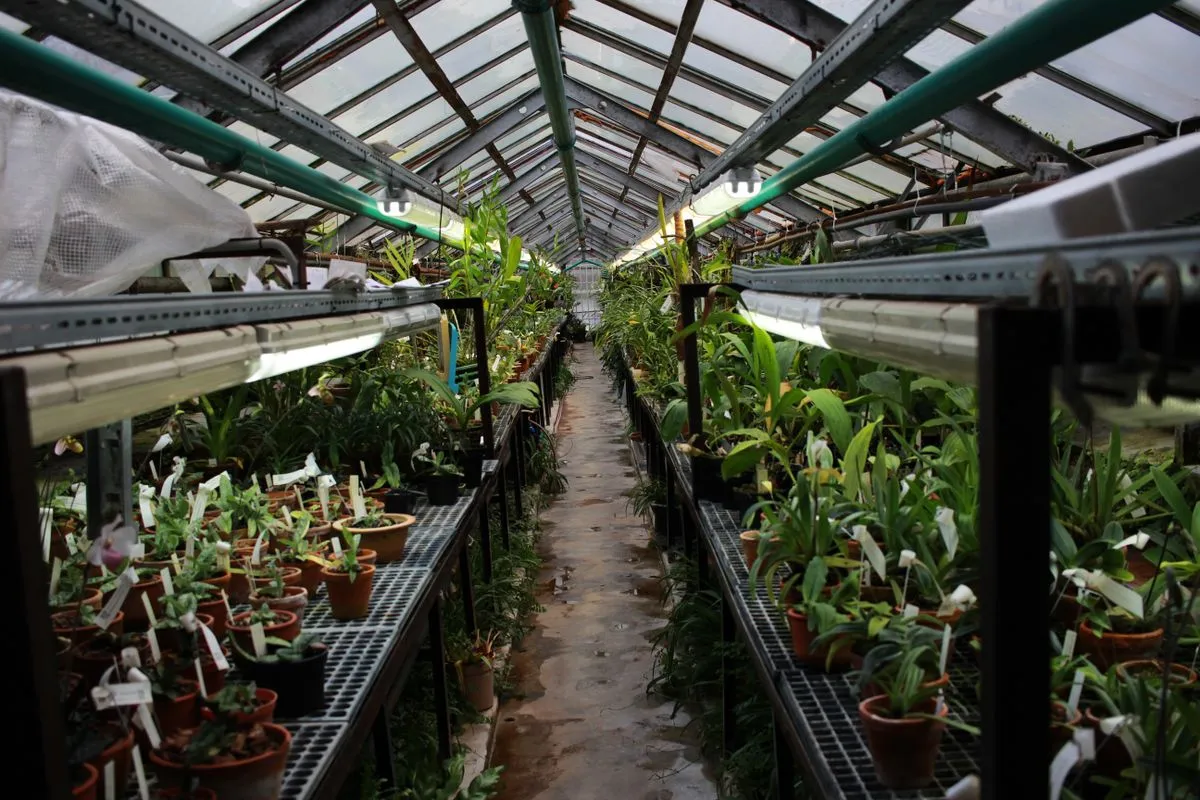
13. Give Tender Plants Their Own Warm Corner
Do not heat the whole greenhouse for one lemon tree. Group tender plants near the warmest wall, usually the south or west wall or beside the heater, and drape horticultural fleece over them on forecast frost nights. Citrus in pots needs a minimum night temperature of about 50 degrees, while rosemary and lavender kept over winter do best at 40 to 45 degrees with very light watering. For lavender specifically, see our lavender in winter guide.
14. Clear Snow, Check the Frame, and Protect the Roof
Wet snow is heavy, and a loaded roof can bend glazing bars or crack panels. After snowfall, brush snow off the roof with a soft broom, starting at the ridge and working down, and clear gutters so meltwater drains instead of freezing in place. Tighten loose glazing clips in autumn, oil hinges and vent openers before winter, and keep a spare pane or panel and a roll of greenhouse repair tape on hand.
15. Follow a Simple Weekly Winter Routine
Winter greenhouse gardening gets easy when it becomes a habit, not a rescue mission. On Monday, check the min/max thermometer and note the coldest night. On Wednesday, water only the pots and trays that are dry, and open vents for at least 20 minutes at midday. On Friday, do the pest check, remove yellow leaves, and pick outer leaves for the kitchen. On Saturday, sow one small tray or row and check the heater, fan, and lights.
Frequently Asked Questions
What is the best minimum temperature for winter greenhouse gardening?
Hold nights at 35 to 40 degrees Fahrenheit for leafy greens and hardy herbs, 40 to 45 degrees for root crops, and 50 to 55 degrees for tender plants such as citrus. A min/max thermometer at plant height tells you the true night low.
How many hours of LED light do winter greenhouse plants need?
Give leafy greens and seedlings 12 to 14 hours of total light a day in winter, using LEDs to top up short daylight hours. Hang lights 12 to 18 inches above greens, run them on a timer, and keep a dark period overnight.
How often should I water a greenhouse in winter?
Water most beds and pots only once every 7 to 10 days in winter, and raised beds every 10 to 14 days, checking first that the top inch of soil is dry. Water in the morning, and check seed trays every 2 to 3 days because small cells dry faster.
Do I need to ventilate a greenhouse in winter?
Yes, ventilate every day, even in cold weather. Open a vent or door for 10 to 30 minutes around midday, aim for 50 to 70 percent daytime humidity, and use a small fan to keep air moving. Without ventilation, condensation and grey mold spread fast.
What grows best in an unheated winter greenhouse?
Spinach, kale, Swiss chard, lettuce, mache, arugula, parsley, chives, carrots, beets, and radishes all grow in an unheated greenhouse in mild winters, as long as nights stay above about 35 degrees and the soil drains well. In hard frost regions, add bubble wrap insulation and a small heater.
Conclusion
Winter greenhouse gardening rewards steady habits more than expensive equipment. Set a night temperature you can hold, plant crops that suit that temperature, insulate and seal before the first hard frost, and keep to a short weekly routine of watering, venting, pest checks, and small sowings. Do that, and your greenhouse will give you fresh leaves, herbs, and roots through the coldest months, plus a head start on spring that outdoor beds cannot match.