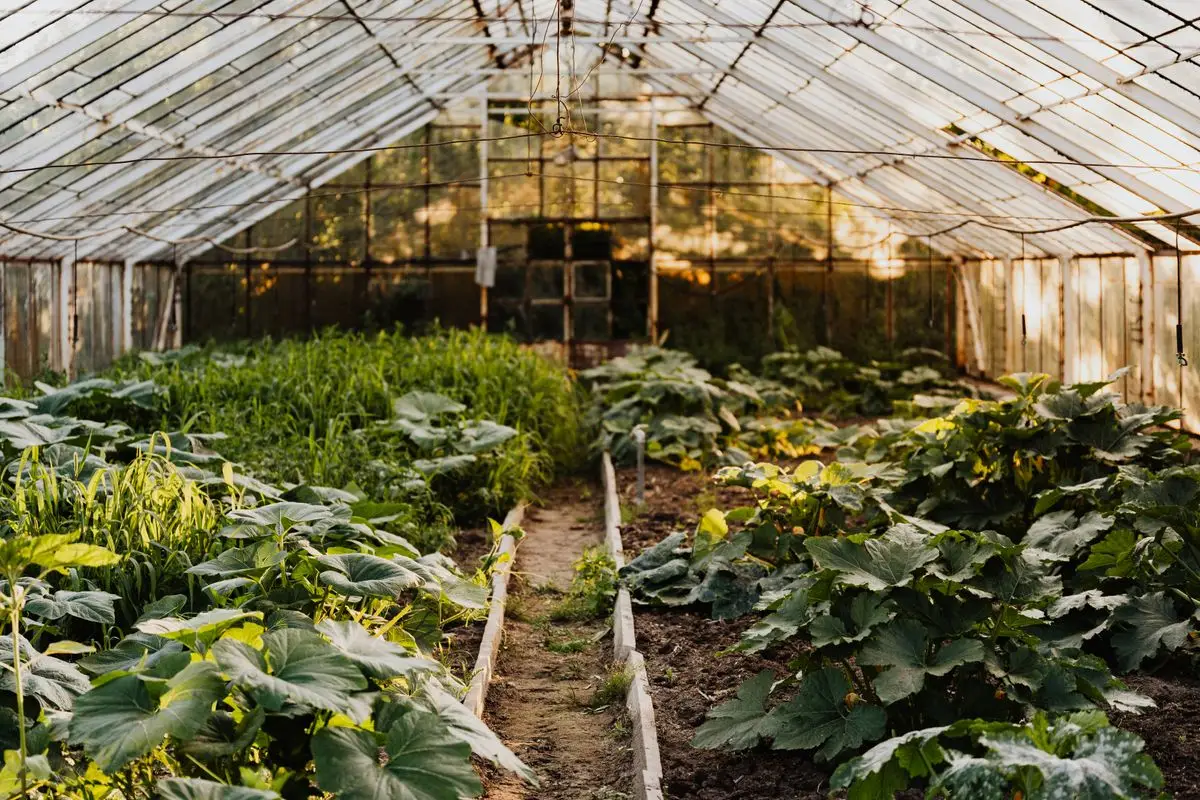
A cold greenhouse in November can still feed you well, and that is the whole appeal of the top 10 winter greenhouse crops to try. With glass or polycarbonate between your plants and the frost, leafy greens keep growing, roots keep swelling, and a tray of microgreens can be ready before your next grocery run.
This guide gives you exactly that. Each crop below comes with sowing and harvest timing, a minimum temperature, light needs, days to harvest, and one practical tip that saves time or prevents a common mistake. Start with two or three crops if this is your first winter, then add more as you learn how your own greenhouse behaves. For a low effort winter garden outside the greenhouse too, see our low maintenance winter garden plants for busy schedules.
Before You Sow: Winter Greenhouse Basics
Winter growing is slower growing, so plan for patience rather than summer speed. Most crops on this list prefer daytime temperatures of 50 to 65 degrees Fahrenheit and will tolerate much colder nights, provided the soil does not freeze solid and the leaves stay dry.
Light matters more than heat for leafy crops. Put trays and pots where they catch the low winter sun, keep the glass clean, and avoid shading plants with stored pots or tall stored canes. Water in the morning only, and water less than you would in summer, because cold soil stays wet for longer.
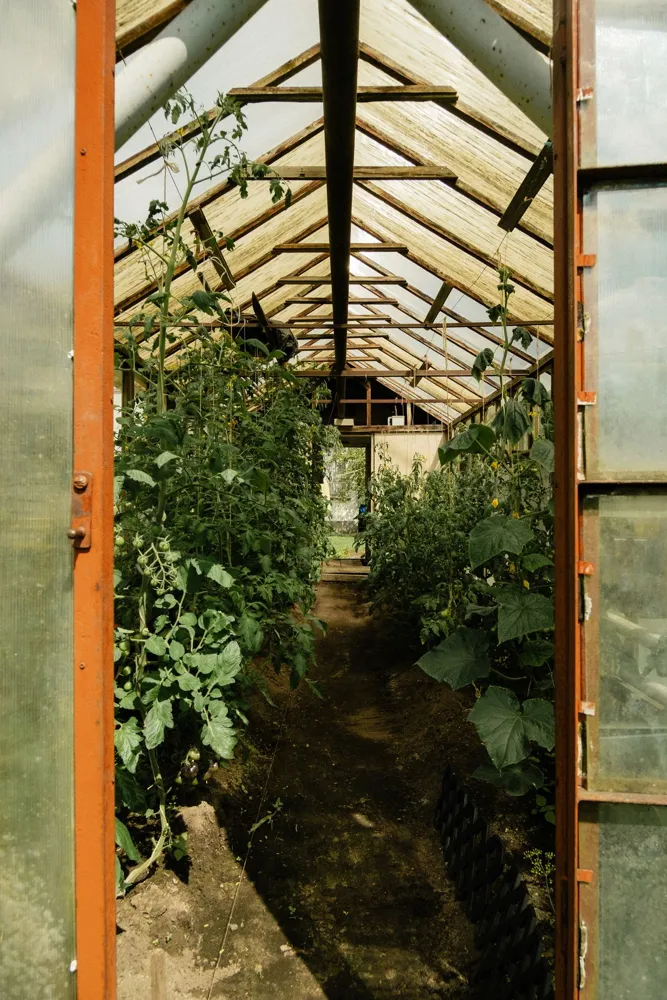
Top 10 Winter Greenhouse Crops to Try: The List
Work through this list in order, or jump straight to the crop you most want to eat. The timings below assume an unheated or lightly heated greenhouse in a temperate climate. In a very cold region, sow two weeks earlier in autumn and add fleece sooner. In a mild region, you can often sow later and harvest for longer.
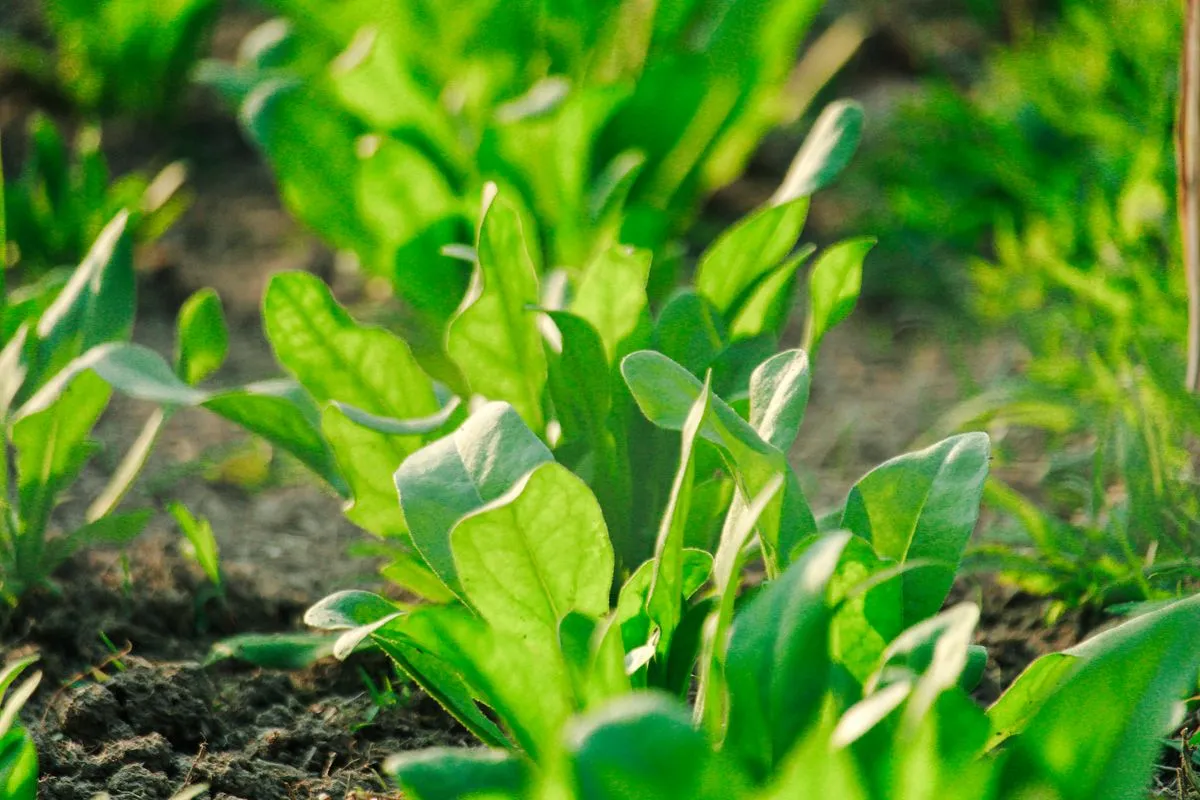
1. Spinach
Spinach is the classic winter greenhouse crop because it prefers cool weather and tastes sweeter after a light frost. Sow Giant Winter or Bloomsdale Long Standing in September and October. Minimum temperature: 20 degrees Fahrenheit, though growth nearly stops below 35 degrees. Light: full winter sun, or at least 4 hours of direct light. Days to harvest: 40 to 50 days, or baby leaves from day 30. Tip: sow one short row every two weeks and pick only outer leaves, so the centre keeps growing.
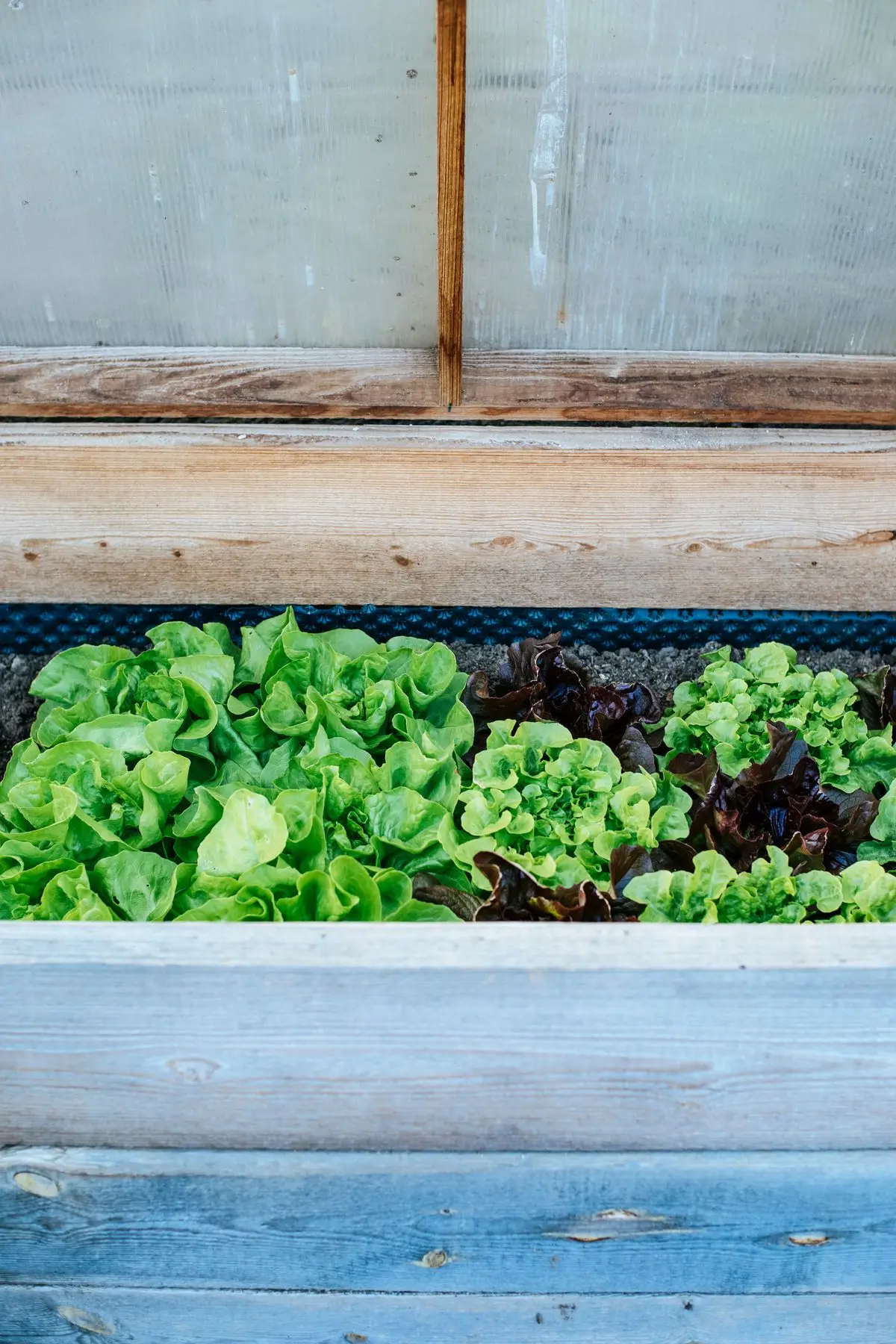
2. Lettuce
Winter lettuce is all about variety choice. Winter Density, Arctic King, and Valdor hold up in cold, short days, while many summer lettuces turn soft or bolt. Sow in September and October, transplant 8 inches apart, and cover with fleece on frosty nights. Minimum temperature: 28 degrees Fahrenheit, with best growth at 45 to 60 degrees. Light: full winter sun if possible. Days to harvest: 50 to 65 days for heads, 30 days for cut and come again leaves. Tip: grow loose leaf types in winter for regular small pickings.
3. Kale
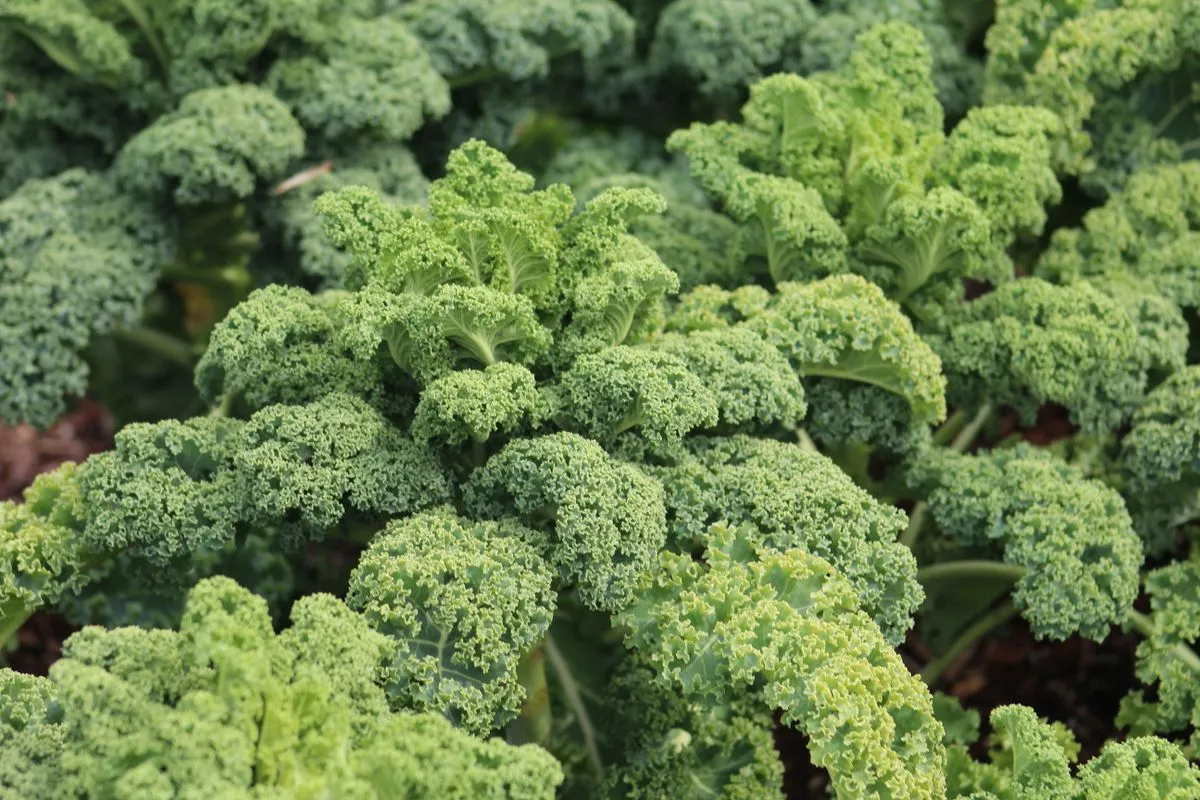
Kale shrugs off cold that would finish most vegetables, and frost improves its flavour by turning starches into sugars. Sow Red Russian or Winterbor in August and September, plant out 18 inches apart, and pick from November to spring. Minimum temperature: 10 degrees Fahrenheit for established plants, though young plants need fleece below 25 degrees. Light: full sun to light shade, with at least 4 hours of direct winter sun. Days to harvest: 55 to 75 days, then pick lower leaves for months. Tip: strip lower leaves first and leave the growing point at the top.
4. Swiss Chard
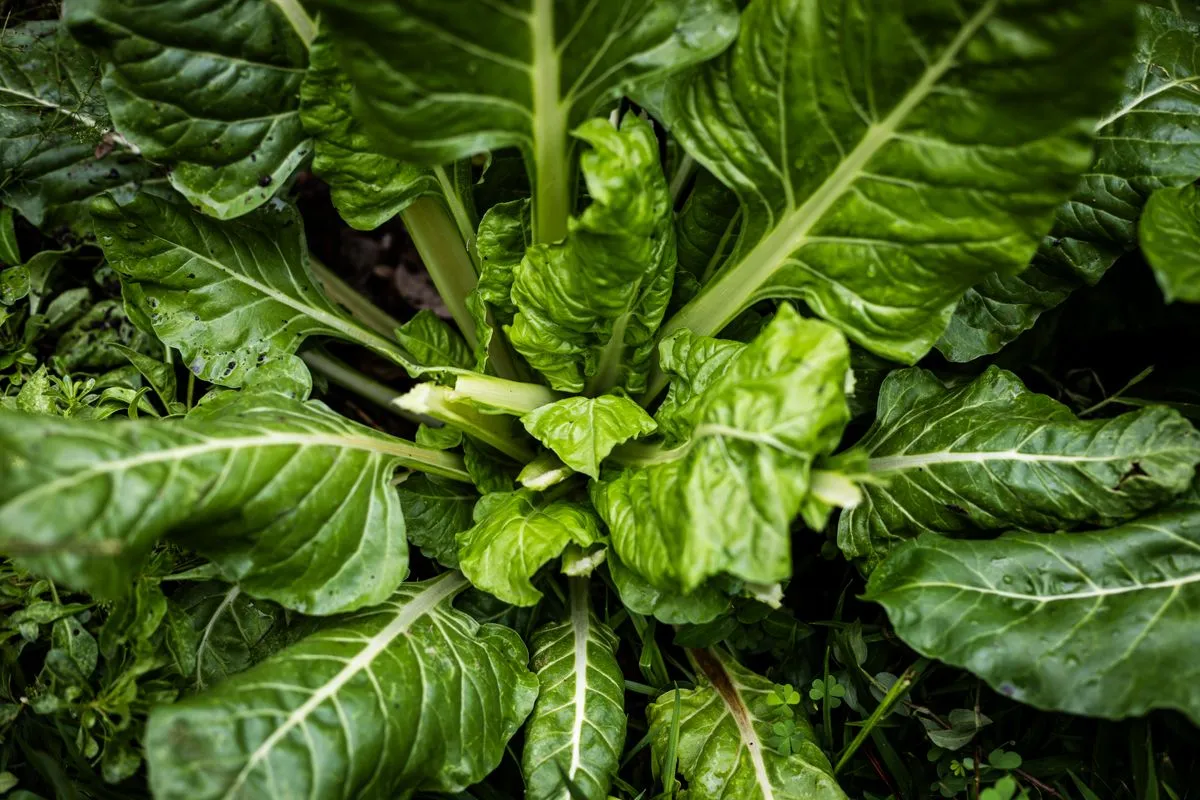
Swiss chard gives you two crops in one: glossy leaves for cooking like spinach, and thick, colourful stems for stir fries. Sow Bright Lights or Fordhook Giant in September, spacing plants 12 inches apart, and cut outer leaves as you need them. Minimum temperature: 15 degrees Fahrenheit for established plants, with fleece recommended below 25 degrees. Light: full sun to partial shade. Days to harvest: 50 to 60 days, with picking continuing for months. Tip: soak seed clusters overnight before sowing, then thin to the strongest seedling.
5. Radishes
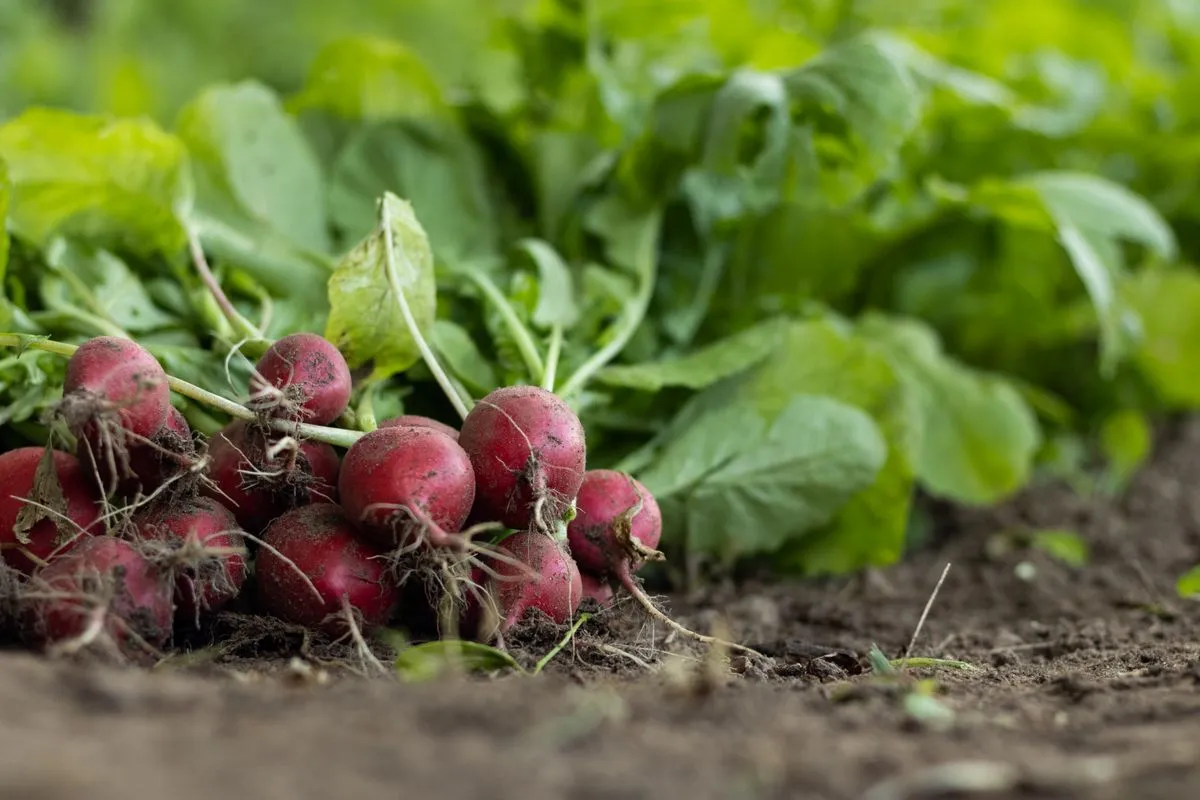
Radishes are the fastest reward on this list, perfect for filling gaps between slower crops. Sow French Breakfast or China Rose in September, October, and again in February, in loose, stone free soil or deep trays. Minimum temperature: 25 degrees Fahrenheit, with steady growth at 40 to 60 degrees. Light: full winter sun. Days to harvest: 25 to 35 days for spring radishes, 50 to 60 days for larger winter types. Tip: thin seedlings to 2 inches apart early, because crowded radishes stay small and turn woody.
6. Carrots
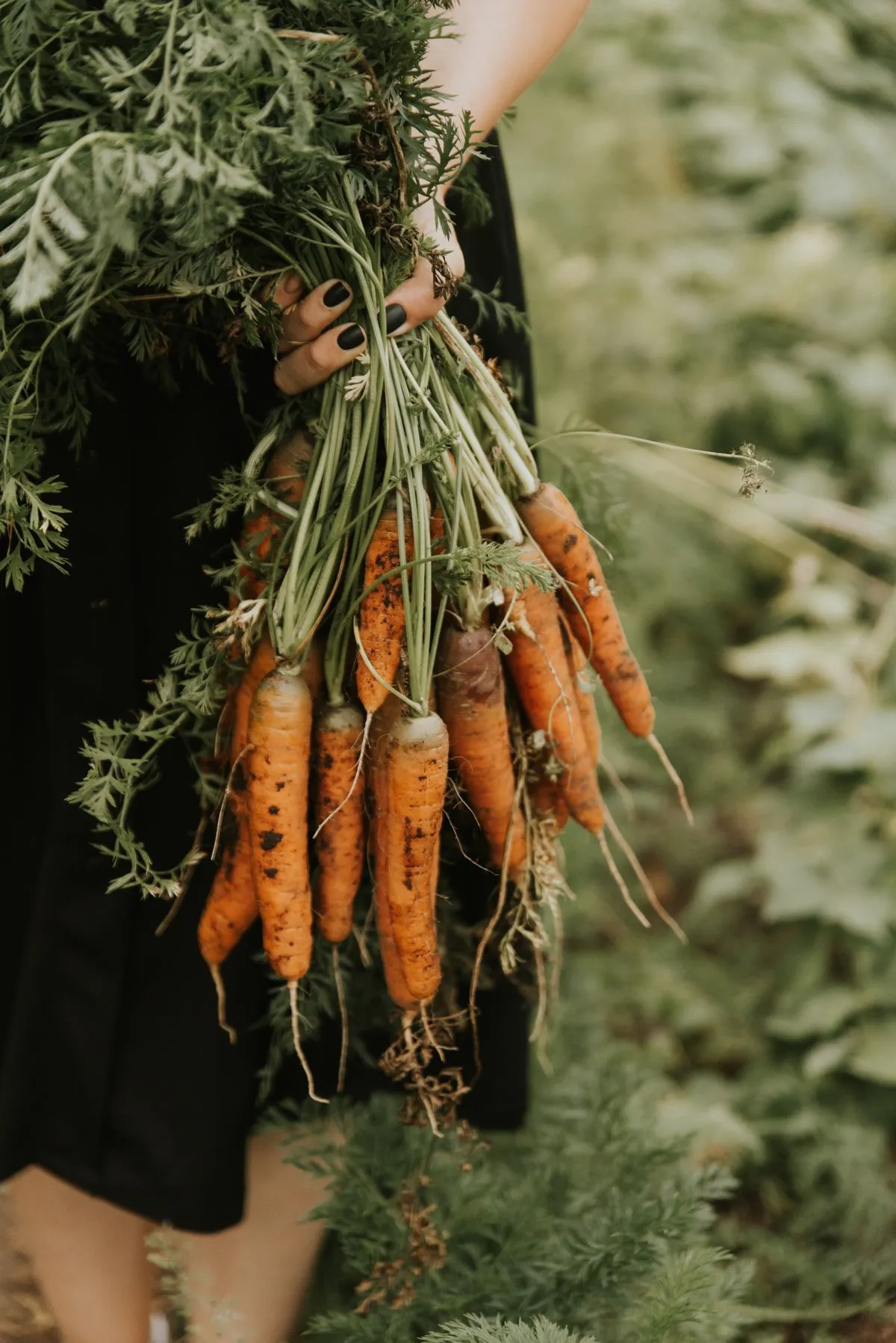
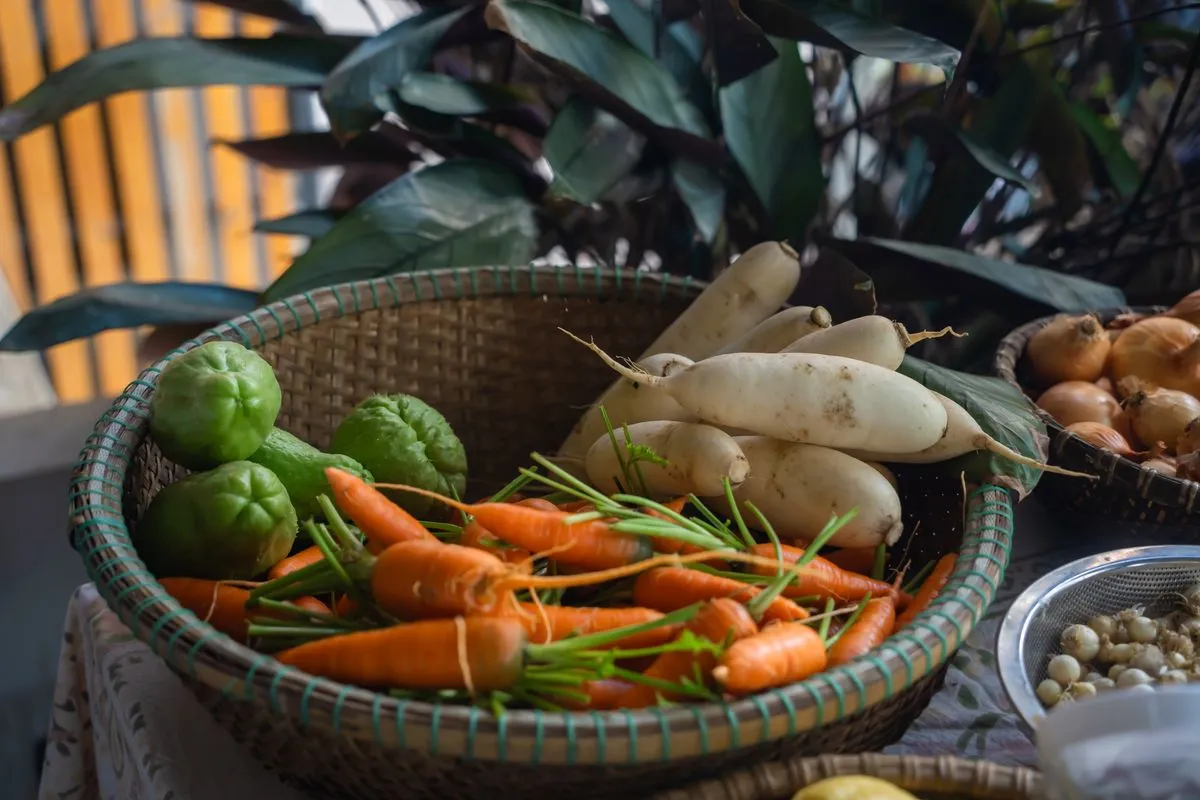
Carrots grown in a greenhouse avoid the worst of carrot fly and frozen ground, and short varieties suit containers perfectly. Sow Paris Market or Chantenay Red Cored in September in pots at least 10 inches deep, filled with light, sandy compost. Minimum temperature: 25 degrees Fahrenheit, with best root growth at 45 to 60 degrees. Light: full sun. Days to harvest: 65 to 80 days, though baby carrots can be pulled from day 50. Tip: keep compost evenly moist, because carrots that dry out and then get soaked tend to split.
7. Beets
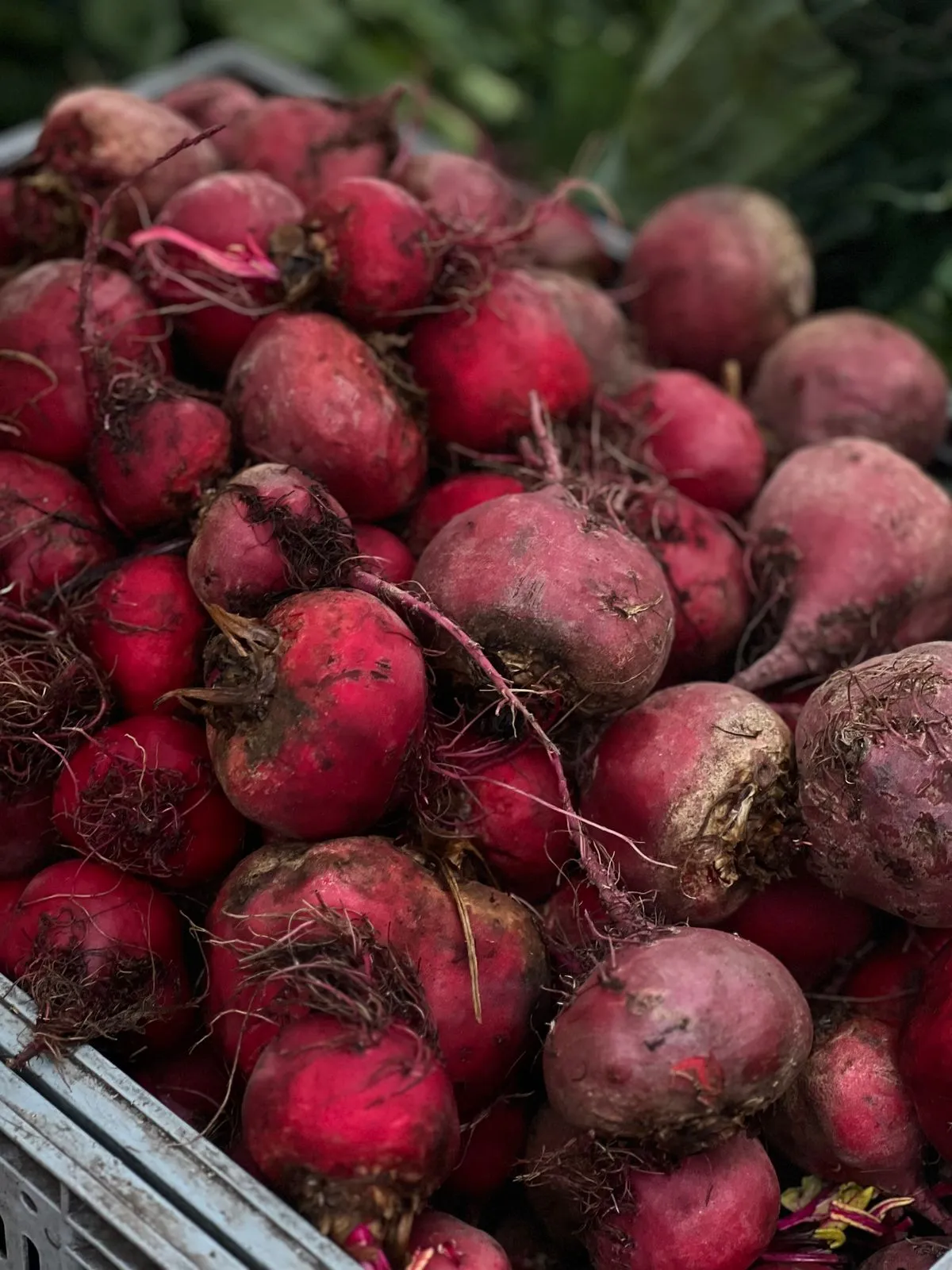
Beets reward you twice, with sweet roots and edible leaves that cook just like chard. Sow Detroit Dark Red or Boltardy in September, 1 inch deep and 4 inches apart, in soil enriched with compost but not fresh manure. Minimum temperature: 25 degrees Fahrenheit, with best growth at 50 to 65 degrees. Light: full sun to light shade. Days to harvest: 55 to 70 days for roots, with leaves ready from day 35. Tip: harvest roots at golf ball to tennis ball size, because oversized beets turn woody.
8. Green Onions
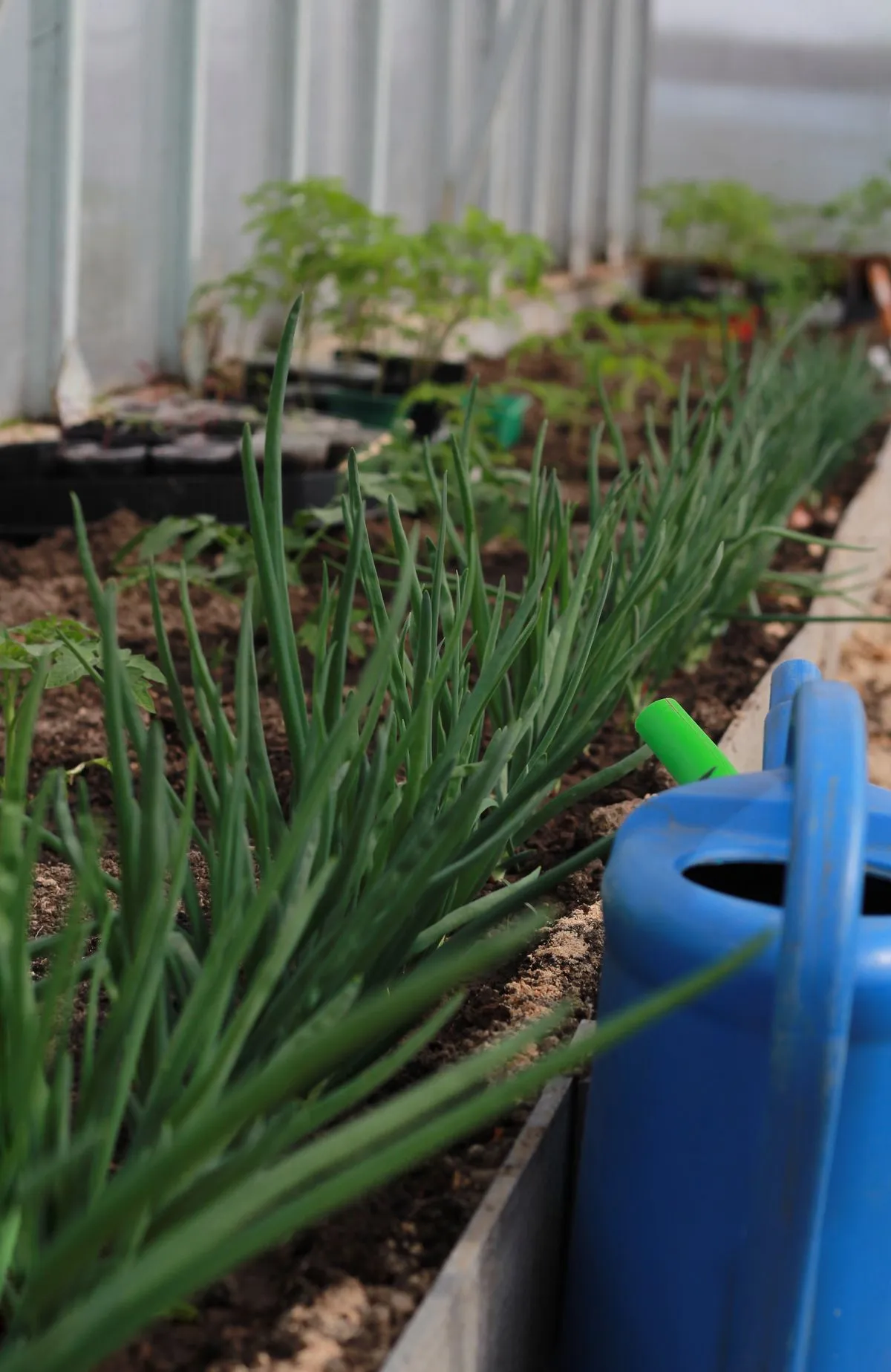
Green onions, also called scallions, are almost embarrassingly easy in a winter greenhouse. Sow White Lisbon in September and October, or plant sets 2 inches apart in trays, and snip what you need for cooking. Minimum temperature: 20 degrees Fahrenheit for established plants. Light: full sun to light shade. Days to harvest: 60 to 70 days from seed, or 30 days from sets, with regrowth after cutting. Tip: cut tops about 1 inch above the soil and leave roots in place for a second and third cutting.
9. Parsley and Cilantro
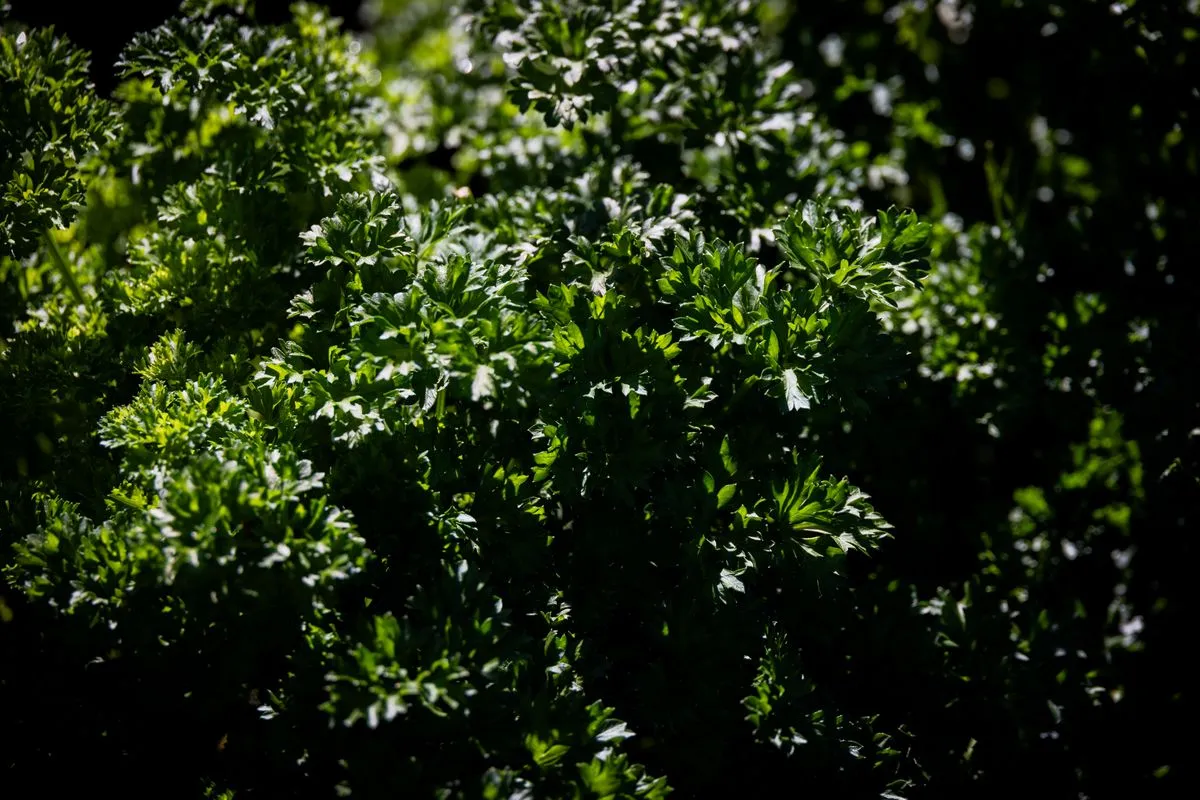
Fresh herbs transform winter cooking, and parsley and cilantro are the most reliable herbs for an unheated greenhouse. Sow flat leaf parsley in August and September, since it is slow to germinate, and sow cilantro in September and again in February. Minimum temperature: 20 degrees Fahrenheit for parsley, 25 degrees for cilantro. Light: full sun to partial shade, with at least 4 hours of bright light. Days to harvest: 70 to 90 days for parsley, 50 to 60 days for cilantro. Tip: grow herbs in pots so you can move them to the sunniest spot, and pinch tops regularly to keep plants bushy. If you also overwinter lavender, our guide to lavender in winter covers the same sunny, well drained approach.
10. Microgreens
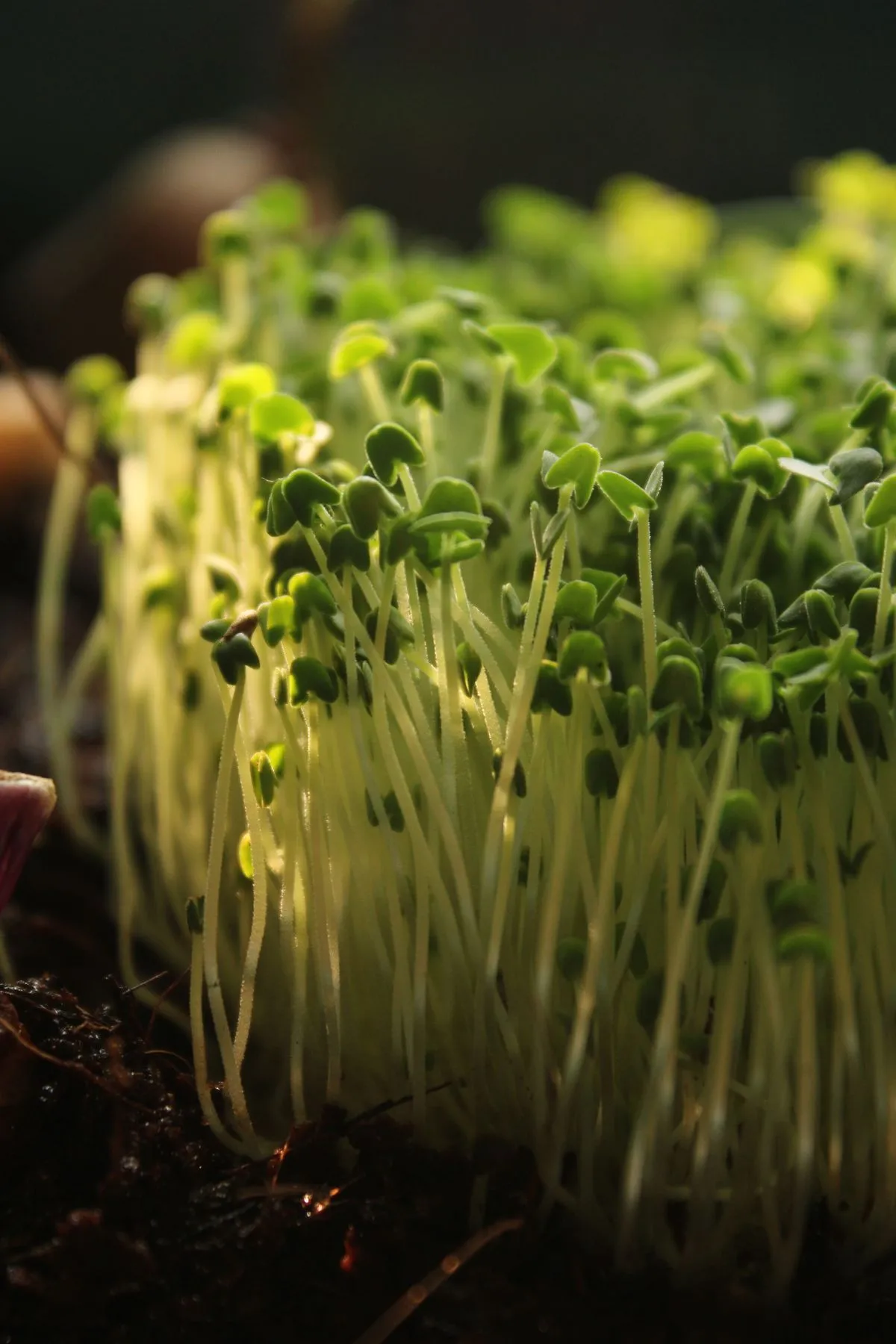
Microgreens are the emergency crop of winter: sow today, harvest in a week or two, and repeat all season on a windowsill or greenhouse bench. Use radish, broccoli, mustard, sunflower, or pea seeds, sown thickly on 1 inch of fine compost in a shallow tray. Minimum temperature: 40 degrees Fahrenheit, since young plants need steady, mild growth rather than frost tolerance. Light: bright light, or an LED grow light 6 inches above the tray for 12 to 14 hours a day in deep winter. Days to harvest: 7 to 14 days, cut just above the soil when first true leaves appear. Tip: water from below by standing the tray in a shallow dish, which keeps leaves dry and reduces mould. Small space growers can also borrow ideas from our winter garden balcony ideas for a cosy plant filled space.
Winter Greenhouse Sowing Calendar
Use this simple calendar to plan backwards from when you want to eat, rather than sowing everything on the same day. September is the main sowing month for overwintering crops, October is for fast leafy top ups, and February is when the whole cycle starts again.
August to September: sow kale, parsley, beets, and carrots. September to October: sow spinach, lettuce, Swiss chard, radishes, and green onions. November to January: sow microgreens every week, and start lettuce and radishes under cover in mild areas. February: sow a fresh round of spinach, lettuce, radishes, cilantro, and green onions for spring harvests.
Harvesting Little and Often Through Winter
The secret to a productive winter greenhouse is picking little and often, not waiting for a single big harvest. Cut outer leaves of spinach, chard, and kale, snip herbs from the top, and pull only the radishes and carrots you need for the next meal.
Frequently Asked Questions
What are the easiest top 10 winter greenhouse crops to try for a beginner?
Start with spinach, lettuce, radishes, green onions, and microgreens.
Do winter greenhouse crops need heating?
Most crops on this list do not need heating, only frost protection.
How much light do winter greenhouse crops need?
Aim for as much natural light as your greenhouse allows, and keep the glass clean through winter. Leafy crops manage on 4 to 6 hours of bright light, while root crops and herbs do better with full winter sun.
Can I grow these crops in a small greenhouse or cold frame?
Yes, provided you choose compact varieties and use containers. Short carrots, loose leaf lettuce, radishes, green onions, and microgreens all suit pots and trays, and a cold frame with a fleece cover behaves much like a small unheated greenhouse.
When should I sow winter greenhouse crops?
Sow the main overwintering crops in August and September, so plants are well established before day length drops. Sow fast crops like radishes and microgreens through autumn and winter, and start the next round in February. If you missed September, start with microgreens and lettuce now and plan the full list for next autumn.
Conclusion
The top 10 winter greenhouse crops to try prove that the growing season does not have to end with the first frost. Pick a few reliable leafy greens, add one or two root crops for variety, keep a tray of microgreens going for quick harvests, and you will eat from your greenhouse in every cold month. Sow early, water in the morning, fleece on frosty nights, and pick little and often. That simple routine, repeated through winter, turns a quiet greenhouse into the most useful room in the garden.