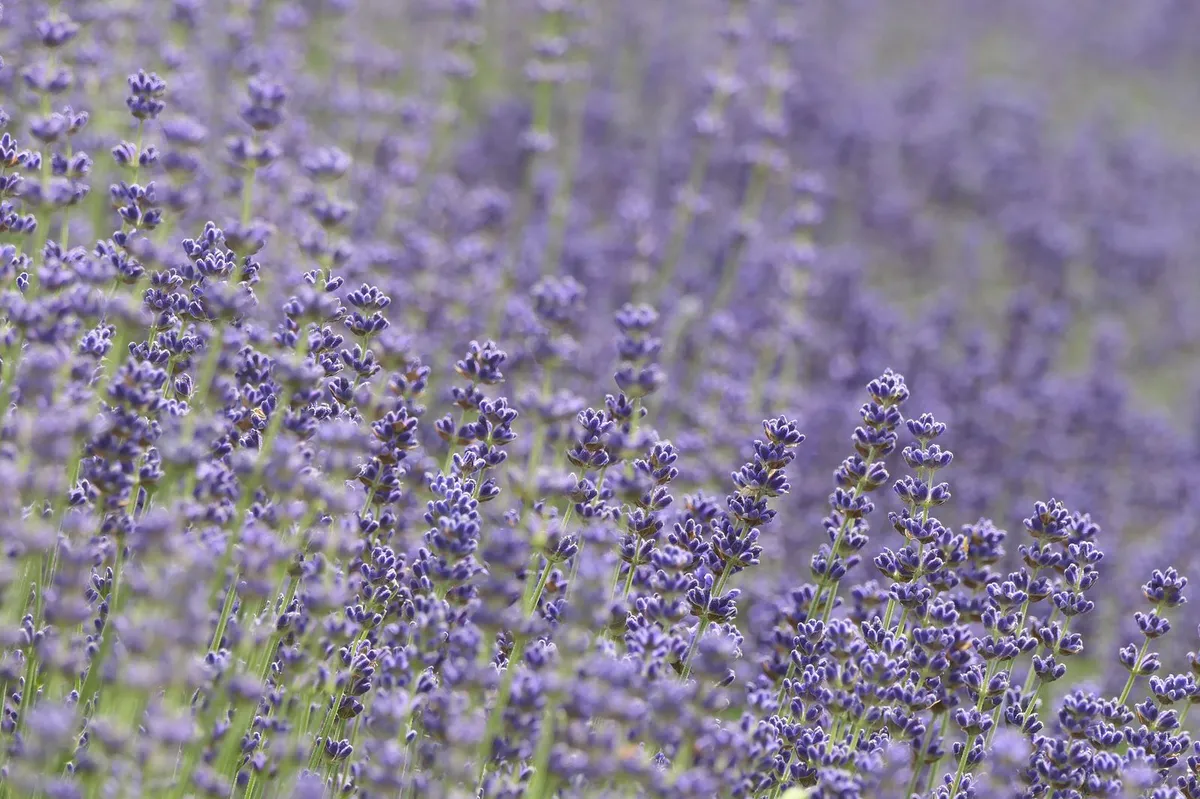
Lavender in winter worries a lot of gardeners, and for good reason. One cold, wet January can turn a fragrant summer border into a row of grey, lifeless stems. The good news is that most winter deaths are preventable. Cold alone rarely kills a healthy plant. What kills it is usually wet soil, a hard freeze after a warm spell, or a variety planted in the wrong climate. With a few simple steps before the first hard frost, you can give your plants a real chance of coming back strong in spring.
In this guide you will learn how to identify your variety, when to stop feeding and pruning, and how to overwinter pots safely.
1. Know Your Variety Before the First Frost
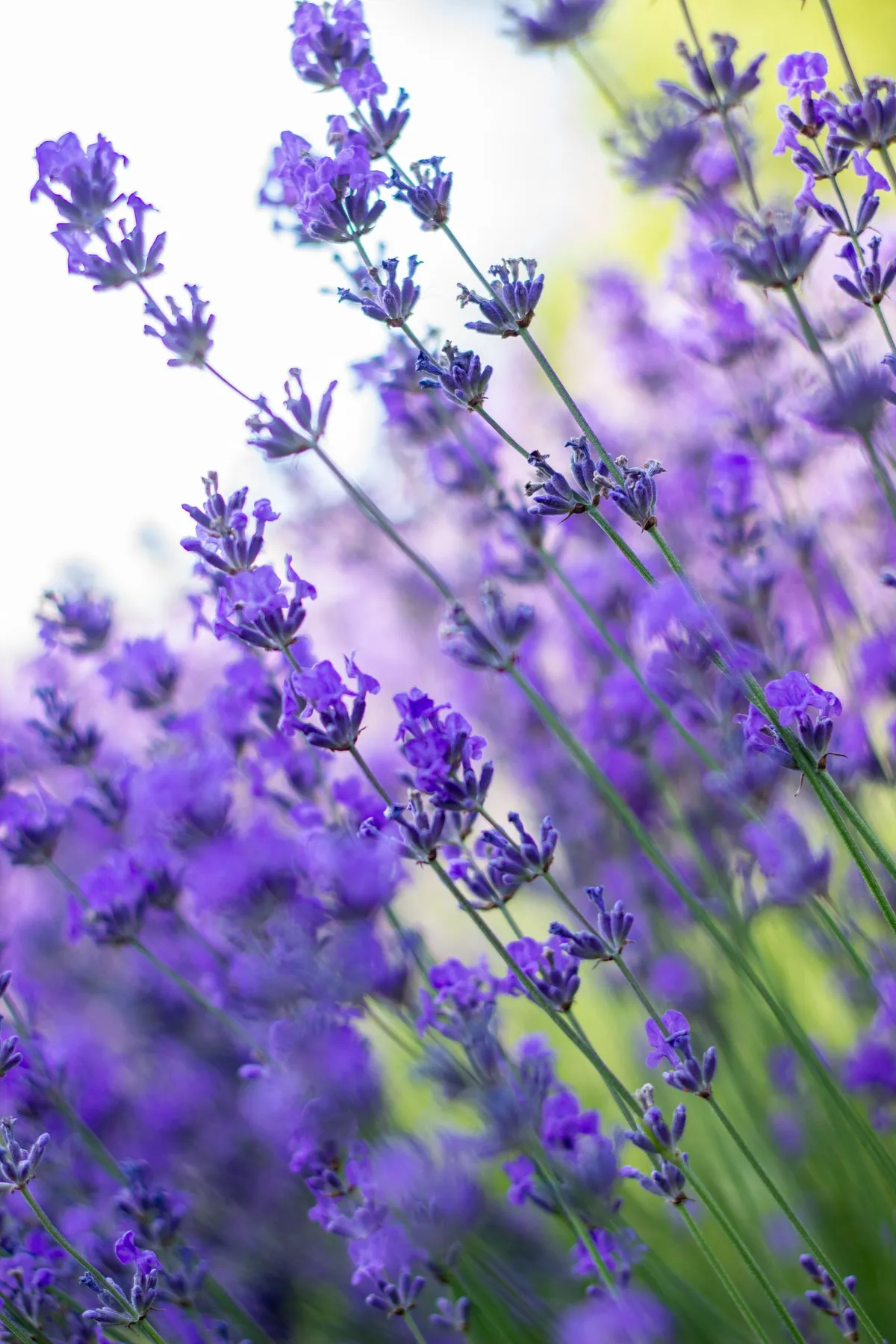
Not all lavender handles cold the same way, so identification comes first. English lavender (Lavandula angustifolia), including Hidcote, Munstead, and Phenomenal, is the hardiest group and survives down to about minus 20 degrees Fahrenheit, roughly USDA zones 5 to 9, when drainage is good. French lavender (Lavandula stoechas) and Spanish lavender (Lavandula pedunculata) are far more tender and often struggle below 10 to 15 degrees Fahrenheit, so they suit zones 8 to 10 unless given serious protection. Lavandin hybrids such as Grosso and Provence sit in between, usually hardy to about minus 10 degrees Fahrenheit. If you lost the label, look at the flowers: English types have slim spikes, while French and Spanish types carry showy bracts on top of each spike.
2. Stop Feeding and Ease Off Water in Fall
Stop fertilizing by late summer, around six to eight weeks before your average first frost date. Fertilizer pushes soft, leafy growth that freezes easily, while a plant that has slowed down naturally hardens off and copes far better. The same logic applies to water. From early fall onward, water only when the top 2 inches of soil feel dry, and skip watering during rainy spells. If soil stays damp for days after rain, fix the drainage in section 5 before winter sets in.
3. Prune Lightly in Early Fall, Save Hard Pruning for Spring
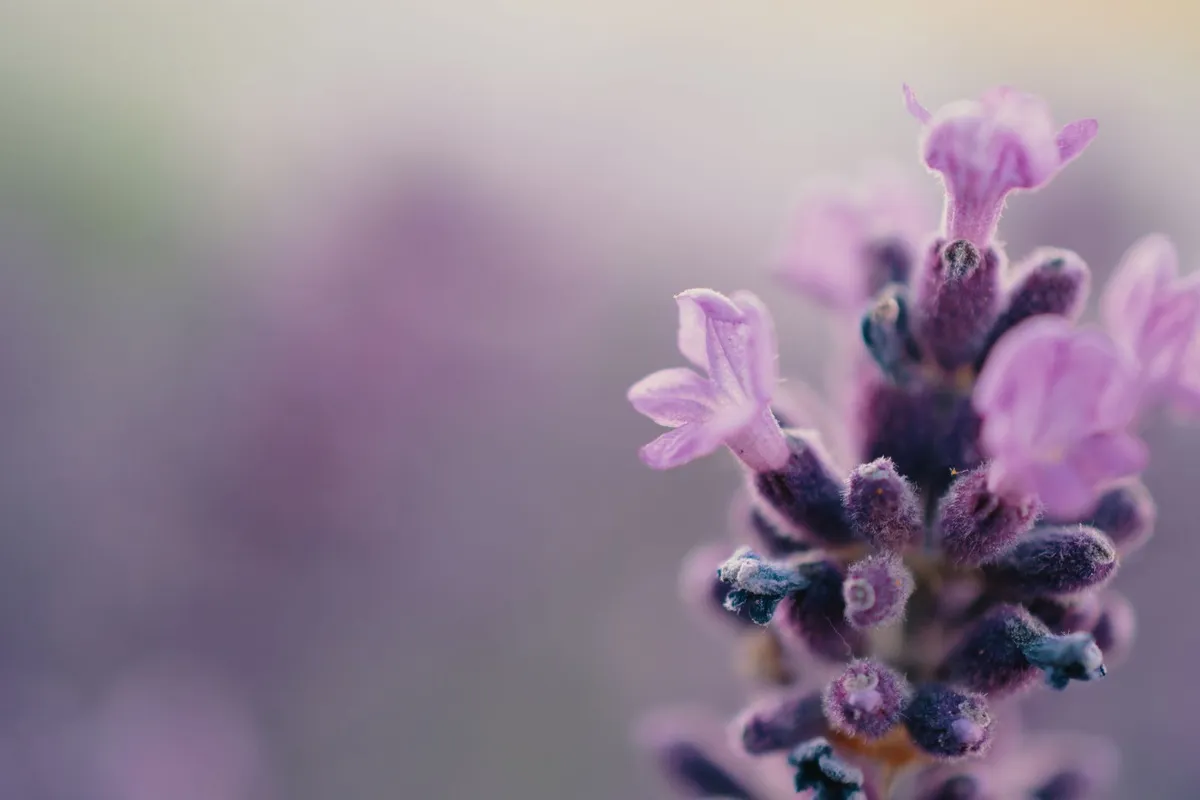
Give lavender a light tidy in early fall, no later than six weeks before your first expected frost. Snip off spent flower stems and trim straggly shoots by an inch or two, but never cut into old, bare wood with no green leaves. Those leafy stems shield the crown from frost and wind. Hard pruning belongs in spring, once new green growth shows at the base, usually in April.
4. Mulch the Crown, Not the Stems
After the ground has cooled in late fall, spread 2 to 3 inches of light, airy mulch such as pea gravel, coarse bark, or pine needles around the base of each plant. Keep the mulch a couple of inches away from the woody stems so moisture does not sit against them and cause rot. Gravel mulch is an excellent choice because it drains fast and keeps the crown dry. If you already mulched in summer, check the depth and pull material away from stem contact.
5. Give In-Ground Plants Sharp Drainage
Winter wet kills more lavender than winter cold. If your plants sit in heavy clay or a low spot where water pools, fix the drainage in fall while the soil is still workable. Dig coarse grit or horticultural sand into the root zone, and consider raising the bed by 6 to 8 inches for new plants. Test your spot: dig a hole 12 inches deep, fill it with water, and if water still stands after four hours, the spot is too wet without amendment. Raised beds and gentle slopes overwinter far better than flat, heavy soil.
6. Wrap Tender Lavender in Breathable Frost Cloth
For French and Spanish lavender, and for any plant in a marginal zone, a breathable cover makes a real difference on the coldest nights. Drape horticultural fleece or frost cloth loosely over the plant, letting it reach the ground on all sides so warmth from the soil stays trapped inside. Avoid plastic sheeting on foliage, because it traps moisture and can scorch plants on sunny days. On nights below 15 degrees Fahrenheit, add a second layer of fleece, and remove covers during mild spells so air can circulate.
7. Build a Simple Windbreak
Cold wind dries out lavender foliage faster than still cold air, and winter windburn often shows up as brown, crispy leaves in spring. A low fence, hedge, or a few straw bales on the windward side will slow the wind. Burlap stretched between two stakes, set about 12 inches from the plants, works well and costs very little. Do not wrap plants tightly, since trapped damp air invites disease.
8. Move Containers to a Sheltered Spot
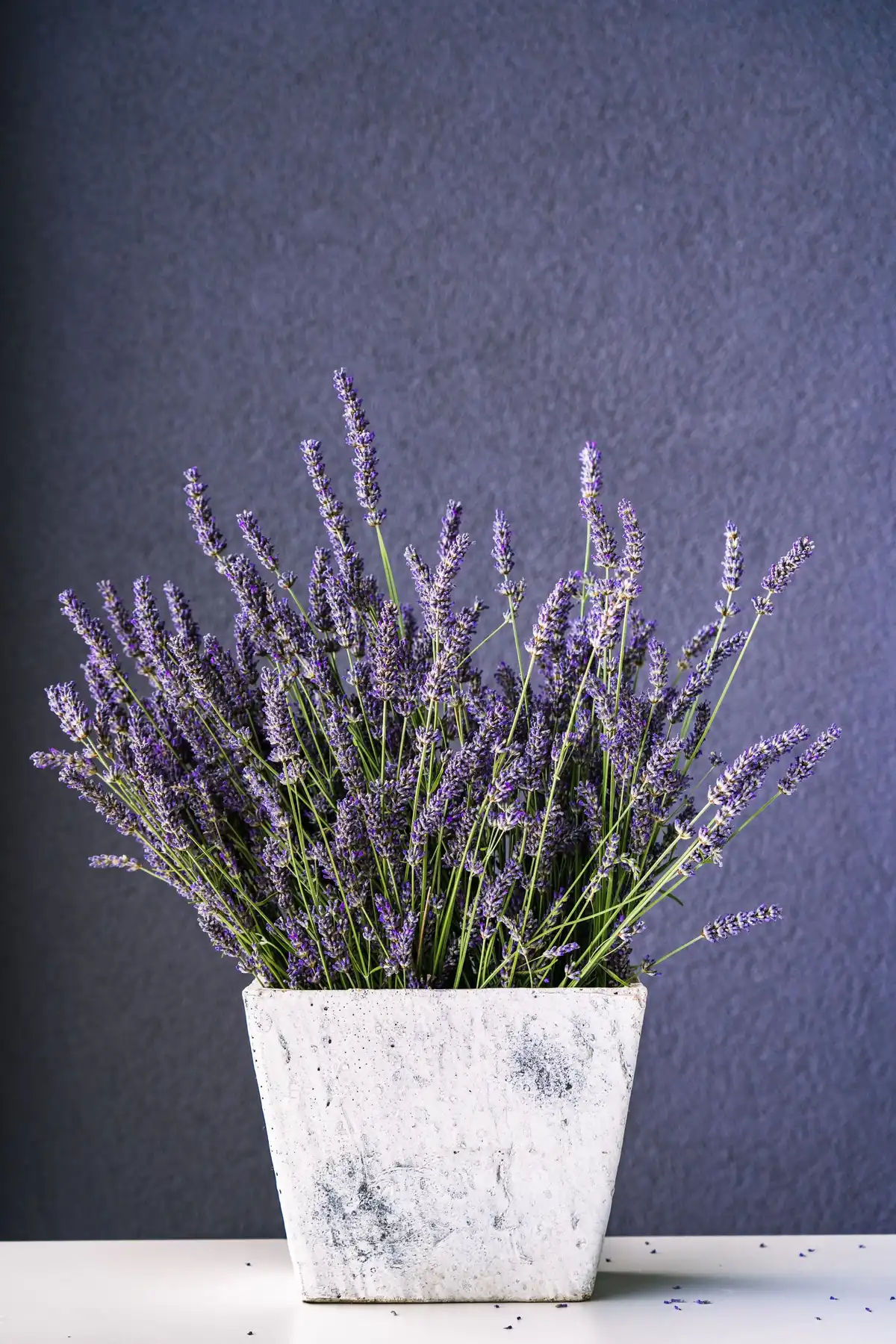
Potted lavender faces winter differently from garden plants because roots in a pot freeze much faster than roots in the ground. A pot that would survive in a border can freeze solid overnight on an exposed patio. Before the first hard frost, move containers against a south or west facing wall, under a porch overhang, or into a cold frame. Group pots together for insulation, raise them on pot feet for drainage, and use pots at least 12 to 14 inches wide, since larger pots freeze more slowly.
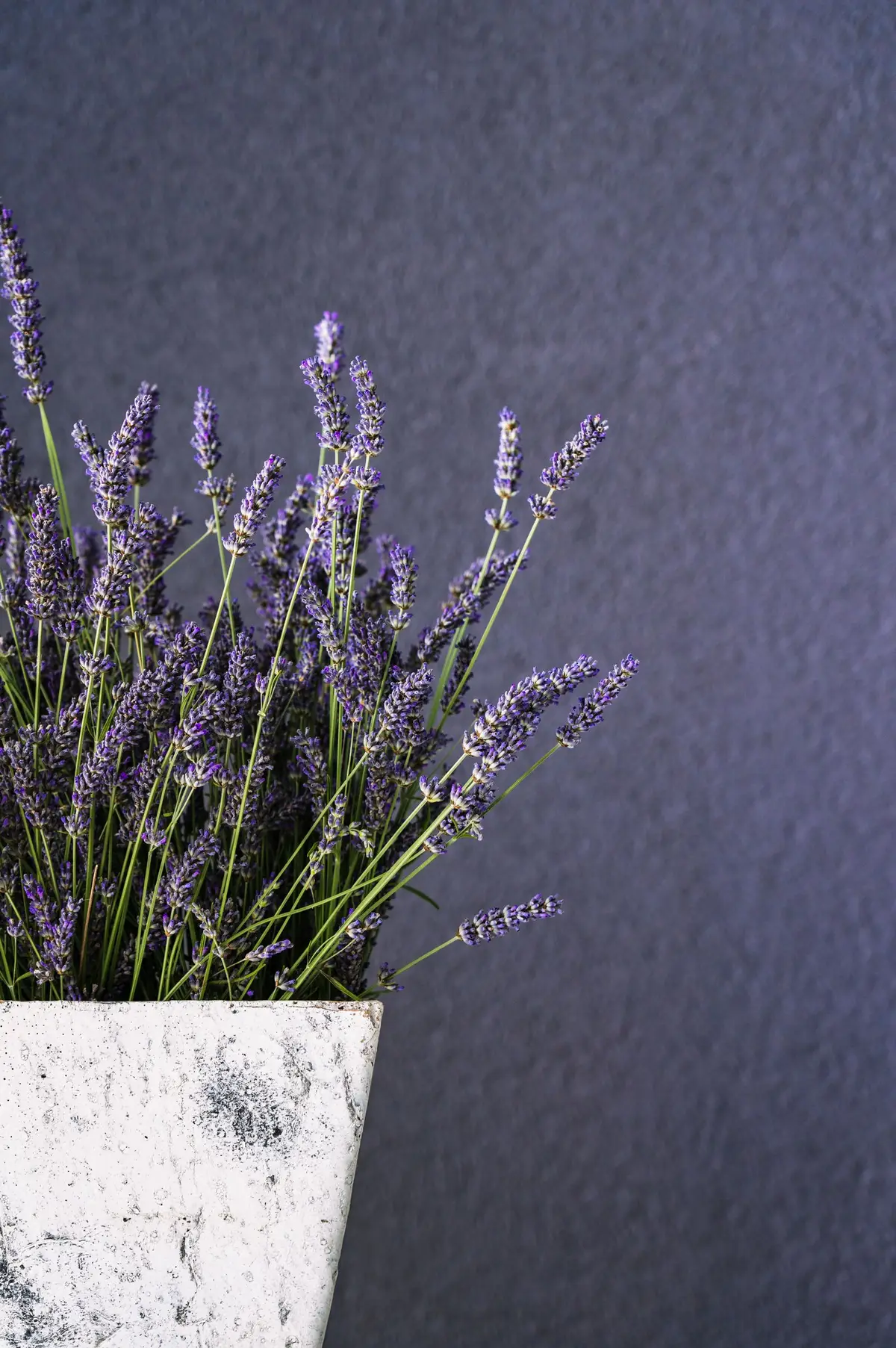
9. Overwinter Pots in an Unheated Garage or Shed
For tender varieties, or in zones colder than your plant can handle, an unheated garage or shed is the safest winter home. Move pots inside once nights regularly fall below 25 degrees Fahrenheit, placing them where they get some daylight. Aim for cold but not frozen solid, roughly 35 to 45 degrees Fahrenheit. Never use a heated room, since warm air breaks dormancy and produces weak growth. Water sparingly, perhaps once every three to four weeks, and move plants back outside gradually after the last frost.
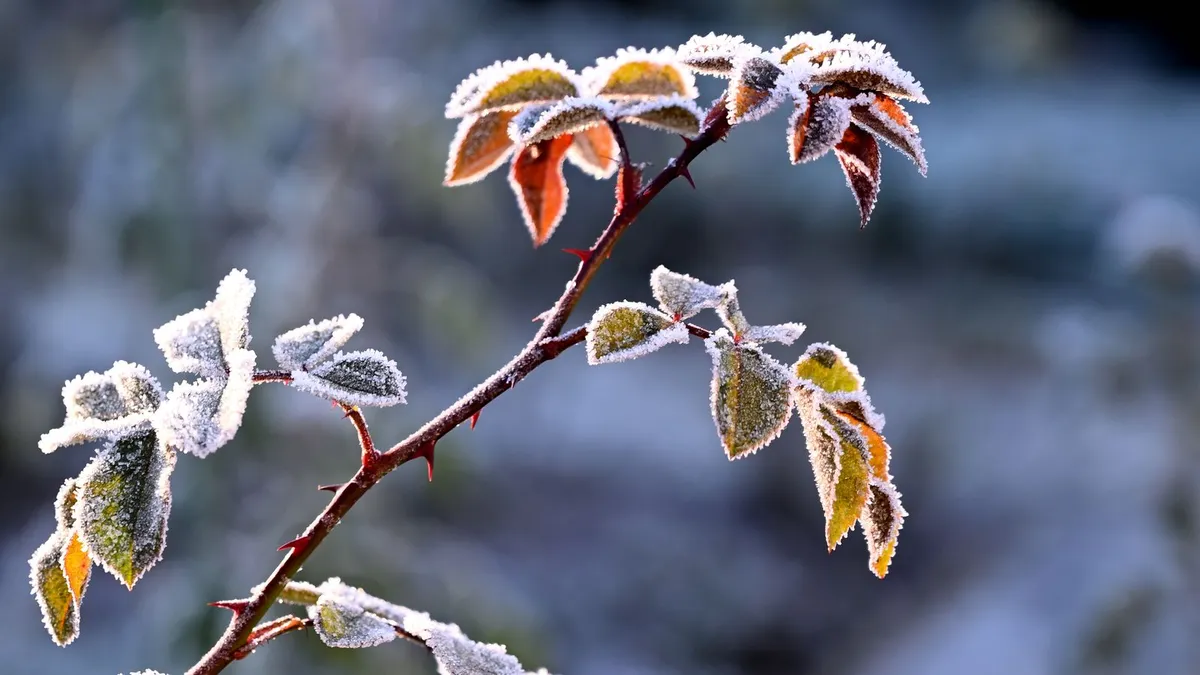
10. Water Sparingly Through Winter
Winter watering is a balancing act. Lavender is dormant and uses very little water, but roots in pots can still dry out during long dry spells, especially in a garage or under a porch roof. Check container soil every two to three weeks and water lightly only if dry several inches down. In-ground plants usually get enough from nature, and extra watering often does harm. Never water when the ground is frozen or a hard freeze is forecast that night.
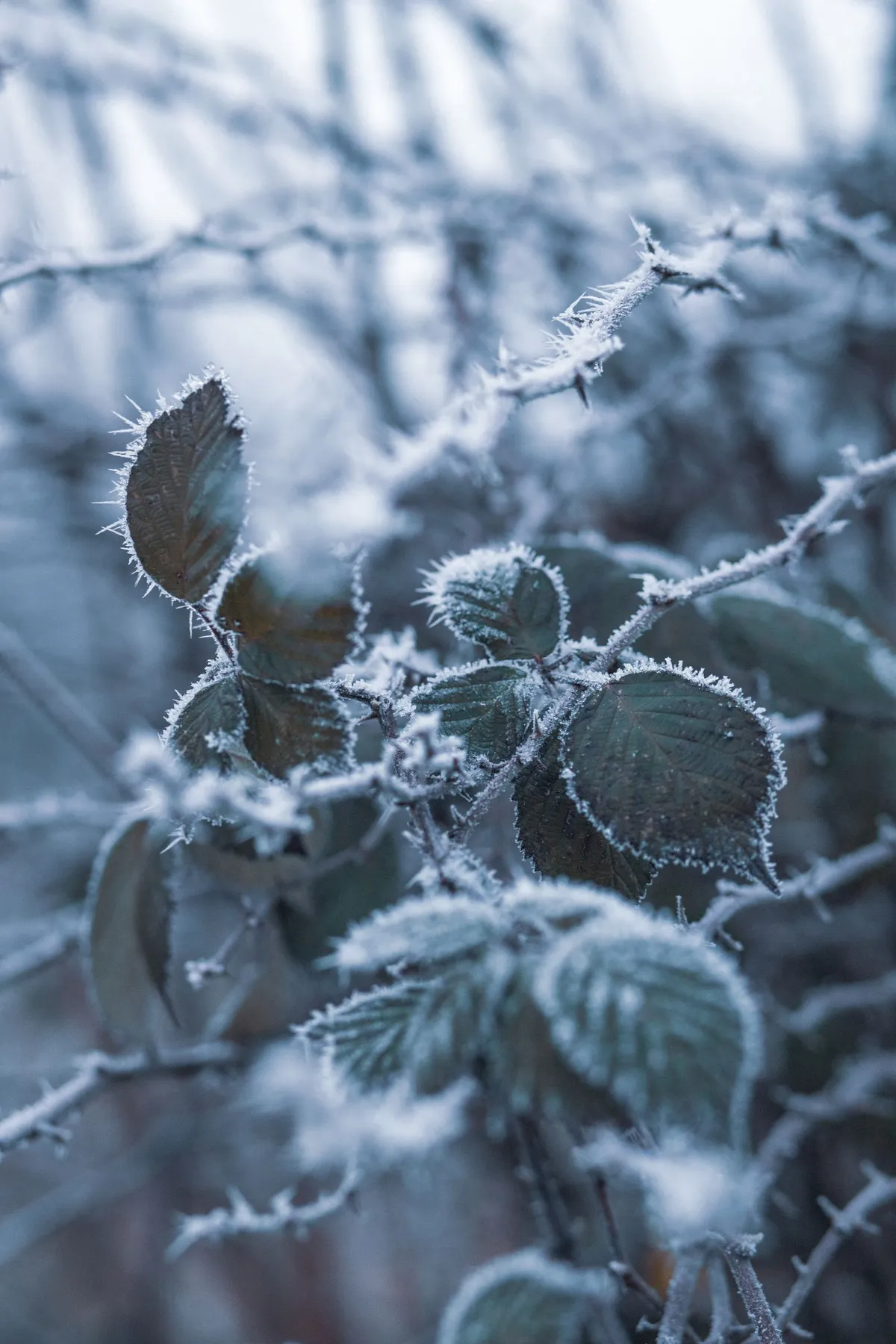
11. Watch for Snow, Ice, and Freeze-Thaw Cycles
Light snow actually insulates lavender, so leave it in place. The real danger is the freeze-thaw cycle: warm days melting snow, followed by nights refreezing wet soil, which heaves roots and cracks stems. Mulch steadies soil temperature. After an ice storm, never break ice off frozen stems, since brittle branches snap easily.
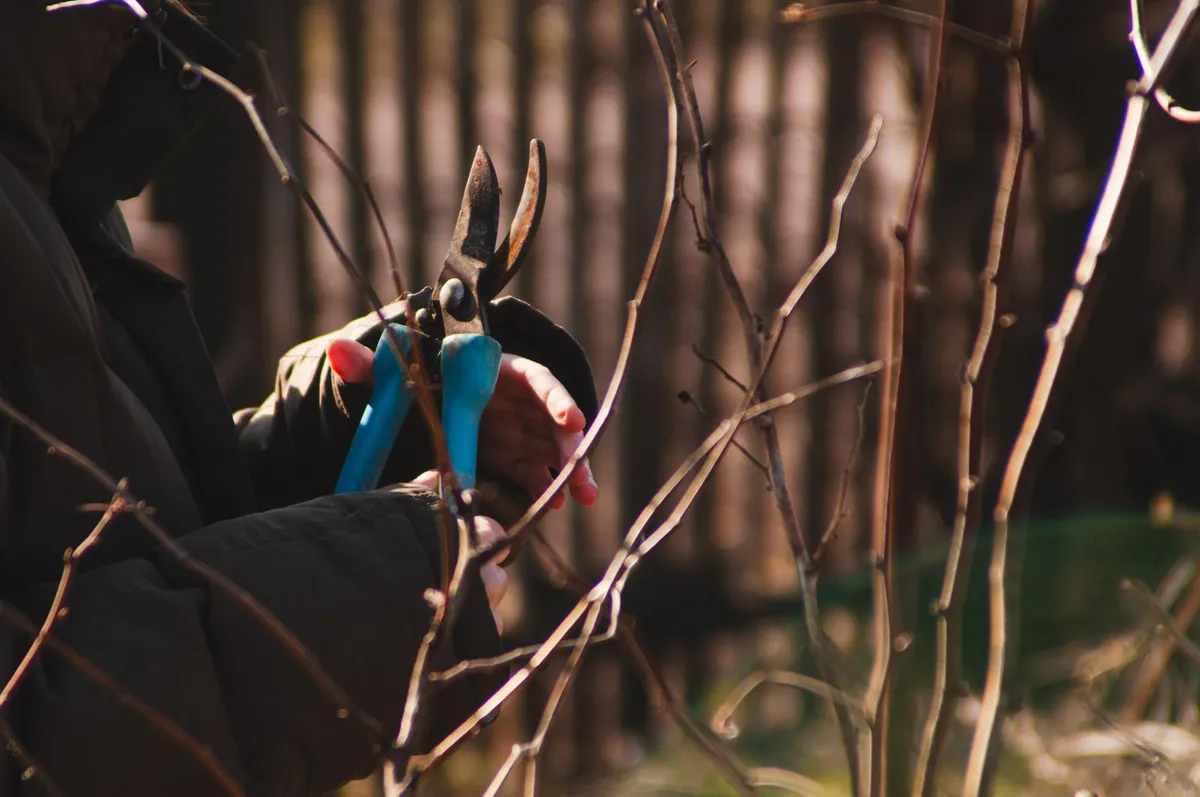
12. Wake Plants Up Gently in Spring
Do not rush spring care. Wait until the risk of hard frost has passed and you can see fresh green growth at the base, usually in April. Then remove covers and mulch gradually over a week or two, so new growth is not shocked by a late cold snap. Prune dead stems back to live green wood, shape the plant into a low mound, and resume normal watering as growth picks up. Some plants look dead in March but sprout in May, so wait until late spring before deciding a plant is gone.
Lavender in Winter Hardiness at a Glance
Hardiness figures below assume good drainage and established plants; young plants in their first winter always need extra care.
| Variety group | Examples | Typical low temperature | USDA zones |
|---|---|---|---|
| English lavender | Hidcote, Munstead, Phenomenal | About minus 20 degrees Fahrenheit | 5 to 9 |
| Lavandin hybrids | Grosso, Provence | About minus 10 degrees Fahrenheit | 5 to 9 |
| French lavender | Anouk, Ballerina | About 10 to 15 degrees Fahrenheit | 8 to 10 |
| Spanish lavender | Primavera, Kew Red | About 10 to 15 degrees Fahrenheit | 8 to 10 |
If you garden in a colder zone than your variety prefers, treat the plant as a container plant and overwinter it under cover. For more cold season planning, see our easy winter garden ideas for beginners and the December garden to do list, which pair well with this winter care routine.
Common Mistakes That Kill Lavender in Winter
The most common mistakes are overwatering, wrapping plants in plastic that traps moisture, and cutting hard in autumn, which removes the leafy cover shielding the crown. Planting in a low, wet corner and hoping mulch alone will save it is another error; drainage must come first. Many gardeners also give up too early in spring, so check for green shoots before pulling a plant out. If you love seasonal color, our guides to chrysanthemums blooming through fall and creating stunning fall planters will help you plan the beds around your lavender.
Frequently Asked Questions
Can lavender survive winter outside?
Yes, English lavender and lavandins survive outside in zones 5 to 9 with sharp drainage and mulch. French and Spanish lavender are tender and usually need shelter, frost cloth, or an unheated garage below zone 8.
Should I cut back lavender before winter?
Only lightly. Remove spent flower stems and tidy straggly shoots in early fall, but leave most leafy growth in place to protect the crown. Save hard pruning for spring, once new green growth shows and the risk of hard frost has passed.
How do I protect lavender in pots over winter?
Move pots to a sheltered wall, porch, or cold frame, group them together, and raise them on pot feet. For tender varieties or very cold regions, use an unheated garage or shed at roughly 35 to 45 degrees Fahrenheit, watering only once every few weeks.
Does lavender need to be covered in winter?
Hardy English lavender in a suitable zone usually needs only mulch, not a cover. Tender varieties, young plants, and plants in exposed or marginal sites benefit from breathable frost cloth on the coldest nights. Never cover lavender with plastic laid directly on the foliage.
Why did my lavender die over winter?
The usual causes are wet soil and root rot, a hard freeze after autumn feeding or pruning, or a tender variety in too cold a zone. No green shoots at the base by late May is the reliable sign the plant is truly gone.
Conclusion
Lavender in winter does not need complicated care, just the right care at the right time. Identify your variety, stop feeding in time, mulch lightly, fix drainage, and protect tender plants and pots before the first hard freeze. Start this weekend by checking your variety, your mulch, and your pots.