
Nothing says autumn in the garden quite like chrysanthemums. By October, the summer perennials are fading, the vegetable beds are thinning out, and mums step into the spotlight with those rich reds, golds, and bronze tones that make a porch or flower bed glow. The frustrating part? Store-bought mums often quit after two or three weeks, right when you want them at their best. This guide on chrysanthemum blooming through fall fixes that, with ten concrete steps that keep your mums flowering from Labor Day right up to (and often through) the first hard frost.
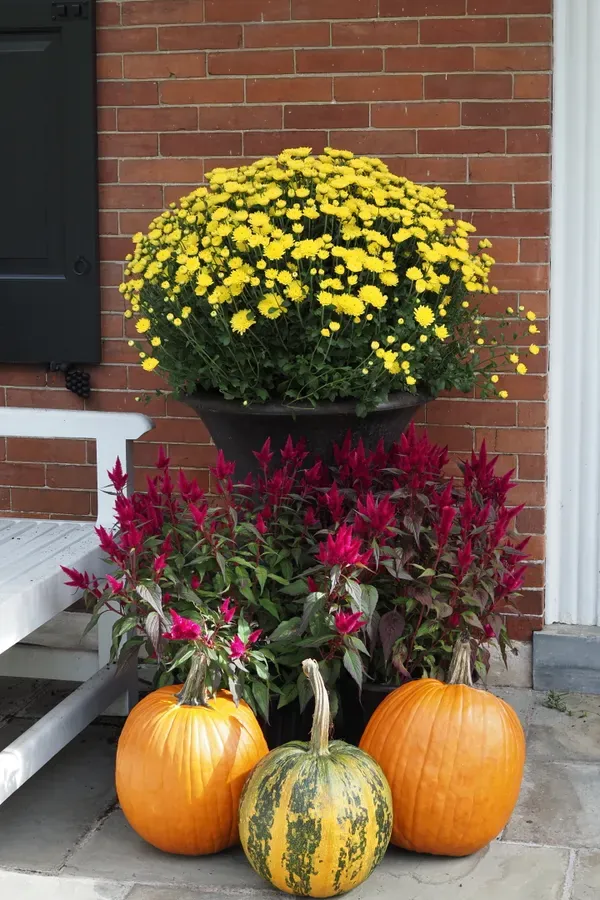
The good news is that mums are not fussy plants. Most short bloom seasons are caused by a handful of avoidable mistakes: buying the wrong type, planting too late, watering the foliage, or skipping the simple pinching routine that turns a leggy plant into a dome of flowers. Get the basics right and a single mum can carry hundreds of buds for six to eight weeks.
First, Know Which Mums You Are Buying
Walk into any garden center in September and you will see two kinds of mums that look nearly identical on the bench but behave very differently in the ground. Buying the right one is the single biggest factor in how long your display lasts.
| Type | What it is | Bloom habit | Winter survival |
|---|---|---|---|
| Hardy (garden) mums | Chrysanthemum morifolium bred for cold tolerance | Weeks of bloom when planted correctly | Perennial down to USDA zone 5 if planted by early September |
| Florist (tender) mums | Grown for greenhouse perfection, big showy flowers | Short, spectacular display | Usually an annual outdoors; unlikely to return |
Florist mums are the ones sold in full bloom in tight bud-heavy pots. They look perfect in the store, but they were forced under glass and their roots are small. They make fine temporary porch decoration, but if you want chrysanthemum blooming through fall and again next year, look for plants labeled “hardy” or “garden” mums, with at least one solid inch of new green growth at the base. Varieties like ‘Sheffield Pink’, ‘Clara Curtis’, ‘Bolero’, ‘Mary Stoker’, and ‘Hillside Sheffield’ are proven performers that reliably bloom late and stand up to cold.
The 5-Point Store Test: Pick Mums That Last
Before a mum leaves the garden center, give it this 30-second inspection. It is the difference between a plant that blooms for ten days and one that blooms for ten weeks.
1. Count closed buds, not open flowers. Choose plants where at least two-thirds of the buds are still tight and unopened. Open flowers are already halfway done; closed buds are weeks of future color.
2. Look for green undergrowth. Push the foliage apart and check the base of the plant. Healthy mums show fresh green shoots emerging from the crown. Brown, soggy stems at soil level mean root trouble.
3. Sniff for sour soil. A sour or swampy smell from the pot signals waterlogged roots. The pot should feel heavy but not dripping.
4. Check the root ball. Tip the pot and peek at the drainage holes. A few white root tips are good; a solid mat of circling brown roots means the plant is pot-bound and will struggle.
5. Match the plant to your zone. If your first frost arrives before mid-October (zones 5 and colder), hardy mums bought in September have a far better survival record than ones bought in late October, because they get weeks of root growth before the ground freezes.

Chrysanthemum Blooming Through Fall: The 10-Step Plan
Whether you plant in spring or drop pots onto the porch in September, these ten steps are what professional growers do to stretch the mum season to its maximum.
1. Plant early enough to matter
Spring planting is the gold standard: mums set out after the last frost grow deep roots all summer and reward you with the longest bloom season. But if you are buying in fall, plant at least six weeks before your ground freezes. That means early September for Chicago (first frost around October 15) and mid-October for Dallas (first frost around November 22). Dig the hole twice as wide as the pot and just as deep, and tease the roots loose before setting the plant in.
2. Give them full sun and sharp drainage
Mums need at least six hours of direct sun a day to bloom their hearts out. Anything less and the plants stretch tall and bloom sparsely. They also hate wet feet: in heavy clay, plant them in a raised bed or a large container instead of fighting the soil. Work compost into the planting hole for fertility, and aim for a soil pH between 6.5 and 7.0, which most garden soils already hit.
3. Water at the base, never overhead
Target about one inch of water per week, rain included. The key detail is delivery: pour water at soil level with a watering can or soaker hose, never over the leaves and buds. Wet foliage is the express lane to powdery mildew and botrytis gray mold, the two diseases that cut mum seasons short. Morning watering is best because any splashed leaves dry before evening.

4. Pinch on a calendar, not a whim
Pinching is the one technique beginners skip, and it is the reason their mums look thin while their neighbor’s look like floral footballs. When stems reach six inches tall, pinch off the top inch of each growing tip with your fingers or clean shears. Repeat every two to three weeks through late June. Then stop. A good rule: no pinching after the Fourth of July. Each pinch doubles the branching, and each branch ends in a flower cluster. Stop too late and you remove the very buds that were about to open.
5. Feed for the season, not the moment
Early in the season, mums want nitrogen to build strong stems and leaves, so a balanced 10-10-10 fertilizer works well. By late summer, switch to a bloom-friendly formula like 5-10-10, higher in phosphorus and potassium, which pushes bud formation and toughens the plant for cold. Feed every four to six weeks through the growing season, and always water after fertilizing so the roots do not burn. A layer of compost as a side dressing in midsummer feeds the plant slowly and improves the soil at the same time.

6. Deadhead spent blooms ruthlessly
Once a flower fades, the plant’s instinct is to pour energy into making seed instead of new buds. Break that cycle by snapping off spent blooms every few days, right down to the first set of healthy leaves. On a big plant this takes five minutes with a cup of coffee in your other hand, and it is the easiest way to coax a second flush of color out of a plant that looked finished.
7. Mulch for moisture and roots
A two to three inch layer of shredded bark or straw around the base of each plant does three jobs at once: it holds soil moisture between waterings, it keeps weeds from competing for nutrients, and it insulates the crown against temperature swings. Keep the mulch pulled back an inch from the stems themselves so the crown stays dry and airy.

8. Guard the buds from early frost
One cold snap can end the season overnight. When the forecast dips below 32 degrees Fahrenheit, cover your mums in the evening with burlap or a breathable frost cloth, draped over stakes so the fabric does not crush the buds. Remove the cover in the morning so the plants can photosynthesize. Water the soil the day before a predicted frost, too: moist soil holds more heat than dry soil and keeps the roots several degrees warmer through the night. For extra insurance, plant mums near a south-facing wall or stone feature that radiates warmth after sunset.
9. Keep porch lights off them
Mums are short-day plants: they set buds when nights grow long in late summer and fall. A porch light, streetlight, or bright landscape spotlight shining on them all night can delay or scatter blooming, because the plant never gets the long dark period it is waiting for. If your porch mums sit under a light that stays on until midnight, move them to a darker corner or switch the light to a motion sensor.
10. Overwinter the hardy ones
Hardy mums that went into the ground by early fall can come back year after year. After the first hard frost kills the top growth, leave the dead stems standing through winter: they trap snow and leaves that insulate the crown. In late fall, pile four to six inches of straw or shredded leaves over the plant. In spring, once new green shoots appear at the base (usually April in zone 6), cut the old stems to the ground and pull the mulch back. Do not cut mums down in fall and leave the crown exposed: that is the fastest way to lose them.

Your October Mum Calendar, Week by Week
Theory is nice, but here is what the work actually looks like once the season is underway. Adjust a week or two earlier or later for your zone’s first frost.
Week 1: Get fall-bought mums into the ground or into larger containers. Water deeply at planting. Add two to three inches of mulch.
Week 2: Deadhead the first faded blooms. Check for aphids on the undersides of leaves and rinse them off with a strong jet of water.
Week 3: Stop all fertilizing; late nitrogen makes tender growth that frost will kill. Let the plant put its remaining energy into buds.
Week 4: Start watching the overnight forecast. Keep frost cloth by the back door so covering plants takes two minutes instead of twenty.
After first frost: Cover and uncover as needed to extend color. When blooms are finally done, leave the stems standing for winter insulation.
Why Aren’t My Mums Blooming? Quick Troubleshooting
| Symptom | Likely cause | Fix |
|---|---|---|
| Lots of leaves, no buds | Too much nitrogen, or nighttime light exposure | Stop fertilizing; move plant away from night lights |
| Buds form, then turn brown | Early frost or botrytis from wet foliage | Cover on cold nights; water at the base only |
| White powder on leaves | Powdery mildew | Improve air spacing; water in the morning; remove worst leaves |
| Plant flops open in the middle | Skipped summer pinching | Stake it this year; follow the pinching calendar next year |
| Lower leaves yellowing | Overwatering or poor drainage | Let the top inch of soil dry between waterings |

5 Pairings That Make Fall Mums Pop
Mums are team players. Tuck them in with companions that peak at the same time and the whole bed looks designed rather than accidental.
Asters: Purple and blue asters against yellow or bronze mums is the classic complementary color combo, and both bloom in the same window. If you are building fall container displays, these stunning fall planter ideas show how to layer them with grasses and trailing vines.
Ornamental grasses: Maiden grass or fountain grass adds movement and a fine texture that contrasts beautifully with the dense mum flowers.
Sedum ‘Autumn Joy’: Its broccoli-like pink flower heads deepen to bronze just as mums peak, and it needs the same sun and drainage.
Kale and pansies: For containers, ring a big bronze mum with ornamental kale and a few pansies. The pansies bloom through light frosts too, so the pot keeps going after the mum finishes. They also work beautifully in baskets, like these fall hanging basket ideas that carry color into November.
Antique accents: An old watering can, a weathered crate, or a vintage lantern next to a drift of mums gives the whole display a storybook feel. For more of that look, browse these antique fall garden decor ideas.


Quick Answers: Mum Questions Gardeners Ask Every Fall
Are mums perennials or annuals?
It depends on the type. Hardy (garden) mums are true perennials down to zone 5 when planted early enough to root in before winter. Florist mums sold in full bloom are grown as annuals in most of the country. Check the tag before you buy.
When do mums stop blooming?
With the care above, garden mums bloom from early September until the first hard freeze, usually six to eight weeks. Deadheading and frost protection are what push you toward the long end of that range.
Can mums survive winter in pots?
It is risky. Roots in a container experience much colder temperatures than roots in the ground. If you want to try, use a large pot (at least 12 inches), move it to an unheated garage or against a sheltered wall, and water lightly once a month so the roots do not dry out completely.
Why are my mum buds turning brown before they open?
Usually frost damage or botrytis from wet buds. Cover plants on cold nights, water at soil level, and pick off any brown buds so the rot does not spread.

The Takeaway
Keeping your chrysanthemum blooming through fall is not about having a green thumb; it is about a short list of habits done at the right time. Buy bud-heavy hardy mums, plant them in sun with good drainage, pinch until the Fourth of July, water at the base, deadhead often, and cover them when frost threatens. Do that, and your mums will still be glowing when the neighbors’ have long gone brown. That is the whole secret: fall color is not bought at the garden center, it is built, one small habit at a time.