Most gardeners hang up their trowels after the last tomato ripens, and that is exactly why planting fall vegetables for a bountiful harvest is one of the smartest moves you can make. Autumn soil is still warm from summer, weeds are slowing down, and the worst summer pests are packing up for the year.
Why Fall Gardens Often Outperform Summer Ones
Fall gardening has quiet advantages. Warm soil means seeds germinate in days. Pests are mostly gone. Weeds grow slower.
Step 1: Count Back From Your First Frost Date
Find your first frost date, add 14 days to seed packet maturity time, count backward. That is your plant-by date.
Step 2: Choose Cold-Hardy Vegetables
Leafy Greens
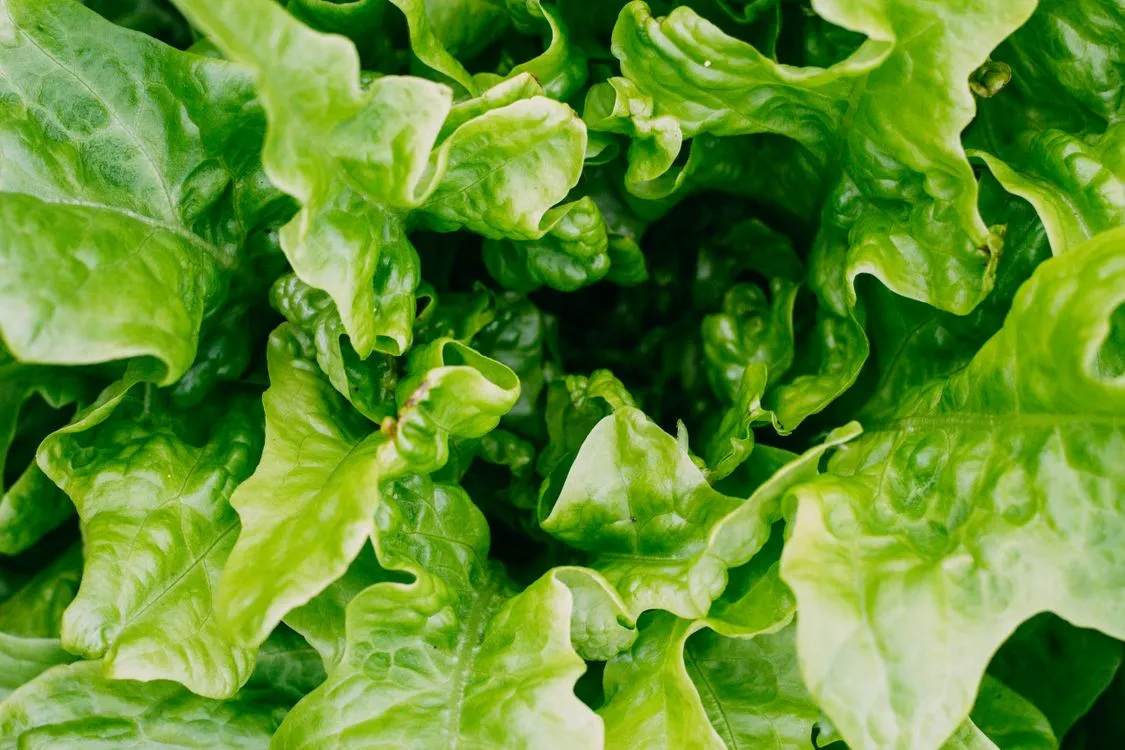
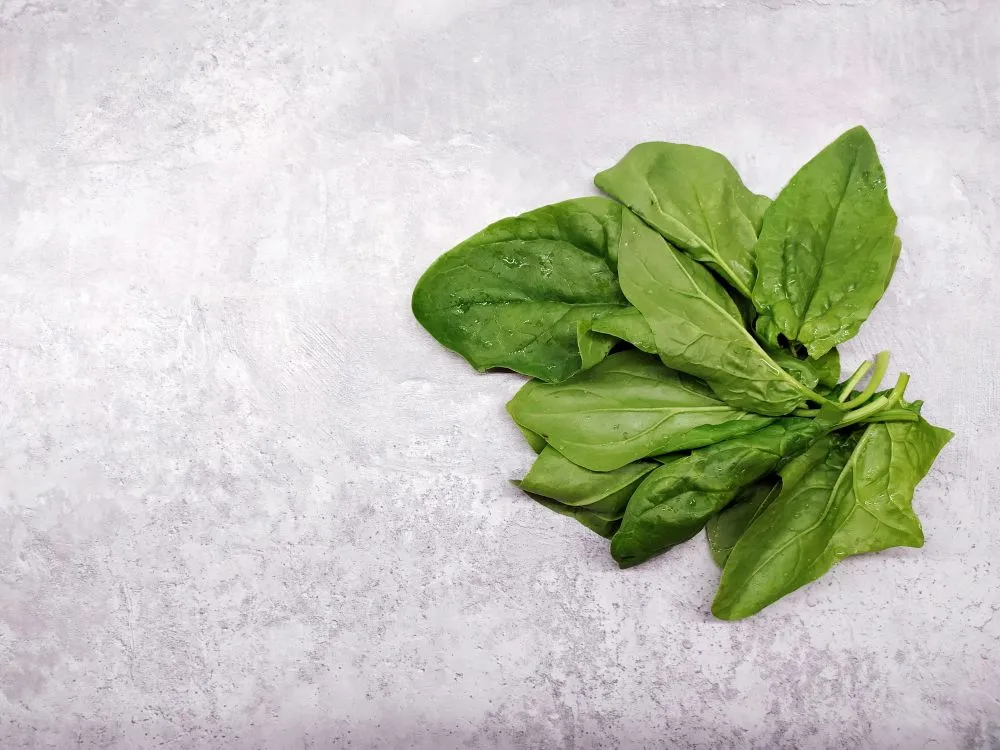
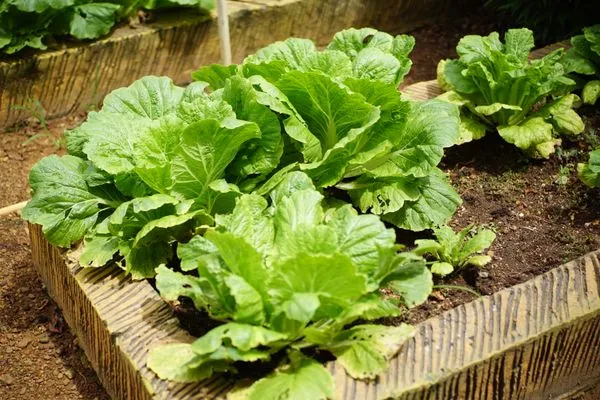
Lettuce, spinach, arugula, kale. Sow every two weeks for continuous harvest. See fall hanging basket ideas.
Brassicas
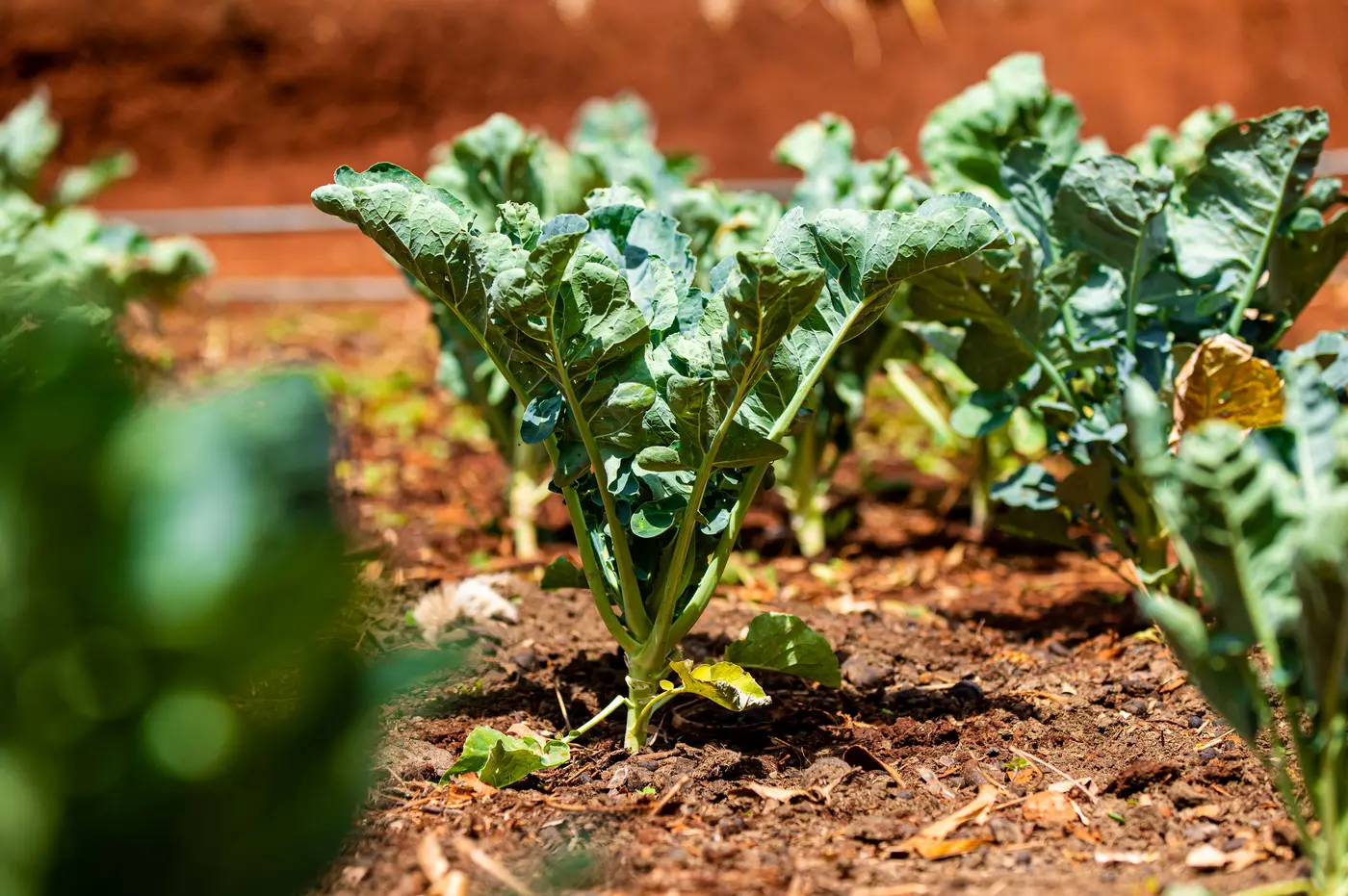
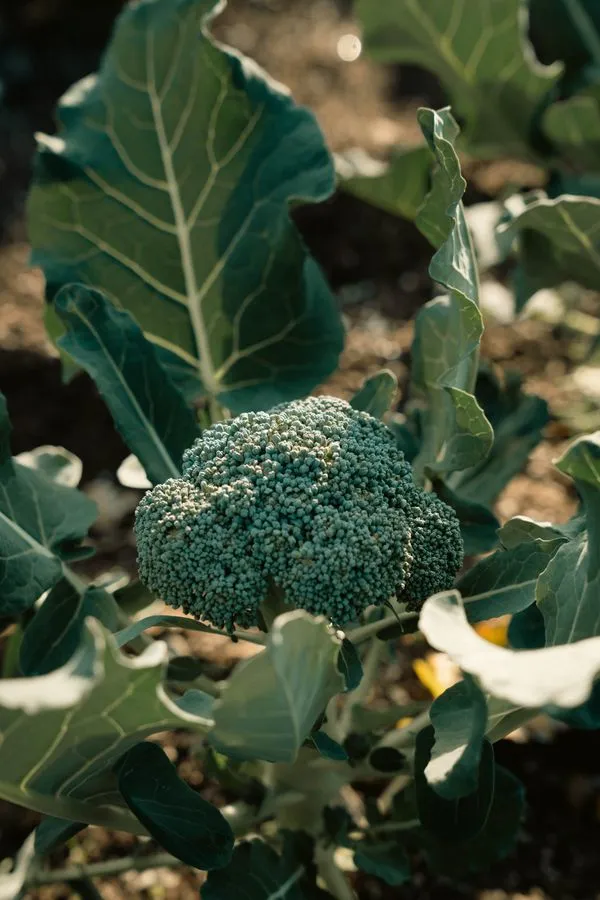
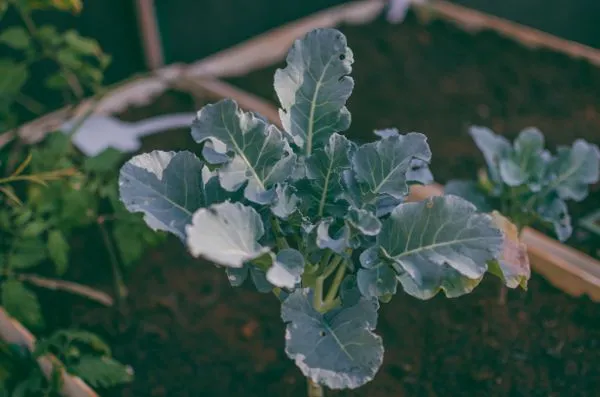
Broccoli, cabbage need 60-90 days. Buy transplants.
Root Vegetables
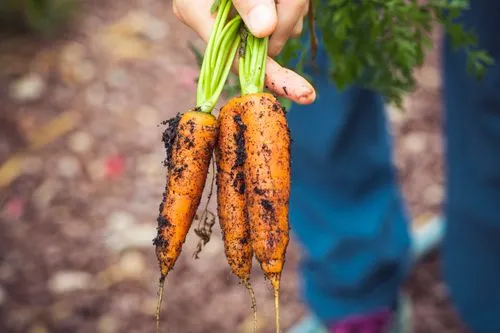
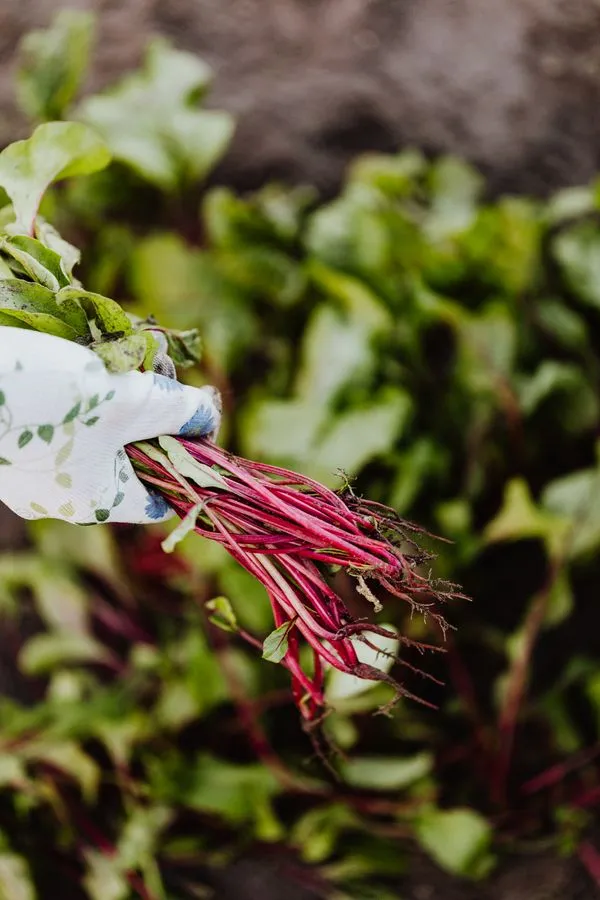
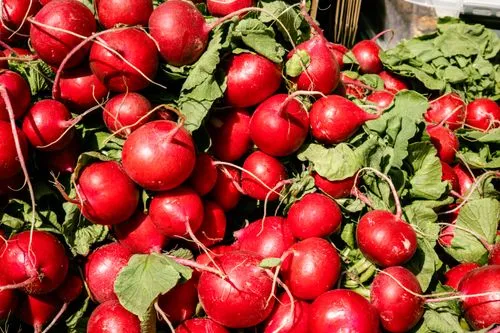
Carrots, beets, radishes. Radishes ready in 25-30 days.
Garlic and Onions
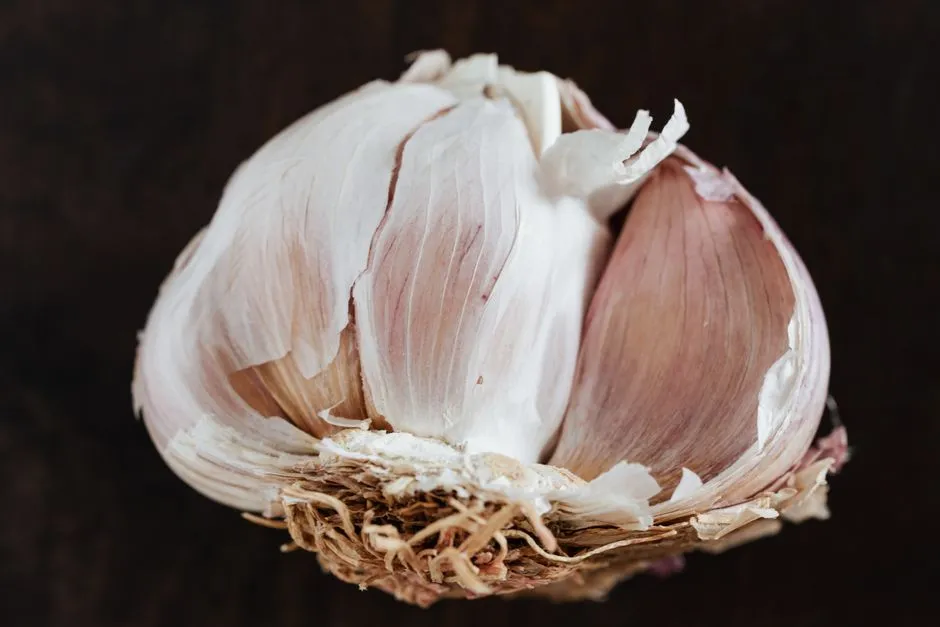
Plant garlic in October, 2 inches deep, 6 inches apart. Mulch with straw.
Step 3: Prepare Soil
Add compost, fertilizer, loosen 8-10 inches. See fall planters guide.
Step 4: Frost Protection
Row cover protects to 28°F. Water before frost.
Zone Calendar
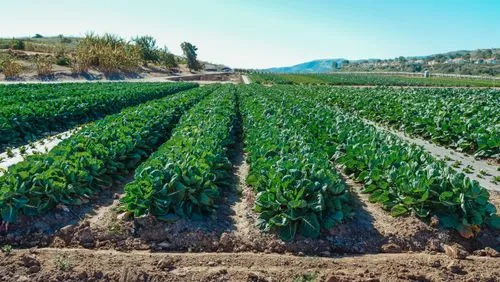
- Zones 3-5: sow mid-July to mid-August
- Zones 6-7: sow through August
- Zones 8-9: sow September-October
- Zones 10-11: sow October-November
Weekend Plan
Saturday: clear bed, sow radishes, spinach, lettuce. Sunday: plant garlic, mulch.
FAQ
Too late to plant in October?
Zones 8+: prime time. Colder: plant garlic, use covers.
Which survive frost?
Kale, carrots handle 28°F. Lettuce tolerates 32°F.
Conclusion
Count back from frost, choose cold varieties, feed soil, protect from frost. Start this week.