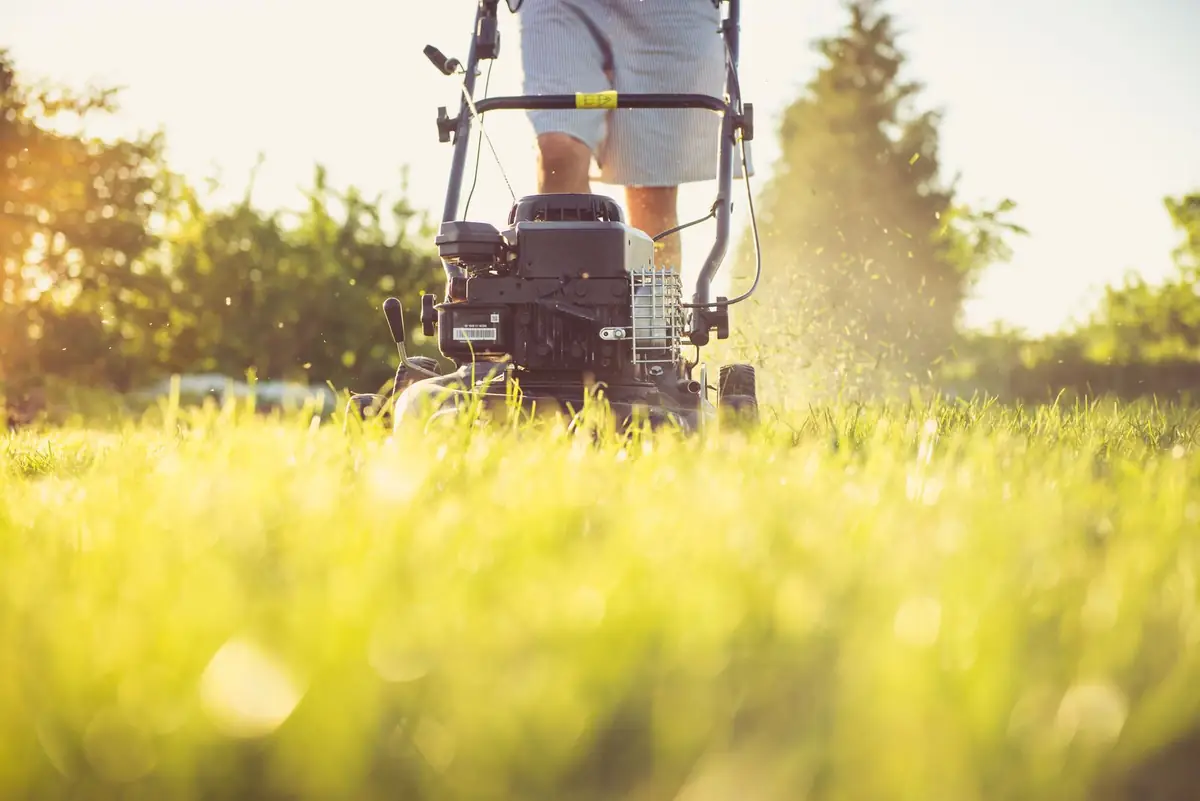
Fall lawn care is where great spring lawns are actually made. Everything you do in September and October pays off when the snow melts, and the timing matters more than the effort. This plan covers the full sequence for cool-season lawns like Kentucky bluegrass, tall fescue, and perennial ryegrass (most of the northern and central US), with notes for warm-season grasses where things differ.
Why Fall Lawn Care Matters More Than Spring Work
In autumn, cool air and warm soil push the plant to grow roots instead of blades. Deeper roots mean better drought tolerance, faster spring green-up, and a lawn that crowds out weeds on its own. Meanwhile summer weeds like crabgrass are dying back, and warm soil lets grass seed germinate in 5 to 14 days. That is why early fall is the single best window for seeding and repair. Miss it, and young spring grass has to fight summer heat before it is even established.
Start With a Walk-Through Inspection
Before you buy a single bag of anything, walk your lawn with a notebook. Note the thin spots, the bare patches along the sidewalk, the places where water sits after rain, and the shady corner that never quite thickens. Dig up a small square of turf in one weak spot and look at the roots. Short, stubby roots in hard soil mean aeration is needed. Healthy white roots in loose soil mean the spot needs a different fix, maybe more seed or better light.
A soil test is the smartest ten dollars you can spend on your lawn. Most county extension services will tell you exactly what your soil needs for pH, phosphorus, and potassium. While you are outside, measure your lawn’s square footage too. You need that number to buy the right amount of seed and fertilizer.
The 9-Step Fall Lawn Care Plan
1. Clear the leaves before they smother the grass
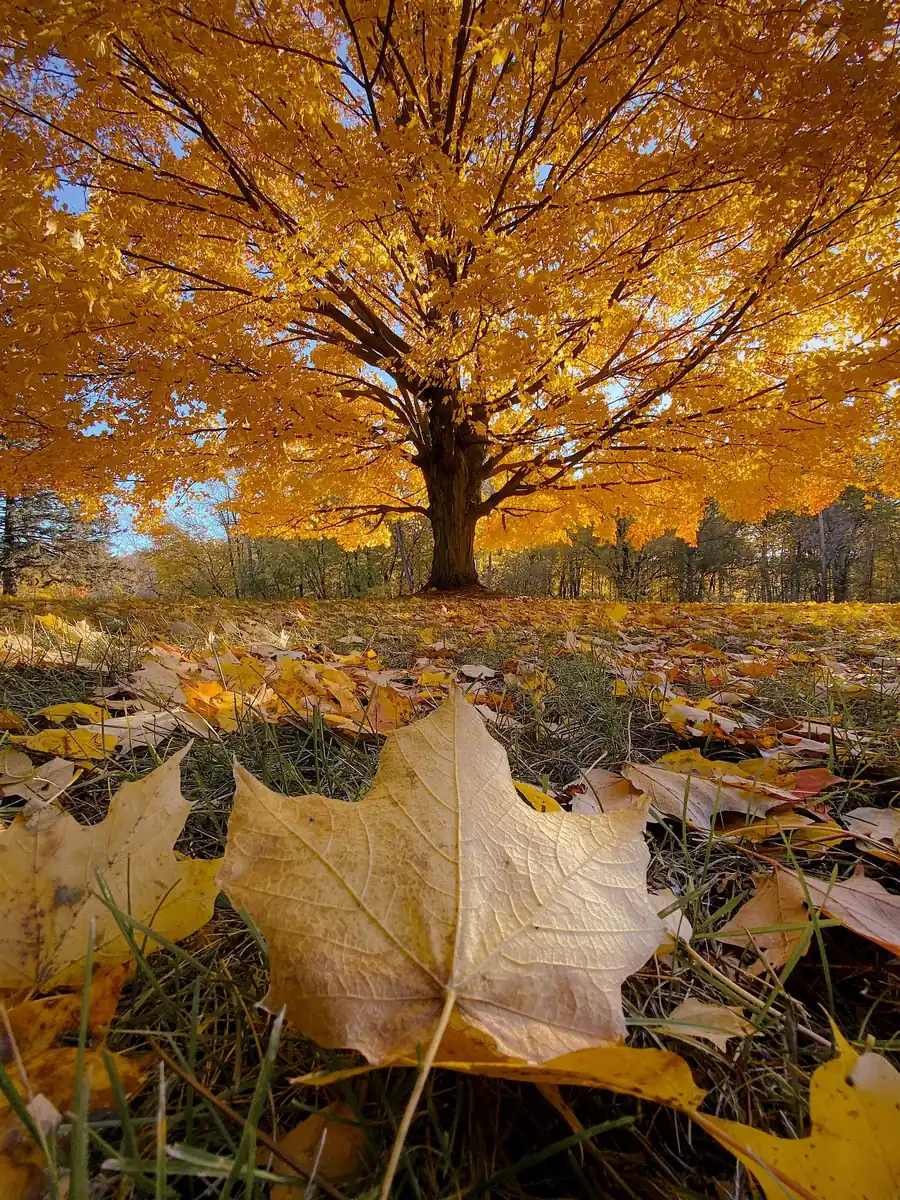
A light scattering of dry leaves is fine. You can run a mulching mower over them and let the shredded bits filter down between the blades. But thick, wet mats of leaves block light and trap moisture, which invites fungal disease. Once you cannot see the grass through the leaf layer, it is time to clear them.
Do not just bag them and haul them to the curb. Shredded leaves make excellent mulch for garden beds and a fine addition to the compost pile. If you have heavy leaf fall, several small cleanups beat one giant weekend battle with soggy leaves. Around newly seeded areas, use a leaf blower on a gentle setting so you do not pull out young seedlings.

2. Keep mowing, and lower the blade for the final cut
Keep cutting as long as the grass keeps growing. The one-third rule still applies: never remove more than a third of the blade height in a single mow. For the last cut of the season, most cool-season lawns do well at about 2.5 to 3 inches, slightly lower than the summer height of 3.5 to 4 inches.
Why lower? Tall grass that flops over under snow is prone to snow mold, a fungal disease that leaves gray, matted circles in spring. But do not scalp it. Cutting down to an inch stresses the crowns and invites winter injury. A sharp blade matters here, since dull blades tear the grass and the ragged ends brown over winter.

3. Aerate compacted soil
If your soil is hard and grass thins out along footpaths or where the kids play, compaction is likely the culprit. Compacted soil squeezes out the air pockets roots need, and water runs off instead of soaking in. Core aeration pulls out small plugs of soil, opening channels for air, water, and nutrients.
Rent a core aerator for a morning, or hire the job out if your lawn is large. The best time is when the grass is actively growing and the soil is moist but not soggy, usually September through mid-October for cool-season lawns. Leave the plugs on the surface to break down on their own. If your soil is already loose and healthy, you can skip this step. Aeration is a tool, not a ritual.

4. Overseed thin and bare areas
Fall is the best season to thicken a thin lawn, and overseeding is how you do it. Choose a seed blend that matches your existing grass and conditions: shade-tolerant for under trees, wear-tolerant for play areas, tall fescue for drought-prone yards.
For bare patches, rake to loosen the top half inch of soil, spread seed at the bag’s rate, and press it down for firm soil contact. Seed sitting on thatch or dead leaves germinates poorly. Water gently and keep the surface moist until seedlings establish, usually two to three weeks.
Do not apply crabgrass preventer or other pre-emergent weed controls anywhere near seeding time. Pre-emergents stop all seeds from germinating, including your grass seed. Plan at least eight weeks between a pre-emergent application and sowing seed.

5. Fertilize at the right time, not the convenient time
Fall feeding is the most important fertilization of the year for cool-season lawns, but only if the timing is right. The sweet spot is when the grass is still green and growing but top growth has slowed, typically six to eight weeks before the ground freezes, which means late October into early November for much of the northern US.
Use a slow-release nitrogen fertilizer so nutrients feed the roots gradually instead of pushing tender top growth right before winter. Your soil test tells you whether phosphorus or potassium are needed too. Ignore the marketing on “winterizer” bags and read the actual nutrient analysis.
Warm-season lawns are the exception. Once Bermuda, Zoysia, or St. Augustine starts slowing down, stop fertilizing with nitrogen. Late nitrogen on warm-season grass encourages disease and winter injury.

6. Water deeply while the grass is still active
Cooler weather cuts water demand, but it does not eliminate it. Until the ground freezes, your lawn still needs about an inch of water per week from rain or sprinklers. Newly seeded areas need more attention: keep the top inch of soil consistently moist until germination, then gradually stretch out the watering intervals as the seedlings root.
The most common fall mistake is shutting the sprinklers off in September while the weather is still warm and dry. Check the soil with a screwdriver. If it pushes in easily to a few inches, moisture is fine. If it resists, water deeply in the morning so the blades dry before evening. Watering late in the day leaves the lawn damp overnight, which encourages disease.

7. Handle weeds now, while they are vulnerable
Fall is an excellent time to deal with perennial broadleaf weeds like dandelions and clover. As temperatures cool, these weeds pull nutrients down into their roots to survive winter, and they pull herbicide down with them, making fall applications more effective than spring ones.
Hand-pull what you can, especially after rain when the soil is soft. For widespread problems, a selective broadleaf herbicide applied on a calm, dry day works well, but read the label carefully and keep it away from garden beds and newly seeded areas. If you overseeded, wait until the new grass has been mowed at least two or three times before applying any weed control.
8. Fix bare edges and improve the soil
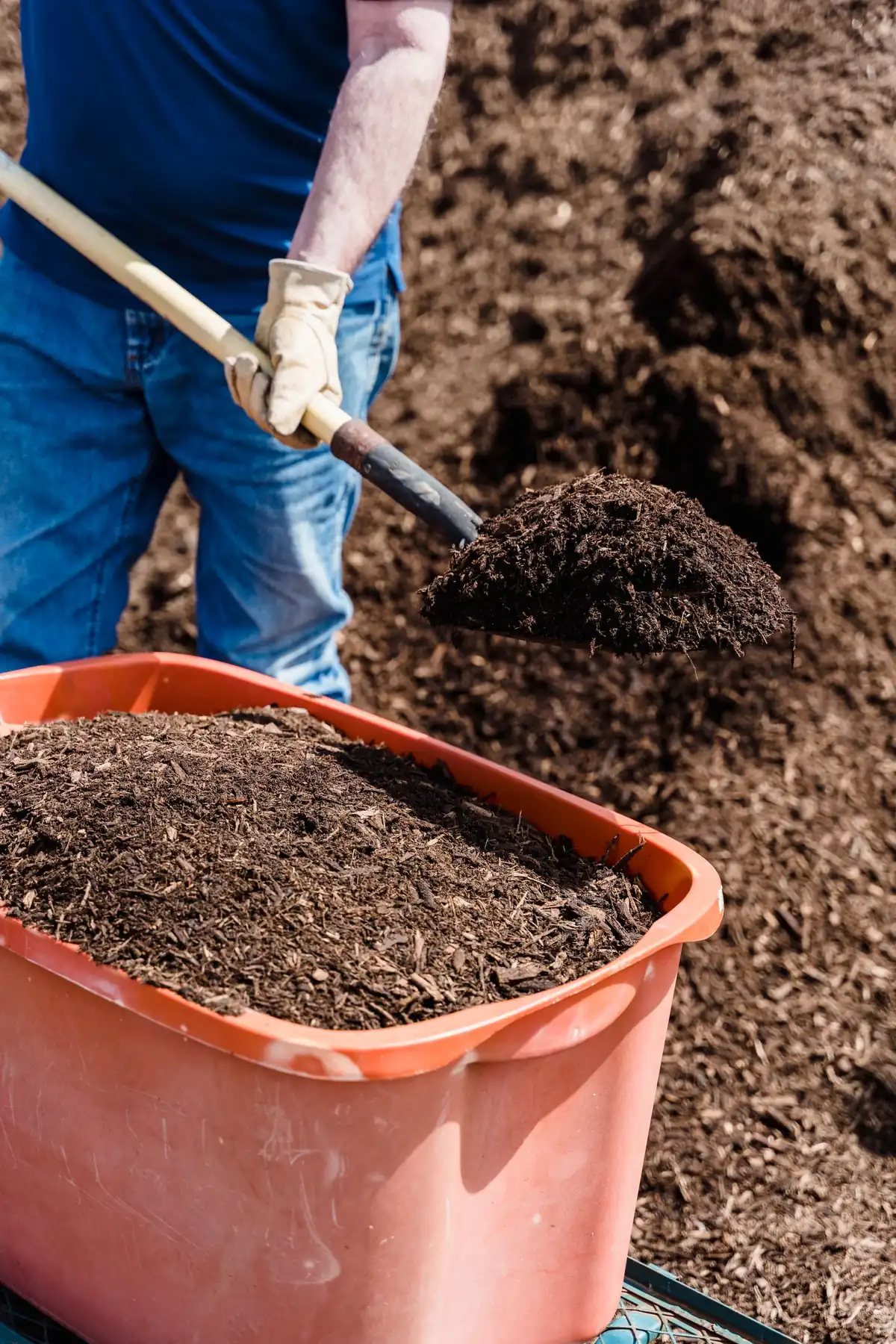
Late fall is a good moment for the unglamorous repairs. Reseed the strip along the sidewalk where the snowplow scraped. Top-dress thin areas with a quarter inch of compost after aerating, which improves soil biology and smooths minor bumps. If your soil test showed acidic soil, fall is the traditional time to apply lime, since it needs months to react with the soil.
If a shady area has failed three years running, consider replacing the grass with shade-tolerant groundcover or a mulched bed instead of fighting the same battle again. And if you have been thinking about adding beds or fall planters near the house, autumn planting gives perennials a head start on spring.
9. Put the equipment and the yard to bed
The last jobs protect your investment through winter. Clean the mower deck, sharpen or replace the blade, and stabilize the fuel or run the tank dry according to your manual. Drain hoses, shut off outdoor water, and protect spigots before the first hard freeze. Clear toys, furniture, and temporary piles off the grass so they do not smother it all winter.
Keep foot traffic off frozen or waterlogged turf. Walking on frosted grass breaks the brittle blades and leaves brown footprints that linger into spring. Mark the edges of the lawn along the driveway so the snow shoveler does not pile salty slush onto the grass.

A Simple Fall Lawn Care Schedule
Timing shifts with your climate, so use this as a framework and adjust for your zone:
- Early September: Soil test, start leaf management, aerate if needed, begin overseeding while soil is warm.
- Late September to mid-October: Finish overseeding, keep watering new seed, continue mowing at normal height.
- Mid to late October: Apply fall fertilizer, keep leaves cleared, lower the mower slightly.
- November: Final mow at 2.5 to 3 inches, drain hoses, winterize equipment, last leaf cleanup.
In the deep South with warm-season grasses, skip the overseeding and fertilizing steps and focus on leaf removal, mowing, and winterizing irrigation. In the far North, move everything two to four weeks earlier, because the seeding window closes fast once soil temperatures drop.
Mistakes That Undo Good Fall Lawn Care
The most common error is fertilizing too late. Nitrogen applied after the grass has stopped growing does nothing for the lawn and washes into waterways. The second is seeding too late: seed that germinates just before a hard freeze usually dies. Finish seeding at least six weeks before your area’s average first hard freeze.
Scalping the final mow, bagging every leaf instead of mulching some back in, and skipping the soil test to buy whatever fertilizer bag has the most exciting label all cost you months of progress. Your soil already knows what it needs. Ask it first.

Frequently Asked Questions
When should I stop mowing my lawn in the fall?
Keep mowing as long as the grass is growing. In most regions that means cutting into late October or even November. The final cut should bring cool-season grass to about 2.5 to 3 inches. Stop when growth halts, not when the calendar says so.
Is it too late to overseed in October?
It depends on your first frost date. Grass seed needs roughly six weeks of growing weather after germination to survive winter. If your average first hard freeze is in early November, early October seeding is pushing it. Late September is safer in most northern states.
Can I fertilize my lawn in November?
Yes, if the grass is still green and actively growing. Late-fall nitrogen is one of the most valuable applications of the year for cool-season lawns. But once the grass has gone dormant and the ground is near freezing, save the fertilizer for spring.
Should I water my lawn in winter?
Established lawns rarely need winter watering, but newly seeded areas and regions with dry winters are exceptions. If the ground is not frozen and weeks pass without rain or snow, a deep watering on a mild day helps.
Conclusion
Fall lawn care is not about doing everything. It is about doing the right things in the right order while the grass can still respond. Clear the leaves, keep mowing, aerate compacted soil, overseed the thin spots, feed at the right moment, and water until the ground freezes. Together these jobs decide what your yard looks like in April.
Start with the soil test and the walk-through this weekend. Once you know what your lawn actually needs, the rest of the plan falls into place. And when spring arrives, you can spend your energy on the vegetable garden instead of rescuing the lawn.

3 thoughts on “Fall Lawn Care: 9 Steps to a Thicker, Greener Yard (2026)”