Welcome to this cold frames a beginners guide, written for gardeners who want fresh leaves and steady seedlings through winter without buying a greenhouse. A cold frame is a low, bottomless box with a clear lid. It traps daytime sun, blocks wind, and keeps soil a few crucial degrees warmer than the open garden. That small difference is enough to grow spinach in January and protect herbs that would otherwise be lost to a hard frost.
Unlike a greenhouse, a cold frame needs no power, no heater, and very little space. A single frame the size of a door can feed a small household with salad leaves for months. This guide covers the size to build, the glazing to choose, the venting rules that stop plants cooking on sunny days, and the crops that genuinely thrive in the cold.
1. What a Cold Frame Is and Why It Works for Cold Frames a Beginners Guide
A cold frame creates a sheltered pocket of air over the soil. Sunlight passes through the clear lid and warms the soil, while solid sides stop wind stripping that warmth away. On a sunny winter day the inside can be 10 to 20 degrees Fahrenheit warmer than outside, even with no heating. At night the frame slows heat loss, so roots keep growing slowly instead of freezing solid.
2. Pick the Right Size and Shape Before You Build
For a first cold frame, build 4 feet long by 2 feet wide. That size is easy to reach across, fits a standard old window as a lid, and holds about 8 square feet of growing space, enough for two rows of spinach, a row of lettuce, and a small patch of herbs. A larger frame, 6 feet by 3 feet, suits a keen grower, but anything wider than 3 feet is hard to reach without stepping on the soil. Make the back wall 18 inches high and the front wall 12 inches high, so the lid slopes down toward the front, sheds rain, and angles toward low winter sun.
3. Choose a South Facing, Sheltered, Level Spot
Site is half the success of a cold frame. Put it where it gets at least 6 hours of direct sun in winter, facing south, with the sloping lid facing south so low sun reaches every plant. Avoid shade from fences, walls, and evergreen trees, because winter shade that looks harmless in November can cost you a whole crop by February.

4. Build It in a Weekend: Materials and Costs
You need surprisingly little: four boards for the sides, a clear lid, two hinges, a handle, and a prop stick. Untreated cedar boards, 1 inch thick, cost about 60 to 90 dollars for a 4 by 2 foot frame and last 8 to 10 years. Pressure treated softwood costs about 30 to 50 dollars and lasts 4 to 6 years if you treat the outside with linseed oil each autumn.
For the lid, an old glazed window is the cheapest strong option, often free from a salvage yard. New twin wall polycarbonate for the same size costs about 25 to 40 dollars. Add hinges (about 8 dollars) and a handle (about 5 dollars), and a complete DIY frame comes to roughly 50 to 130 dollars. For a broader look at protected winter growing, see our winter greenhouse gardening guide.
5. Glazing Compared: Glass, Polycarbonate, and Old Windows
Glass lets through the most light, about 90 percent, and stays clear for years, but it is heavy, breaks if a lid slams, and loses heat faster than twin wall polycarbonate, so glass frames need a blanket on very cold nights. Old windows are excellent for beginners because the frame is already made, but check the putty and hinges before you rely on them.
6. Venting Rules That Keep Plants Alive
Venting is the skill that separates a good cold frame gardener from a frustrated one. On a sunny winter day the inside can pass 80 degrees Fahrenheit by midday, even when it is freezing outside, and seedlings will wilt or scorch in hours. Open the lid a crack as soon as the inside passes 50 degrees Fahrenheit, and open it wider as the temperature climbs. Prop it 2 to 3 inches on mild days and 6 inches or more on bright days, then close it in the late afternoon so warmth carries into the night.

7. What to Grow Through Winter in a Cold Frame
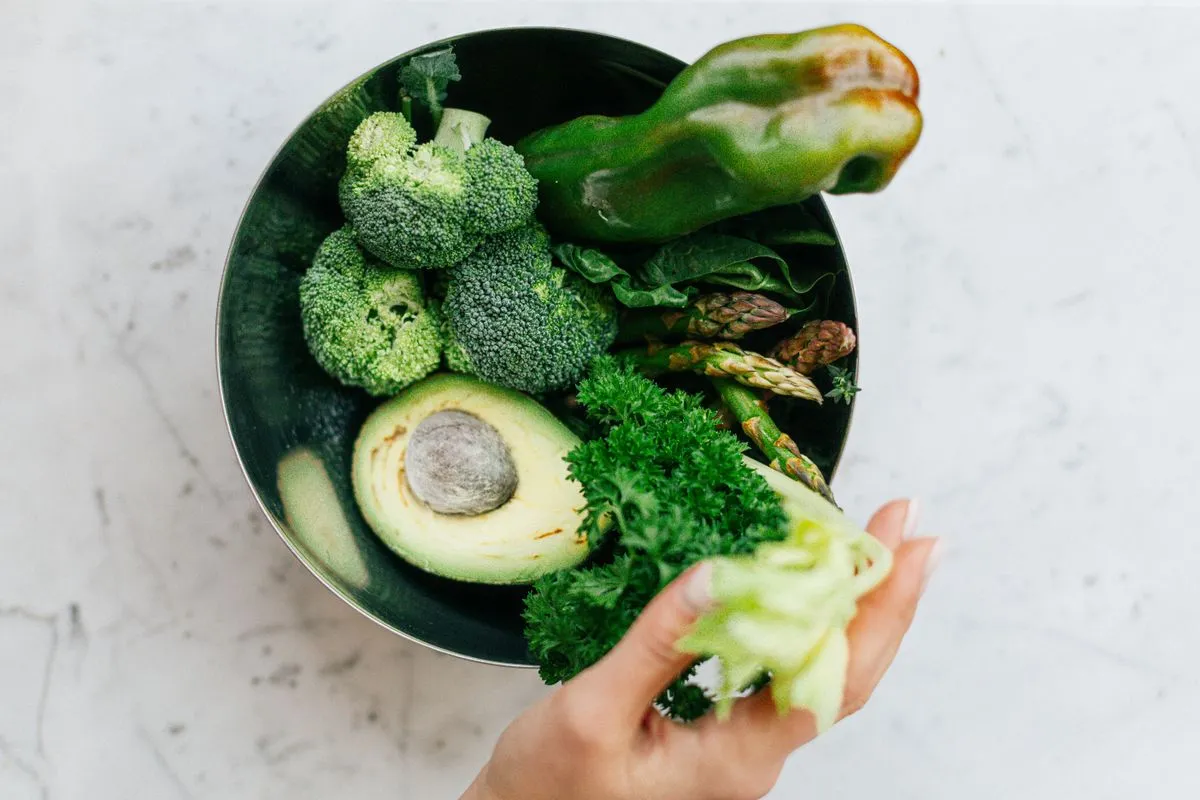
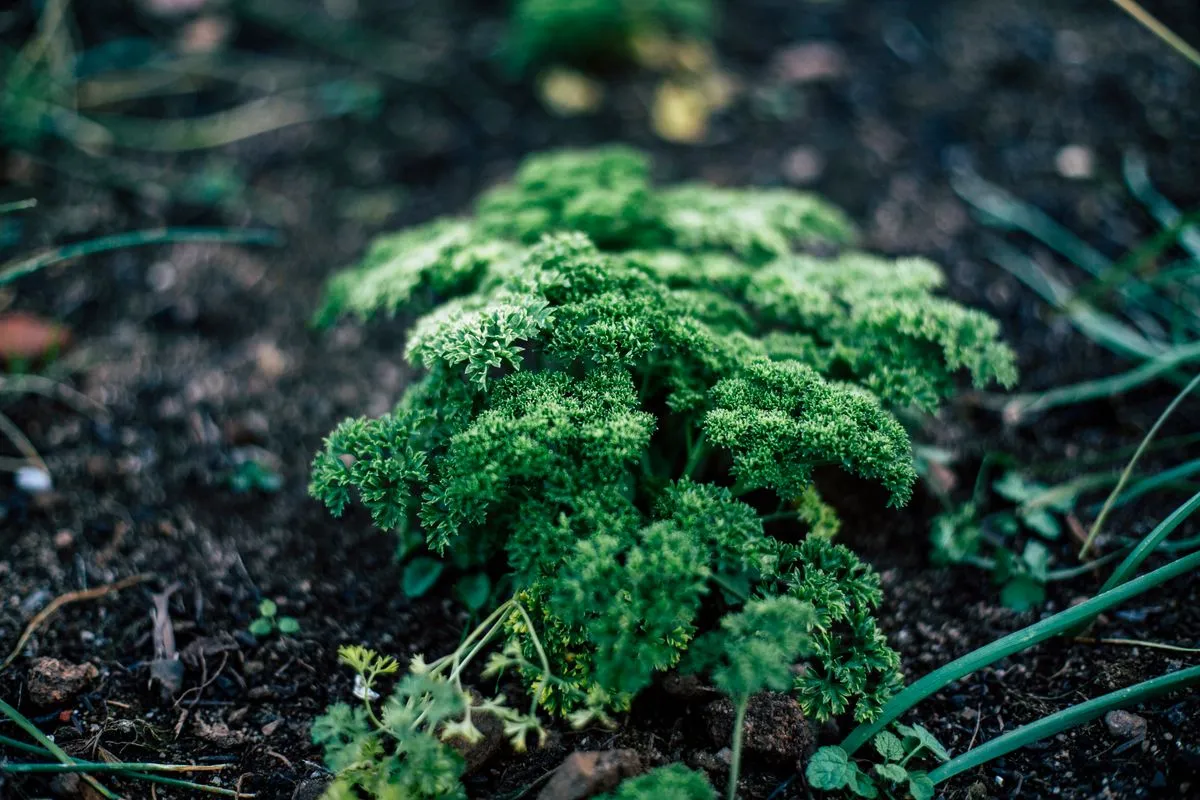
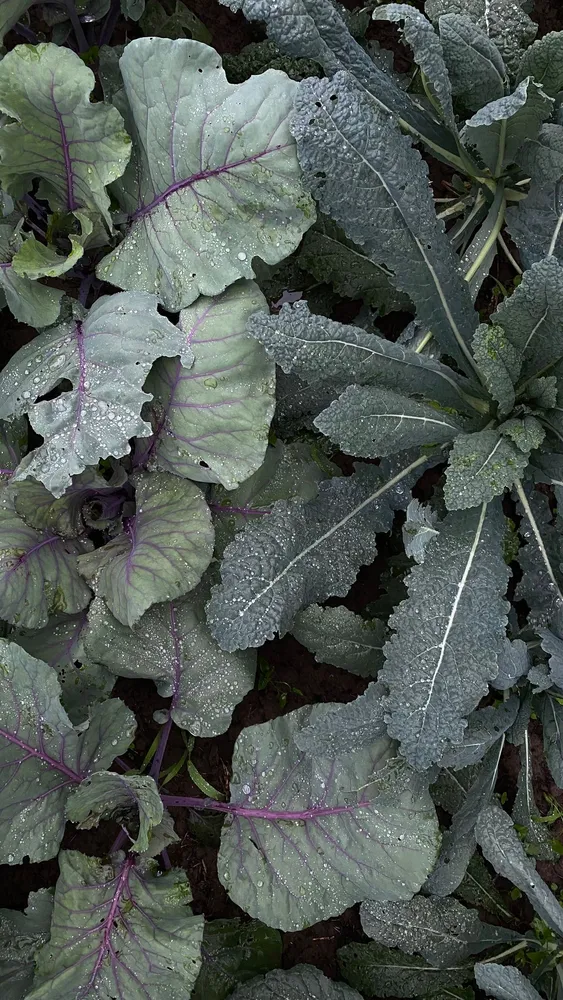
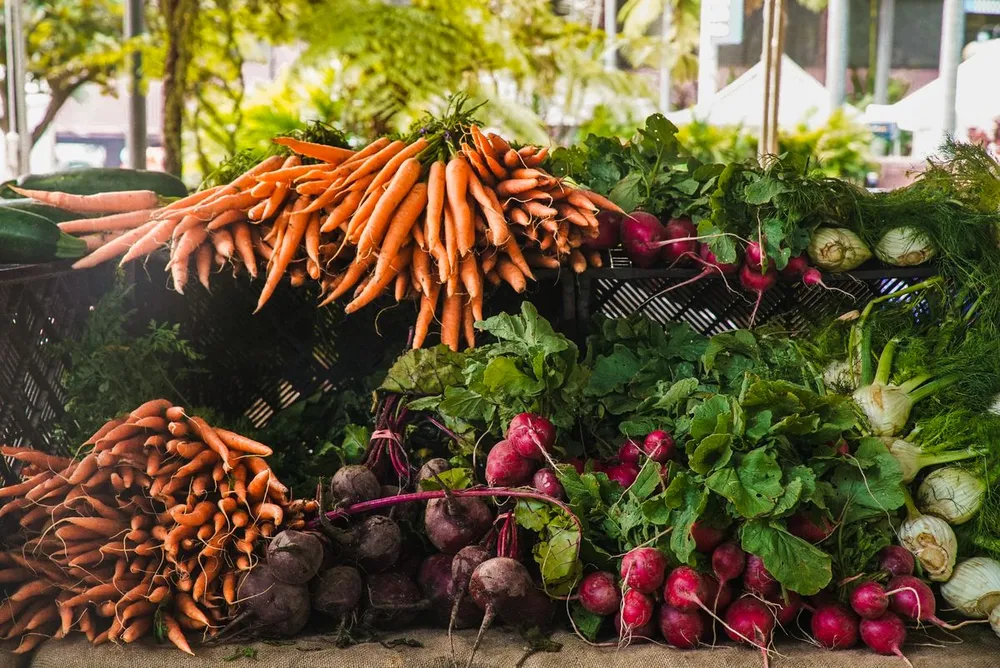
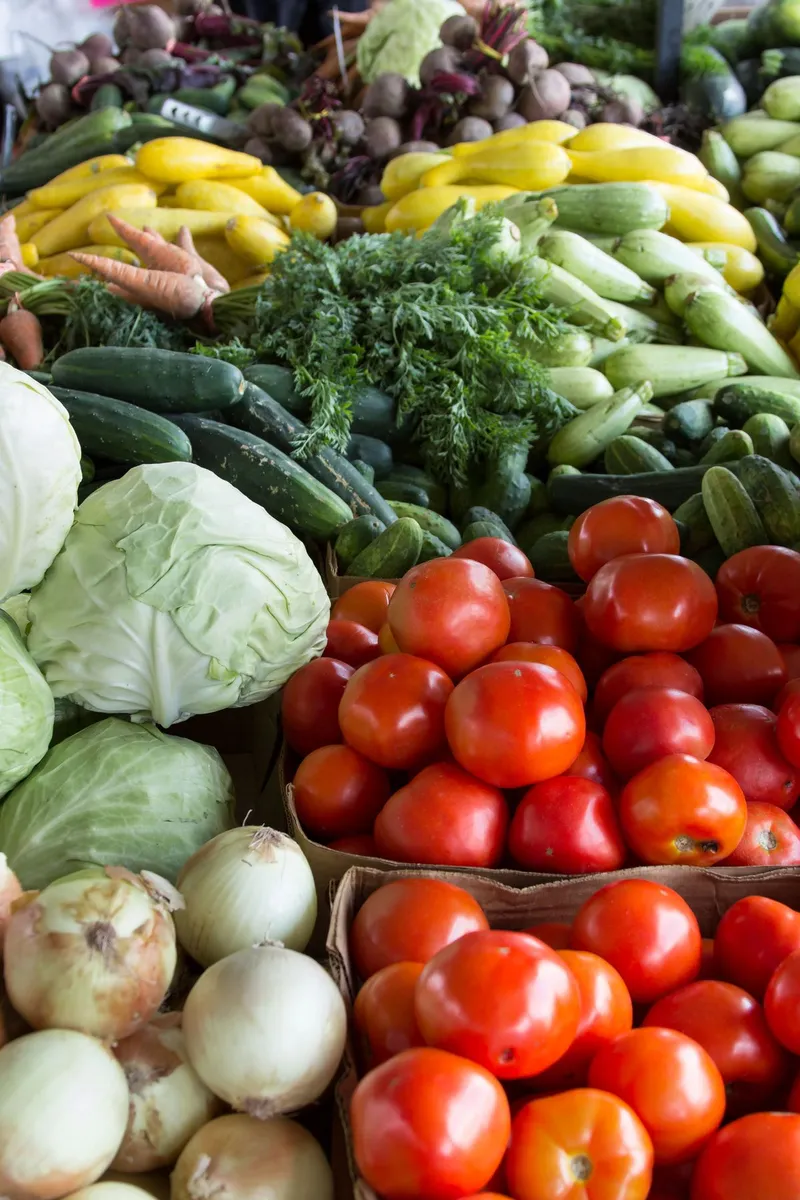
Grow crops that like cool weather and you will harvest all winter. Spinach, kale, Swiss chard, lettuce, mache, arugula, and tatsoi all grow well when daytime temperatures inside the frame reach 45 to 55 degrees Fahrenheit. Parsley, chives, and thyme overwinter happily, and radishes, spring onions, and baby carrots give quick crops from late winter sowings. For more crop ideas, see our top 10 winter greenhouse crops to try.
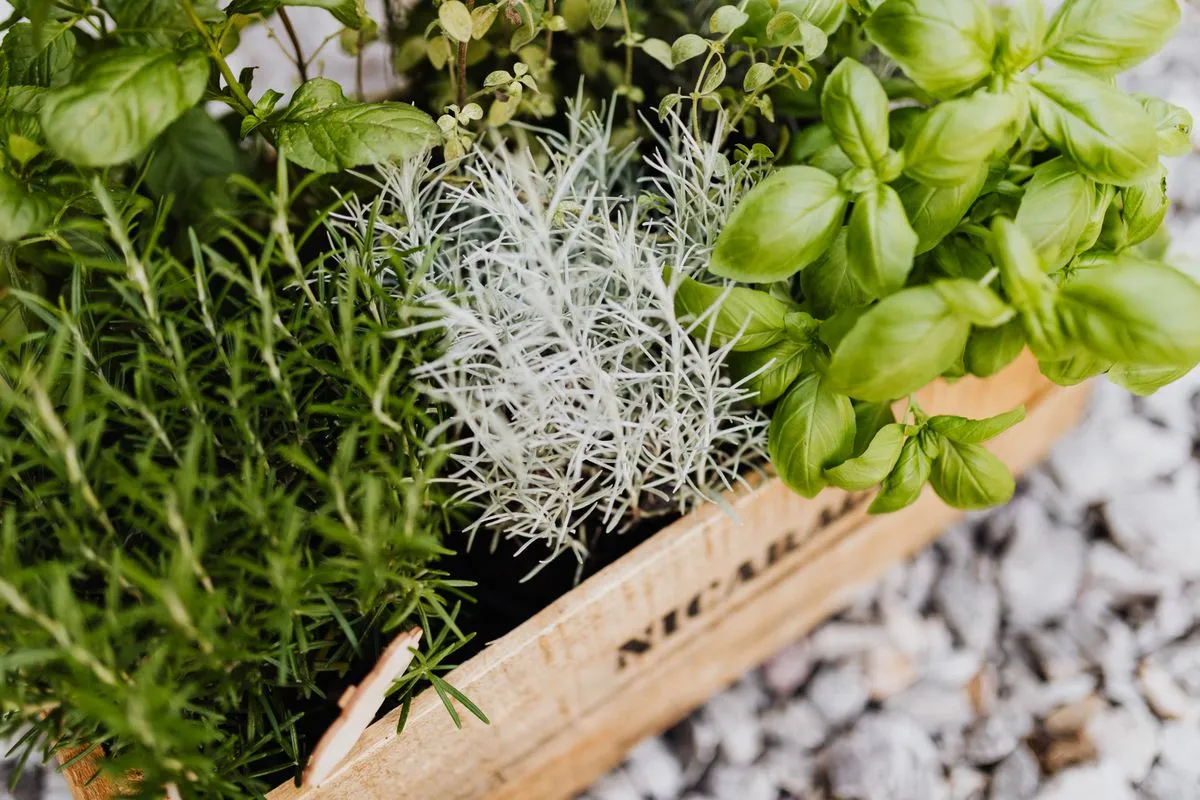
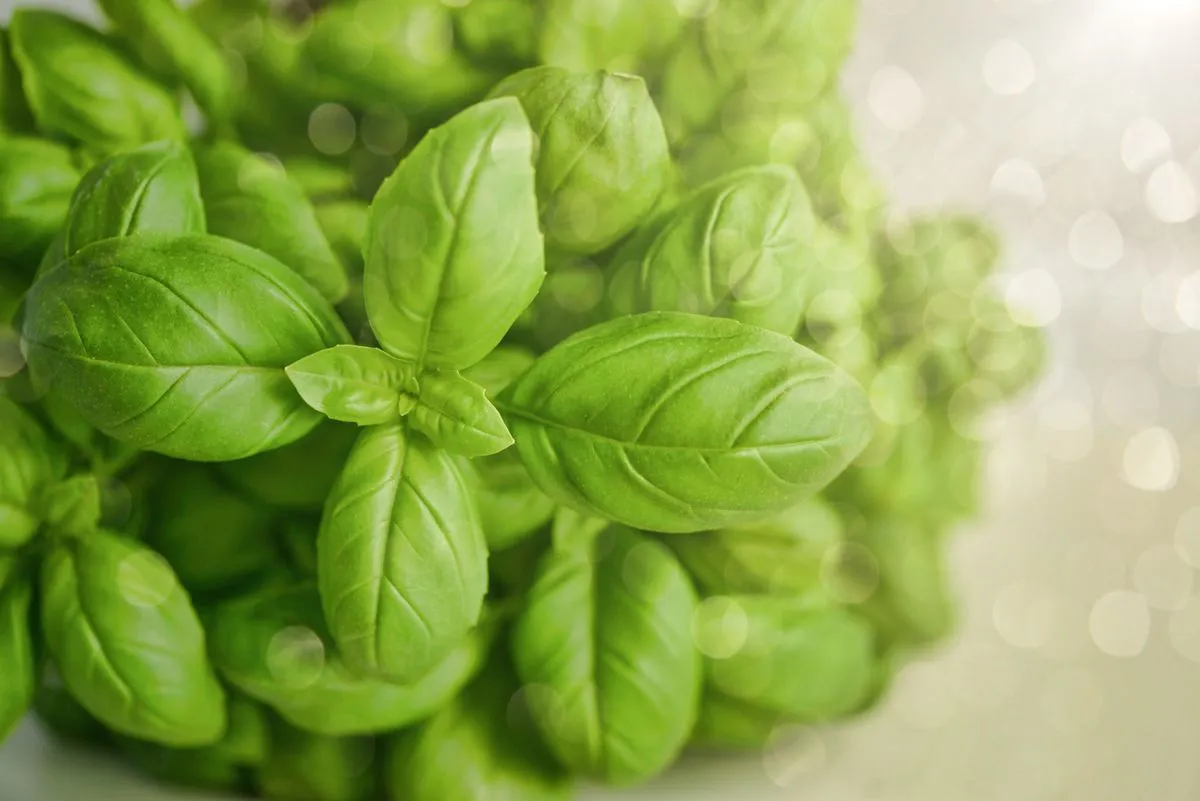
Do not waste frame space on warm season crops in midwinter. Tomatoes, peppers, squash, and basil need heat, strong light, and pollinators, none of which a cold frame provides in January.
8. Sow and Plant by the Calendar
Timing decides whether a cold frame feeds you in winter or just looks tidy. Sow winter salads and spinach in late summer, from late August to mid September, so plants are well grown before light levels fall. Growth slows sharply once days drop below 10 hours of daylight, roughly from late November to mid January, so plants sown in October will sit small until February. For spring, sow lettuce, spinach, radish, and peas inside the frame in late February or early March, and harden off indoor seedlings over 7 to 10 days in April.
9. Watering, Soil, and Feeding Inside a Cold Frame
Soil inside a frame dries differently from open ground. The lid blocks rain, so you control every drop, but cool soil also stays wet longer, and wet cold soil rots roots. Water in the morning, only when the top inch of soil feels dry, and water the soil, not the leaves. In winter most frames need water only once every 7 to 10 days, while spring frames with fast growing salads may need water every 3 to 4 days.
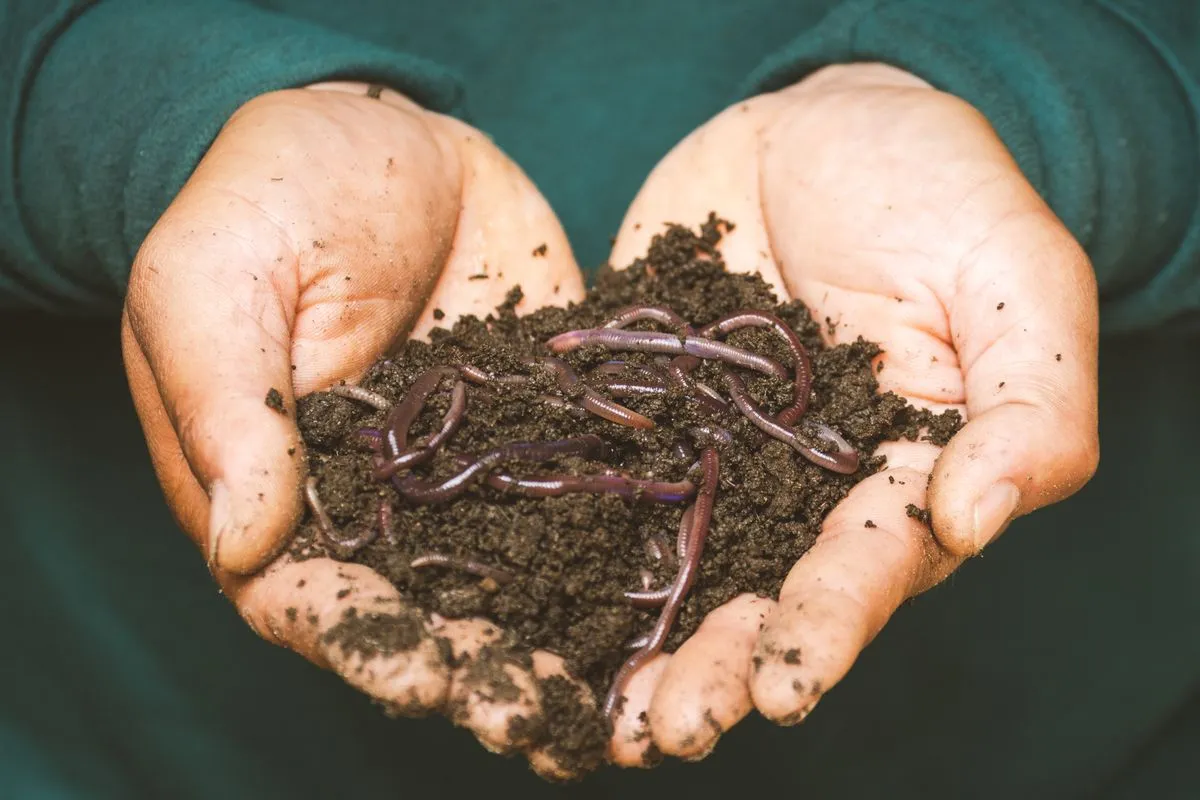
Fill the frame with a rich, free draining mix: roughly equal parts garden soil, mature compost, and coarse grit or perlite, plus a handful of slow release organic fertiliser per square yard at planting time. Top up with an inch of fresh compost between crops. For compost timing in the cold months, see our composting in winter guide. Avoid fresh manure inside a frame, because it can scorch roots.
10. Frost Protection: Blankets, Straw, and Thermal Mass
A cold frame alone typically adds 5 to 10 degrees Fahrenheit of frost protection. On forecast nights below 25 degrees Fahrenheit, add a second layer. Drape horticultural fleece directly over the plants inside the frame, or lay an old blanket over the closed lid at dusk and remove it in the morning so light gets in.
11. Harden Off Seedlings in Spring, the Frame’s Second Job
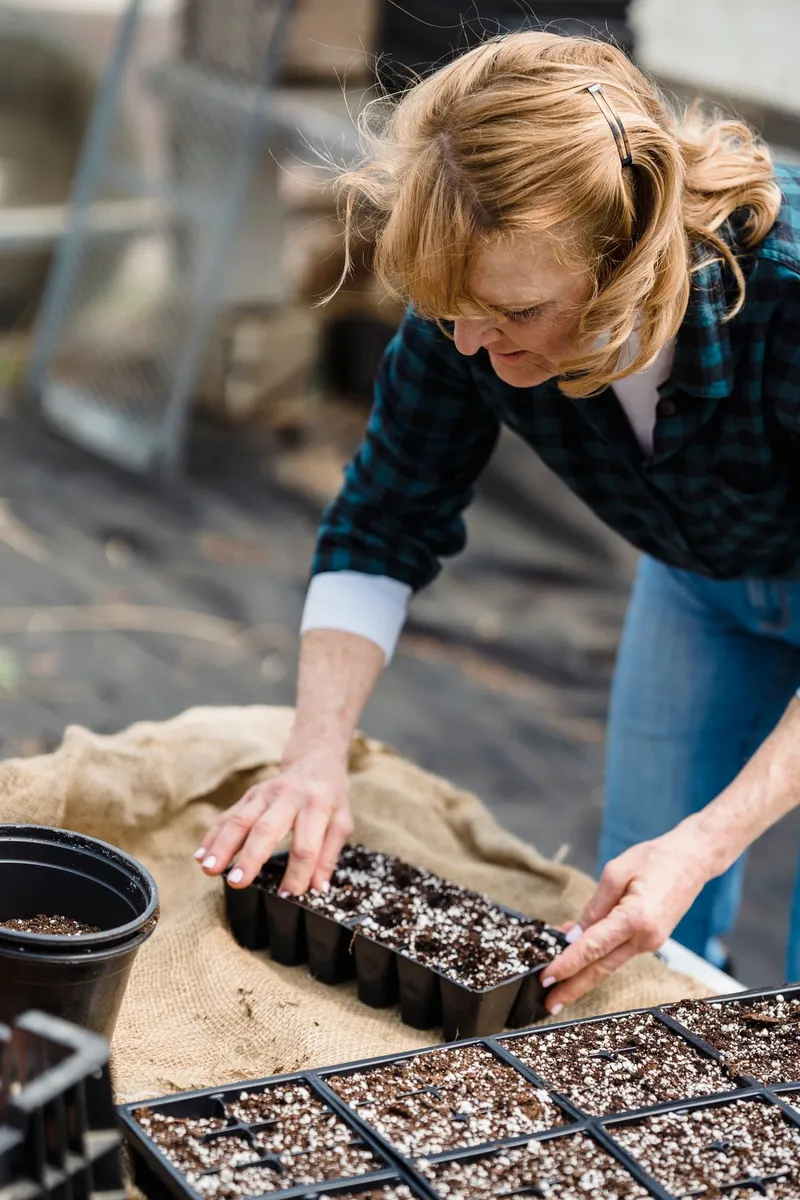
In spring the cold frame becomes a halfway house for seedlings started indoors. Move trays out when seedlings have two or three sets of true leaves and night temperatures inside the frame stay above 40 degrees Fahrenheit. For the first two days, keep the lid closed except for a crack at midday, then open it wider each day, and by day 7 to 10 leave it open all day and closed only at night.
12. Mistakes Beginners Make, and How to Avoid Them
The most common mistake is leaving the lid shut on a sunny day. One hot afternoon can kill a tray of seedlings, so check the frame every morning and again at midday when the sun is strong. The second mistake is overwatering in winter, which causes grey mold and root rot. When in doubt, wait a day and check the soil with your finger before watering.
The third mistake is planting too densely. Crowded leaves stay damp, air cannot move, and disease spreads fast in a closed frame. Thin seedlings to the spacing on the packet, pick outer leaves regularly, and remove yellow leaves at once. Wash the glazing in autumn and late winter, because a dirty lid can cut light by 20 percent or more.
Frequently Asked Questions
How much warmer is a cold frame than outside?
On a sunny day a cold frame is often 10 to 20 degrees Fahrenheit warmer inside than outside, and at night it typically holds 5 to 10 degrees of frost protection. Adding fleece inside, or a blanket over the lid on very cold nights, increases that protection further.
When should I open and close a cold frame lid?
Open the lid a crack when the inside passes 50 degrees Fahrenheit, wider on bright days, and close it in the late afternoon before temperatures fall. Open it for at least a short period on most winter days to let damp air out, even when it is cold outside.
What can I grow in a cold frame in winter?
Spinach, kale, Swiss chard, lettuce, mache, arugula, parsley, chives, radishes, and spring onions all grow well in a winter cold frame. Avoid warm season crops such as tomatoes and peppers in midwinter, because they need heat and light a cold frame cannot provide.
Do cold frames need watering in winter?
Yes, but far less than in summer. The lid blocks rain, so check the soil weekly and water in the morning only when the top inch feels dry. Most winter frames need water once every 7 to 10 days, and overwatering is a more common problem than underwatering.
Can I build a cold frame from an old window?
Yes, an old window makes an excellent cold frame lid, and it is often free. Build a bottomless wooden box to match the window size, with the back wall higher than the front, hinge the window along the back edge, and add a prop stick for venting.
Conclusion
A cold frame is the simplest way to keep growing through winter. Build it 4 feet by 2 feet, site it facing south in a sheltered spot, glaze it with glass or twin wall polycarbonate, and vent daily. Plant hardy leaves and herbs, sow in late summer for winter harvests, and use the frame again in spring to harden off seedlings.
Start with one frame and one crop you love, such as spinach or kale. Within a season, your winter kitchen will taste the difference.