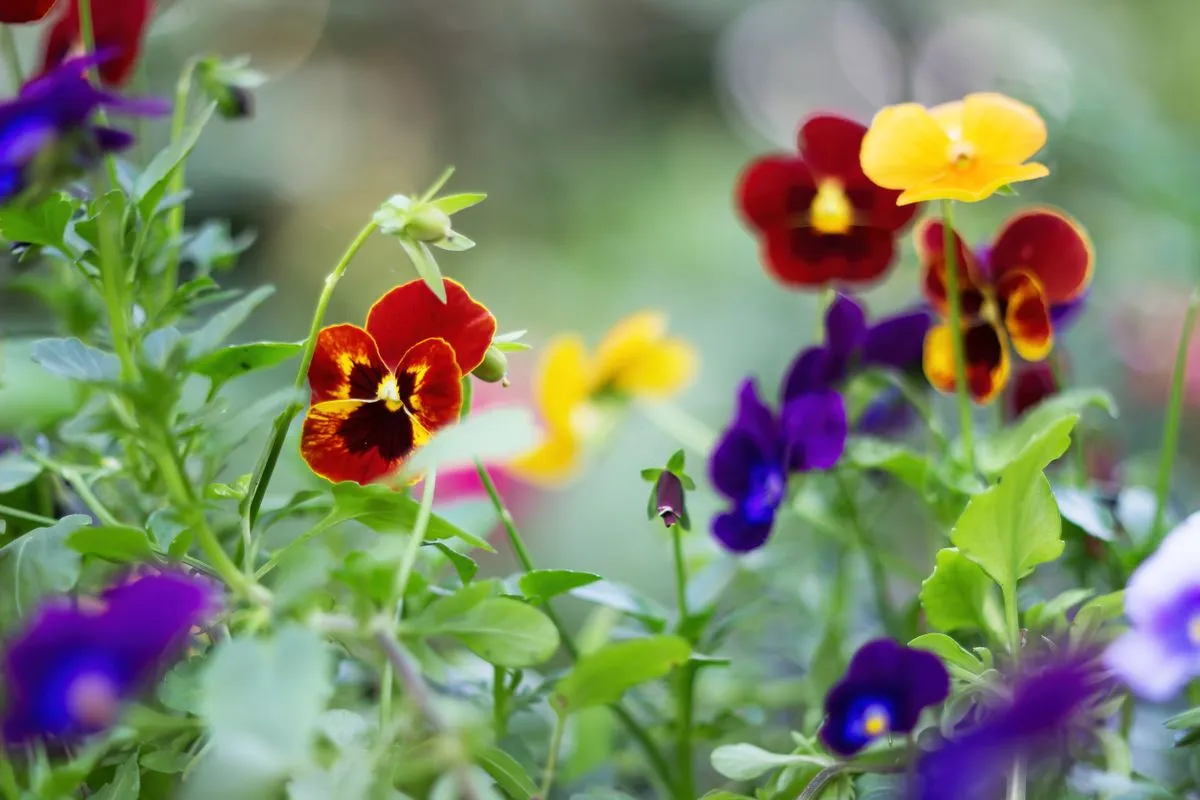
Deadheading and overwintering winter pansies is the small routine that decides whether your pots look tired by January or keep flowering into spring. Winter pansies, including hardy series such as Cool Wave, Matrix, and Crown, are bred to bloom in cold weather, but they only keep going if spent flowers are removed, roots stay damp rather than soggy, and a hard freeze does not catch them unprotected. This guide gives you 12 practical tips you can use this week, with exact cutting points, feeding amounts, mulch depths, and frost steps, so you spend ten minutes on care and get months of colour back.
Before you start, gather clean snips, a small bucket, and a bag of mulch. Most steps below take under ten minutes per pot or bed. If you also grow other cold season plants, see our lavender in winter guide and our low maintenance winter garden plants for busy schedules.
1. Spot Spent Blooms When Deadheading and Overwintering Winter Pansies
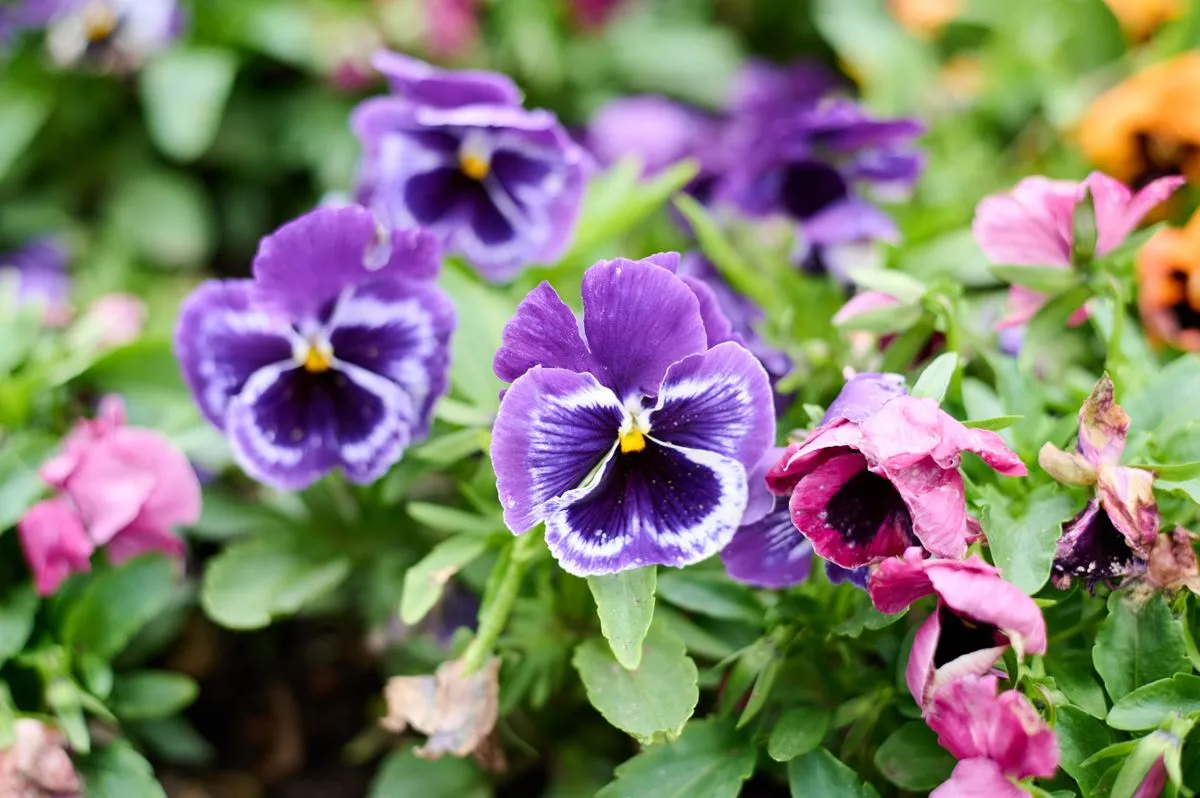
A spent pansy is easy to miss if you only look for brown petals. Check for flowers that have wilted, faded to a washed out colour, lost petals, or started to swell into a small green seed pod at the centre. That swelling is the plant shifting energy into seed production, which is exactly what deadheading stops. Healthy new buds sit tight and upright beside older flowers, so work around them rather than pulling at the whole stem. Once you know the signs, a quick scan of a pot takes under a minute.

2. Snip at the Right Point, Not Just the Petals
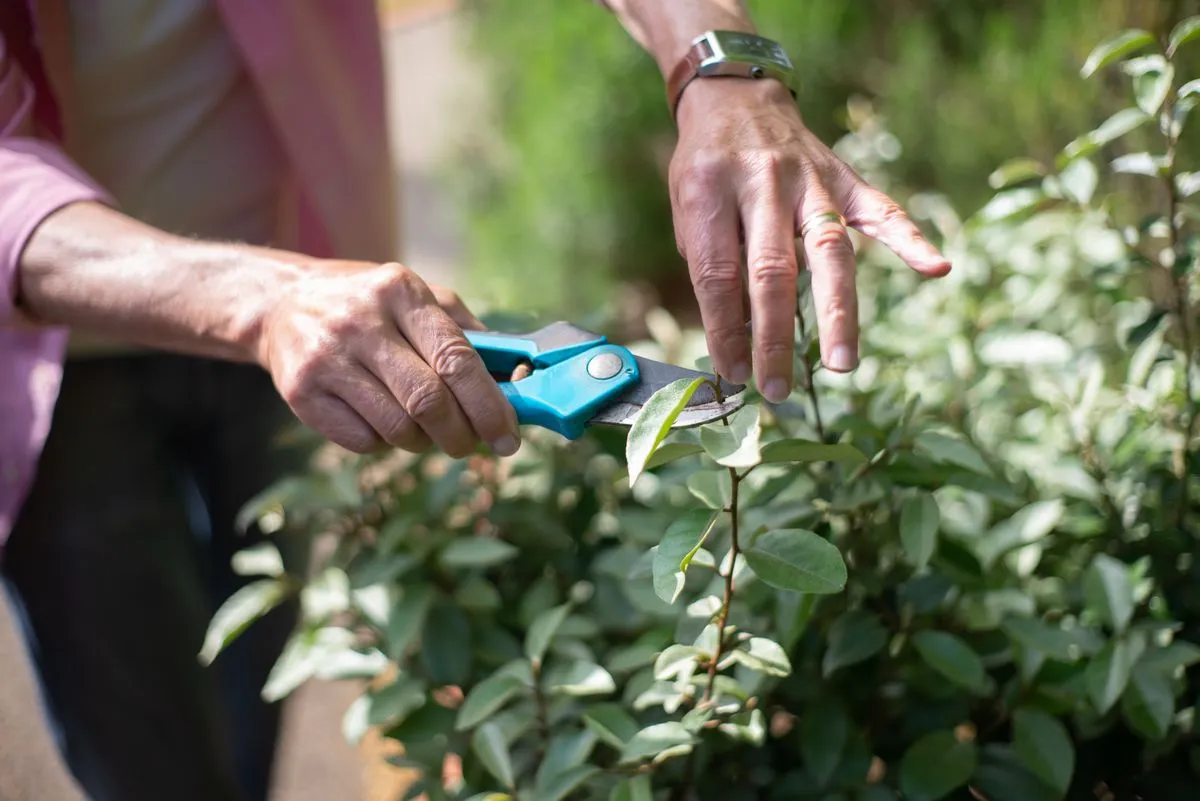
Pinching off petals alone leaves the seed pod behind, so the plant still wastes energy. Follow the thin flower stem down to the first healthy leaf joint or to a side bud, and cut there with clean snips. For most pansies that cut is 1 to 2 inches below the flower head. Make one clean cut at a slight angle so water runs off the stem, and avoid tearing, which leaves a ragged wound that invites grey mould in damp winter air. Drop each spent head straight into your bucket, not onto the soil, where it can harbour disease.
3. Deadhead Every Few Days in Mild Weather
In mild spells above about 7C (45F), pansies push new flowers fast, so deadhead every 2 to 3 days to stay ahead of seed set. In colder weeks, when growth slows, once a week is enough. A good rule is to deadhead whenever you see five or more spent blooms on one plant, rather than waiting for a big monthly tidy. Small, frequent snips keep the plant compact and flowering, while a neglected plant stretches, thins out, and puts its strength into seeds instead of blooms.
4. Feed Lightly, and Only When Plants Are Growing
Winter pansies need far less feed than summer bedding. Use a balanced liquid feed at half strength, once every 3 to 4 weeks, only when soil is moist and temperatures are above freezing. A typical dose is about 5 ml per litre of water for a 12 inch pot. Skip feeding during a hard freeze or when plants look wilted from cold. In beds enriched with compost at planting, one light feed a month is plenty.
5. Water in the Morning, and Never Let Pots Sit in Water
Cold, wet roots kill more winter pansies than frost does. Check the top inch of soil with your finger: water only when it feels dry, and water in the morning so foliage dries before nightfall. Give a pot a thorough soak until water runs from the drainage holes, then empty the saucer after 20 minutes. Raise pots on pot feet or bricks so they drain freely and do not freeze to a cold patio. In beds, water at soil level rather than overhead, and avoid watering the day before a forecast hard freeze if the soil is already damp.
6. Mulch Beds 2 to 3 Inches Deep, but Keep It Off the Crown
A 2 to 3 inch layer of bark mulch, leaf mould, or well rotted compost insulates bed grown pansies and stops soil splashing onto leaves during winter rain. Spread it after the soil has cooled in late autumn, and pull it back about 1 inch from each plant crown so stems stay dry and air can move. Mulch that piles against the crown traps moisture and encourages crown rot, which is the opposite of protection. Top up thin patches after heavy rain, but do not add a fresh thick layer in midwinter over frozen soil, since that can lock cold in.

7. Give Frost Protection Before the Freeze, Not After
Pansies tolerate light frost, often down to about minus 5C (23F) for hardy series, but a sharp drop to minus 10C (14F) or a cold wind can flatten foliage and spoil open flowers. When a hard frost is forecast, drape horticultural fleece over plants in the late afternoon and weight the edges with bricks so wind cannot lift it. Remove the fleece on mild mornings so plants get light and air. For a single cold night, an upturned bucket over a small pot works, but take it off first thing in the morning. Never use plastic sheeting directly on foliage, since it traps condensation that freezes on the leaves.
8. Treat Containers Differently from Beds
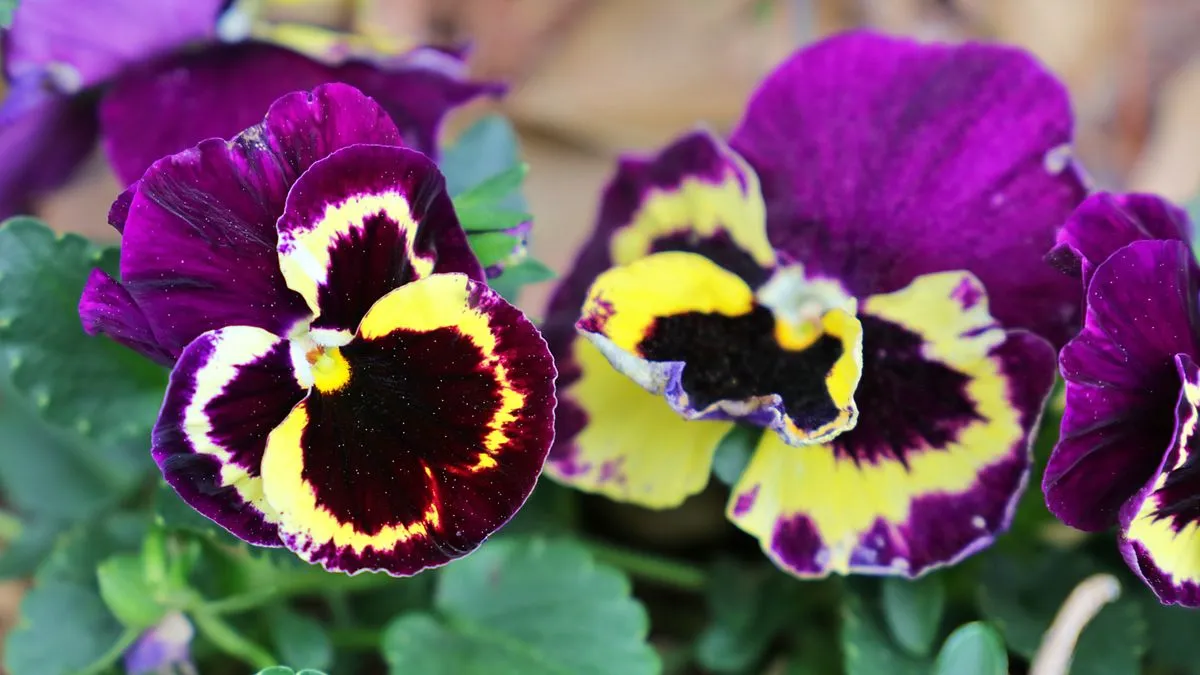
Roots in pots feel cold far faster than roots in the ground, since a pot has no surrounding soil to buffer temperature swings. Move containers against a south facing wall, group pots together, and wrap the sides with bubble wrap or hessian for the coldest weeks, leaving drainage holes clear. A 12 inch terracotta pot freezes sooner than a 16 inch glazed pot, so plant 3 to 5 pansies per 12 inch pot. In a severe cold snap, move small pots into an unheated porch or cold frame overnight.
9. Cut Back Leggy Plants in Late Winter
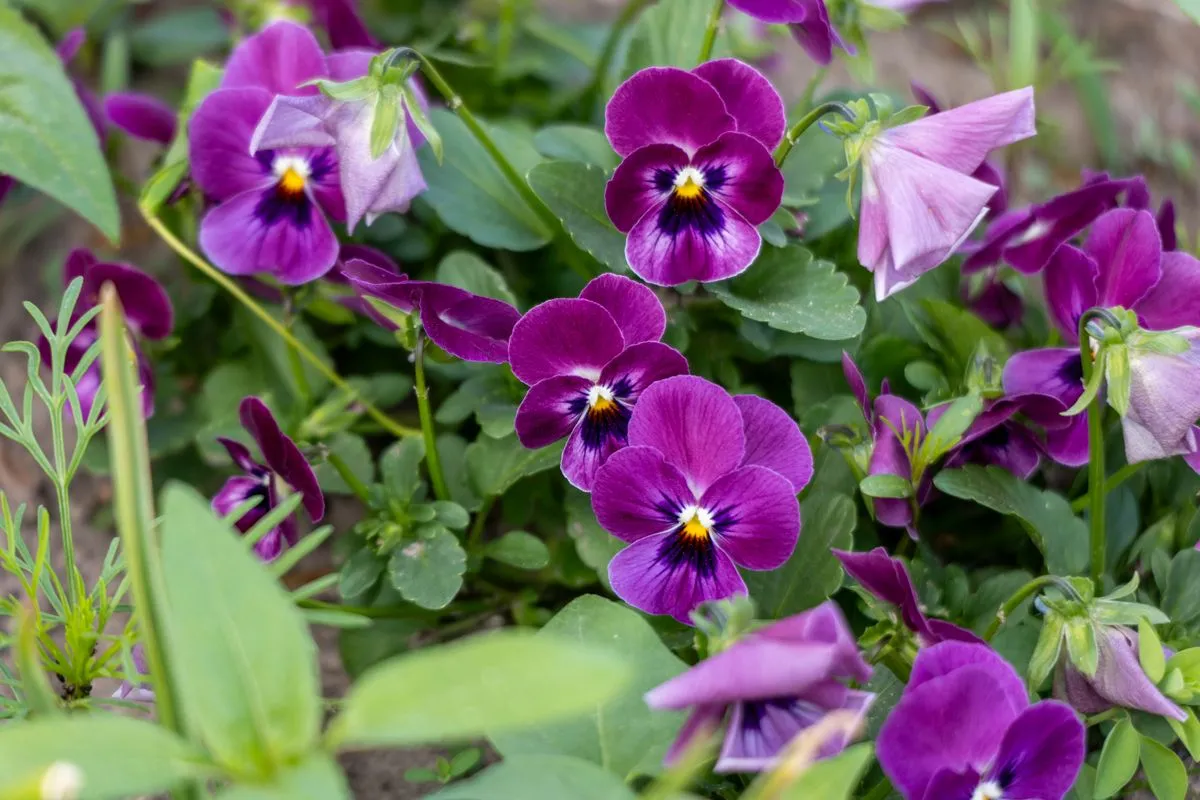
By February, some pansies grow long, bare stems with flowers only at the tips. This is the moment for a harder cut back, not more deadheading. Trim leggy stems back by about one third, cutting just above a healthy leaf joint, and remove any yellow or mouldy leaves at the same time. Water lightly after cutting and give one half strength liquid feed once growth resumes. Most plants respond within 2 to 3 weeks with fresh side shoots and a second flush of flowers, which is far better than letting a straggly plant limp into spring.
10. Watch for Aphids, Slugs, and Grey Mould
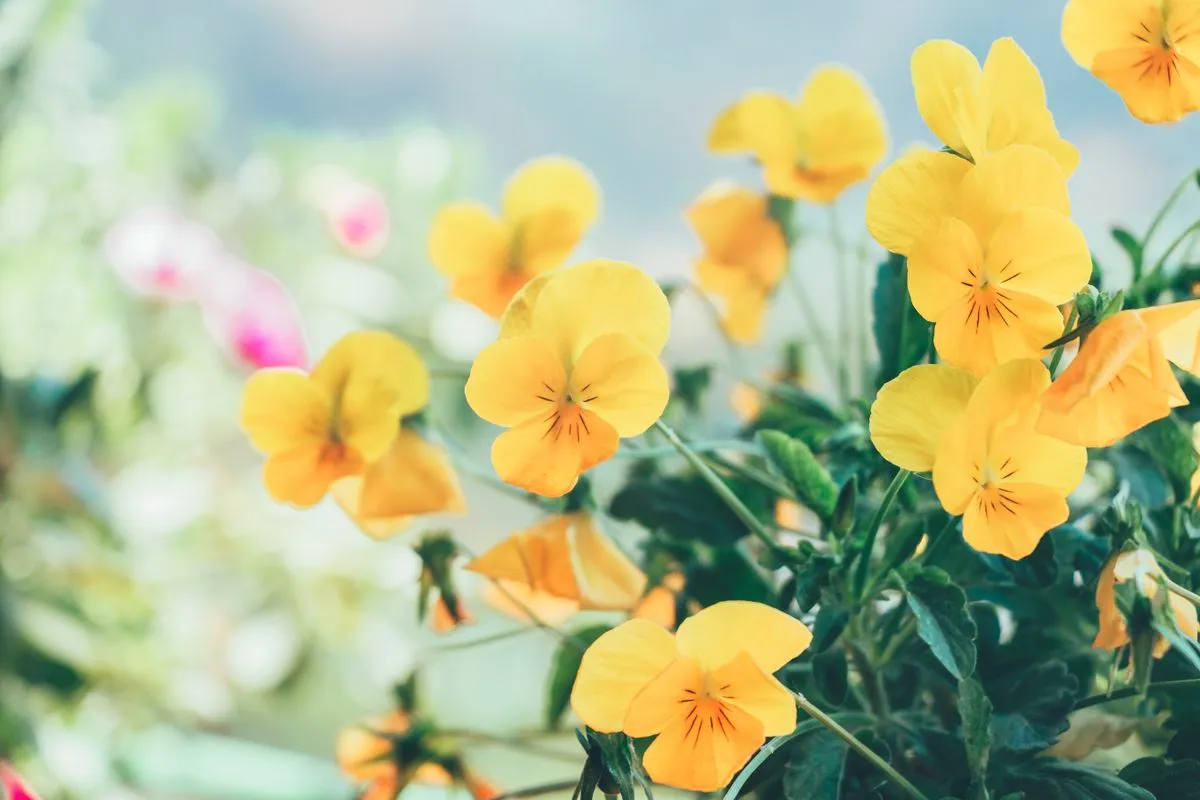
Winter pests are fewer, but they still find pansies. Check leaf undersides weekly for greenfly clusters, and wash small numbers off with a strong jet of water or pick them off by hand. Slugs hide under pots and mulch on mild, damp nights, so check after rain and move pots off damp ground where you can. Grey mould shows as fuzzy grey patches on spent flowers and leaves, especially in still, humid air. Remove affected material at once, space plants so air moves between them, and never leave deadheaded blooms lying on the soil. Clean snips with soapy water between plants if you cut diseased growth.
11. Choose Hardy Varieties for Your Coldest Spots
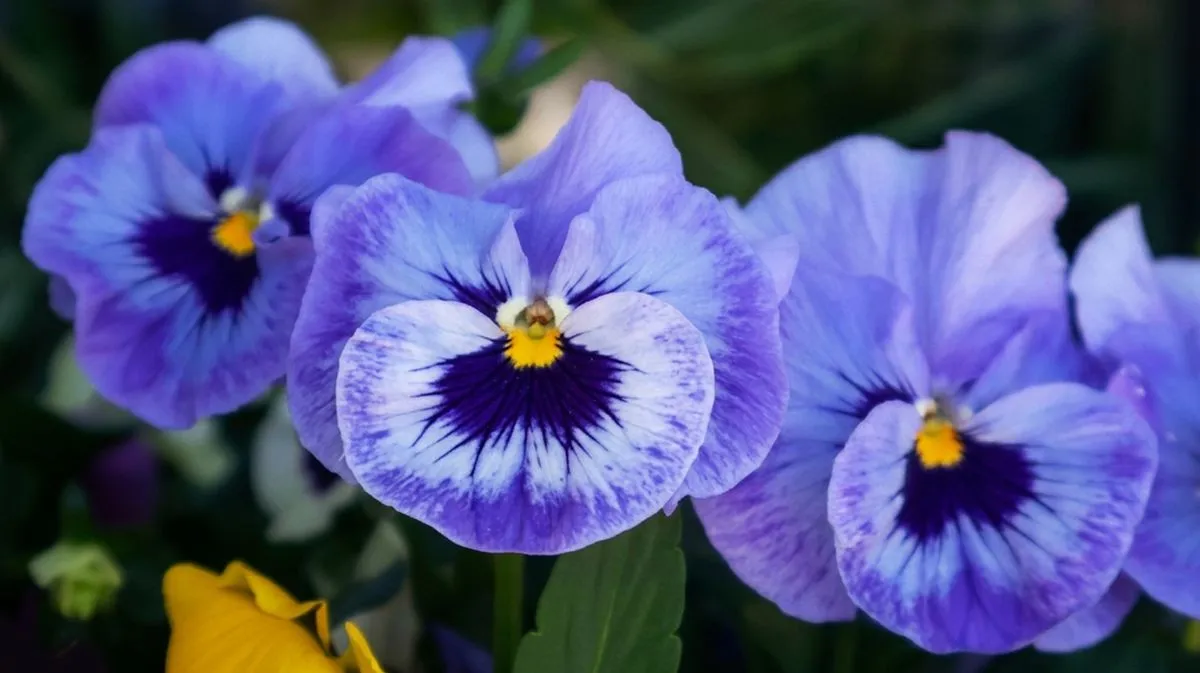
Cool Wave pansies trail and spread, which suits hanging baskets and tall pots, and they recover well after frost. Matrix pansies stay compact with large flowers, which suits beds and window boxes. Crown pansies form neat mounds and suit edging and small pots. In gardens with regular hard frost, plant hardy series in the sunniest, most sheltered spot, and keep unknown varieties closer to the house.

12. Read the Spring Revival Signs, and Act on Them
Spring revival starts quietly: tiny green buds at leaf joints, firmer leaves after a mild week, and new flowers opening low on the plant rather than only at stem tips. When you see those signs, usually from late February into March, remove the last frost damaged leaves, give one light feed, and refresh the top inch of compost in pots. Do not pull plants out just because they looked flat in January, since pansies often bounce back once days lengthen. If a plant has a black, mushy crown and no green growth by mid March, compost it and replace it, since that crown has rotted.

Mistakes That Undo Good Deadheading
The most common mistake is deadheading only the petals and leaving seed pods to form, which defeats the whole job. The second is overwatering in winter, especially pots standing in saucers of water, which rots roots faster than any frost. Other errors include piling mulch against crowns, covering plants with plastic, feeding during a freeze, and cutting plants back hard in midwinter. For more cold season colour, see our winter garden balcony ideas and our Christmas porch column decor ideas.
Frequently Asked Questions
How often should I deadhead winter pansies?
Deadhead every 2 to 3 days in mild weather and about once a week in cold spells. Remove any flower that has wilted, faded, or started to form a seed pod, cutting back to the first healthy leaf joint.
Can winter pansies survive frost without protection?
Yes, hardy winter pansies tolerate light frost and often recover after leaves flatten overnight. Give fleece protection when temperatures are forecast below about minus 5C (23F), and protect pots sooner than beds, since pot roots freeze faster.
Should I cut back winter pansies in spring?
Cut back leggy stems by about one third in late winter or early spring, just above a healthy leaf joint. Fresh side shoots usually appear within 2 to 3 weeks, followed by a strong second flush of flowers.
Why are my winter pansies leggy with few flowers?
Leggy growth usually means missed deadheading, too little light, or overfeeding in warm spells. Move pots to the sunniest spot, deadhead every few days, cut back long stems by one third, and feed only lightly once growth resumes.
Do winter pansies need watering in winter?
Yes, but far less than in summer. Water only when the top inch of soil feels dry, water in the morning, and always empty saucers so pots never sit in water. Wet, cold roots cause more losses than frost alone.
Conclusion
Deadheading and overwintering winter pansies comes down to a few steady habits: snip spent blooms properly, water only when the soil needs it, mulch beds 2 to 3 inches deep, protect pots before a hard freeze, and cut back leggy growth in late winter. Do those things and varieties such as Cool Wave, Matrix, and Crown will reward you with colour through the coldest months and a fresh flush in spring. Start with one pot this week, deadhead it properly, and you will see the difference within a fortnight.