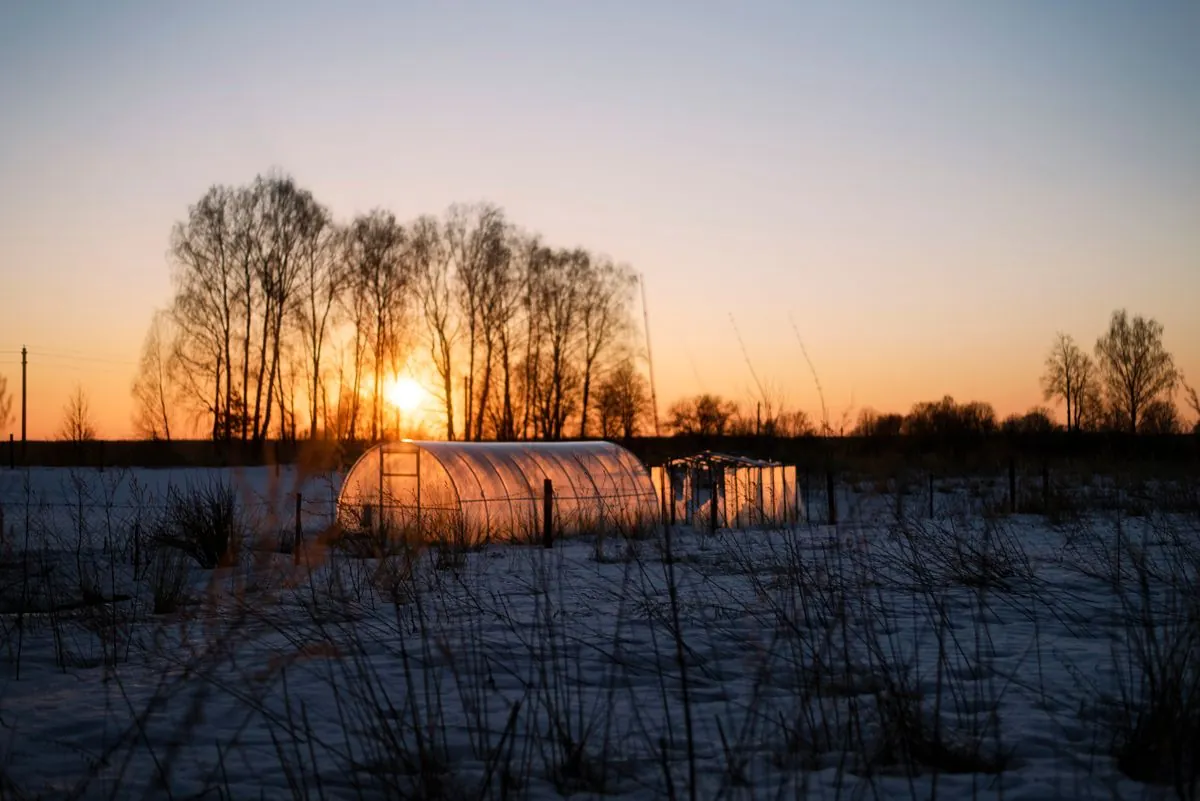
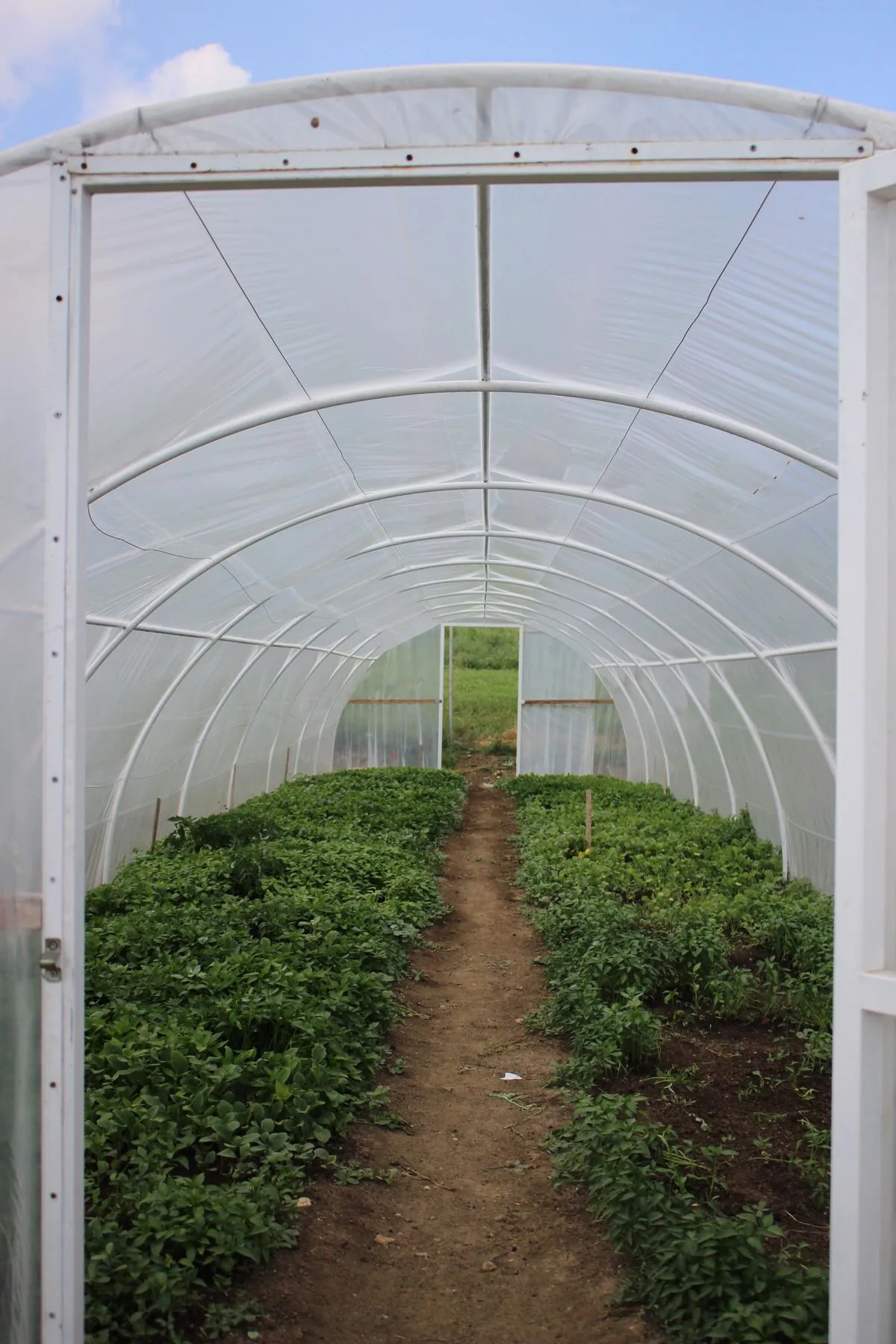
Knowing what to grow in an unheated polytunnel in winter is the difference between a tunnel that feeds you through the cold months and one that just shelters empty beds. An unheated polytunnel will not keep tender summer crops alive, but it does keep rain, wind, and hard frost off hardy plants, and it warms up fast on a sunny day. That shelter is often enough for salads, roots, and herbs, as long as you sow at the right time and pick lightly.
The golden rule is simple: most of your winter harvest is grown in autumn, not in winter. Sow in August and September so plants are established before daylight drops below about 10 hours a day. After that, growth slows, and your job changes to protecting and picking. For a broader plan, see our winter greenhouse gardening guide.
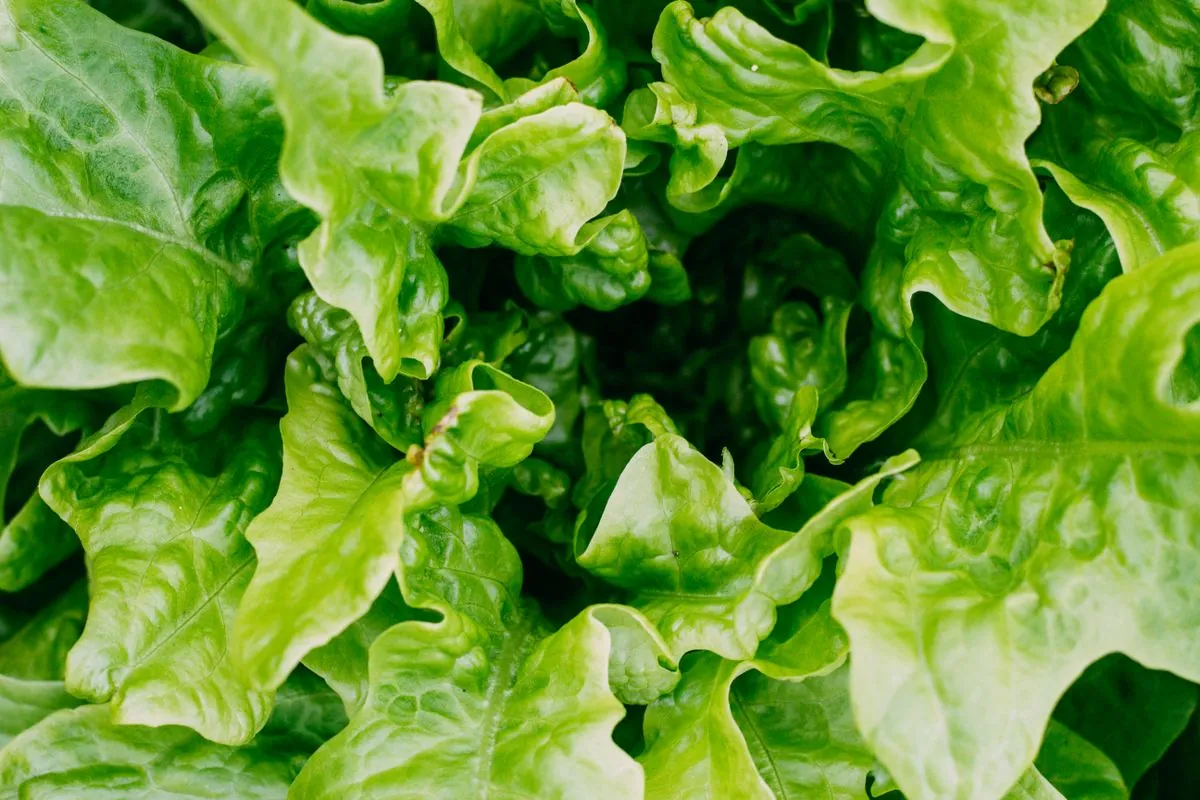
1. Winter Lettuce: What to Grow in an Unheated Polytunnel in Winter for Salads
Winter lettuce is the easiest first crop for an unheated polytunnel. Choose varieties labelled for winter or overwintering, such as Winter Density, Arctic King, or Valdor. Sow in modules in late August to early September, and plant out at 9 to 12 inches apart when seedlings have 4 to 5 true leaves. Lettuce survives light frosts down to about 28 degrees Fahrenheit under cover, but growth stops below about 40 degrees. Pick outer leaves only, and one row of 12 plants can give small salads from November to March.
2. Spinach
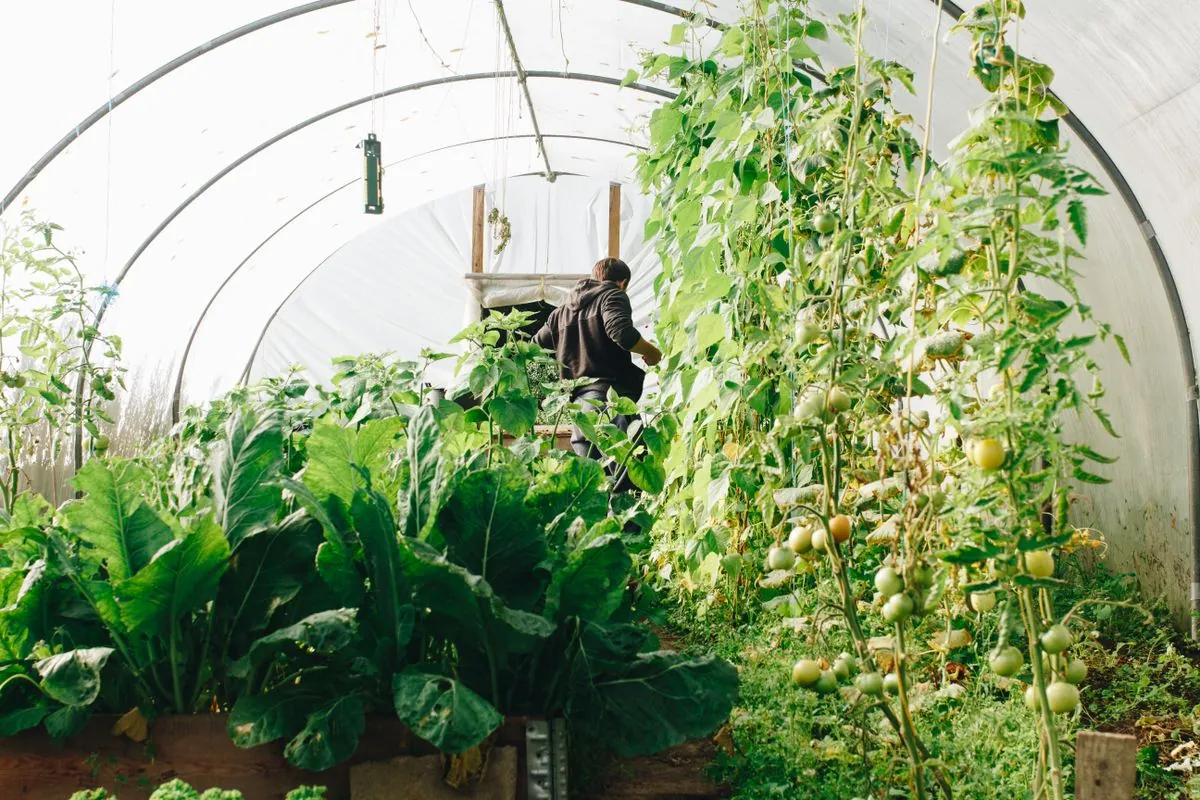
True spinach is tougher than it looks, and it is one of the most useful winter polytunnel crops. Sow direct or in modules from late August to mid September, spacing plants 6 inches apart in rows 12 inches apart. Hardy varieties such as Giant Winter and Medania cope down to about 20 degrees Fahrenheit with fleece on frost nights, though leaves taste best when picked young. Spinach shrinks a lot in cooking, so sow a full row if you want a cooked side dish.
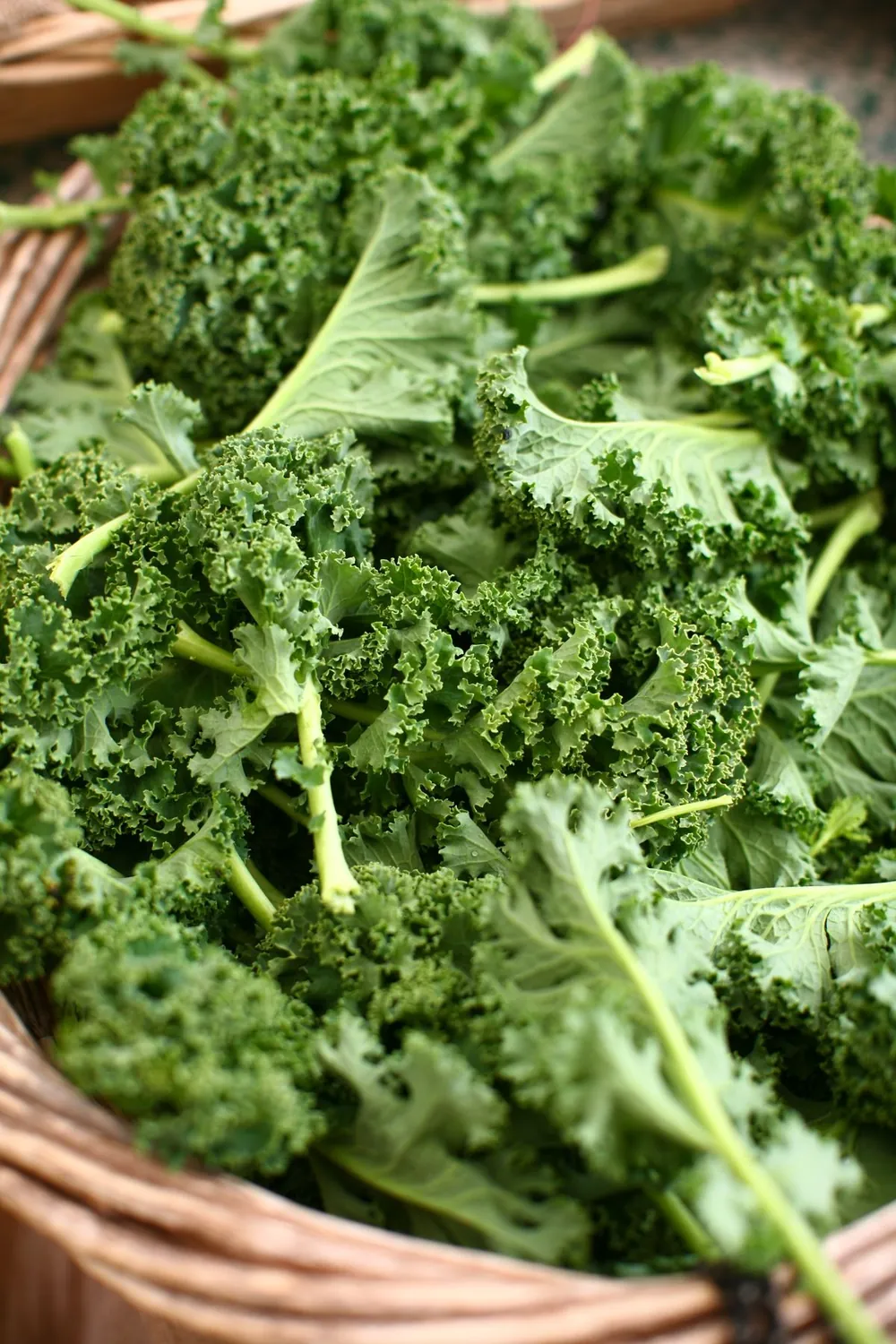
3. Kale
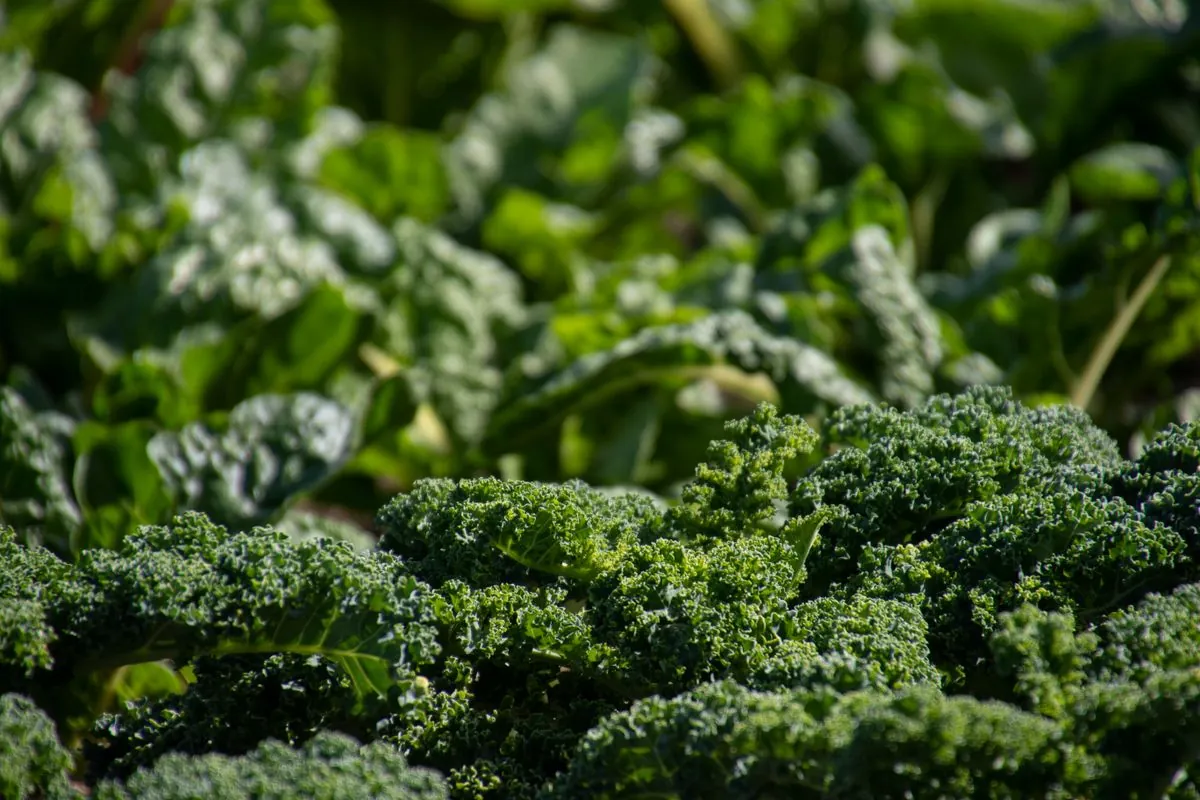
Kale actually improves after a frost, turning sweeter as starches convert to sugars. Sow in July to August, and plant out at 18 inches apart, because winter kale grows large and needs air around the leaves. Varieties such as Nero Toscana, Red Russian, and Winterbor survive down to about 10 degrees Fahrenheit, and they keep producing through snow in many regions. Pick lower leaves first, leave at least 6 leaves on each plant, and strip yellow leaves promptly.
4. Swiss Chard and Perpetual Spinach
Swiss chard, sold as perpetual spinach in some seed catalogues, is a workhorse for winter picking. Sow in August, space plants 12 inches apart, and expect stems in white, yellow, and ruby red from varieties such as Bright Lights. Chard survives down to about 25 degrees Fahrenheit under cover, and it recovers well after light picking. Harvest outer stems, cook stems longer than leaves, and feed plants in early spring for a final flush before they bolt.
5. Mizuna
Mizuna is a fast, mild, peppery Asian green that suits beginners perfectly. Sow direct from August to mid September, thin seedlings to 6 inches apart for cut and come again picking, or 10 inches apart for full heads. Mizuna survives down to about 20 degrees Fahrenheit with fleece, and it grows faster than most winter salads in autumn. Sow a short row every 3 weeks in August and September for a steady supply long after outdoor beds finish.
6. Tatsoi
Tatsoi forms a low, flat rosette of spoon shaped leaves, and it is one of the hardiest Asian greens for an unheated tunnel. Sow in August to September, space plants 8 to 10 inches apart, and pick whole rosettes when they reach about 8 inches across, or pick outer leaves for a longer harvest. Tatsoi copes down to about 15 degrees Fahrenheit under fleece, and its compact shape fits neatly at the front of a bed. Try it raw when young, and stir fried when larger.
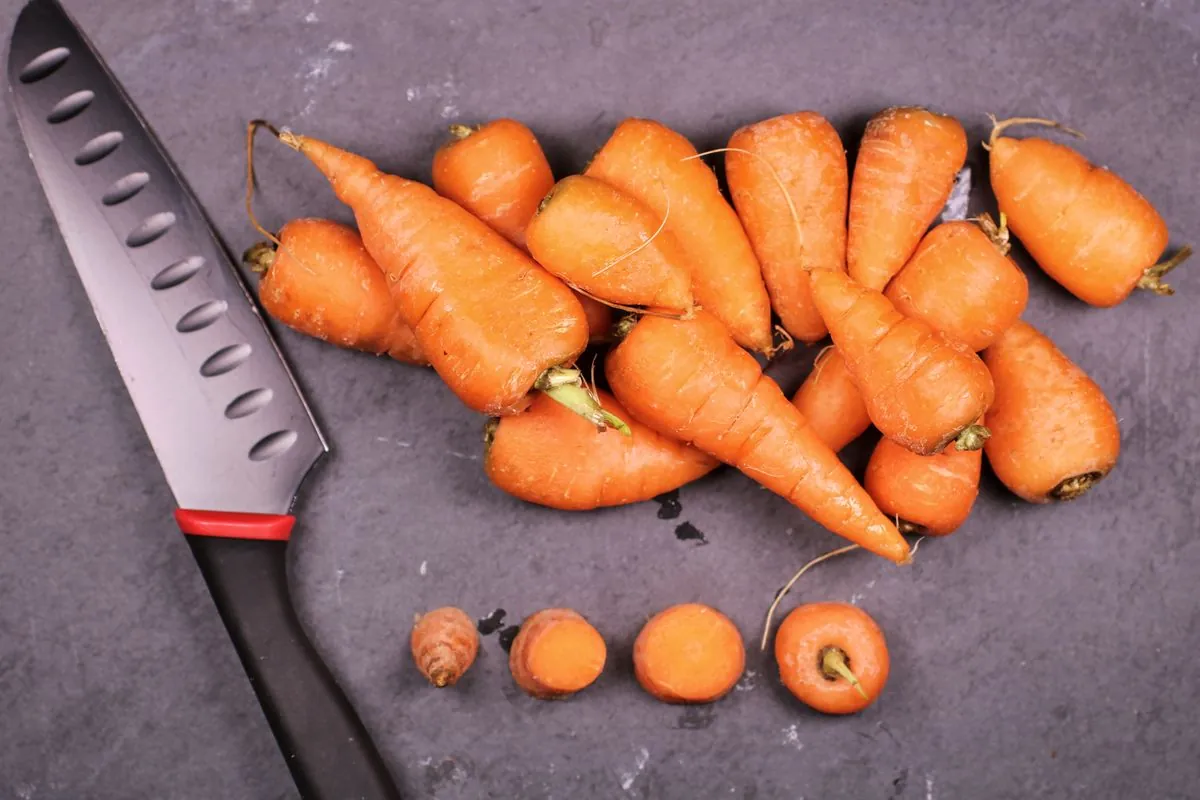
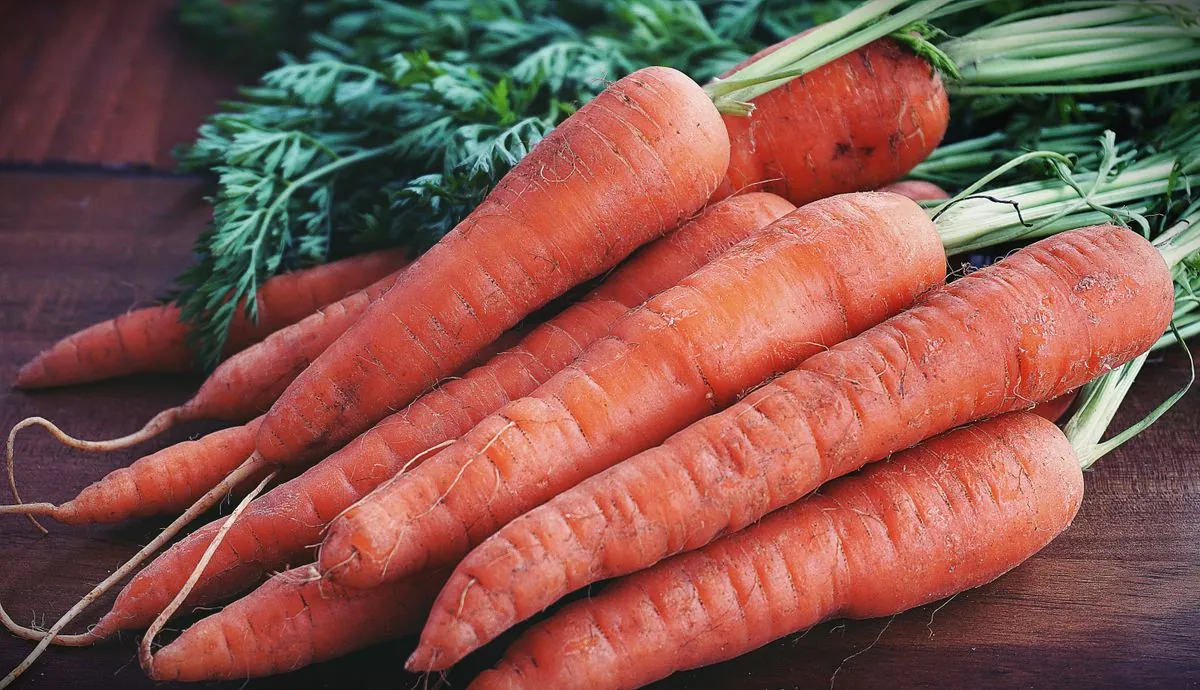
7. Carrots
Carrots sown in a polytunnel in late summer can be lifted all winter, and cold soil makes them sweeter. Sow in August into deep, stone free soil, thin to 2 inches apart in rows 12 inches apart, and choose varieties such as Autumn King or Nantes 2. Roots survive down to about 28 degrees Fahrenheit, but stop growing below about 40 degrees, so size is set by autumn growth. Mulch with 3 inches of straw in November, and lift only what you need.
8. Radishes
Radishes are the quickest reward in a winter polytunnel, ready in as little as 4 to 6 weeks from an autumn sowing. Sow in August to September, and again in February under cover, spacing seeds 1 inch apart in rows 6 inches apart. Varieties such as French Breakfast and Cherry Belle cope with light frosts down to about 28 degrees Fahrenheit, but they turn woody if left too long, so pick promptly. Young radish leaves are edible too, so wash them well and add them to salads or soup.
9. Spring Onions
Spring onions sown in September will overwinter in a polytunnel and give you fresh green tops when little else is growing. Sow direct in rows 6 inches apart, thin to about 1 inch apart, and use hardy varieties such as White Lisbon Winter Hardy. They survive down to about 20 degrees Fahrenheit under fleece. Pull them as needed from February onward.
10. Garlic
Garlic actually needs a cold period to form bulbs, which makes an unheated polytunnel ideal. Plant cloves in October to November, pointed end up, 2 inches deep and 6 inches apart in rows 12 inches apart. Garlic needs cold below about 50 degrees Fahrenheit for several weeks to split into cloves. Varieties such as Music and Chesnok Red do well, and bulbs are ready in June to July when leaves yellow. For feeding beds before planting, see our composting in winter guide.
11. Broad Beans
Broad beans are a classic overwintering crop, and a polytunnel gives them a head start over outdoor sowings. Sow in October to November in modules or direct, spacing plants 9 inches apart in double rows 18 inches apart. Hardy varieties such as Aquadulce Claudia survive down to about 15 degrees Fahrenheit, and flower weeks earlier under cover. Pinch out tips in spring when pods set, to deter blackfly.

12. Peas for Shoots and Early Pods
Peas do double duty in a winter polytunnel: sow thickly for pea shoots, or sow hardy varieties for early pods. For shoots, sow thickly in September to October, and snip shoots at 4 to 6 inches tall. For pods, sow Meteor or Feltham First in October, spacing plants 3 inches apart, and expect pods in April to May. Peas survive down to about 25 degrees Fahrenheit, but fleece them on hard frost nights.
13. Parsley
Parsley is slow to germinate but very hardy once established, and a polytunnel keeps it picking through winter. Sow in August, or plant out shop bought plants in September, spacing plants 9 inches apart. Flat leaf parsley has the best cooking flavour. Plants survive down to about 20 degrees Fahrenheit under cover, and one plant supplies a household for months if you pick outer stems regularly.
14. Chives and Other Hardy Herbs
Chives, thyme, and winter savory keep a winter kitchen supplied with fresh flavour. Plant chives in September, spacing clumps 9 inches apart, and snip leaves to about 1 inch above the base so they regrow. Chives survive down to about 15 degrees Fahrenheit, go dormant in hard cold, then regrow in spring. Thyme in pots needs sharp drainage and light watering, while mint must stay in a pot or it will take over the bed.
15. Winter Purslane and Corn Salad
Finish your winter bed with two underrated salads: winter purslane, also called claytonia, and corn salad, also called lambs lettuce. Sow both in September, spacing plants 4 to 6 inches apart, and pick leaves through winter as a cut and come again crop. Both survive down to about 20 degrees Fahrenheit under fleece, and grow when lettuce has stopped, because they tolerate low light better. In a small tunnel, they give the most winter salads per square foot on this list. For more crop ideas to compare, see our top 10 winter greenhouse crops to try guide.
How to Protect Crops in an Unheated Polytunnel
Fleece is your heater in an unheated tunnel. Drape it over hoops on frost nights, so it does not lie flat on wet leaves, and lift it on mild days for light and air. Ventilate daily by opening the door for 20 to 30 minutes around midday, because damp air causes grey mold faster than cold damages leaves. Water in the morning only when the top inch feels dry, and never pick frozen leaves: wait until they thaw.
Frequently Asked Questions
Can I grow vegetables in an unheated polytunnel in winter?
Yes, if you choose hardy crops and sow them in August and September. Lettuce, spinach, kale, chard, Asian greens, carrots, radishes, garlic, broad beans, and hardy herbs all grow in an unheated polytunnel in winter, with fleece on frost nights and light picking.
What temperature does an unheated polytunnel reach at night?
An unheated polytunnel is typically only 3 to 7 degrees Fahrenheit warmer than outside at night, unless you add fleece or bubble wrap. On a clear frost night it can still drop below freezing, so check a min/max thermometer at plant height.
When should I sow winter polytunnel crops?
Sow most winter polytunnel crops in August to mid September, so plants are established before daylight falls below about 10 hours a day. Garlic and broad beans are the exceptions: plant garlic in October to November, and sow broad beans in October to November for a spring harvest.
Do I need to heat a polytunnel for winter salads?
No, winter salads do not need heating if you pick hardy varieties, sow on time, and use fleece on cold nights. Heating is only needed for tender crops such as tomatoes or citrus, which do not belong in an unheated winter tunnel.
How often should I pick winter polytunnel crops?
Pick lightly and often, taking only outer leaves. In December and January, one light picking every 2 to 3 weeks per plant is realistic, with faster regrowth in February and March.
Conclusion
What to grow in an unheated polytunnel in winter comes down to timing, hardiness, and restraint. Sow in late summer, choose crops that enjoy cold, protect them with fleece, ventilate daily, and pick only what plants can spare. Do that, and one unheated tunnel can give salads, roots, herbs, and early pods for months, with no heating bill.