Winter fertilizer numbers explained in plain language can save you from the most common cold season mistake: feeding at the wrong time, with the wrong mix, in the wrong amount. Those three numbers on the bag are not a mystery code. They tell you exactly how much nitrogen, phosphorus, and potassium you are putting on your lawn, beds, and pots. This guide gives you 15 practical tips with real ratios, rates, and timing, so you can feed plants right and help them wake up strong in spring.
The short version is this: in late autumn, most gardens need less nitrogen than in summer, a small amount of phosphorus for roots, and a generous share of potassium for cold tolerance. Feed while roots are still active, water it in, and then stop. Once the ground is frozen, extra fertilizer mostly sits unused, washes away, or burns roots. For a wider cold season plan, see our winter greenhouse gardening guide.
1. Read the Three Numbers in Order for Winter Fertilizer Numbers Explained
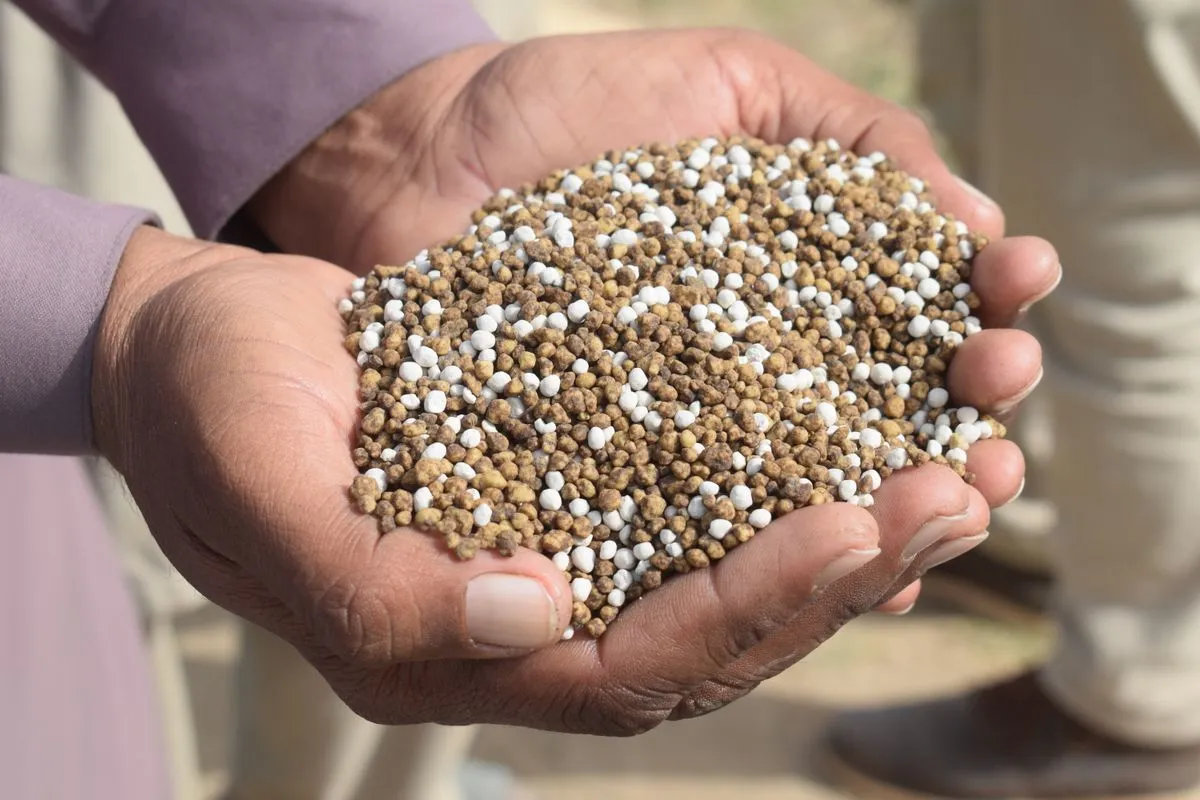
Every fertilizer bag shows three numbers in the same order: nitrogen (N), phosphorus (P), and potassium (K). A bag marked 12-4-8 contains 12 percent nitrogen, 4 percent phosphorus, and 8 percent potassium by weight, and the remaining 76 percent is filler or secondary nutrients such as calcium and magnesium. So a 50 pound bag of 12-4-8 holds about 6 pounds of actual nitrogen, 2 pounds of phosphorus, and 4 pounds of potassium. Always read all three numbers before you buy.
2. Pick a Winter Ratio, Not a Summer Ratio
Summer lawn food is often high in nitrogen, for example 24-0-0, because the goal is fast green growth. Winter feeding has a different job: steady roots and cold tolerance, not a growth spurt. Good winter ratios include 12-4-8 and 16-4-8, where potassium is twice the phosphorus and nitrogen stays moderate. For beds that already test high in phosphorus, a ratio such as 15-0-15 can be smarter, because it skips phosphorus you do not need.
3. Test Your Soil Before You Guess a Ratio
A basic soil test, usually 15 to 30 dollars from a cooperative extension lab, tells you the pH and the levels of phosphorus and potassium already in your soil. If phosphorus is already high, adding more will not help roots and can pollute runoff. If potassium is low, a winter formula with a higher third number is worth the extra cost. Test once a year in autumn, take samples from 6 inches deep in several spots, mix them, and follow the lab’s rate advice over any generic bag label.

4. Time the Last Feed Three to Four Weeks Before Dormancy
Timing is the part most gardeners get wrong. Apply a winterizer feed about three to four weeks before your plants are likely to go dormant, which for many temperate gardens means late October through November. Roots are still active then and can take up nutrients and store energy. If you wait until growth has stopped, the fertilizer cannot be absorbed properly. Mark your average first frost date and count back four weeks: that is your target window.

5. Use Slow Release Granules in Cold Weather
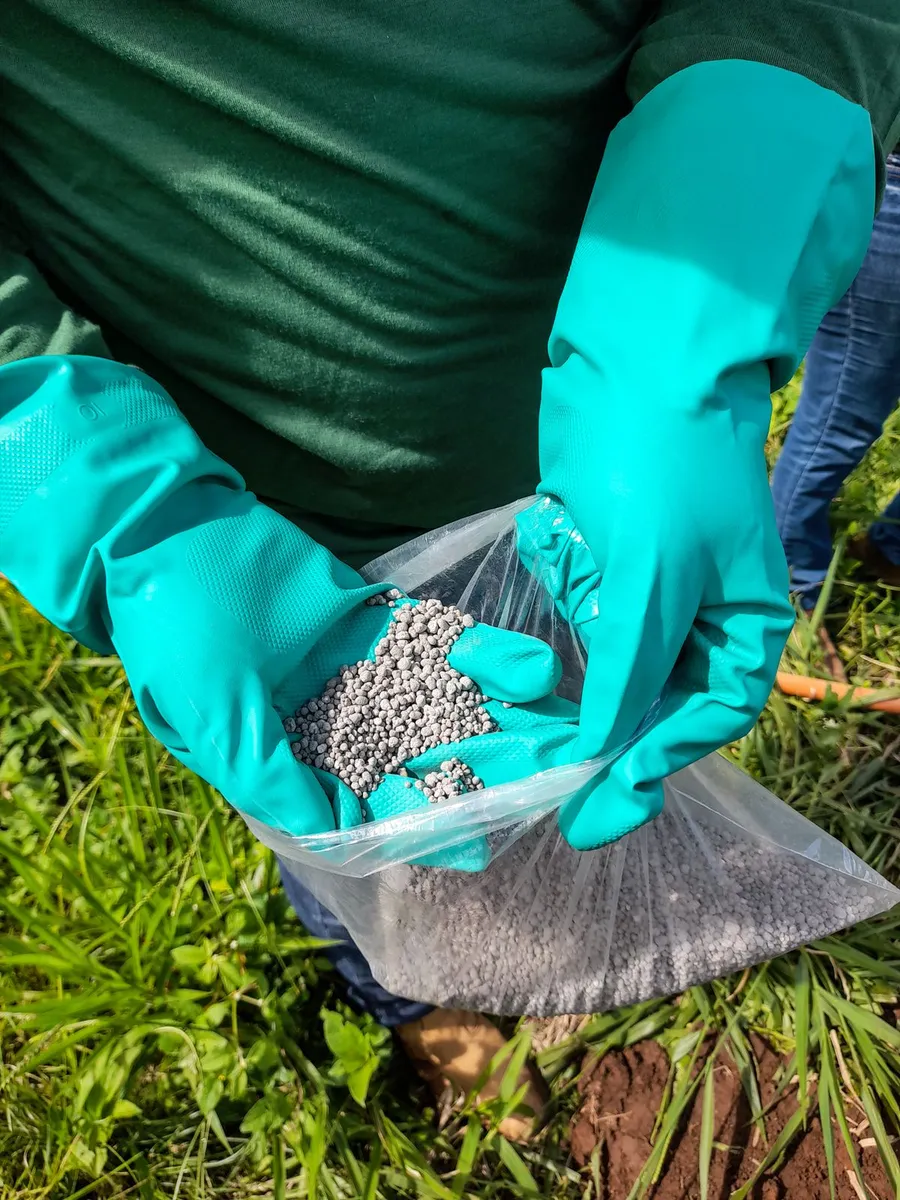
Granular slow release fertilizer suits winter better than fast liquid feed, because it releases nutrients gradually over 8 to 12 weeks. Liquid feed acts in days, which is fine in spring but risky in late autumn, when a warm spell can push soft new growth that the next frost kills. Spread granules evenly, avoid piling them against stems, and water lightly afterward. Do not apply granules to frozen ground or just before a heavy downpour.
6. Get the Lawn Rate Right: About One Pound of Nitrogen per 1,000 Square Feet
For a winterizer lawn application, a common safe rate is about 1 pound of actual nitrogen per 1,000 square feet, and never more than the bag label allows. With a 12-4-8 product, divide 1 by 0.12, which gives about 8.3 pounds of product per 1,000 square feet. With a 16-4-8 product, divide 1 by 0.16, which gives about 6.25 pounds. Weigh it, set your spreader to the bag setting, and walk in straight overlapping passes. Excess nitrogen in winter can burn grass and leach away.
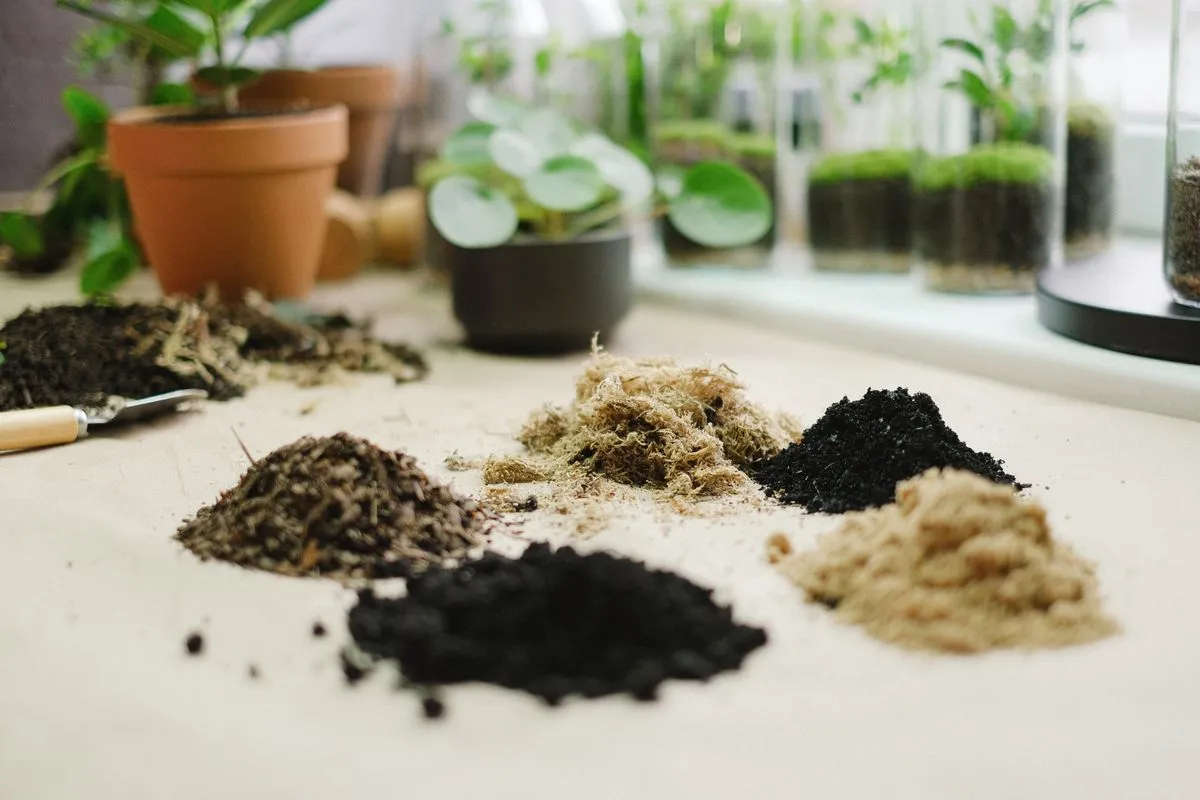
7. Feed Beds and Borders at Half the Lawn Rate
Perennial beds, shrubs, and trees usually need less nitrogen than a lawn, and they suffer more from late soft growth. Use about half the lawn nitrogen rate for established beds, roughly 0.5 pound of nitrogen per 1,000 square feet, and keep granules at least 6 inches away from stems and trunks. For a single shrub, scatter a small handful around the drip line, not against the bark. Mulch with 2 to 3 inches of bark or leaf mold.
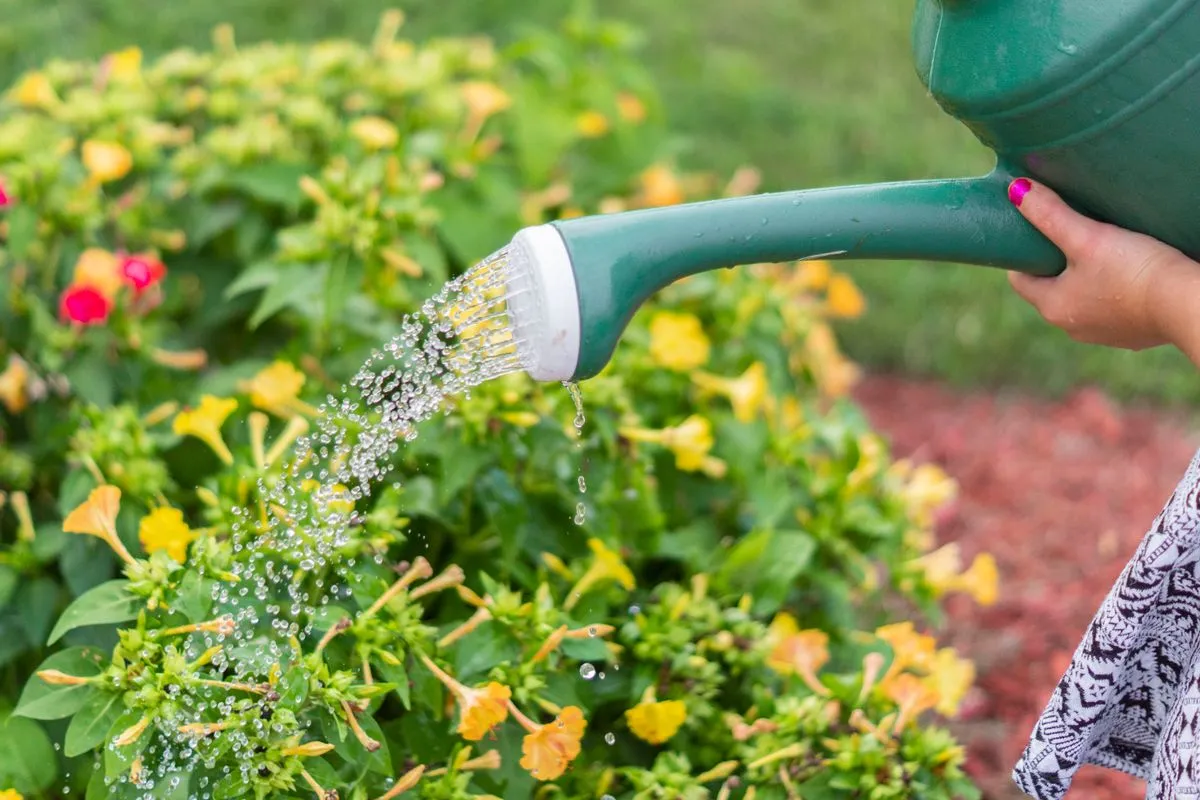
8. Water In Every Feed, Even in a Damp Autumn
Fertilizer left dry on leaves or soil can scorch foliage and wash into drains. Water every application in with about a quarter inch of water, roughly 15 minutes with a sprinkler, unless steady rain is forecast within a day. Water in the morning so foliage dries before night, and never feed a drought stressed plant without watering first. In pots, water until a little runs from the drainage holes, then empty the saucer.
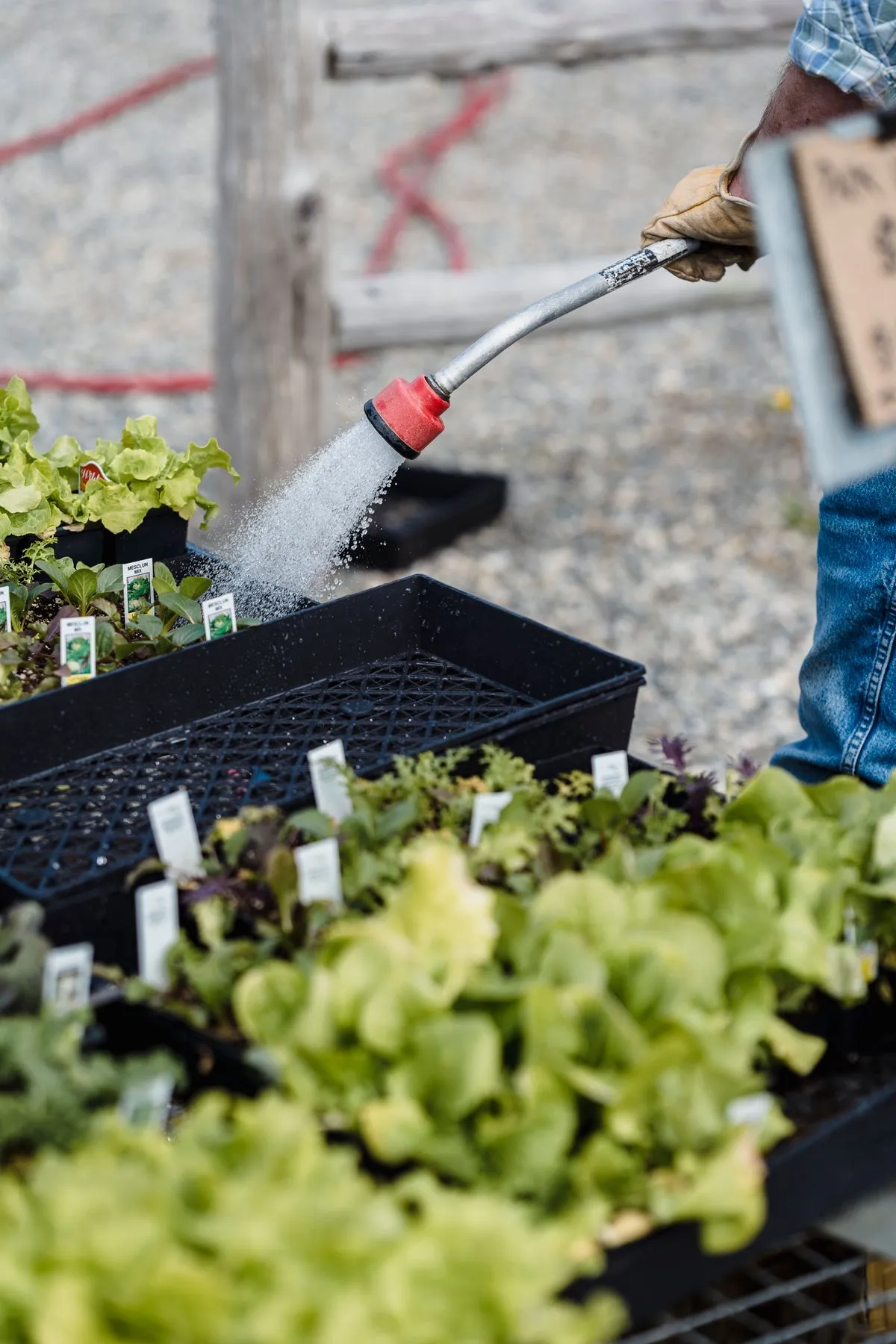
9. Give Potassium the Credit for Cold Tolerance
Potassium, the third number, is the winter workhorse. It helps plants manage water, strengthen cell walls, and cope with frost, drought, and disease stress. If your soil test shows low potassium, look for a product where the third number is equal to or higher than the first, such as 10-0-20, and always follow the label rate.

10. Keep Phosphorus Small Unless Roots Need It
Phosphorus supports root development, which sounds ideal before winter, but most established garden soils already hold plenty of it. A small amount, such as the 4 in 12-4-8, is enough for most lawns and beds. Save higher phosphorus formulas for new plantings, new lawns from seed, or a soil test that clearly shows a deficiency. In new beds, work a starter into the top 6 inches at planting time, not as a surface scatter in December, when rain can carry it away.
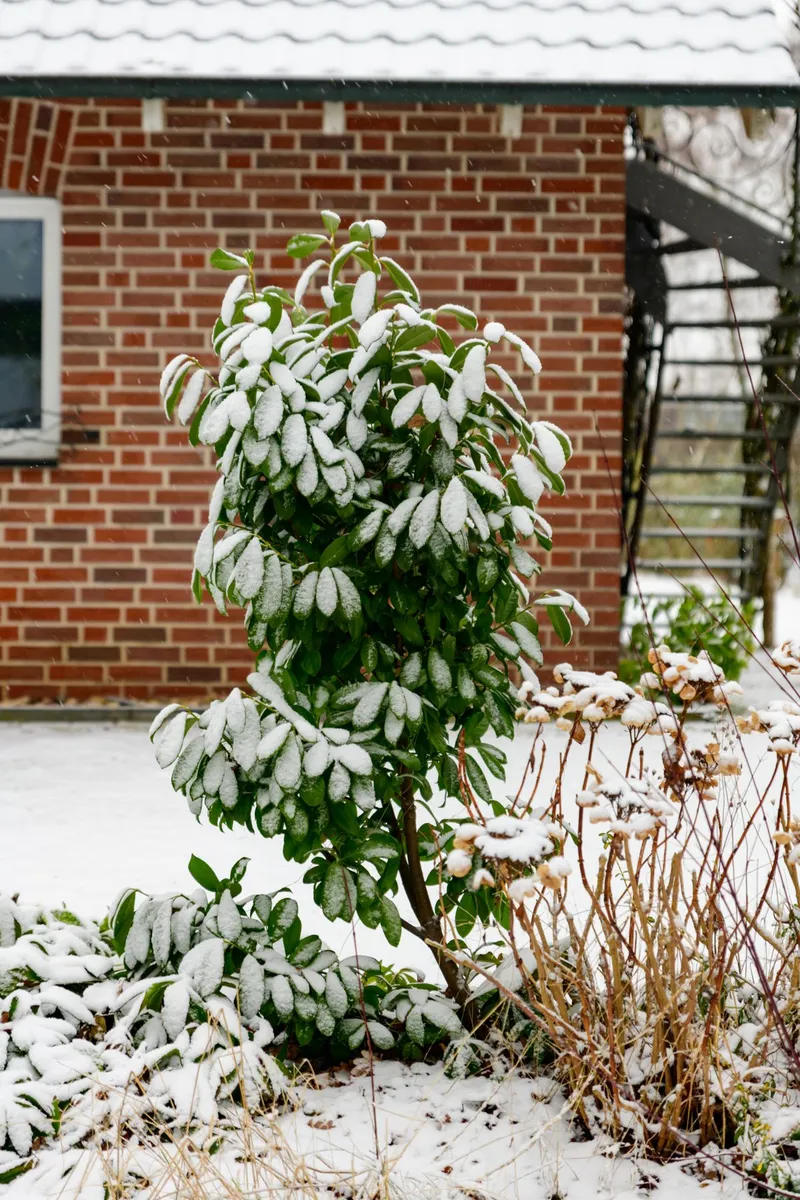
11. Know Which Plants to Skip in Winter
Not every plant wants winter food. Skip fertilizer for fully dormant perennials, bulbs already planted, and most houseplants that have slowed down, because feeding them now forces weak growth. Tender plants brought indoors for winter need only a very light feed, if any, until spring growth resumes. For lavender specifically, which hates wet winter feet more than hunger, see our lavender in winter guide. Feed only plants still actively growing, such as winter vegetables and cool season lawns.
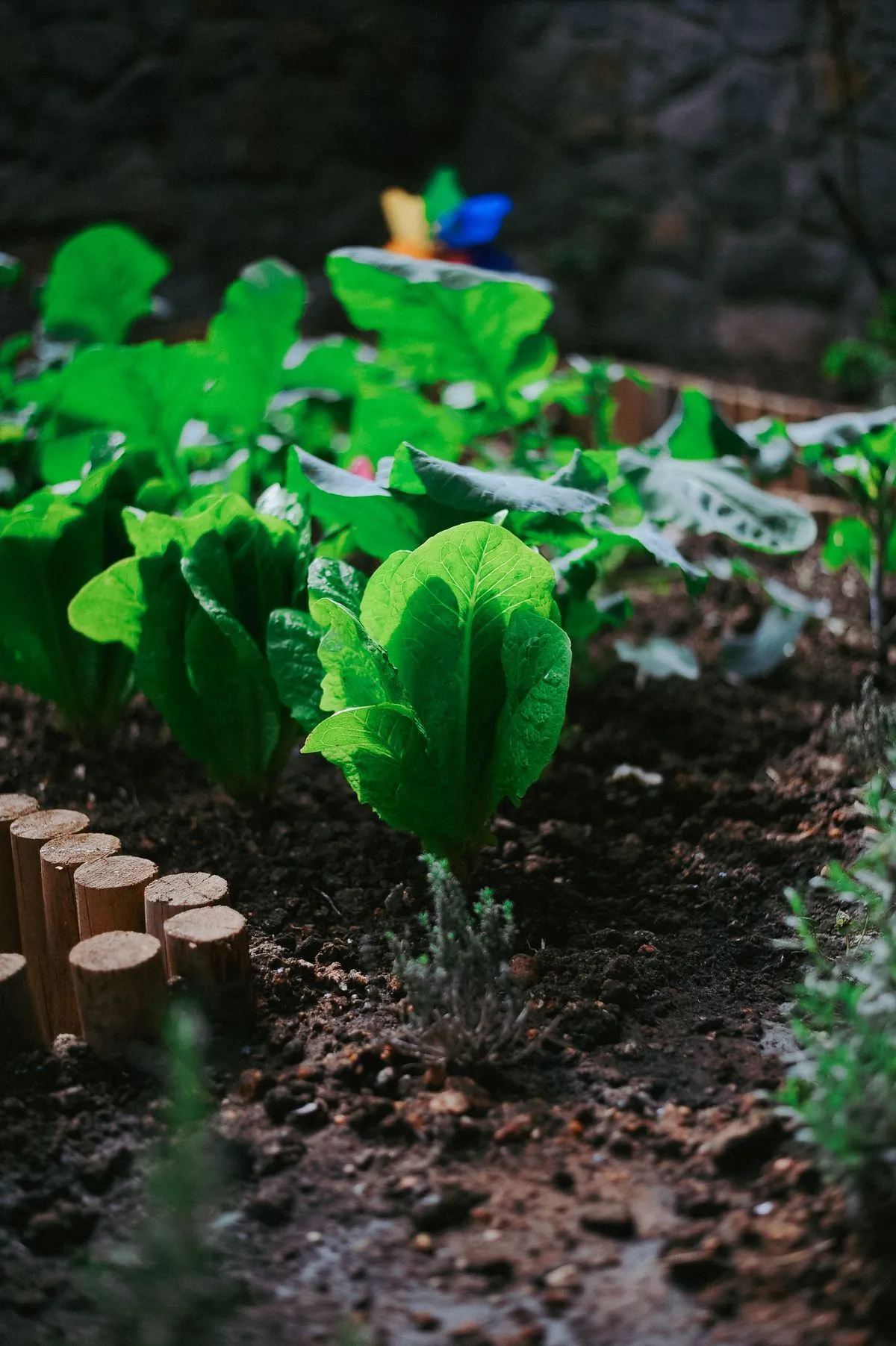
12. Use Compost as Your Winter Base, Not a Replacement for Minerals
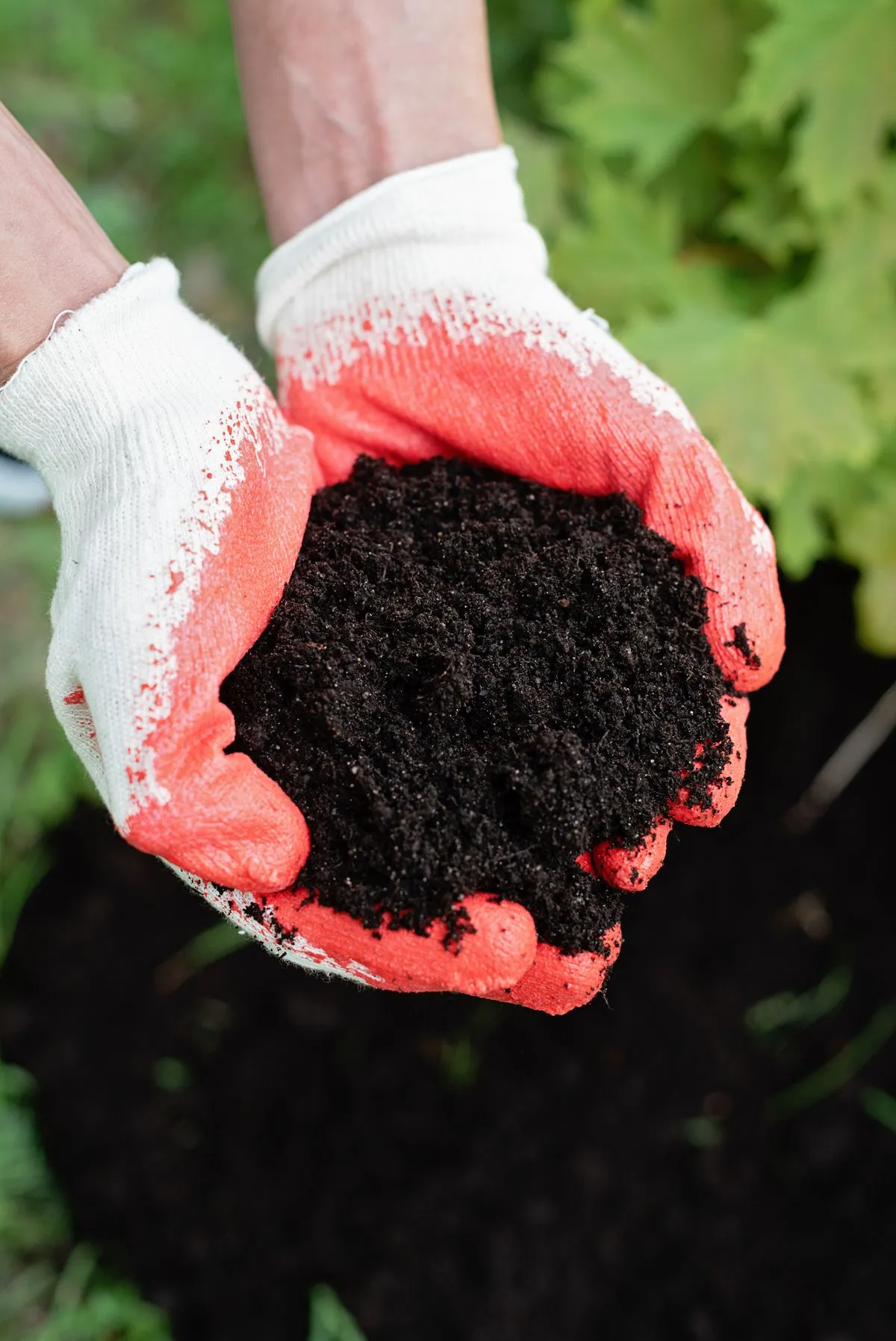
Compost improves soil structure, holds moisture, and feeds soil life, but it is not a precise fertilizer. Typical garden compost contains roughly 1 to 2 percent nitrogen, plus small amounts of phosphorus and potassium, so it cannot replace a targeted winter formula on a hungry lawn. The best approach is both: spread 1 to 2 inches of compost over beds in autumn, then add mineral fertilizer only where the soil test shows a gap. For the compost side, see our composting in winter guide.
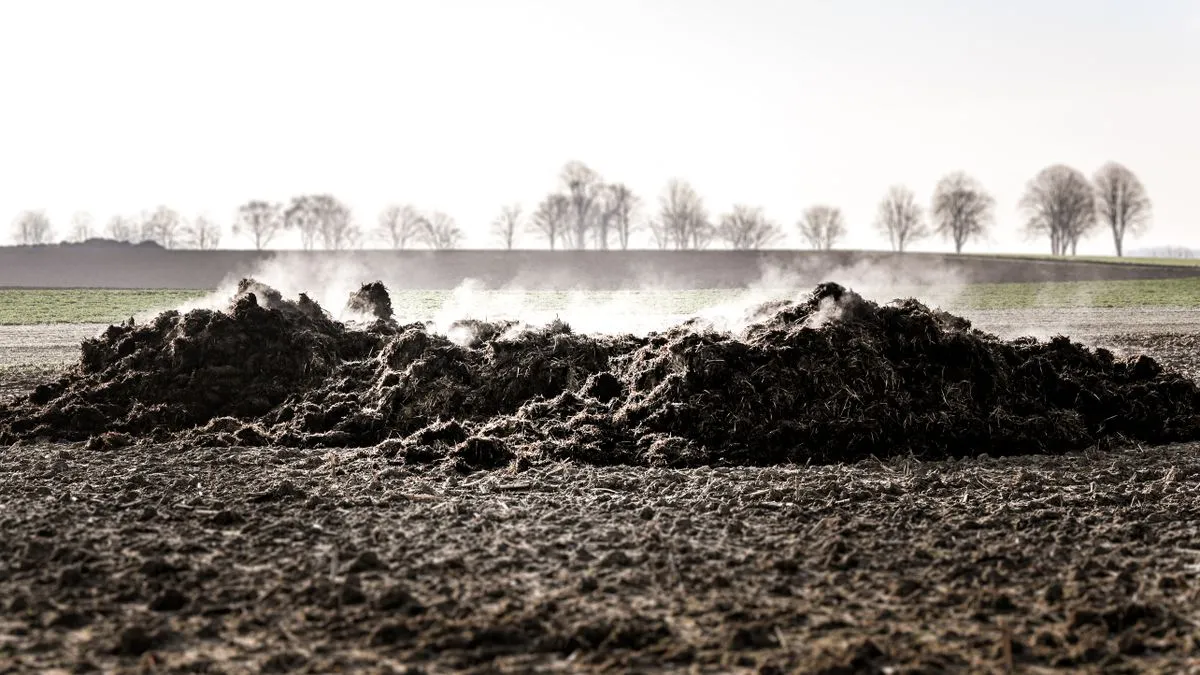
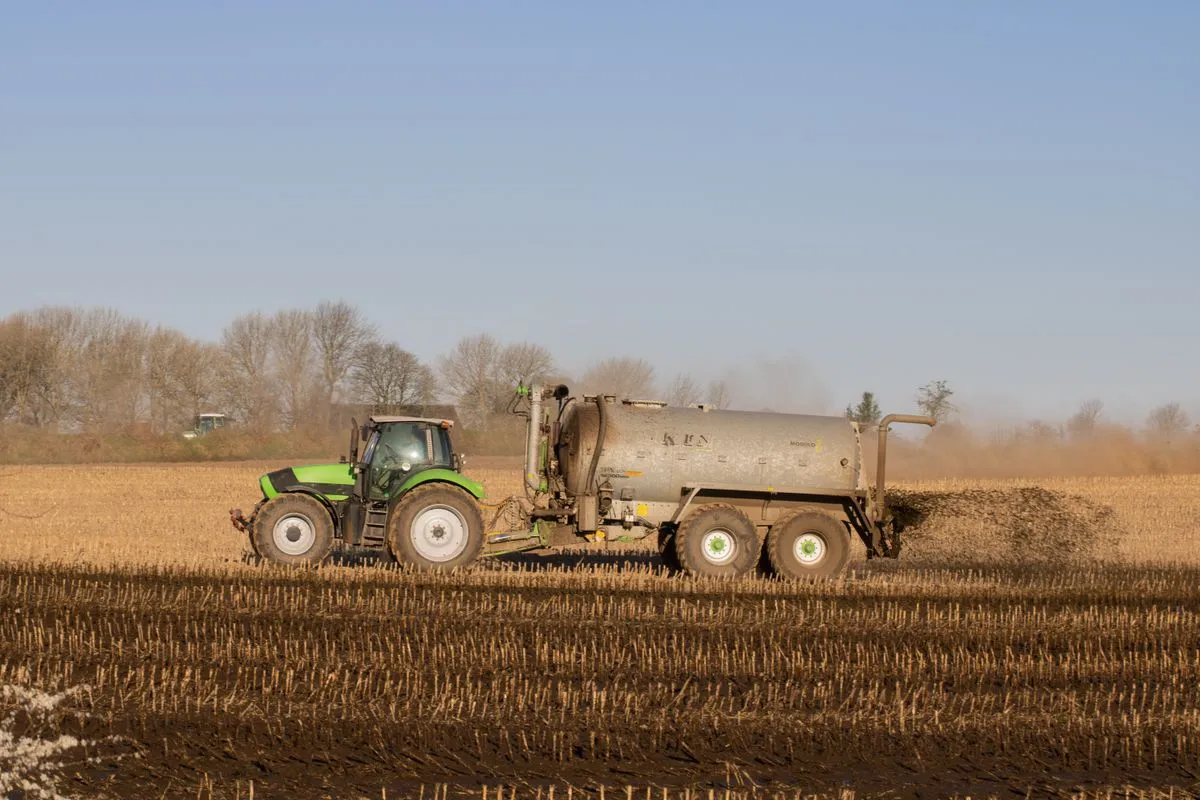
13. Avoid Fresh Manure in Late Autumn
Fresh manure is high in nitrogen and salts and can burn roots and carry weed seeds. If you use manure, use only well rotted manure that has composted for at least six months, spread it in early autumn, and keep it away from leafy winter vegetables you plan to eat raw. A safer choice is bagged, composted manure at about 1 inch deep, forked lightly into the top few inches, followed by mulch. Never apply fresh manure to frozen ground.
14. Watch for Burn, Stripes, and Runoff After Feeding
Fertilizer burn shows up as brown leaf tips, yellow patches, or stripes where the spreader overlapped. If you see it, water deeply at once to dilute salts, and do not feed again until the plant recovers. Stripes usually mean an uneven pass or a setting that was too high. Runoff is the quieter problem: fertilizer washed onto paths wastes money and harms waterways, so sweep granules off paths back onto the lawn, and skip feeding when heavy rain is forecast within 24 hours.
15. Write Down What You Applied, Then Stop for the Season
Keep a simple notebook entry for every winter feed: date, product and ratio, rate per 1,000 square feet, area covered, and weather. That note stops you from double feeding in spring, when you might forget an autumn application. Once your winterizer feed is watered in, stop. Do not add a little extra in January just in case, and do not feed again until growth resumes in spring.
Frequently Asked Questions
What do the numbers on a winter fertilizer bag mean?
The three numbers are the NPK ratio in order: nitrogen, phosphorus, and potassium as percentages by weight. A 12-4-8 bag is 12 percent nitrogen, 4 percent phosphorus, and 8 percent potassium. For 1 pound of nitrogen, divide 1 by 0.12, which equals about 8.3 pounds of 12-4-8 product.
What is the best NPK ratio for winter fertilizer?
For many lawns and garden plants, 12-4-8 or 16-4-8 works well, because nitrogen stays moderate, phosphorus stays small, and potassium is high enough for cold tolerance. If a soil test shows high phosphorus, choose a phosphorus free option such as 15-0-15.
When should I apply winter fertilizer?
Apply it three to four weeks before plants go dormant, usually late October through November, while roots are still active and the soil is not frozen. Use slow release granules, water them in, and do not feed after a hard frost.
How much winter fertilizer should I use on a lawn?
A safe winterizer rate is about 1 pound of actual nitrogen per 1,000 square feet. That is about 8.3 pounds of 12-4-8 product, or about 6.25 pounds of 16-4-8 product, per 1,000 square feet. Weigh the product and never exceed the label rate.
Should I fertilize plants in winter at all?
Feed only plants that are still growing, such as cool season lawns and winter vegetables, and skip fully dormant perennials, bulbs, and resting houseplants. One well timed winter feed beats several small late feeds that plants cannot use.
Conclusion
Winter fertilizer numbers explained simply come down to three habits: read all three numbers, match the ratio to a soil test, and feed once at the right time and rate. Choose a formula such as 12-4-8 or 16-4-8, water it in, keep it off stems and paths, and then stop for the season. Do that, and your lawn, beds, and pots will greet spring with stronger roots and steadier growth.