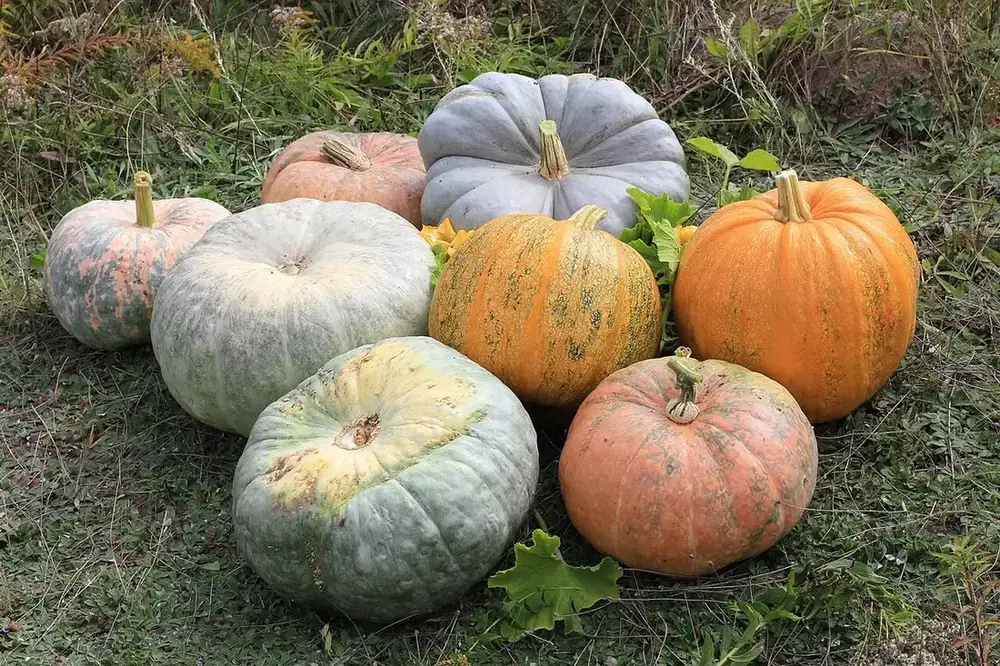
The best Thanksgiving table does not start at a store. It starts with a basket, pruners, and a slow walk around your yard. These thanksgiving centerpiece ideas using things from your garden turn dried hydrangea heads, pinecones, the last pumpkins, and summer herbs into arrangements that cost almost nothing and mean far more than anything bought in a hurry.
Every idea stays low, 8 inches or under, so guests can see each other. Most take 10 to 25 minutes, with no florist foam needed.
What to Gather From the Garden, and When
Gather on a dry morning, 3 to 7 days before Thanksgiving, after dew has lifted. Wet leaves and cones mold in a warm dining room, so condition matters more than quantity. Bring in extra, then edit down at the table:
- Dried flower heads: hydrangea, yarrow, sedum, last zinnias, stems 4 to 6 inches
- Pinecones and pods: small to medium cones, sweetgum balls, honesty pods, iris capsules
- Pumpkins, gourds, squash: uncarved and firm, from minis to one 6 to 8 inch pie pumpkin
- Leaves: maple for red and gold, oak for copper, magnolia if you have them
- Herbs and greens: rosemary sprigs 6 to 8 inches, sage, thyme, bay, boxwood or holly
- Garden produce: apples, crabapples, ornamental kale and cabbage, dried corn
- Seed heads and grasses: ornamental grass plumes, homegrown wheat, dried lavender
- Branches: berry branches or curly willow, only from plants you can name
Spread everything on newspaper for 24 to 48 hours. Shake cones, brush soil off, discard anything moldy or soft, and press the best leaves under a heavy book for 2 days if you want them flat. Wash anything near food, and keep unknown berries away from plates. New to bringing the garden indoors? Our DIY Thanksgiving wreath ideas using garden cuttings use the same harvest basket.
15 Thanksgiving Centerpiece Ideas Using Things From Your Garden
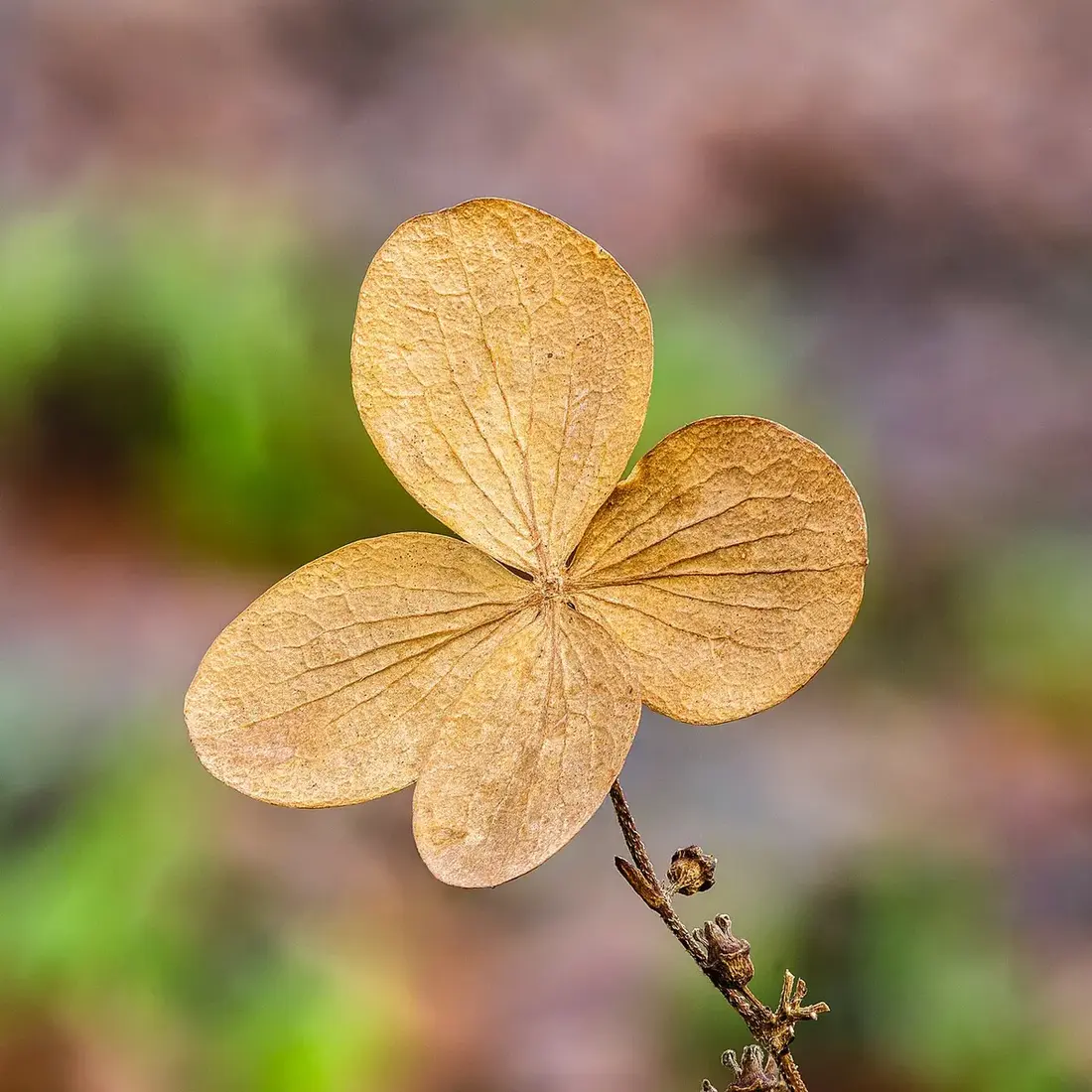
1. The Low Hydrangea and Pinecone Bowl
Fill a shallow bowl 12 to 14 inches across with 3 dried hydrangea clusters, stems cut to 3 inches, and nestle 5 pinecones into the gaps. Tuck copper oak leaves around the rim. Cream, tan, and rust work with any plates.
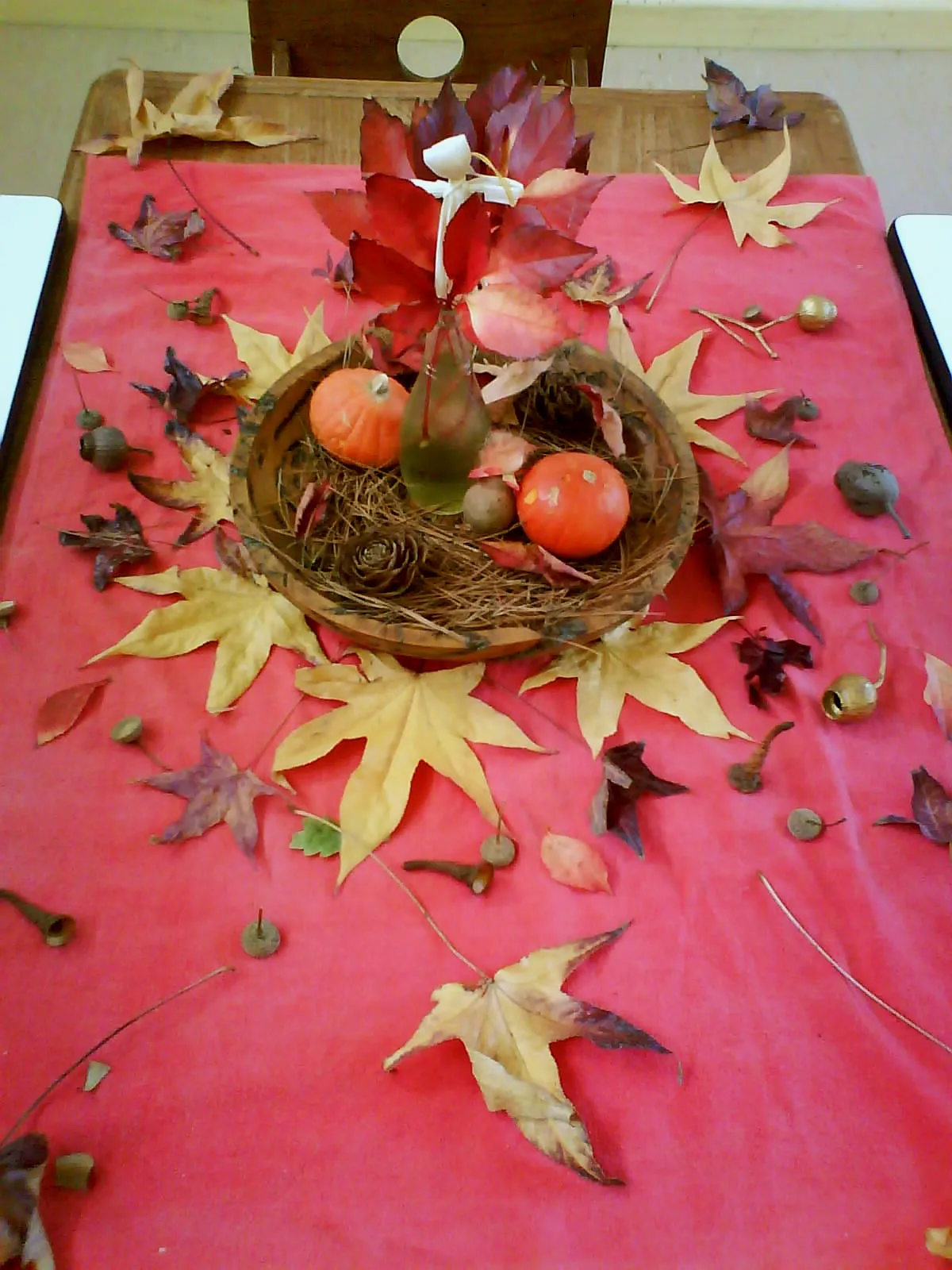
2. The Pumpkin Trio Runner
Run 3 pumpkins down a plain linen runner: one 6 to 8 inch pumpkin in the center, flanked by 2 smaller ones. Fill gaps with rosemary, pinecones, and single leaves. Keep the tallest under 8 inches including its stem, or swap it for a squat squash.
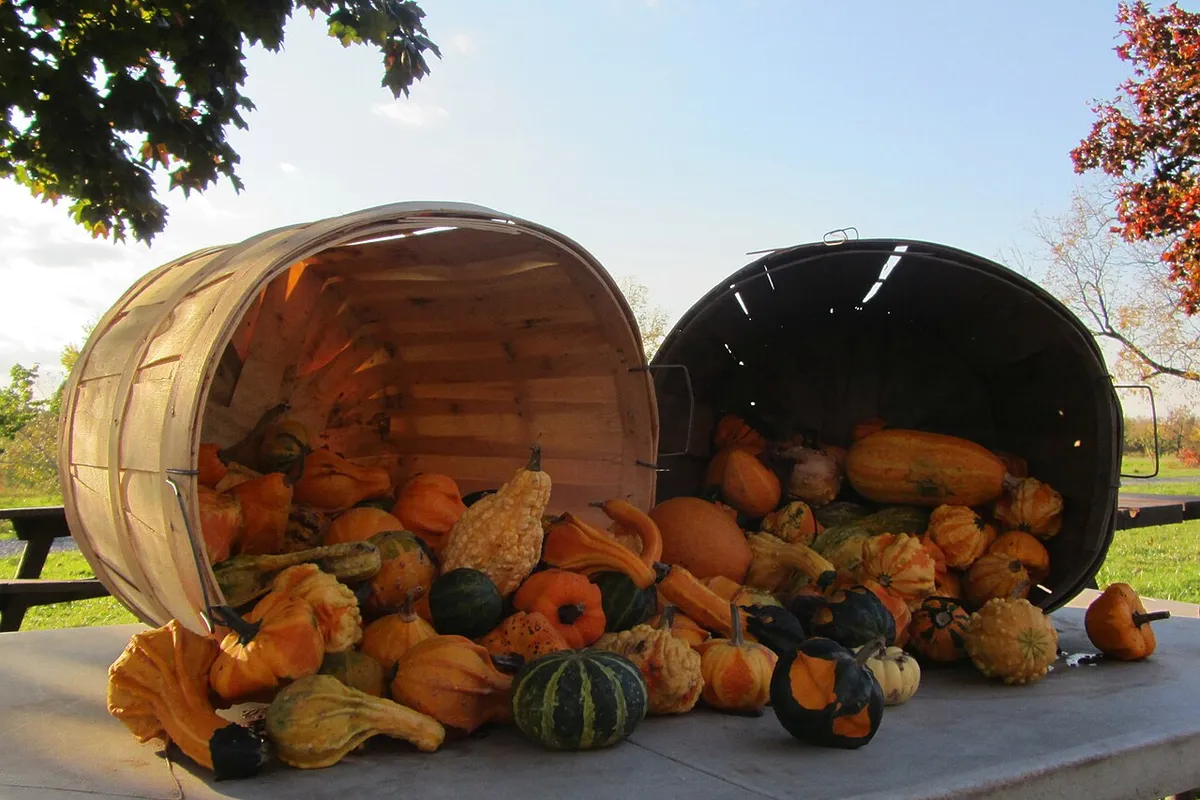
3. The Herb Garland Runner Guests Can Smell
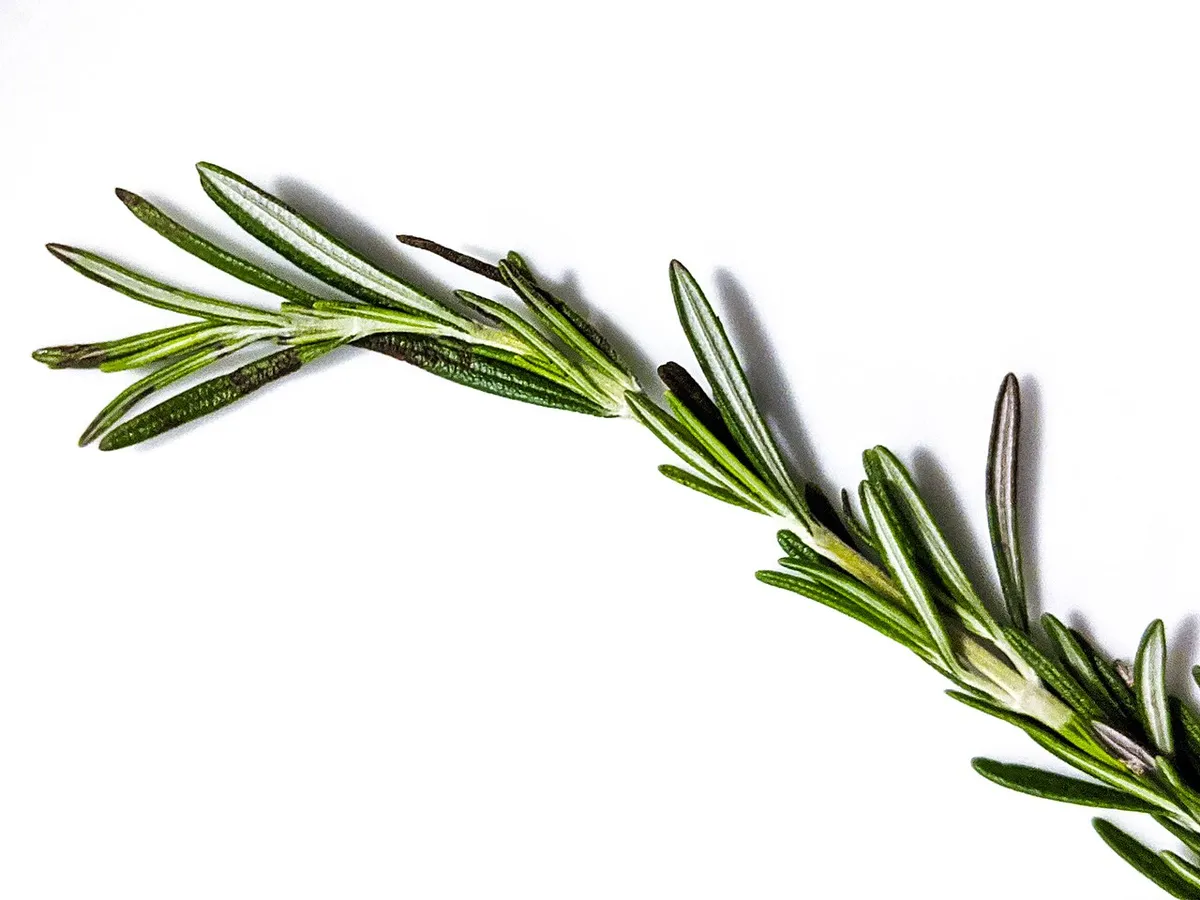
Lay 12 to 15 rosemary sprigs stem to tip down the table for a loose 3 foot garland, weave in sage and thyme, and set 3 small pumpkins on top. The herbs release scent as dishes pass, and after dinner they can go into leftover soup.
4. The Mason Jar Mum Line
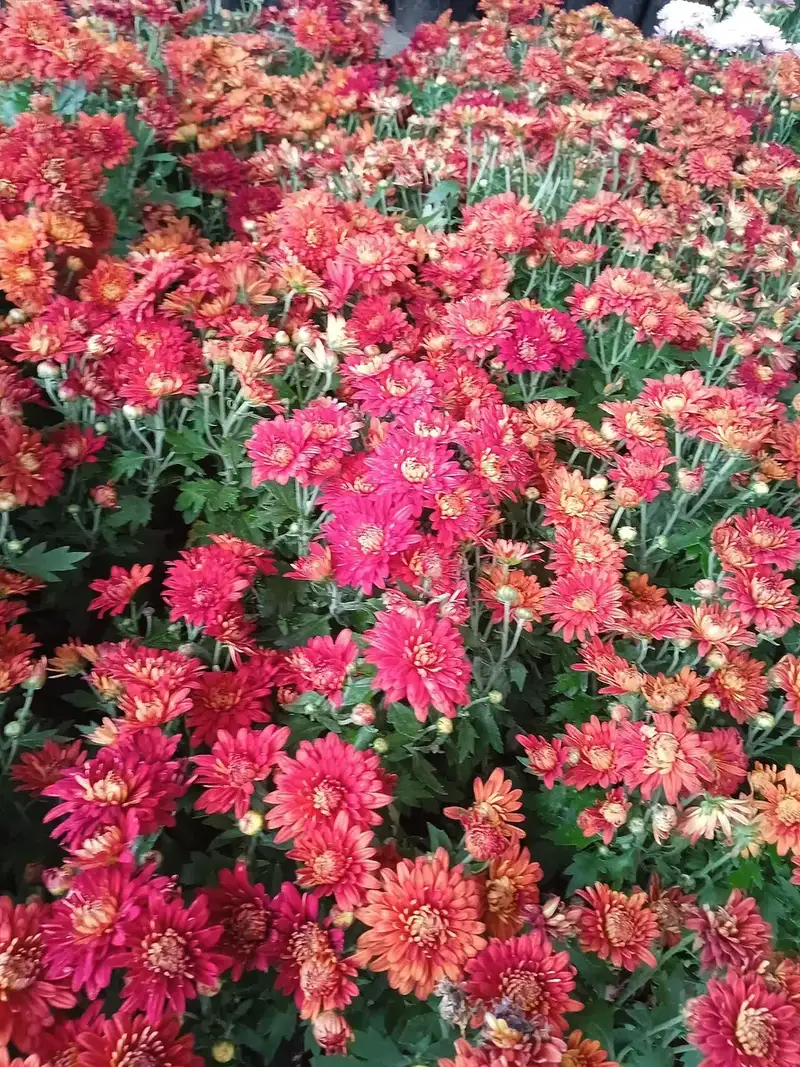
Cut the last chrysanthemums and marigolds at 5 to 6 inches and stand them in 3 to 5 mason jars of water down the table. Jars beat one big vase: they stay low, they move when the turkey lands, and a spill is a small problem. For blooms that last, see our guide to chrysanthemum blooming through fall.
5. The Harvest Basket With Gourds and Dried Corn
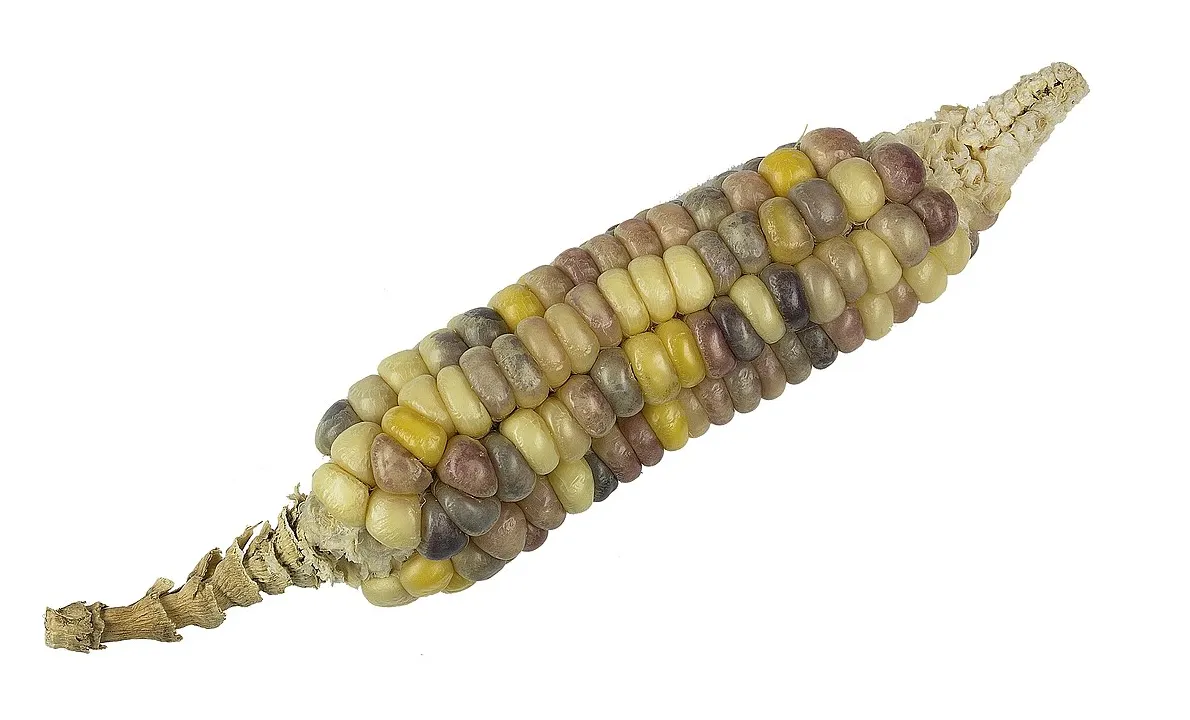
Line a low, wide basket with a cloth napkin, then mound in gourds, small squash, 2 to 3 ears of dried corn with husks pulled back, and a handful of apples. Build it like a pyramid, largest at the bottom, and stop while you can lift it with one hand.
6. The Ornamental Kale and Cabbage Pot
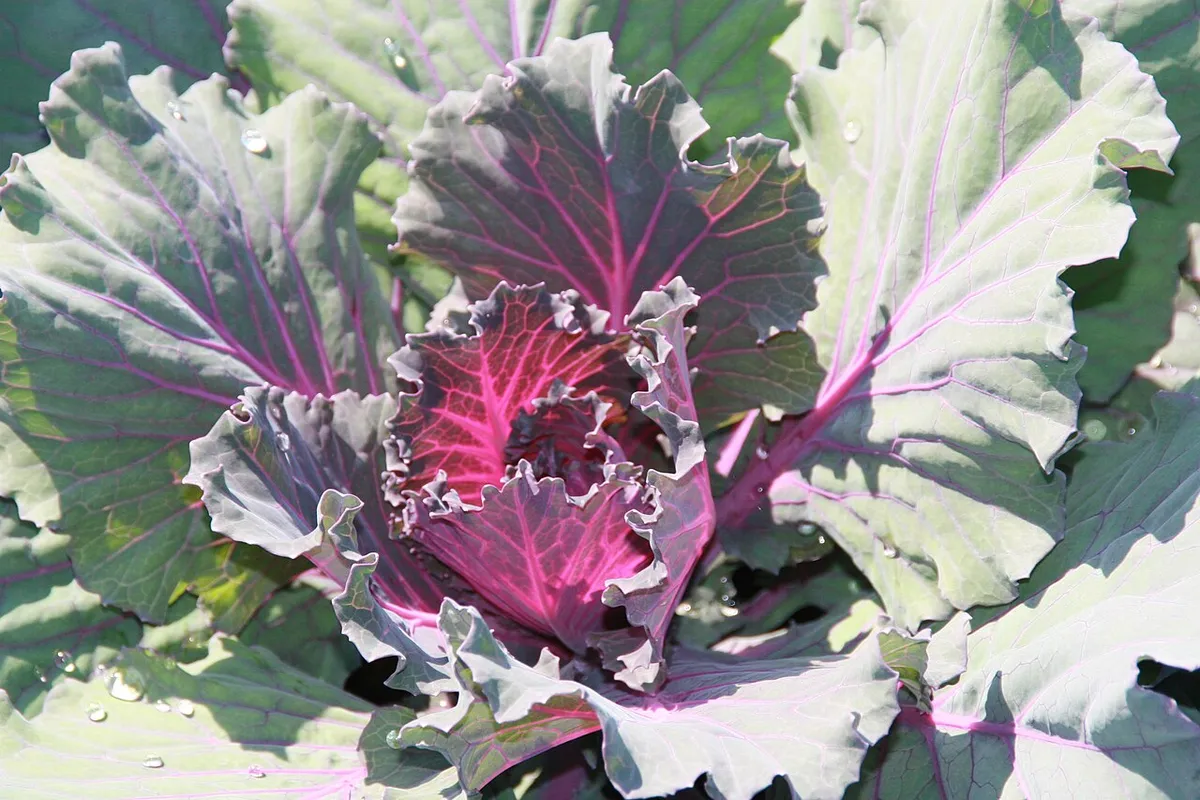
Ornamental kale and cabbage are still in most fall beds in late November, and they look made for this table. Cut 3 heads, strip outer leaves, and set them in a low pot with a little water. Purple, cream, and green rosettes read like roses. Hide the rim with leaves and cones, the same thriller idea that makes stunning fall planters work, at table size.
7. The Pressed Leaf Table Runner
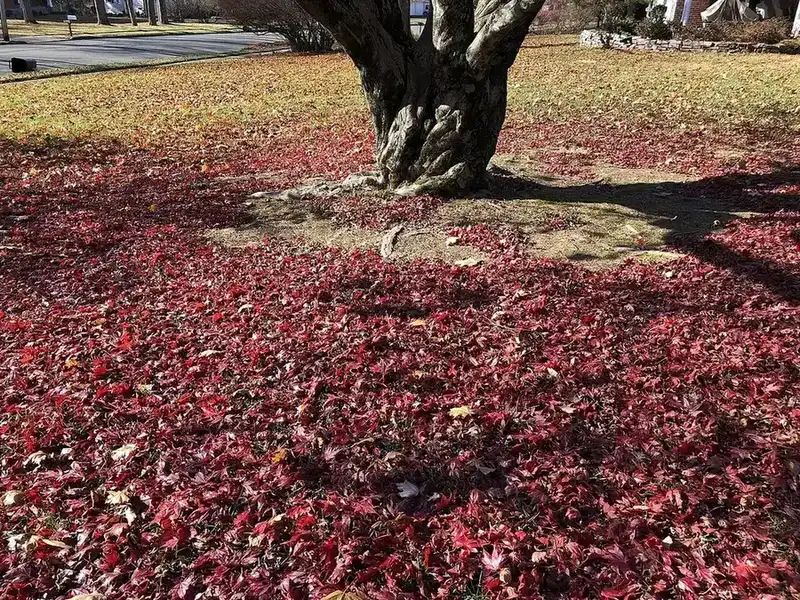
Two days ahead, press 20 to 30 maple and oak leaves flat. On the morning, overlap them down a plain runner, heaviest in the center. Set a low bowl or battery candles on top to hold them. Flat leaves stay put, do not shed into food, and compost the next day.
8. The Seed Head and Silver Pod Display
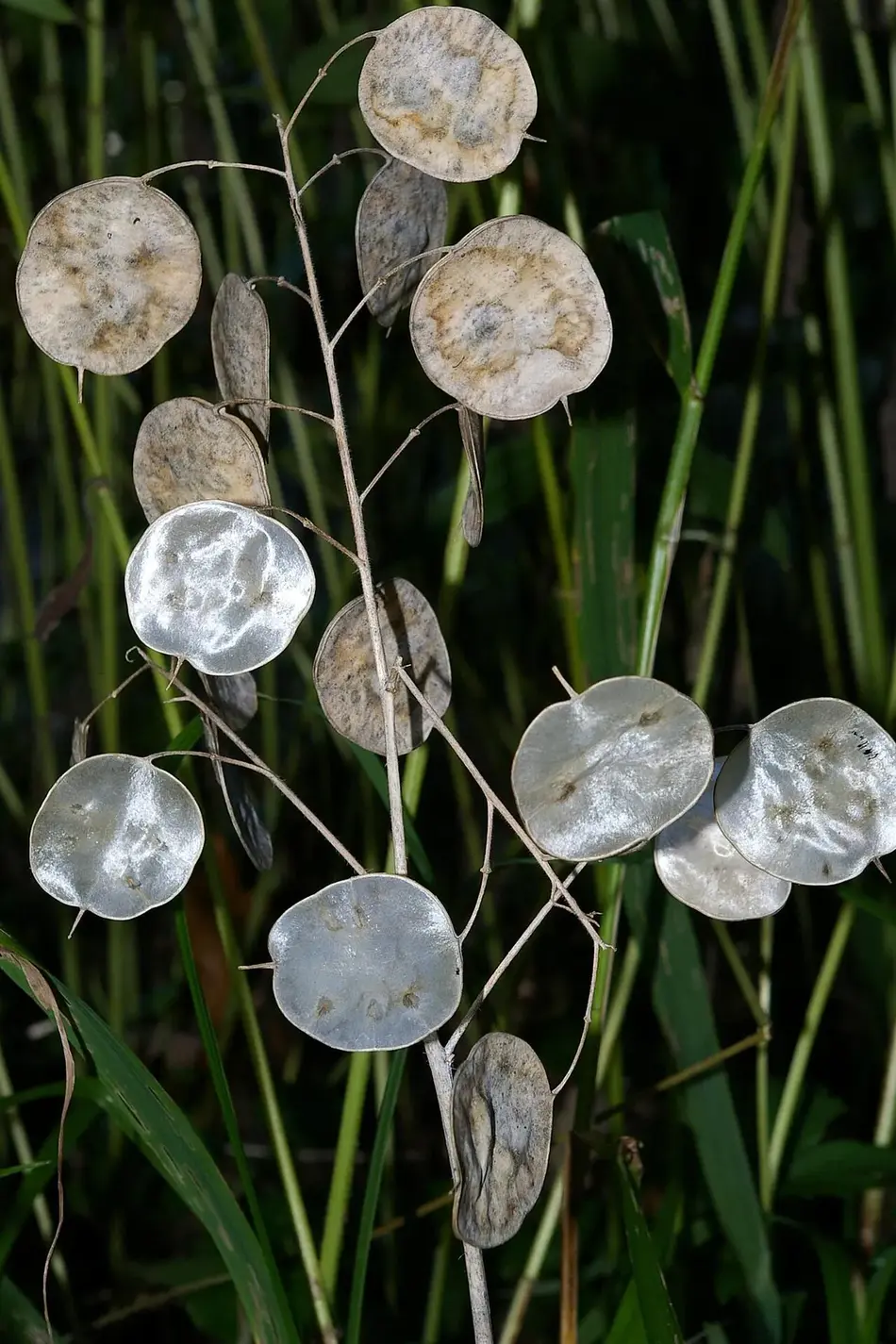
For a paler table, gather honesty pods, dried lavender, sedum heads, and pale grass plumes. Stand them short in a cream jug or lay them flat in a white dish. This suits blue, grey, or white settings better than orange pumpkins. Keep stems under 6 inches.
9. The Apple and Leaf Cluster Bowls
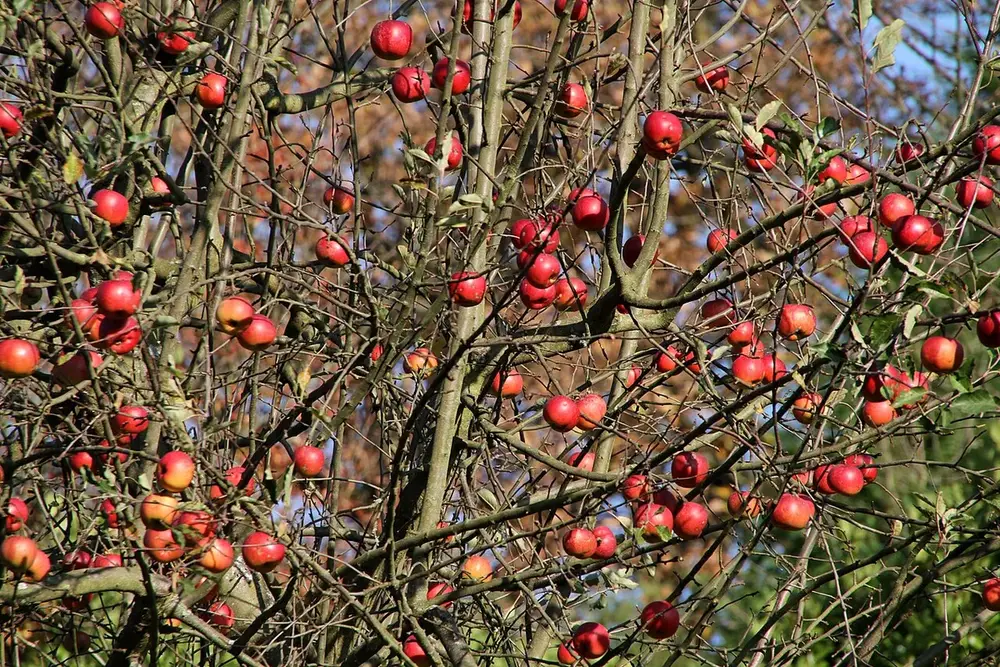
Fill 3 small bowls with 3 to 4 apples each, polished with a dry cloth, with a sage or oak leaf tucked between the fruit. Run the bowls down the table with pinecones between them. Crabapples on short stems look wilder and better, and guests can take an apple home.
10. The Dried Grass and Wheat Sheaf Tray
Tie a small sheaf of dried grass plumes or homegrown wheat with twine and lay it flat on a wooden tray. Fan the heads one way, add 2 mini pumpkins and a few cones at the base, and keep it at 4 inches tall. The tray makes it a one hand move.

11. The Berry Branch Accent, Handled With Care
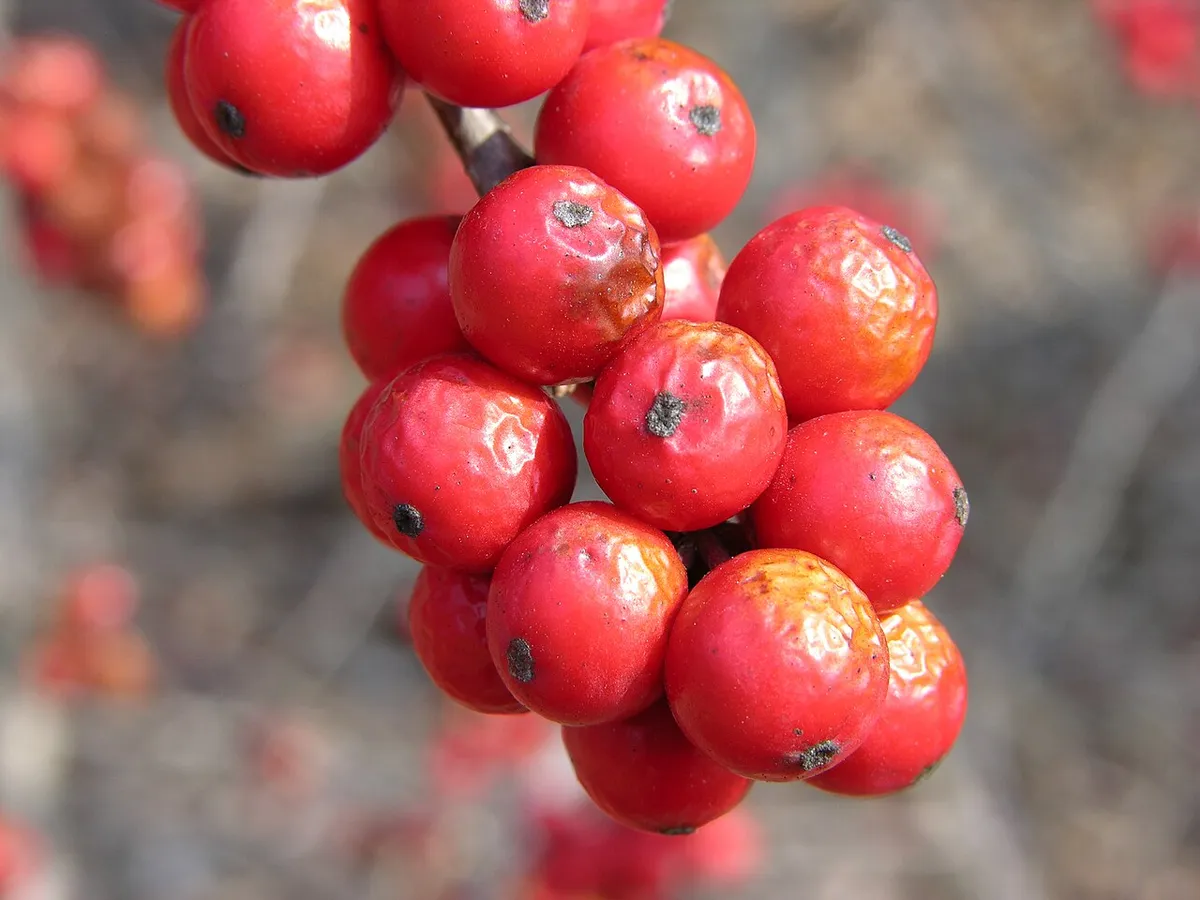
Winterberry, beautyberry, or holly branches add the strongest red and purple on this list. Cut 4 to 6 at 8 to 10 inches, strip lower leaves, and lay them flat along a runner. Use only shrubs you can name, keep them away from plates, and tell guests they are decoration, not food.
12. The Last Sunflower and Zinnia Jar
If a late sunflower or flush of zinnias is still standing, cut 5 to 7 stems at 6 to 8 inches the day before and stand them in a wide jar of water. One sunflower face, held almost flat by a short stem, becomes the center of the table. Change the water that morning and the cuts will outlast the meal.
13. The Pinecone Cluster With Battery Candles
Pile 9 to 12 clean, dry pinecones in a low ring on a tray or cake stand, with 2 to 3 battery candles in the middle. Dried material and real flame should never share a table. The light through the cone scales looks warm and woodsy, with zero fire risk.
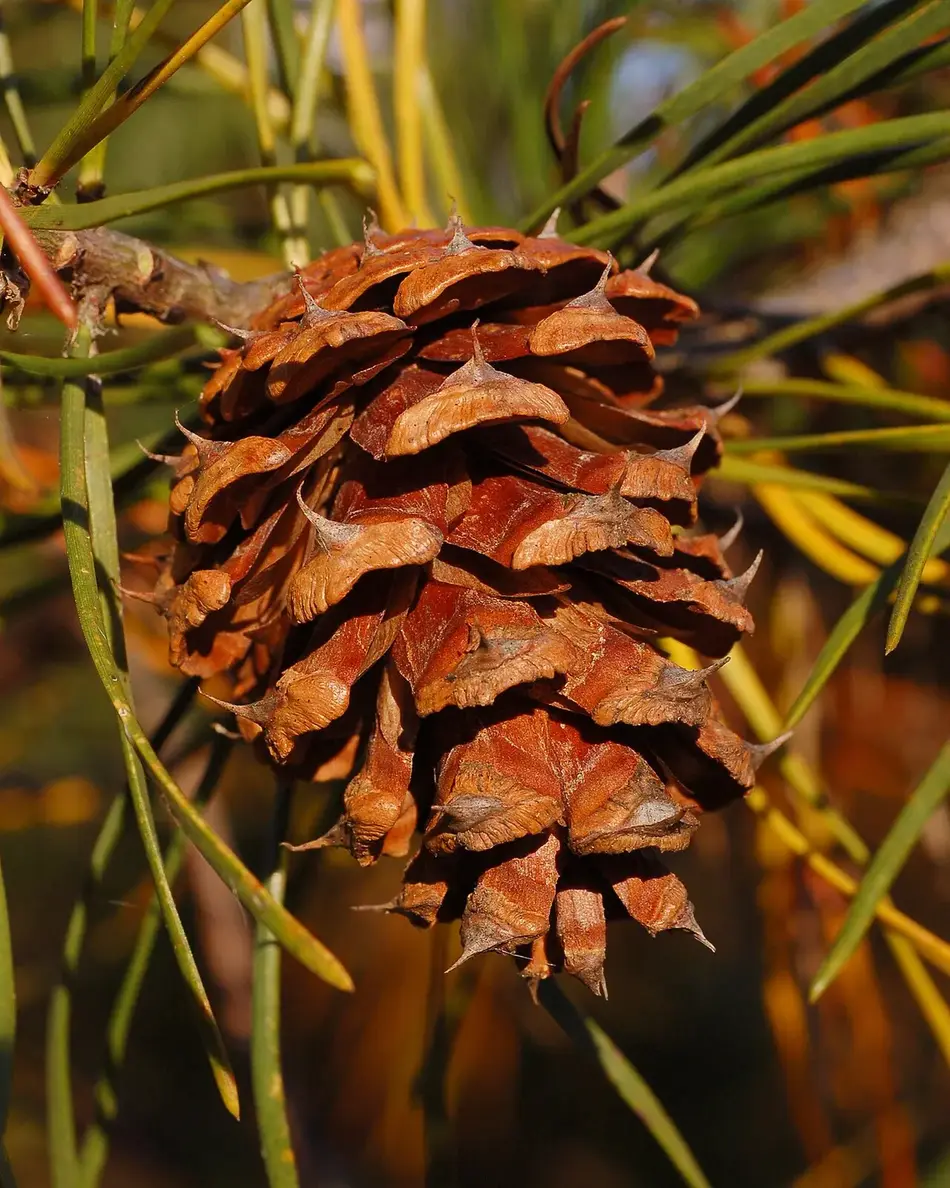
14. The Sweetgum and Acorn Display, Contained
Sweetgum balls, acorns, and tiny cones have great texture and one flaw: they roll. Contain them. Fill a clear trifle bowl or wide vase two thirds full and set it on leaves in the center of the table. All the woodland detail, none of it in the gravy.
15. The Kids Garden Treasure Bowl With Leaf Place Cards
Give children the spare bowl and leftover basket: extra cones, mini gourds, seed heads, and the odd perfect leaf. For place cards, write names on large dry magnolia or oak leaves with a gold paint pen and lay one on each plate.
How to Build Any of These in 20 Minutes
Put the container or runner on the empty table between two place settings. If it crowds the plates while empty, it is too big. Add the largest pieces first, an inch or two off center, then fill gaps with cones and fruit, and finish with leaves, pods, and herbs.
Last, do the seated test. Sit in two chairs and look across. Anything that crosses a face, reaches toward a glass, or wobbles comes out or gets cut shorter. Keep the finished height at 6 to 8 inches, the footprint under 12 inches wide, and room for serving dishes on both sides.
Cost is the best part: $0 to $5, usually just battery candles or a paint pen, against $35 to $75 for the same look bought ready made. Leftover material can join the antique fall garden decor already in your yard.
Make It Last, and Keep It Safe
Build dried arrangements up to 5 days ahead and store them cool and dry, away from kitchen steam. Add fresh flowers, kale, and cut apples the day before or the morning of. Mist nothing: dried hydrangea and leaves spot and soften with humidity.
Keep dried material away from real candles and hot dishes, and use battery candles only. Wash produce, and keep unknown or ornamental berries away from food and small children. Shake every cone and pod over paper indoors first, so sleepy insects wake up in the garage, not the dining room.
After the meal, save the best cones, pods, and dried heads in a dry box, compost leaves and herbs, and eat the uncarved pumpkins and squash. A pie pumpkin that spent Thanksgiving as decoration still makes fine soup in December.
Frequently Asked Questions
What can I use for a Thanksgiving centerpiece from my garden?
Dried hydrangea, pinecones, small pumpkins, leaves, rosemary, ornamental kale, apples, seed heads, and dried grasses all work. Pick 3 or 4, keep it under 8 inches tall, and build it in a low bowl, on a tray, or along a runner.
How far ahead can I make a garden Thanksgiving centerpiece?
Make dried arrangements 3 to 5 days ahead and store them cool and dry. Add fresh mums, kale, apples, and cut flowers the day before or the morning of, so they look fresh at dinner.
How do I keep a centerpiece from blocking guests views?
Keep it 6 to 8 inches tall, cut stems short, and lay tall material like wheat flat. Sit at the table and look across before guests arrive. If anything crosses a face, cut it down.
Are garden materials safe to put on a dining table?
Yes, with basic care. Brush everything clean outdoors, dry it fully, wash produce, and keep anything you cannot identify, especially berries, away from food. Use battery candles near dried leaves.
What if frost has already killed most of my garden?
Work with what frost cannot hurt: pinecones, seed pods, dried hydrangea and sedum, evergreen clippings, and stored pumpkins. A small bowl of sound, dry material beats a large arrangement padded with damaged pieces.
Conclusion
A Thanksgiving table dressed from your own garden tells the story of your year outdoors: the hydrangea that bloomed in July, the pumpkins planted in June, the herbs from a dozen dinners. Pick one idea, gather a basket 3 to 7 days ahead, and give yourself 20 unhurried minutes to build it. That is all these thanksgiving centerpiece ideas using things from your garden ask for.
2 thoughts on “15 Thanksgiving Centerpiece Ideas Using Things From Your Garden (2026)”