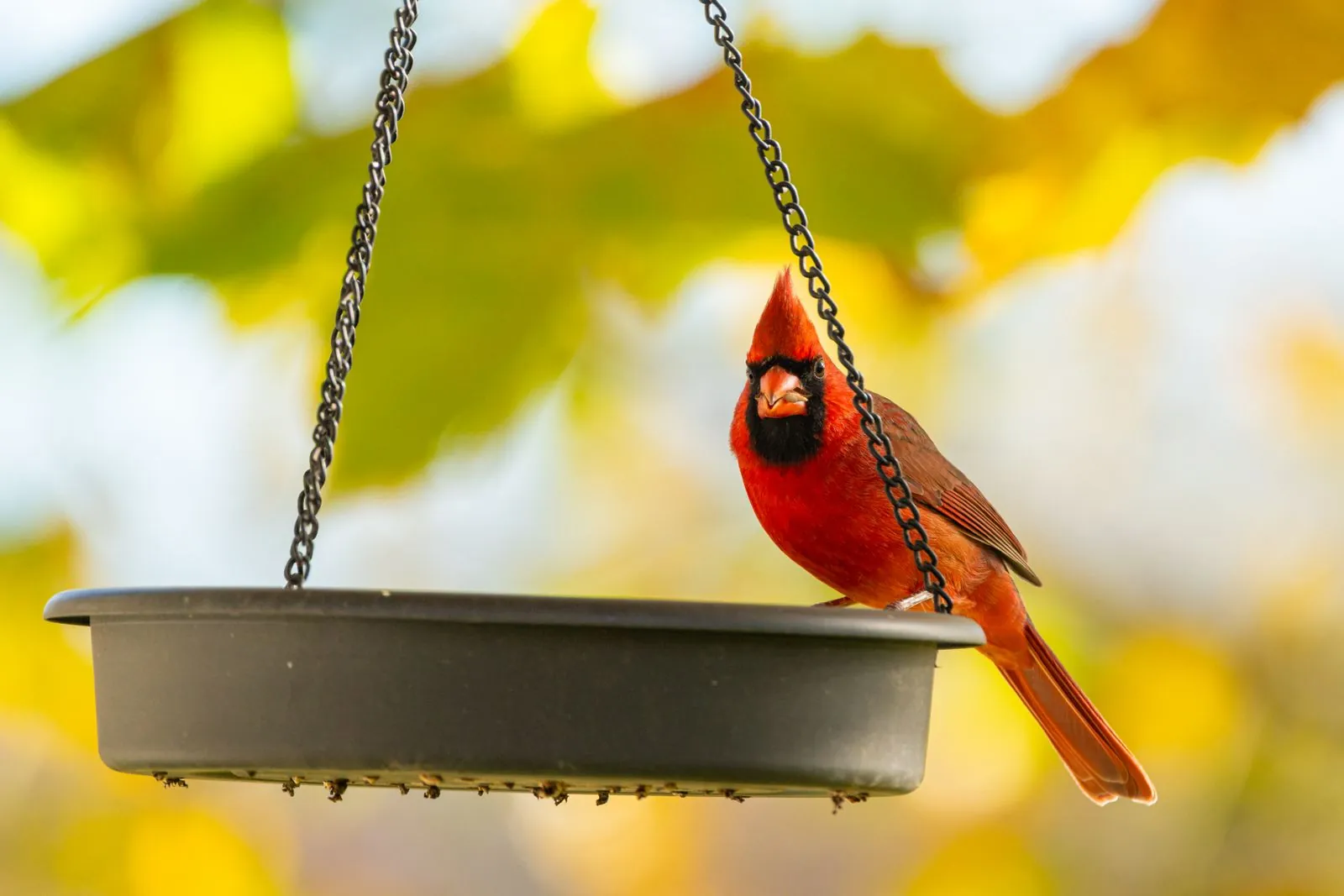
By late October the garden starts looking tired. The tomatoes are gone, the annuals are spent, and the yard feels empty right when you want it to look its best. That is exactly when Thanksgiving bird feeder ideas for fall earn their place: they turn a fading yard into something alive again, and they give real, hungry birds a reason to visit just as natural food runs thin.
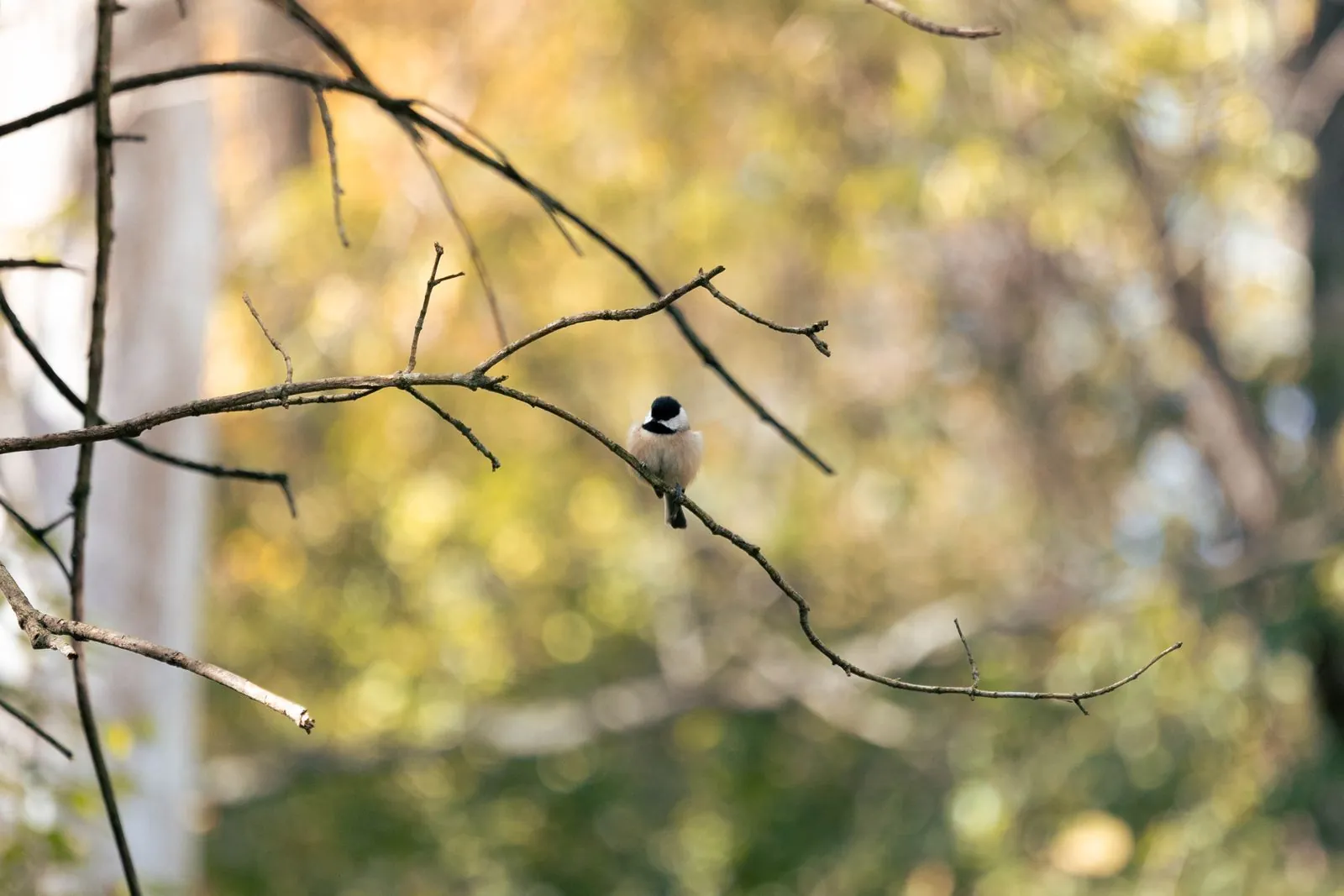
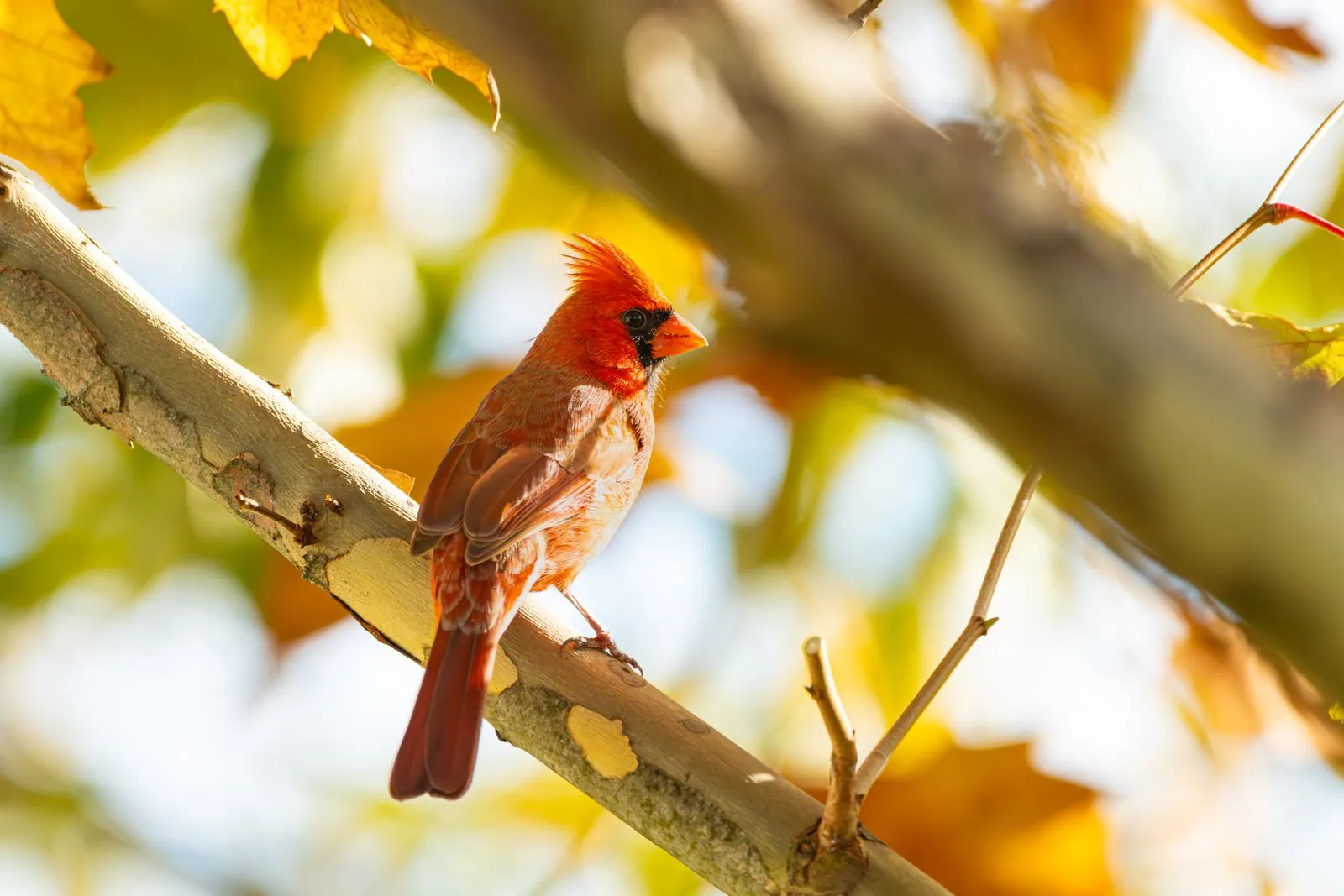
I have been hanging fall feeders for years. A plain tube feeder does the job, but a hollowed pumpkin stuffed with black-oil sunflower seed, hung where you can see it from the kitchen window, does the job and looks like part of your holiday decor. Chickadees, titmice, cardinals, and blue jays all show up, and your Thanksgiving yard looks dressed for the season instead of quietly winding down.
1. Hollow Pumpkin Seed Feeder
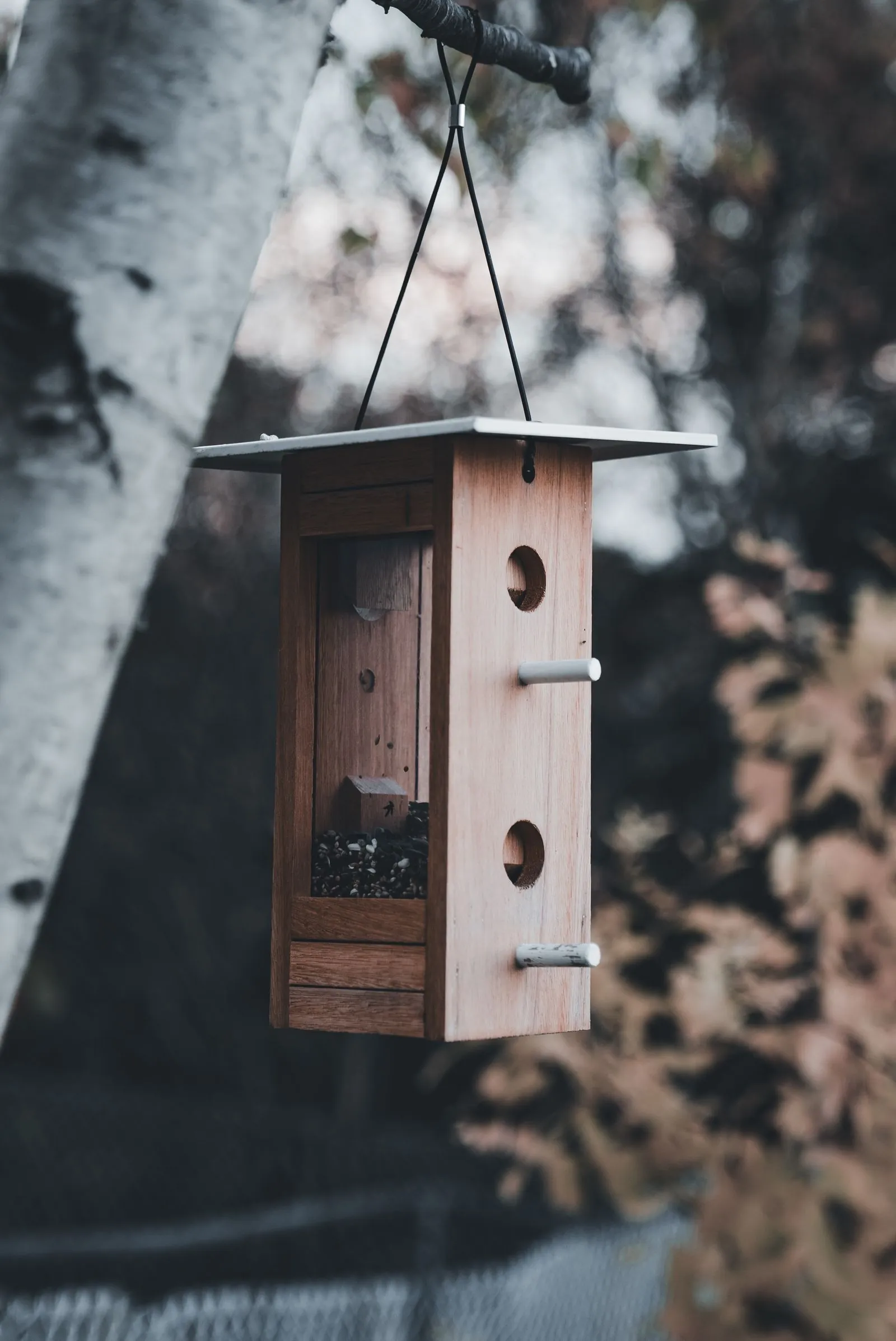
Cut the top off a small sugar pumpkin (the pie kind), scoop the pulp, and fill the shell with black-oil sunflower seed mixed with safflower. Punch three holes around the rim, thread twine through, and hang it about five feet up from a sturdy branch or shepherd’s hook. The shell holds two to three weeks in cool November air; once it softens, compost it, since rotting pumpkin can grow mold that harms birds. Pair it with a pumpkin topiary for Thanksgiving and the porch ties together on its own.
2. Pinecone Peanut Butter Feeder: A Thanksgiving Bird Feeder Idea for Fall Gardens
Gather large open pinecones, smear the scales with plain peanut butter (ingredients should read peanuts and salt at most, never xylitol), and roll each cone in sunflower seed. Tie a twine loop to the top and hang them in clusters of three. They read as fall ornaments from a distance, and chickadees and titmice pick the seeds out scale by scale. Refresh the batch weekly, since the peanut butter dries out.
3. Acorn Cap Suet Cups
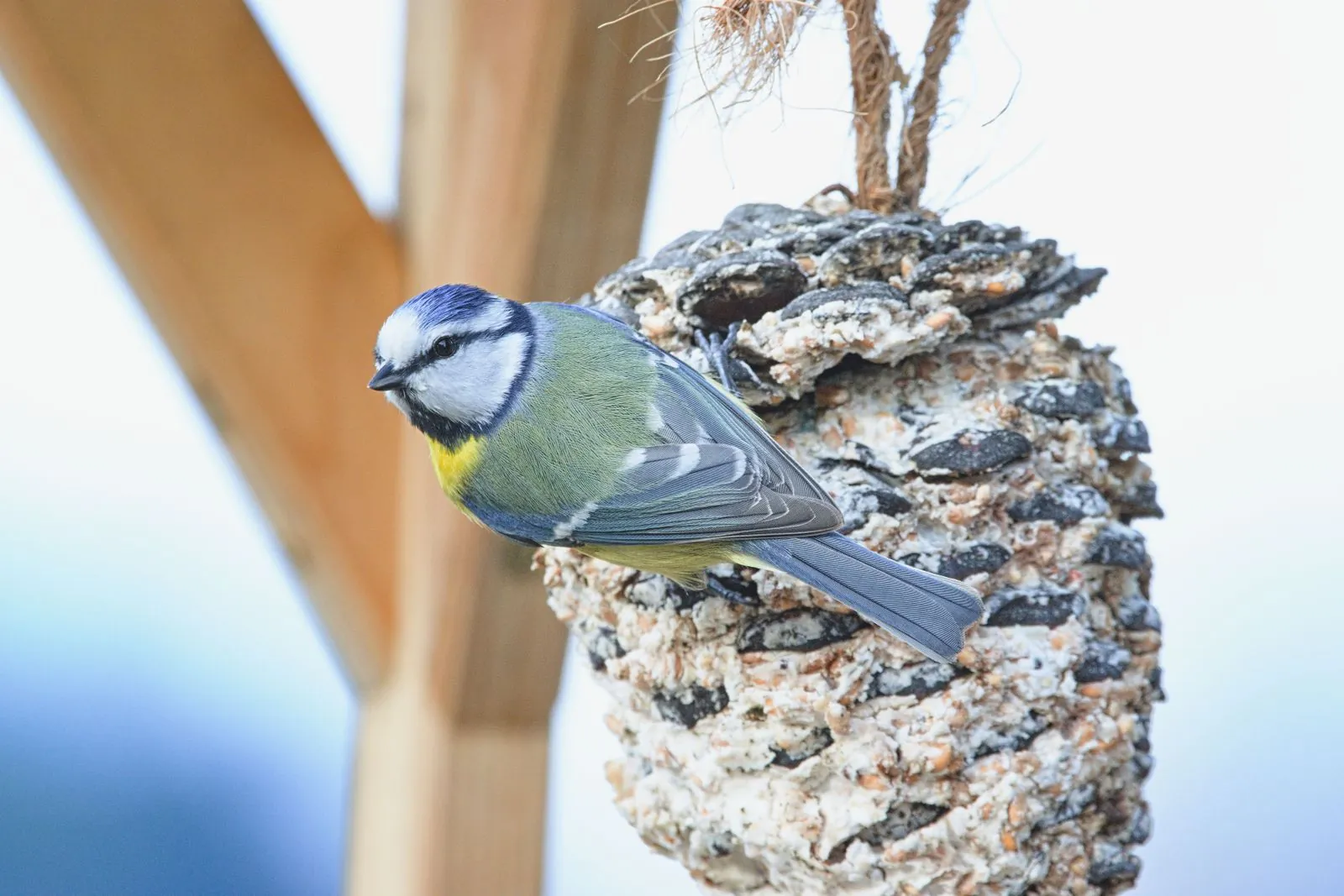
Melt plain beef suet, stir in dried cranberries, chopped unsalted peanuts, and sunflower hearts, and pour it into a muffin tin half an inch thick. Set a twine loop into each cup before it firms up, then pop them out. Hang the cakes in wire suet cages or mesh onion bags from tree limbs. Woodpeckers, nuthatches, and chickadees hit these immediately, and the fat helps them build reserves as temperatures drop.
4. Mini Gourd Shell Feeders
Cut knobby ornamental gourds in half, scoop out the seeds, and fill each half with safflower seed, which cardinals love and squirrels dislike. Set the halves into a forked branch or low tray where they will not roll. The ridged shells look like carved wooden bowls. Refill every few days so the seed never sits long enough to spoil.
5. Harvest-Toned Tray Feeder
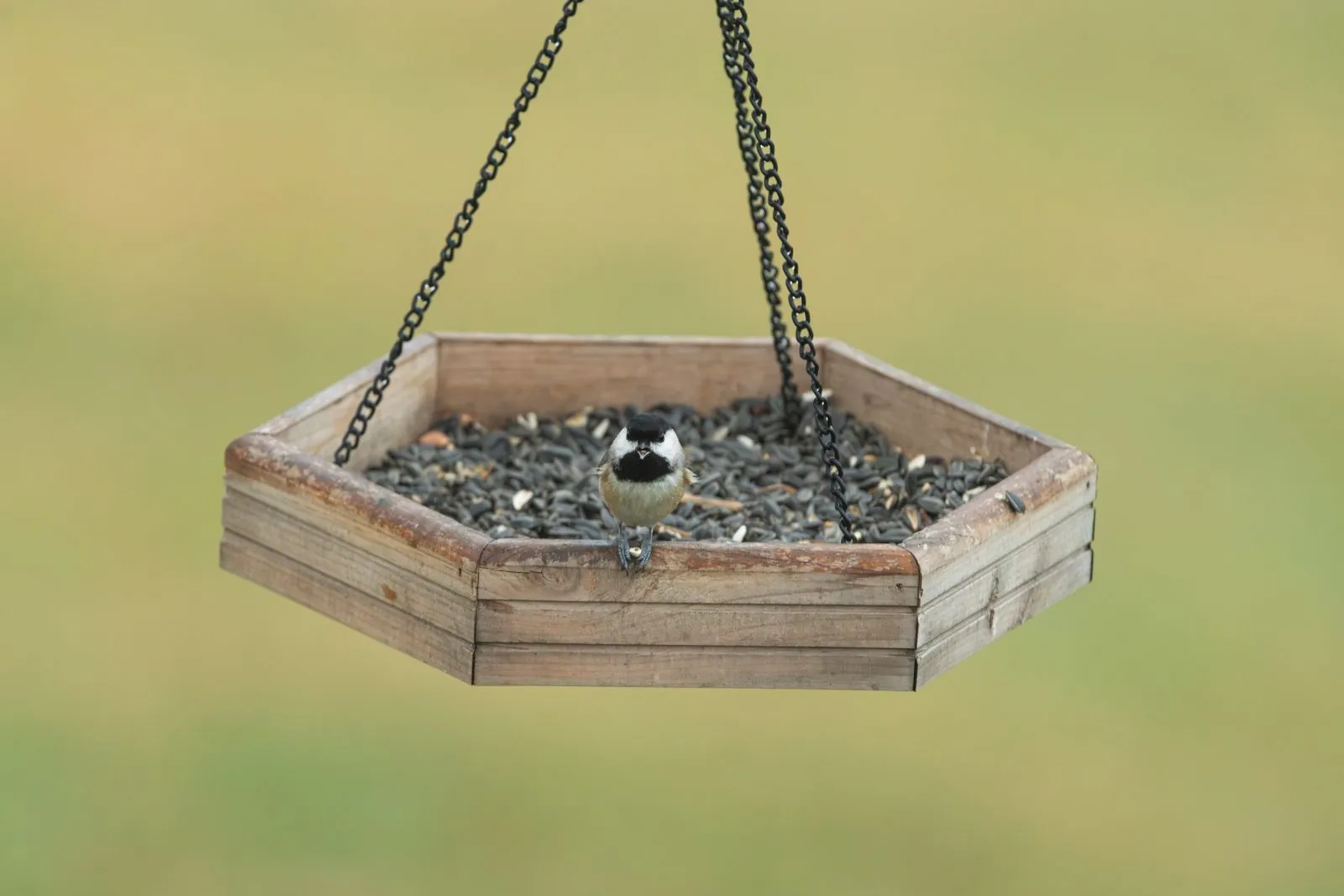
Paint a cedar tray feeder in deep rust, mustard, or barn red and it becomes a focal point instead of an eyesore. Use a 12 by 12 inch tray with drainage holes on a 4×4 post, filled with sunflower seed, cracked corn, and dried mealworms. Open trays attract the widest range of birds, from juncos and towhees to cardinals and blue jays. Clean it weekly with a ten percent bleach solution, since open trays collect droppings along with seed.

6. Suet Cakes in Pumpkin Molds
For the pumpkin look without the rot, pour melted suet mixed with seed and dried berries into a silicone pumpkin-shaped baking mold. Chill, pop out, and hang from twine. These read as little harvest decorations and attract wrens and downy woodpeckers that seed alone will not bring in. Save them for weeks when daytime highs stay under sixty degrees, since suet goes rancid in warmth.
7. Corn Cob Skewers on a Shepherd’s Hook
Push a sturdy skewer through three dried corn cobs (plain squirrel corn, no seasoning) and mount it horizontally on a shepherd’s hook. Blue jays land, hammer off kernels, and carry them away to cache for winter. Swap in fresh cobs every ten days. Expect squirrels to claim this one as their personal buffet, which is half the entertainment.
8. Dried Sunflower Head Feeders
When your garden sunflowers finish in September, save the heads instead of composting them. Dry them in a shed for two weeks, then hang them face-out on fences and posts. Chickadees and goldfinches pick the seeds straight out of the flower face. A row of dried sunflower heads along a fence is one of the prettiest fall arrangements there is, and it costs nothing.
9. Apple Half Feeders
Core a large apple, scoop it slightly wider, and fill the cup with peanut butter mixed with sunflower hearts. Hang it by a string through the top or press it onto a branch stub. Robins, mockingbirds, and cedar waxwings, birds that rarely visit seed feeders, come for fruit. The apple lasts three to four days, so treat this as a weekend project and compost the spent halves.
10. Butternut Squash Bowl Feeder
Cut a butternut squash lengthwise, scoop out the seeds, and fill the hollow with millet, cracked corn, and hulled sunflower. Set the halves in a shallow tray on a low wall or stump. The pale orange shell looks like ceramic from a few feet away. Doves, sparrows, and juncos are the main visitors to low feeders like this, so keep the tray under cover where rain cannot turn the seed mushy.
11. Fall Garland Feeder String
Thread twine with a repeating pattern: a peanut butter pinecone, three dried orange slices, a small popcorn garland, a few unsalted peanuts in the shell. Hang it across a porch beam or between two posts. It reads as pure Thanksgiving decor and feeds birds at the same time, with orange slices drawing mockingbirds and bluebirds. Replace perishable pieces weekly, and hang Thanksgiving lanterns for porch and yard at the ends for a finished scene.

12. Grapevine Pumpkin Seed Sphere
Buy a grapevine pumpkin from a craft store and stuff the inside with peanut butter and seed pressed into clumps. Hang it where it gets dappled light. Birds land on the vine and pick the clumps out, and the whole thing looks like a rustic harvest ornament. It handles rain better than a real pumpkin and lasts the whole season; when the seed runs out, just restuff it.
13. Window Feeder for Thanksgiving Porch Viewing
Mount a small suction-cup feeder on the window nearest your Thanksgiving table. Fill it with sunflower hearts, the no-shell kind, so there is no mess on the glass. Chickadees and titmice will feed inches from your face within a day or two. Mount it low enough that kids can watch, and keep the glass clean so birds see seed instead of their reflection. Below the window, a few Thanksgiving garden stakes in the beds complete the scene.

14. Corn Husk Wrapped Tube Feeder Makeover
Wrap a standard tube feeder with dried corn husks, secured with twine at the top and bottom, leaving the feeding ports clear. The husks turn a utilitarian feeder into something that belongs in a harvest display, and birds do not care about the wrapping at all. Rewrap once a season, since the husks bleach and fray.
15. Scarecrow-Post Feeding Station
Mount a tube feeder and a suet cage on the back of your yard scarecrow’s post, out of sight from the street. Finches use the tube, woodpeckers use the suet, and the scarecrow itself discourages hawks from perching nearby. If you are building the scarecrow anyway, add feeder brackets from the start, it takes five extra minutes. These Thanksgiving scarecrow ideas for the yard include sturdy post designs that work perfectly.

Where to Place Your Fall Feeders for the Best Views
Hang the showpiece feeders within fifteen to twenty feet of where you actually sit: the kitchen window, the porch rocker, the dining room. Keep a shrub or evergreen within ten feet so birds have perching and escape cover. Spread feeders around the yard instead of clustering them, so chickadees and finches get their own space when grackles dominate one station. Keep every feeder either within three feet of windows or more than thirty feet away, the middle zone is where fatal window strikes happen.

Bird-Safety Notes Before You Hang Anything
Clean every feeder every two weeks with a ten percent bleach solution and let it dry fully before refilling, since dirty feeders spread disease fast. Never use salted nuts, seasoned mixes, or anything with xylitol, which is toxic to birds. Skip bread and crackers entirely. Watch your pumpkins and squash: once the flesh molds, swap the feeder out, since moldy seed and fruit can grow dangerous aflatoxin.
Frequently Asked Questions
When should I put out Thanksgiving bird feeders?
Late October through Thanksgiving week is the sweet spot. Natural seed supplies are dropping, migrating birds are passing through, and the feeders double as holiday decor. Keep them up afterward too, birds need the food all winter.
What is the best seed for fall bird feeders?
Black-oil sunflower seed is the single best choice. Add safflower for cardinals, nyjer for finches, and suet for woodpeckers. Avoid cheap mixes bulked up with milo and cracked wheat, most birds toss those aside.
Will pumpkin bird feeders attract squirrels?
Yes, plan for it. Hang feeders at least four feet off the ground and eight feet from anything a squirrel can launch from, and use safflower seed in some feeders, since squirrels dislike it.
How long does a pumpkin bird feeder last?
Two to three weeks in cool fall weather. Cold air preserves the shell; warm spells soften it faster. When the shell starts to collapse, compost it and hang a fresh one.

Are pinecone feeders safe for birds?
Yes, with plain peanut butter (no xylitol, no added salt) and plain seed, using cones from unsprayed areas. The birds eat the seed and peanut butter, not the cone itself.
Conclusion
A Thanksgiving yard does not have to choose between looking good and doing good. A pumpkin feeder, a string of pinecones, a suet cake pressed into a harvest shape: each one is decor you would hang anyway, and each one puts real calories into real birds at the hardest time of the year. Start with the pumpkin and a pinecone cluster, and add more as November goes on.
