
December is the month most gardeners quietly give up on. The light is thin, the soil is cold, and the sofa looks more appealing than a muddy border. But this December garden to-do list is about doing the opposite of nothing: a short round of winter tasks that takes maybe a weekend and pays you back all spring. Clean tools, tucked-in beds, and a shed you can walk into make March gardening feel like play instead of punishment.
None of this requires hours in the cold. Most jobs take twenty to forty minutes each, and you can knock several out on a single dry afternoon. Here is everything worth doing before the year ends.
1. Tidy the garden shed
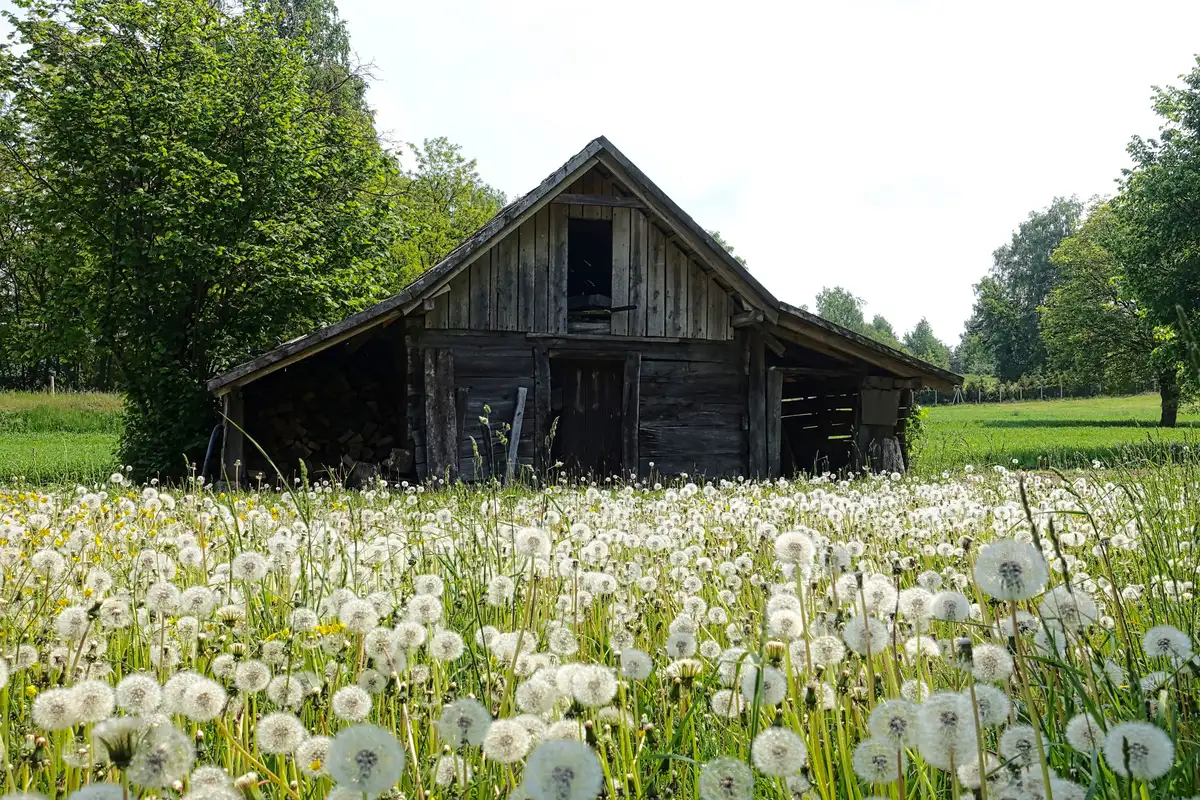
If your shed looks like a crime scene, December is the month to fix it. Take everything out, sweep the floor, and toss anything broken beyond repair. Wipe down shelves with a damp cloth and hang the tools you reach for most on wall hooks. Stack bags of compost and fertilizer on a pallet so they stay off the damp floor. A tidy shed means you will actually find your pruners in February instead of buying a second pair.
2. Clean, sharpen, and oil your tools
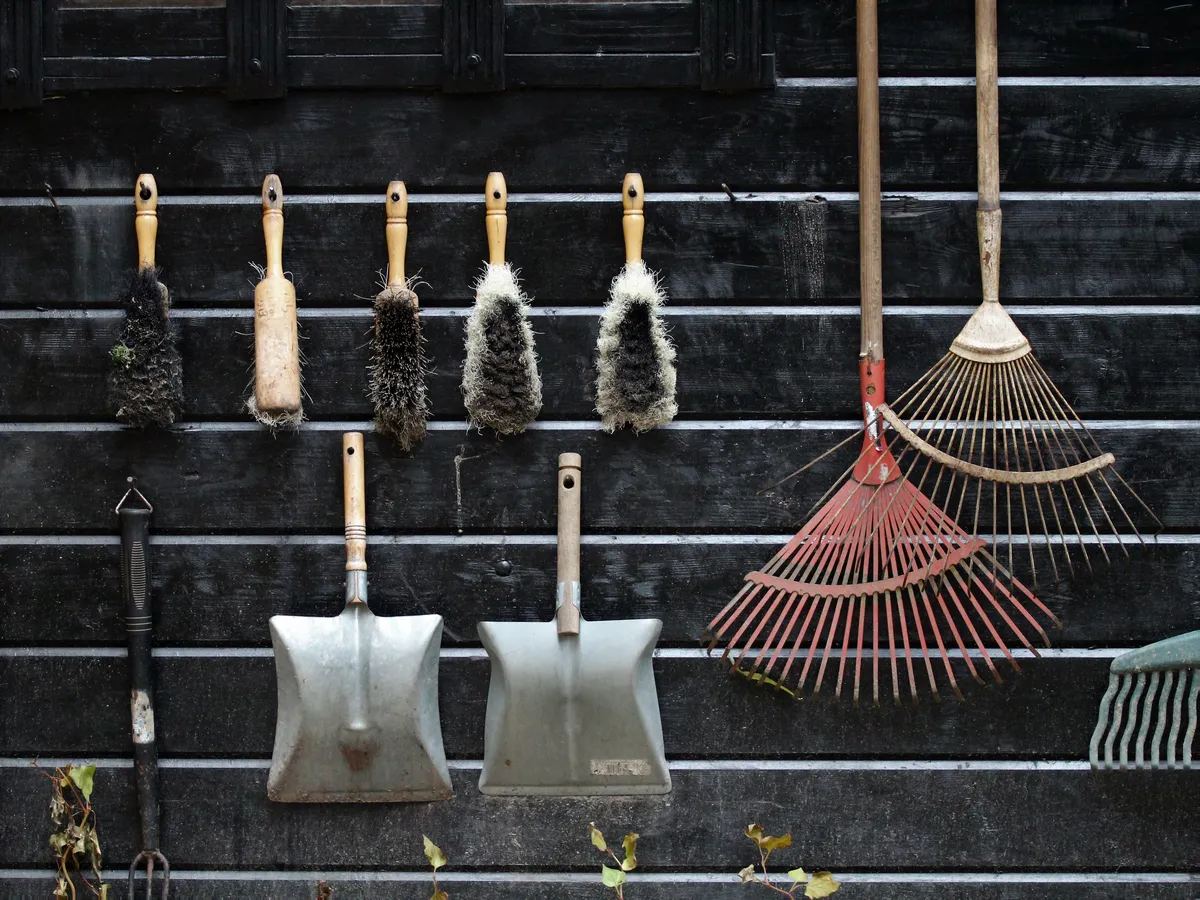
Winter is prime tool-care season because you will not need them for weeks. Scrub soil off spades, forks, and trowels with a stiff brush and soapy water, then dry them completely. Run a mill file along secateur and lopper blades to take out nicks, and wipe metal surfaces with an oily rag to stop rust. Treat wooden handles with linseed oil so they do not split by spring. Sharp, clean tools make every future job faster and kinder to your plants.
3. Check stored bulbs for rot
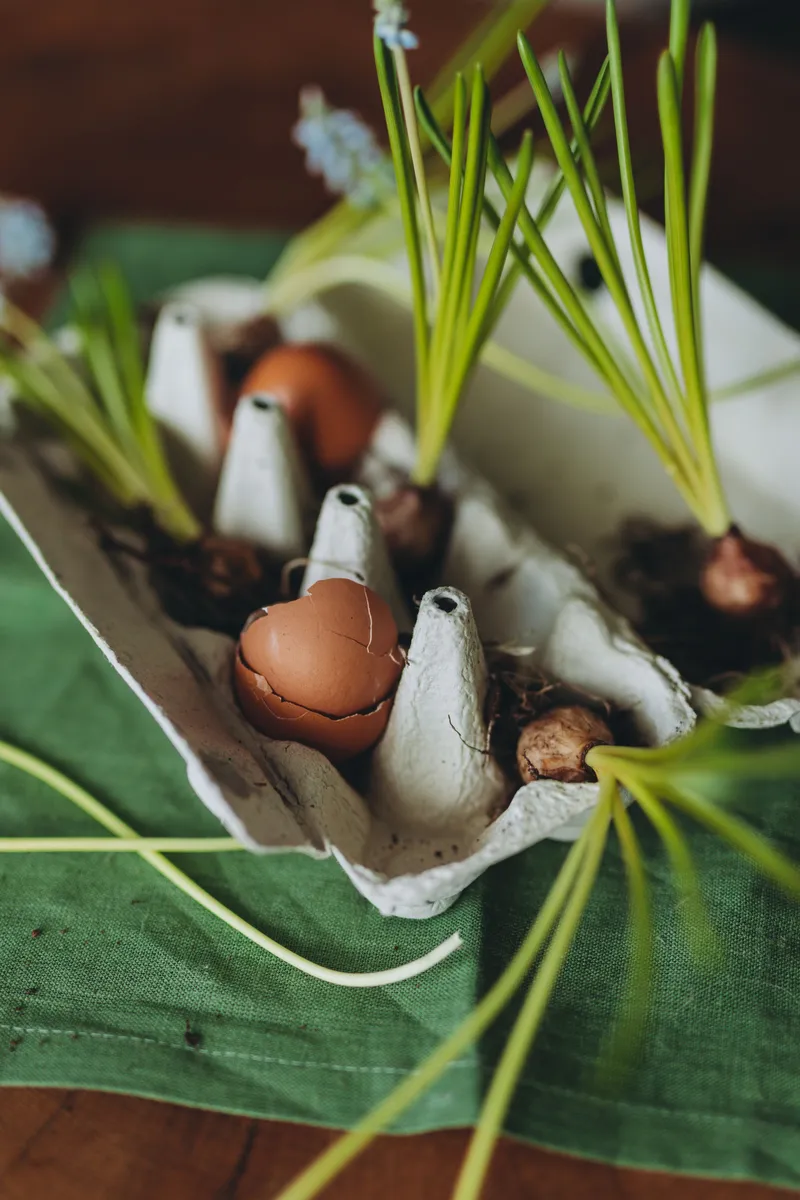
If you lifted dahlia tubers or gladioli corms back in autumn and have them sitting in boxes of dry compost or sawdust, go through them now. Tip them out gently and feel each one. Anything soft or mushy goes straight in the bin, because one rotten tuber can take the whole box with it. Top up the dry compost around the survivors and put them back somewhere frost-free like a garage. One quick check now saves your spring display.
4. Harvest parsnips and winter vegetables

Parsnips, leeks, Brussels sprouts, and kale are at their sweetest after a few frosts, since cold weather converts starches to sugars. Lever parsnips out with a fork rather than pulling so they do not snap. If the ground is frozen solid, cover the row with thick straw and wait for a thaw day. Leave sprouts on the stalk until you need them. For more cold-season harvest ideas, see our easy winter garden ideas for beginners.
5. Keep the pond from freezing over

A pond sealed shut with ice traps toxic gases from rotting debris, which can harm fish and frogs overwintering at the bottom. You do not need to keep the whole surface open, just a small hole. Float a small rubber ball on the surface so you can lift it out and pour hot water into the gap, or use a floating pond heater if freezes are long in your area. Never smash the ice with a hammer; the shock waves travel through the water and stress anything living in it.
6. Mulch beds with compost or bark

Bare winter soil loses structure every time it is pounded by rain. Spread 2 to 3 inches of well-rotted compost, bark chips, or shredded leaves over cleared beds, keeping the mulch a few inches away from plant stems to avoid rot. The mulch feeds earthworms, locks in moisture, and gives you a far better starting point in March. If you still have beds full of spent annuals, see our fall planting guide for what to do with late-season ground.
7. Plant bare-root trees, roses, and shrubs

December is one of the best months to plant bare-root stock in mild regions, because the plant is fully dormant and cool, damp soil helps roots settle without summer stress. Soak the roots in a bucket of water for an hour before planting, dig the hole wide enough that roots spread without bending, and plant at the same depth as the nursery’s soil mark (the dark line on the stem). Water well, mulch the surface, and stake only if the site is windy. You will pay half what a potted equivalent costs.
8. Clear borders of weeds and debris
Go through each border once and pull out weeds while the soil is workable. Winter weeds like hairy bittercress and chickweed set seed alarmingly fast even in cold weather, so removing them now stops a spring invasion. Cut back collapsed perennial stems to a few inches and rake off matted dead leaves that are smothering low plants. If your lawn needs the same treatment, our fall lawn care steps cover the cool-season basics that carry through winter.
9. Prune shrubs and trees while dormant

With leaves gone, you can finally see the structure of your shrubs and small trees, which makes December ideal for corrective pruning of deciduous plants. Remove the three Ds first: dead, damaged, and diseased wood, then thin out crossing branches so air moves through the crown. Make clean cuts just above an outward-facing bud, and disinfect secateurs between cuts if you spot canker. Leave spring-flowering shrubs like forsythia and lilac alone until after they bloom.
10. Remove dead leaves from plant crowns
Soggy leaves packed into the crowns of heucheras, sedums, and evergreen ferns hold moisture where you do not want it and invite slugs and crown rot. Lift dead foliage away by hand or with small scissors, and clear leaves off alpines and succulents too. This five-minute job per plant prevents a surprising number of winter losses.
11. Dispose of fallen fruit
Mummified apples, pears, and windfalls rotting on the ground are a winter hotel for codling moth larvae and brown rot spores. Pick up every last fallen fruit and bin it with the household waste rather than composting it, since home compost piles rarely get hot enough to kill pathogens. While you are at it, prune out any shriveled “mummies” still on the tree. Your fruit crop next year starts with this unglamorous clean-up.
12. Repair fences and check garden structures
Before the worst winter storms arrive, walk the boundary and wiggle every fence post. Replace snapped gravel boards, re-fix loose trellis battens, and tighten the bolts on arbors and pergolas while the ground is still workable. Check shed and greenhouse gutters too, and clear any choked with leaves so winter rain drains away from the foundations.
13. Clean and tidy paths

Mossy, leaf-covered paths turn treacherous in winter frost, so give them a proper clean. Scrape moss from joints with a stiff brush, sweep off the leaf litter, and hit slippery slabs with a pressure washer on a fan setting. If a path sits in a puddle every time it rains, top it up with a bag of gravel or wood chips for traction. Non-slip paths matter when you are carrying bags of compost in January gloom.
14. Move containers to a sheltered spot

Pots freeze harder and faster than the ground, and repeated freeze-thaw cycles crack terracotta and kill roots. Cluster containers against the warmest wall of the house, ideally under an overhang that shields them from winter rain. Wrap the most tender pots in bubble wrap or hessian, and raise pots on feet or bricks so water drains freely. If a pot is too heavy to move, a doubled-up horticultural fleece wrapped around it does the job.
15. Plant amaryllis bulbs indoors
Amaryllis is the easiest winter win there is. Choose a firm, heavy bulb, plant it with about a third of its shoulders above the soil in a snug pot, and water once. Keep it in a warm, bright spot and water sparingly until the flower spike appears. Blooms take six to eight weeks, which puts flowers on your windowsill in late January, exactly when the garden looks bleakest.
16. Prepare cold frames
If you have a cold frame, check it now so it is ready when seed sowing starts. Wipe the glazing clean so maximum light gets through, replace any cracked panes, and bank the outside with straw bales or bubble wrap for insulation. Cold frames are perfect for overwintering tender cuttings and sheltering alpines from winter wet. A little attention now means it is working the day you need it.
17. Order seed catalogs and start planning

This is the fun December job. Order catalogs from a couple of seed companies, or just browse their sites, and start a wish list for spring. December is when the best varieties sell out, so ordering early gets you first pick of new tomato, dahlia, and sweet pea varieties. Sketch your beds while this year’s layout is fresh in your mind, and plan your crop rotation. Planning is gardening too, just with warmer hands.
18. Write down what worked this year
Before the memory fades, spend half an hour with a notebook and record the season’s hits and misses. Which tomato variety tasted good? Which border looked empty in August? What ate your hostas? Note the varieties, the flowering dates, and any pest problems. This record becomes next year’s planning list.
December garden FAQs
Is December too late to plant anything?
Not at all. In mild climates you can still plant bare-root trees, shrubs, roses, and hedging, and garlic and broad beans can go in during a mild spell. Do not plant tender things or sow seeds outdoors in freezing soil; save those for spring.
Should I feed my plants in December?
Skip the fertilizer. Plants are dormant and cannot use it, and unused nutrients wash away in winter rain. The exception is top-dressing beds with compost or well-rotted manure, which breaks down slowly and feeds the soil rather than the plant.
Can I keep composting through winter?
Yes, the pile just works slower. Keep adding kitchen scraps and shredded cardboard in roughly equal parts, and cover the bin to keep rain out and heat in. Even one stir a month keeps the microbes ticking over until spring.
How do I protect tender plants from frost?
Drape horticultural fleece over tender shrubs and perennials on the coldest nights, and move pots into the most sheltered spot you have. A thick mulch around the base insulates roots, which is usually enough for borderline plants. Remove fleece during mild spells so plants do not rot underneath.
Conclusion
December gardening is not about grand projects. It is maintenance, preparation, and a little dreaming over seed catalogs. Work through this list at your own pace, and when spring arrives you will step into a garden that is tidy, healthy, and ready to grow. Your March self will thank you.