
The best Thanksgiving wreath might already be growing in your yard. Those faded hydrangea heads, the pinecones under the tree, the red twigs on the dogwood you pass every day: with a wire frame and an afternoon to spare, these DIY Thanksgiving wreath ideas using garden cuttings turn ordinary yard material into a front door display your guests notice before you even knock.
Below: what to cut (and what to leave alone), the tools that make it easy, a step-by-step build, and 12 distinct designs.

What to Cut From Your Garden for a Thanksgiving Wreath
Gather four groups: evergreens for the base, dried flowers for color, pinecones for texture, and colorful stems for accents. Cut sparingly and spread cuts across each plant.
Evergreen cuttings for the base
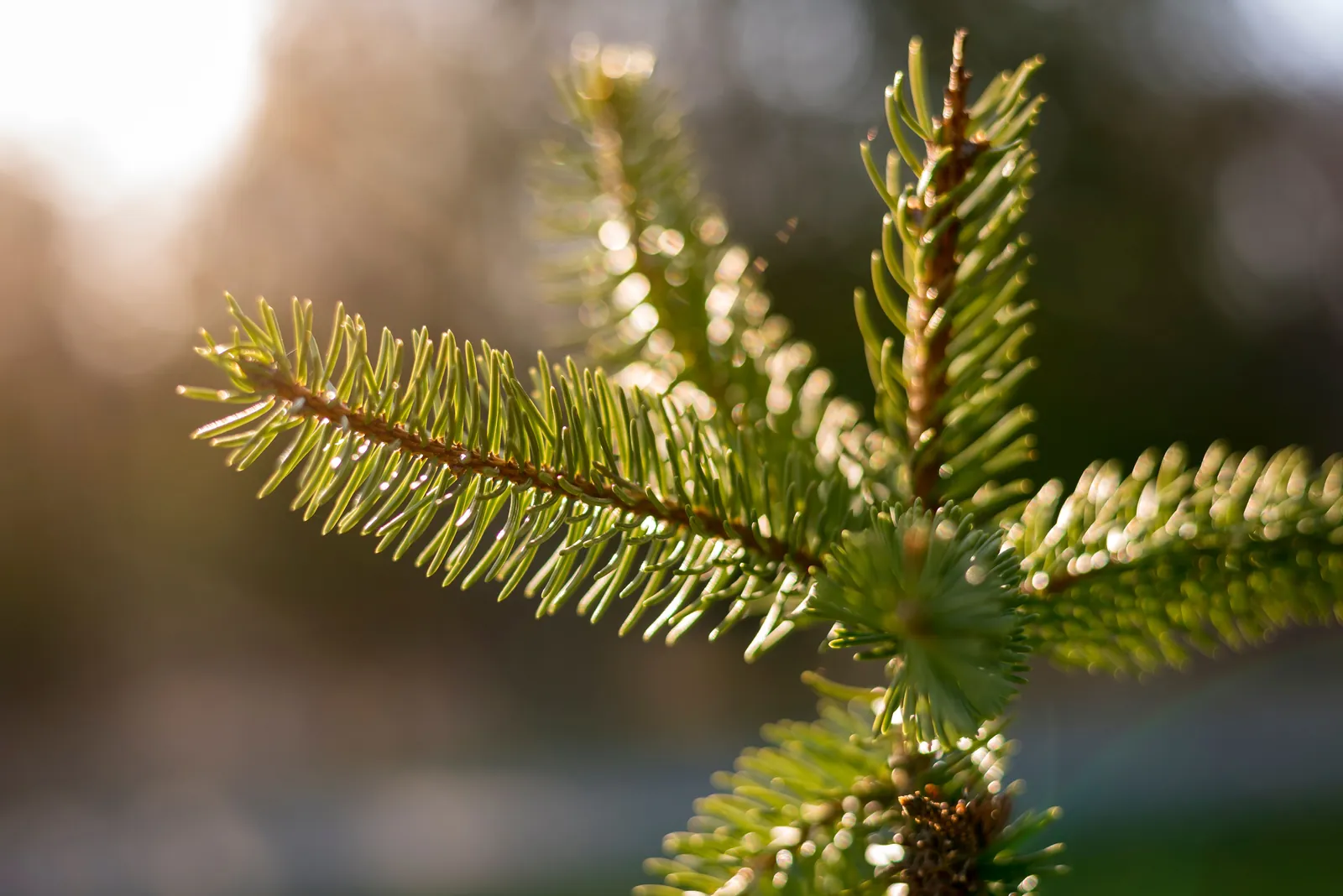
Pine, fir, spruce, and cedar form the foundation. Long pine needles make a relaxed outline; flat cedar or fir sprays cover the frame fast and hide wire. Cut 6 to 8 inch tips from outer growth, taking a little from many branches. Fresh greenery stays workable about a week in a cool garage.
Dried hydrangeas and other dried flowers
Dried hydrangea heads bring faded pink, cream, and soft green without paint. Choose heads that hold their shape and feel fully dry. To dry your own: cut in late summer, strip leaves, hang upside down in small bunches in a dark, airy room. On types blooming on old wood, long cuts remove next summer’s buds, so use pre-dried flowers. Strawflowers, gomphrena, and yarrow substitute well.
Pinecones, seed heads, and pods
Pinecones add small, solid shapes among the foliage. Gather clean fallen cones and let damp ones dry indoors a day. Milkweed pods, dried allium heads, and magnolia cones work the same way. A small wreath needs 6 to 10 cones; a full 14 inch ring with clusters needs 15 to 20.

Colorful stems and berries
Red and yellow twig dogwood, curly willow, and berry branches carry the autumn color. Winterberry holly is especially good, though berries dry in place over weeks. Bittersweet gives orange berries in a natural cascade, but keep them from pets and children. Dried grass plumes add movement at the top.
Tools and the Right Frame
A reusable wire frame suits full evergreen designs; a grapevine ring suits wreaths where part of the base stays visible. A 12 to 14 inch frame is classic, but hold it against your door first: greenery extends 3 to 4 inches past every edge. Behind a storm door, measure clearance so the wreath is not crushed on closing.
You will need: a 12 to 14 inch wire frame or grapevine ring, florist paddle wire (22 gauge), sharp bypass pruners and wire cutters, gardening gloves, a sturdy hanging loop and over-the-door hook rated for at least 5 pounds, and ribbon in copper, rust, or deep gold.

How to Assemble a Thanksgiving Wreath With Garden Cuttings
Step 1: Build the green base. Trim evergreens into 4 to 8 inch pieces and sort by type. Attach the hanging loop to the bare frame, then anchor the paddle wire with a couple of tight wraps. Make small bundles of similar thickness, lay the first on the frame, and wrap the wire around the stem ends and frame two or three times. Lay the next bundle over the exposed stems of the first and fasten with the same continuous wire, working around the ring in one direction. Tuck the final stems under the foliage of the first bundle. This overlap hides every fastening.
Step 2: Check the shape. Lift the wreath against a plain wall. A circle that looked even on the table often shows a thick patch at the bottom or greenery in the center. Reposition bundles now and keep the center opening clear so the door color shows through.
Step 3: Wire in the heavy pieces. Fit pinecones before fragile flowers. Work wire around each cone beneath its base scales, twist the ends, pass them through the greenery, and secure to the frame. Cluster a few cones where you want the eye to land. Fasten twigs at two points along their lower stems so they do not swing when the door moves.
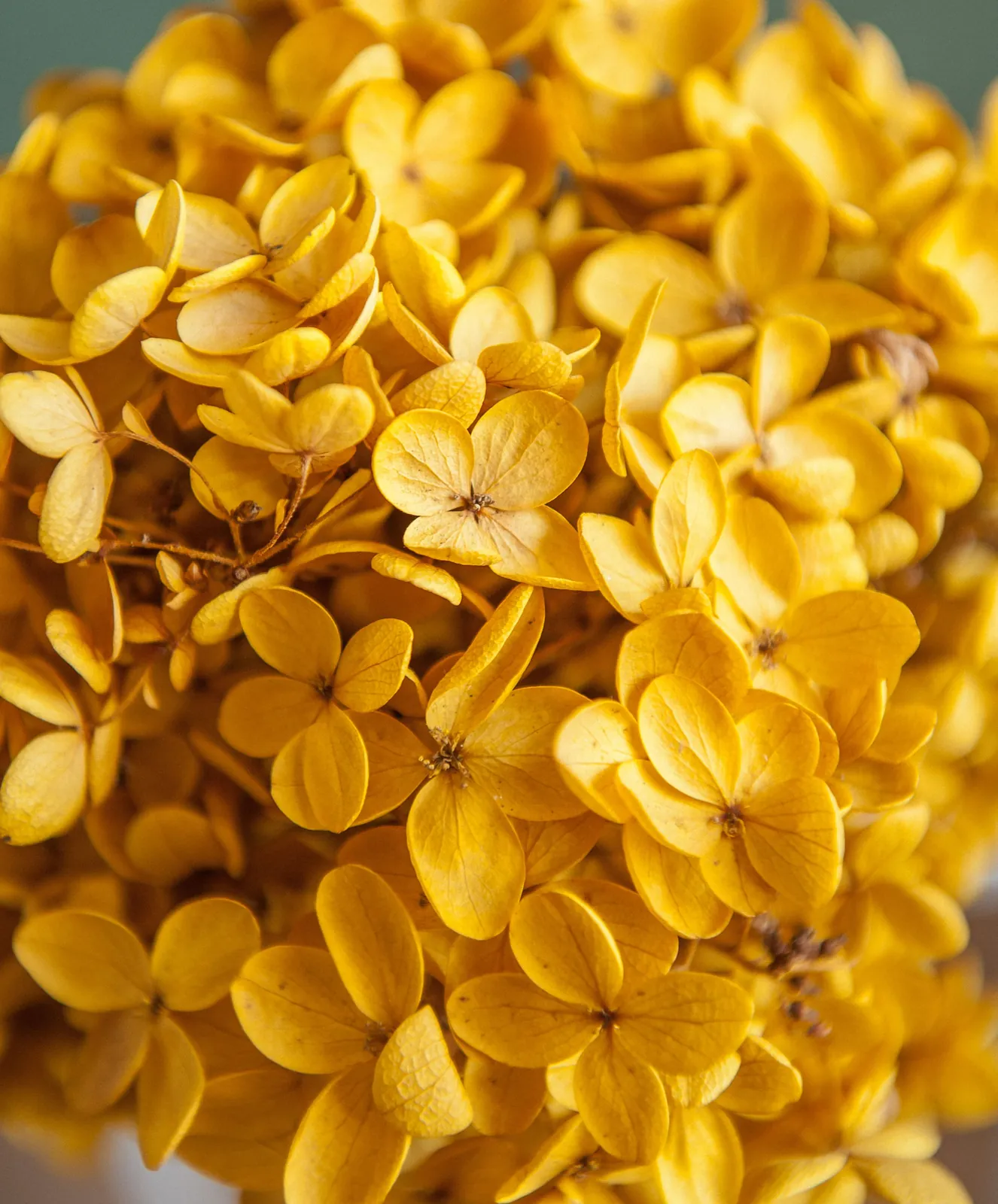
Step 4: Add the dried flowers. Rest each hydrangea head on the wreath to test position, then tie the stem to the frame beneath the greenery, handling blooms by the stem. If a stem is too short, bind it to a twig as an extension. Leave breathing room; it makes the flowers look more expensive.
Step 5: Finish with ribbon. Try the bow beside your main flower cluster before tying it in. Copper ribbon catches the light against dark foliage; rust linen gives a softer finish. Attach the ribbon with its own wire so you can reuse it later. Fold all wire ends toward the back, lift the wreath by its loop, and open and close the door once to check that twigs and tails clear the handle.
12 DIY Thanksgiving Wreath Ideas Using Garden Cuttings
Start with the build above, then steer it toward one of these twelve designs, each using material from an ordinary yard.
1. Full evergreen ring with copper ribbon
Let mixed pine and cedar occupy most of the ring, with pinecone groups between cream hydrangea heads and red twig sprays at the outer edge. A copper bow below the center opening settles the eye. Best against a pale door.

2. Dried hydrangea wreath with rust ribbon tails
Arrange dried heads close together over a thin evergreen base, mixing faded pinks, creams, and greens. This needs more blooms than usual, so use it for a big, productive shrub. Tuck small pinecones between heads. Hang under a covered entrance, since rain batters dried heads.
3. Grapevine crescent with a touch of garden
Leave most of a grapevine ring exposed and decorate its lower-left curve: evergreen sprigs, hydrangeas, and a small pinecone group at the fullest point, with colored twigs following the curve. Taper to smaller sprigs at each end; hide the last fastening under a flowerhead.
4. Pinecone-forward wreath with red twigs
Group cones generously over a thin covering of greenery, largest near the base. Add small hydrangea pieces and red twig sprays, then a small rust bow away from the clusters. The cones add real weight, so confirm your frame, loop, and hook can carry it.
5. Golden hour wreath: dried grasses and wheat tones
Build color from dried ornamental grasses, wheat-toned sedum heads, and tan seed pods over a slim fir base. Add golden pinecones and a deep gold ribbon. Suits brick houses and bronze hardware, and weathers better than flower-heavy designs.
6. Berry branch wreath
Layer winterberry holly, beautyberry, or bittersweet stems over an evergreen base so berries cluster in groups of three to five, with pinecones at each cluster for contrast. Bittersweet berries are toxic, so hang high around pets and toddlers.
7. Minimalist single-variety wreath
Use one material generously: all boxwood tips, all dried statice, or all white pine. It looks calm and deliberate and is the fastest build. One burlap loop or a single dried eucalyptus stem across the bottom is all it needs.
8. Harvest wreath with mini gourds
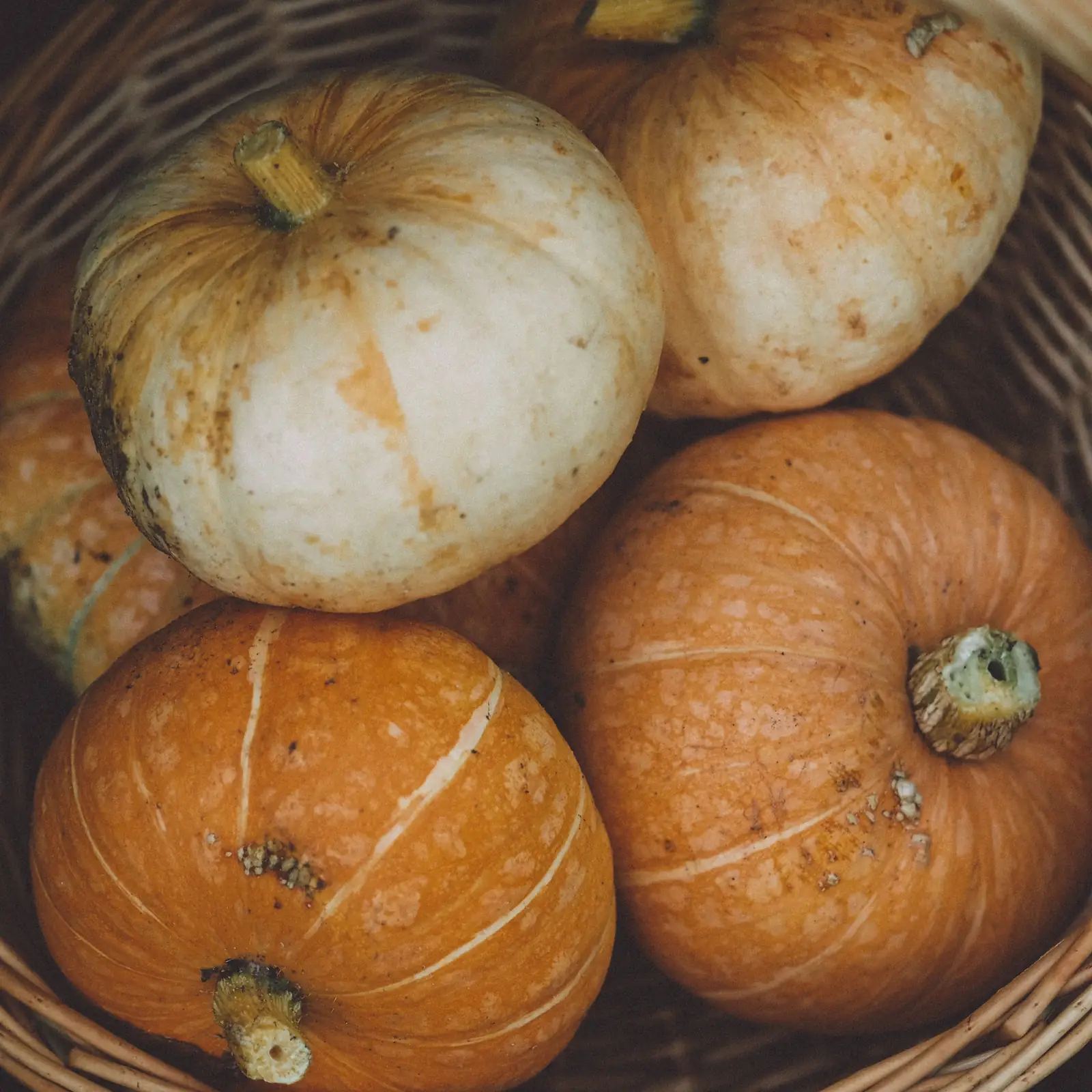
Wire three or four small ornamental gourds into the lower curve of an evergreen wreath, nested among dried corn husks and wheat stems. Keep gourds under 4 inches for manageable weight and choose intact stems for wiring. A burlap bow finishes the harvest look.
9. Frosty blue and silver wreath
Combine blue spruce or juniper with dusty miller left from summer containers, like those in your fall hanging baskets. Add white-painted pinecones for a frost-kissed effect and a silver-gray ribbon. It bridges Thanksgiving and early winter.
10. Cottage garden wreath: dried flowers everywhere
Pack strawflowers, statice, gomphrena, celosia, or dried roses closely over a grapevine or wire base in autumn shades, with evergreen sprigs at the back for structure. The most colorful option, and every bloom is one you grew.

11. Woodland floor wreath with moss and twigs
Line a wire frame with sheet moss, then build up with curly willow, acorns, small pinecones, and dried fern fronds, plus two or three dried hydrangea heads. No ribbon needed. Suits stone houses and wild-leaning gardens.
12. Thanksgiving table wreath centerpiece
Build a flatter, wider ring on a grapevine base, lay it on the dining table, and set a candle lantern or small pumpkin in the center. Keep the profile under 4 inches so guests can see over it. It works as indoor fall garden decor and moves to the door after dinner.
Making Your Wreath Last Through Thanksgiving
A fresh evergreen base lasts three to four weeks in cool air, covering the run-up to Thanksgiving if you build in early to mid November. Hang it cool, away from heating vents and strong sun; a covered porch shelters the dried flowers and ribbon. Do not soak or mist the finished wreath. If a bundle turns brittle, wire a fresh one over it and snip the old stems.

FAQs About Thanksgiving Wreaths From Garden Cuttings
When should I make it?
Early to mid November suits most of the US; the base stays fresh three to four weeks. In warm climates (zones 9 and 10), build closer to Thanksgiving, since heat shortens its life.
Can I use fresh hydrangeas?
Fresh hydrangeas wilt within days on a wreath, so dried heads are the way to go. Missed the drying window? Substitute dried sedum, strawflower, yarrow, or allium and echinacea seed heads.
How do I keep pinecones from falling off?
Wire each cone individually around its base, beneath the scales, and twist the wire ends through the greenery to the frame. Glue alone fails in cold, damp weather. Wired cones survive door slams and wind.
What happens to the frame after Thanksgiving?
Strip the ribbon and decorations, cut away the binding wire, and compost the disease-free plant material. Save the dry frame, sound pinecones, and unbroken flowerheads. The same frame can carry a Christmas wreath in December and a spring design in March.

Final Thoughts
The most personal holiday decor comes from your own yard, not a store shelf. Start with one familiar plant, see what the garden offers beside it, and let the materials guide the design. The frame stays the same while the wreath reflects whatever is growing outside your door.
5 thoughts on “12 DIY Thanksgiving Wreath Ideas Using Garden Cuttings (2026)”