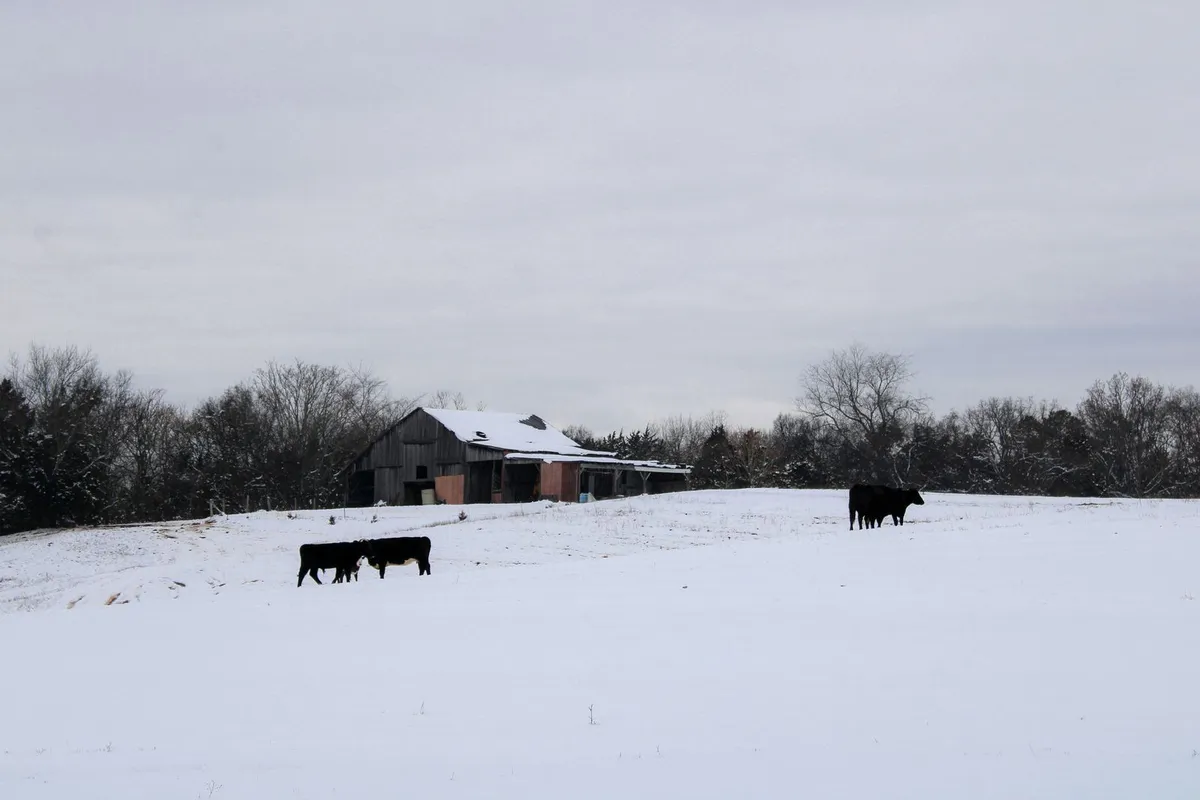
Homesteading during winter rewards the work you did in autumn and the steady habits you keep when days get short. It is not about doing everything at once. It is about keeping your home warm, your animals fed and watered, your pantry full, and your garden ticking over until spring. This guide gives you 15 practical skills with real quantities, temperatures, and routines, so you can stay warm and fed without guesswork.
Start with one rule: winter problems are almost always smaller when you catch them early. Check water twice a day, check the stove before dark, and keep a simple list of what you used each week. That list tells you what to grow, preserve, and buy more of next year.
1. Heat Your Home Safely With Wood for Homesteading During Winter
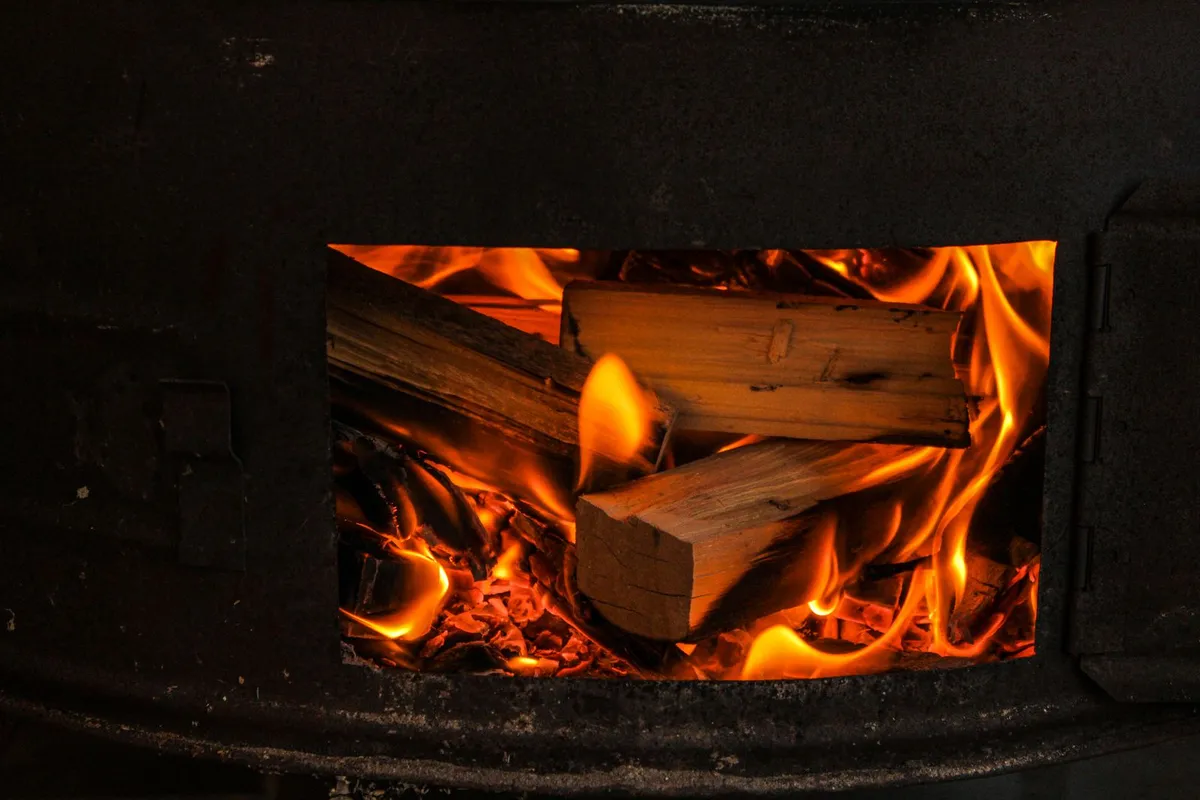
Learn your stove before the first hard frost. A wood stove heats best with dry wood, a hot fire, and a clean flue. Burn only seasoned hardwood at 20 percent moisture or below, keep the flue swept at least once a season, and fit a carbon monoxide alarm in the room with the stove. Keep a metal ash bucket with a lid outside, away from walls, because ashes can stay hot for days.
2. Season and Stack Firewood the Right Way
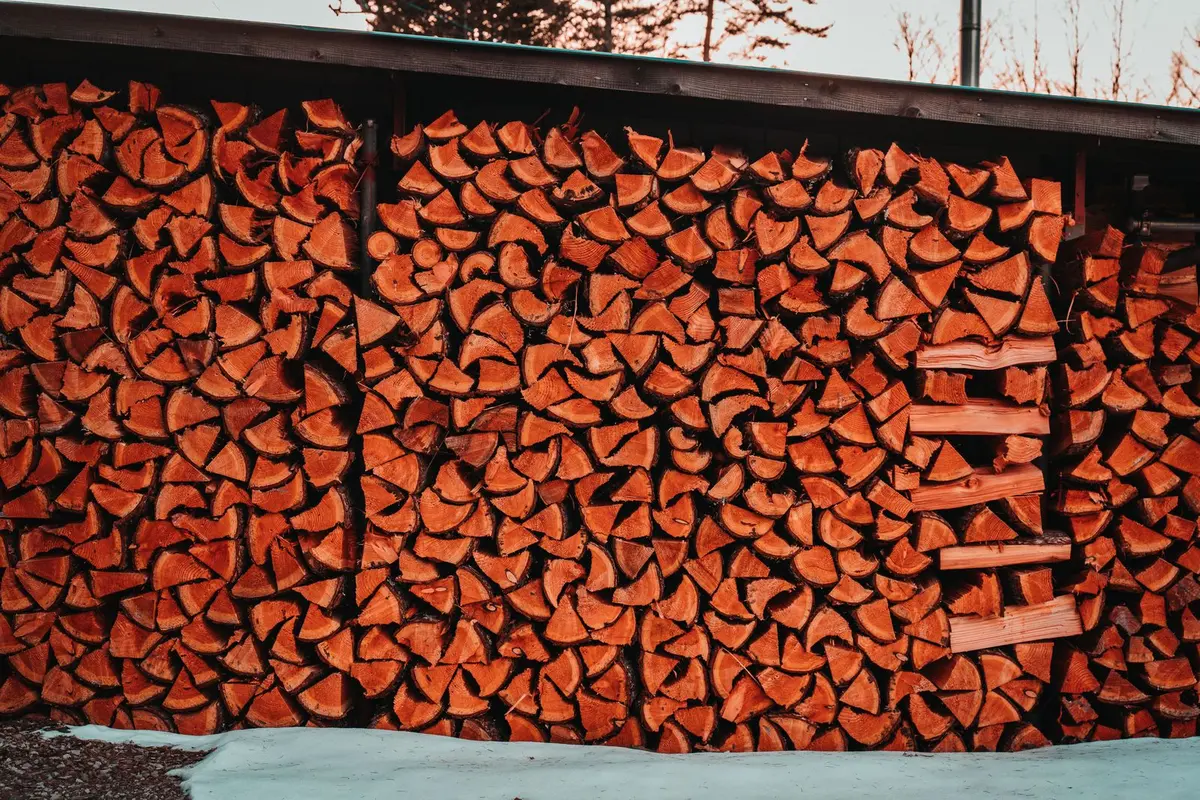
Good winter heat starts a year earlier. Split logs to about 15 to 20 centimetres across, stack them off the ground on pallets or rails, and cover only the top so air can move through the sides. Most homes that heat mainly with wood use 3 to 5 cords in a cold winter, while a home that uses wood as a backup may need only 1 to 2 cords. Bring in one or two days of wood at a time so it stays dry by the door.
3. Build a Winter Pantry With Real Quantities
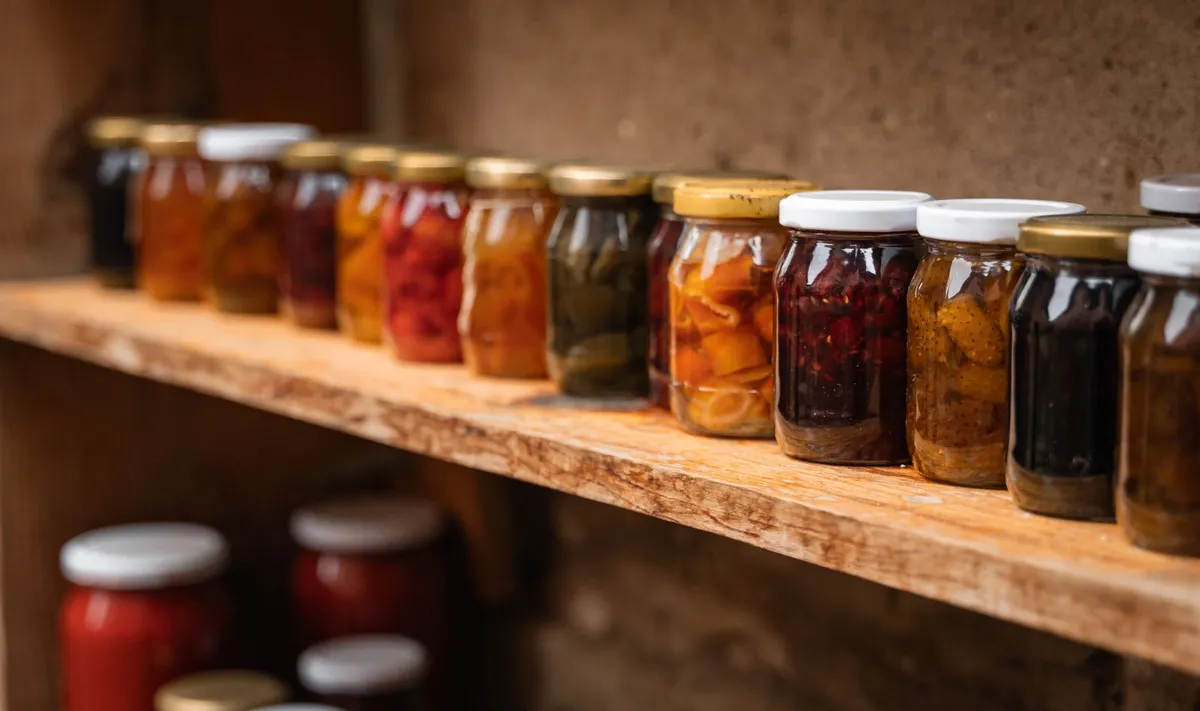
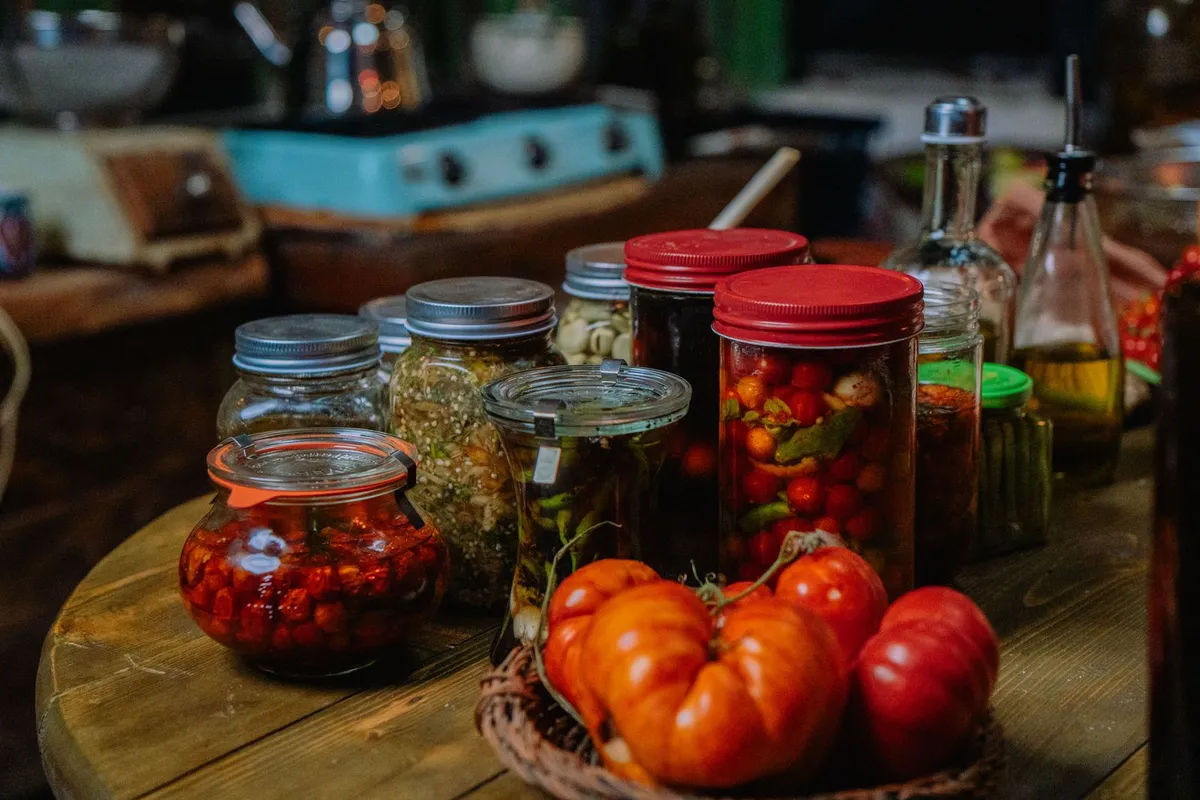
Count meals, not shelves. For a family of four, aim for at least 60 dinners from stored food before winter begins. That could mean 30 jars of soup and stew, 20 jars of vegetables, 10 jars of fruit, plus 25 kilograms of potatoes, 10 kilograms of onions, 10 kilograms of rice, 5 kilograms of dried beans, and 5 kilograms of flour. Label every jar with the contents and the month, and eat the oldest stock first.
4. Store Roots in Cool, Dark, Humid Conditions
Potatoes, carrots, beets, parsnips, and turnips keep best at 1 to 4 degrees Celsius with high humidity and no light. In a root cellar, store them in boxes of slightly damp sand or sawdust, and check them every two weeks. Remove any soft or sprouting roots at once, because one rotting potato can spoil its neighbours. If you have no cellar, use an unheated garage corner or a buried insulated box, and keep potatoes away from onions.

5. Preserve Food by the Right Method, Not by Guesswork
Use water bath canning only for high acid foods such as fruit, jam, pickles, and tomato sauce with added acid. Use pressure canning for low acid foods such as beans, meat, soup, and plain vegetables, following a tested recipe for your jar size and altitude. Freeze blanched greens, berries, and cooked beans in flat bags so they stack well. Dry herbs, apples, and mushrooms until crisp, then store them in airtight jars away from light.
6. Keep Chickens Laying Through the Cold
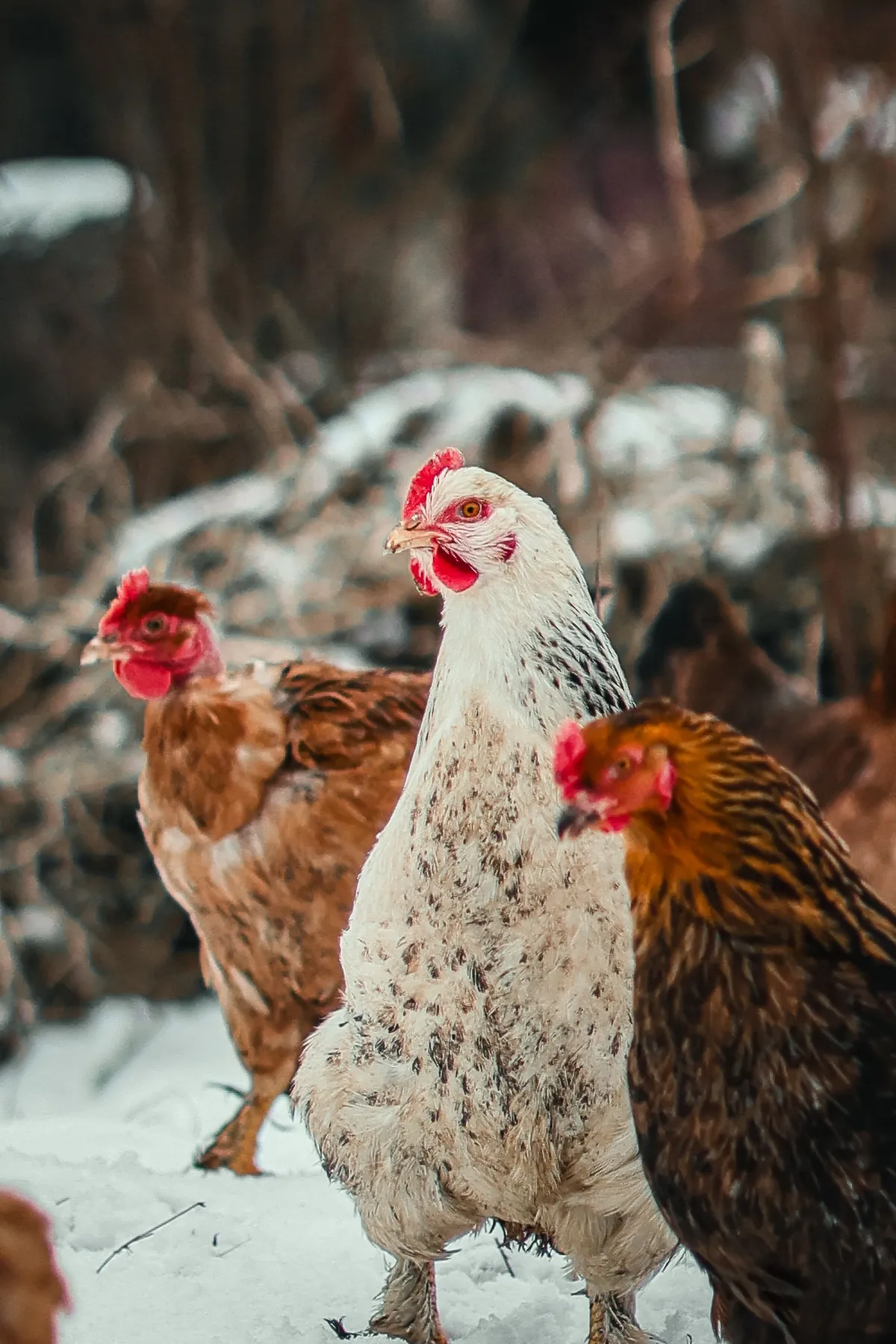
Chickens cope with cold better than with damp and draughts. Give each hen about 0.4 square metres inside the coop and 1 square metre in the run, keep bedding dry with fresh straw, and close draughts at roost height while leaving a high vent open for fresh air. Feed a layer ration plus a handful of scratch grain in the late afternoon, and offer crushed oyster shell for strong eggshells. Collect eggs twice a day so they do not freeze and crack.
7. Care for Goats and Sheep in Freezing Weather
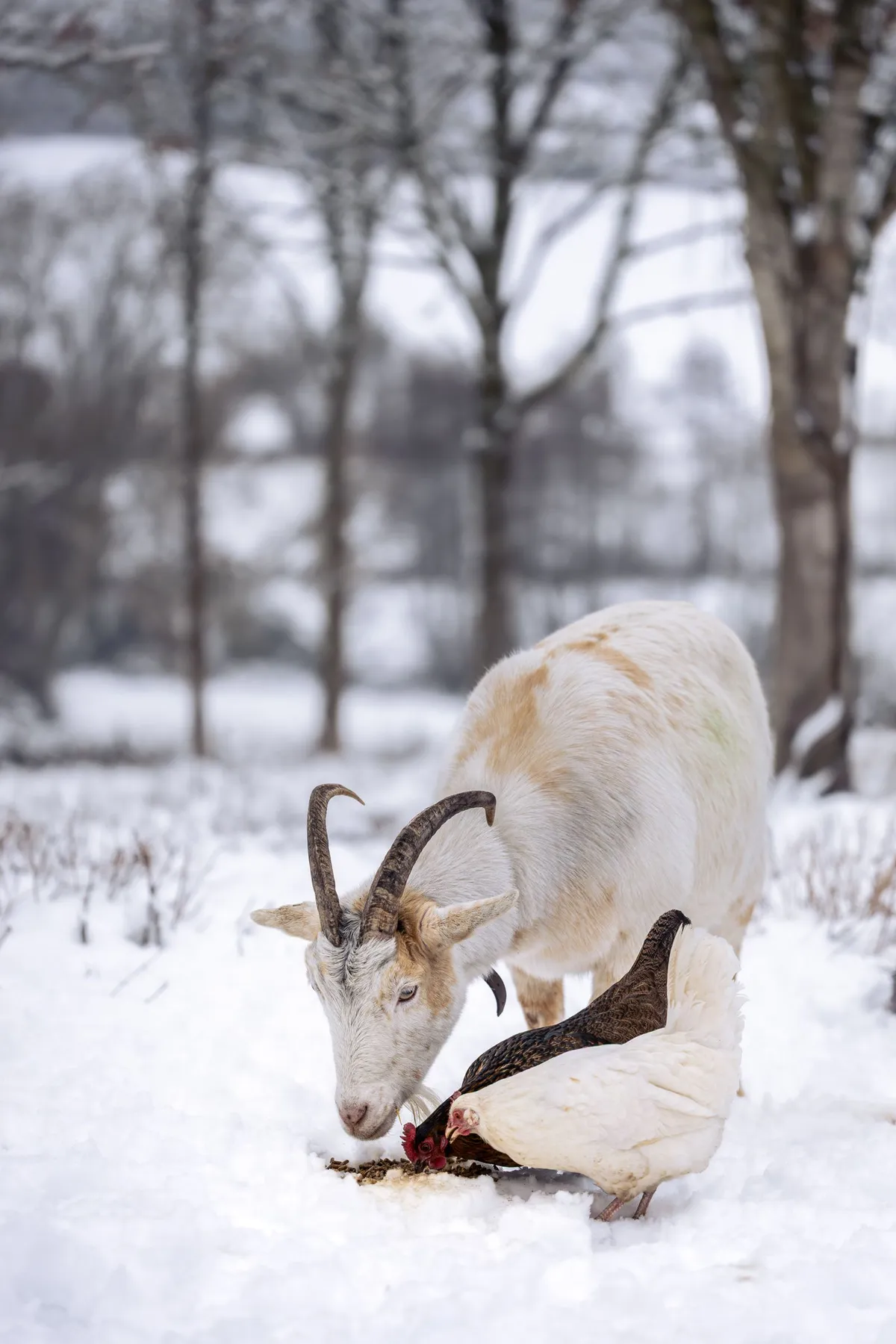
Goats and sheep need dry bedding, shelter from wind, and more feed in cold weather, not a heated barn. Give each goat about 2 square metres of dry shelter space, add deep straw bedding, and increase hay by about 25 percent when temperatures stay below freezing. Check hooves every two weeks, trim overgrowth, and watch for limping after wet spells. Keep mineral blocks available, and separate any animal that stops eating.
8. Keep Water Liquid When Temperatures Drop
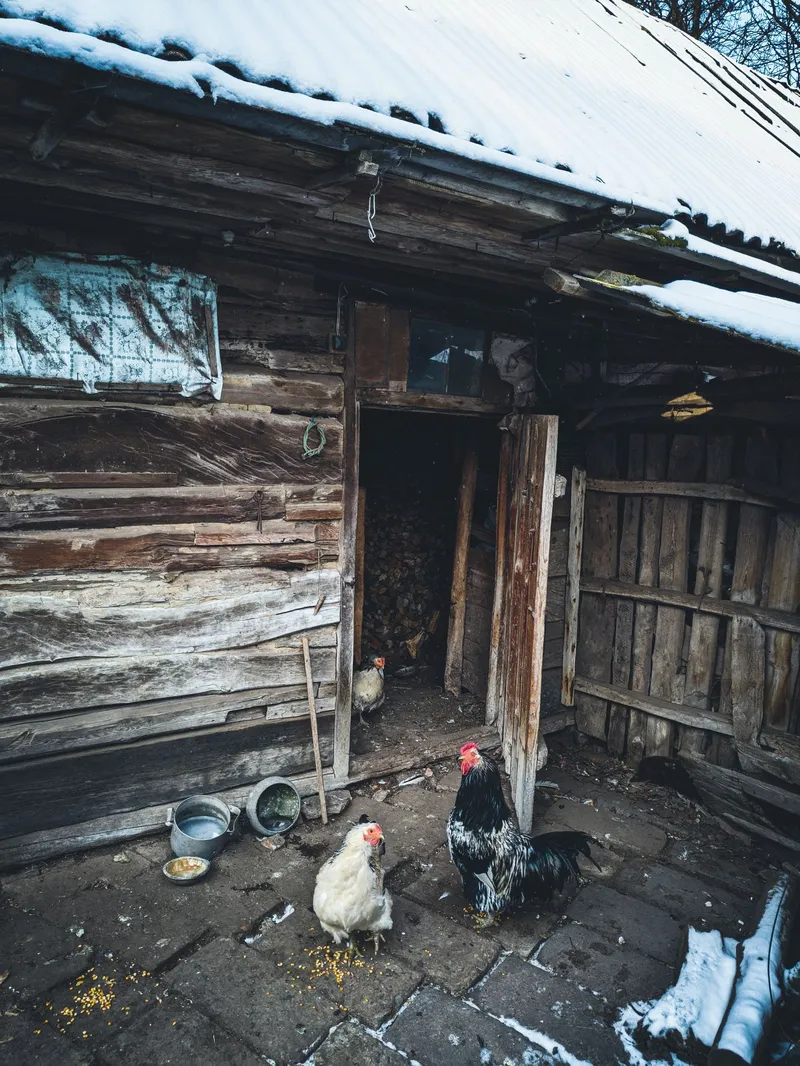
Frozen water is the most common winter animal problem. Check drinkers morning and evening, break ice at least twice a day in hard frost, and use a heated base or heated bucket where power is safe and cords are protected from chewing. Insulate exposed pipes with foam sleeves, and keep a spare bucket indoors so you can swap a frozen one quickly. For poultry, use a wide shallow drinker that is easy to refill and clean.
9. Grow Food in a Greenhouse or Cold Frame
A greenhouse does not need to be warm to be useful in winter. Hardy greens such as spinach, kale, lettuce, and chard grow slowly at 5 to 10 degrees Celsius, and a cold frame can lift night temperatures by 3 to 5 degrees. Sow little and often, water only in the morning, and vent on mild days to stop grey mould. For more cold season ideas, see our winter greenhouse gardening guide and our top 10 winter greenhouse crops to try.
10. Use Deep Litter Bedding to Your Advantage
Deep litter means adding fresh straw or wood shavings over old bedding through winter instead of cleaning it all out each week. Start with 10 to 15 centimetres of dry bedding, add a fresh layer whenever the surface looks damp, and stir the top layer so it stays loose. The bedding composts slowly and adds warmth underfoot, but it must stay dry, not wet or smelly. For the compost side of this system, see our composting in winter guide. In spring, the whole lot makes rich compost.
11. Cook Hearty Meals From What You Stored
Winter cooking should use the pantry first. A good base is one large pot of soup or stew twice a week: 1 kilogram of root vegetables, 500 grams of beans or meat, 2 litres of stock, and herbs from the greenhouse or dried store. Bake bread twice a week if you can, and plan one pot meal that gives leftovers for lunch. Keep a simple meal list on the pantry door so nothing sits unused while you buy food you already have.

12. Prepare for a Power Cut Before It Happens
Write a one page power cut plan and keep it where everyone can find it. Store 20 litres of drinking water per person, a hand powered torch and radio, spare batteries, candles in safe holders, and three days of food that needs no cooking. Know how to shut off water if pipes freeze, keep phones charged, and keep the wood stove ready as a backup heat and cooking source. Test the plan once, in daylight, before you need it at night.
13. Start Seeds Indoors and Plan Spring Early
Winter is the best time to plan, not just to wait. Order seeds by January, start onions, leeks, and chillies indoors 10 to 12 weeks before your last frost, and start tomatoes and peppers 6 to 8 weeks before it. Use a bright windowsill or a simple LED light 15 to 30 centimetres above seedlings for 14 to 16 hours a day. Label every tray with variety and sowing date, and keep a notebook of what grew well this year.
14. Keep Paths, Roofs, and Animals Safe in Snow
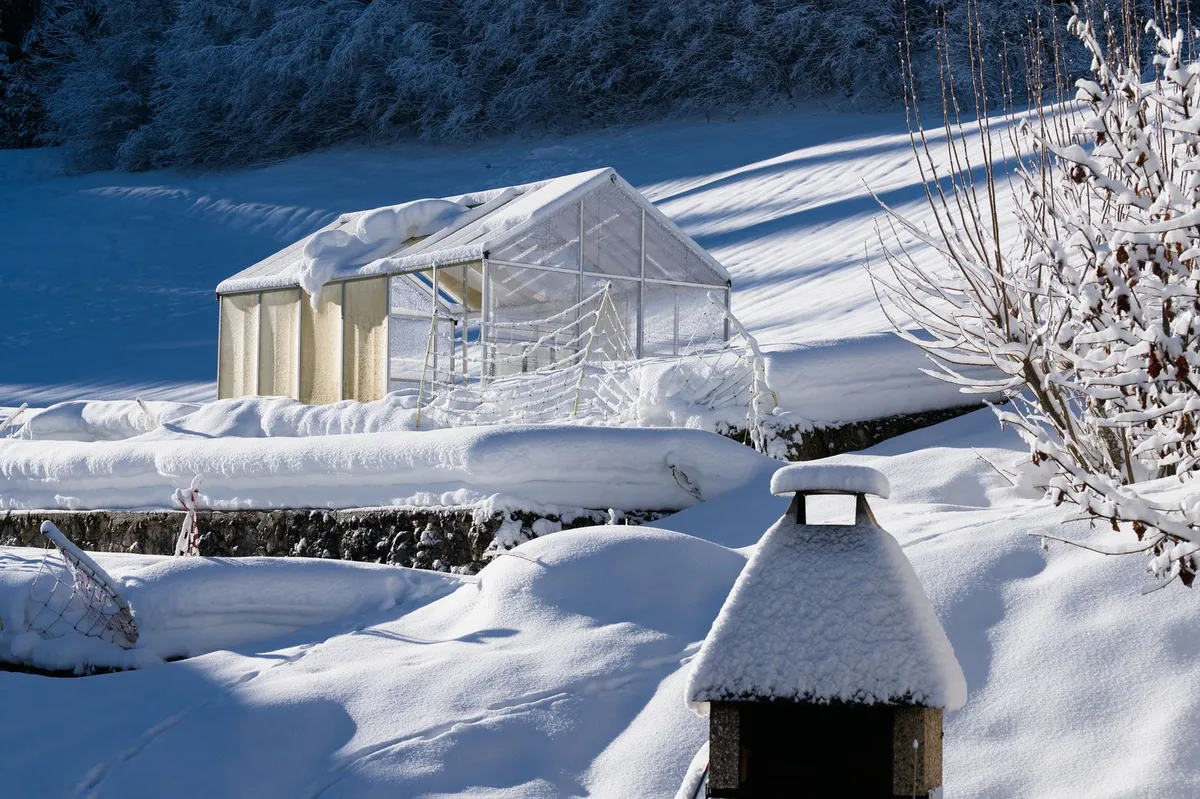
Clear paths to the coop, barn, and wood store before dark, and keep grit or sand by the door for ice. Brush heavy wet snow off greenhouse and cold frame roofs, because wet snow can bend frames and break panels. Check fences after storms, because snowdrifts can bury a fence line and let animals wander. Wear boots with grip, carry a torch on evening rounds, and never rush animal chores on icy ground.
15. Follow a Simple Daily Winter Routine
A short routine beats a long to do list. In the morning, tend the stove, feed and water animals, and collect eggs. At midday, vent the greenhouse, check water again, and bring in wood. In the evening, top up bedding, check the stove, and note anything that needs fixing. Once a week, check stored food, clean drinkers properly, and plan the next seven days of meals. Steady small jobs keep a homestead warm, fed, and calm all winter.
Frequently Asked Questions
How much firewood do I need for homesteading during winter?
Most homes that heat mainly with wood use 3 to 5 cords in a cold winter, while a backup wood stove may need only 1 to 2 cords. Season wood for at least 12 months, split it small, stack it off the ground, and cover only the top.
What food should I store for winter on a homestead?
Aim for at least 60 stored dinners for a family of four, plus potatoes, onions, rice, beans, and flour. Use pressure canning for low acid foods, water bath canning for high acid foods, and check stored roots every two weeks.
Do chickens need a heated coop in winter?
No, chickens need a dry, draught free coop with good high ventilation, not heat. Keep bedding dry, feed a layer ration, collect eggs twice a day, and keep water from freezing.
What grows in a winter greenhouse?
Spinach, kale, lettuce, chard, parsley, and hardy herbs grow slowly in a cool greenhouse at 5 to 10 degrees Celsius. Sow little and often, water in the morning, and vent on mild days.
How do I keep animal water from freezing?
Check drinkers morning and evening, break ice twice a day in hard frost, and use a heated base or bucket where it is safe. Keep a spare bucket indoors so you can swap a frozen drinker quickly.
Conclusion
Homesteading during winter is a skill you build one routine at a time. Heat your home safely, store food in real quantities, keep animals dry and watered, grow a little through the cold, and have a plan for power cuts and storms. Do those things steadily, and winter stops feeling like a season to survive and starts feeling like part of the homestead year.