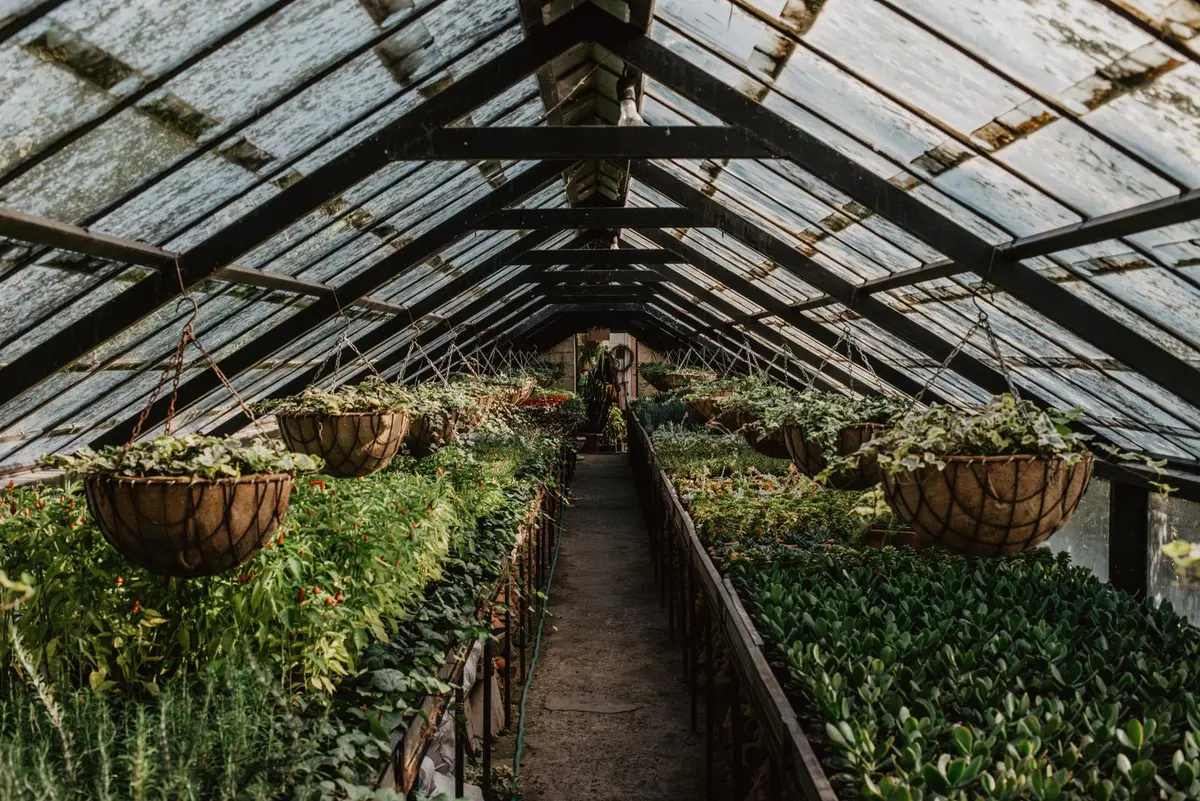
When the first frost arrives, most greenhouses turn into cold storage for pots and tools. That is a waste of a beautiful room. With a few smart choices, your cozy greenhouse interior ideas can turn that glass box into the warmest corner of your garden, a place where you want to sit with a mug of tea in January while snow sits on the roof.
1. Plan Your Cozy Greenhouse Interior Ideas Around Three Zones
Before you buy a single cushion, split the space into three zones: work, grow, and pause. The work zone holds your potting bench near the door. The grow zone takes the brightest wall for shelves. The pause zone gets the warmest corner, just for one chair and a tiny table. Keep the main walkway 24 inches clear, 30 if you carry trays.
2. Build a Potting Bench That Earns Its Space
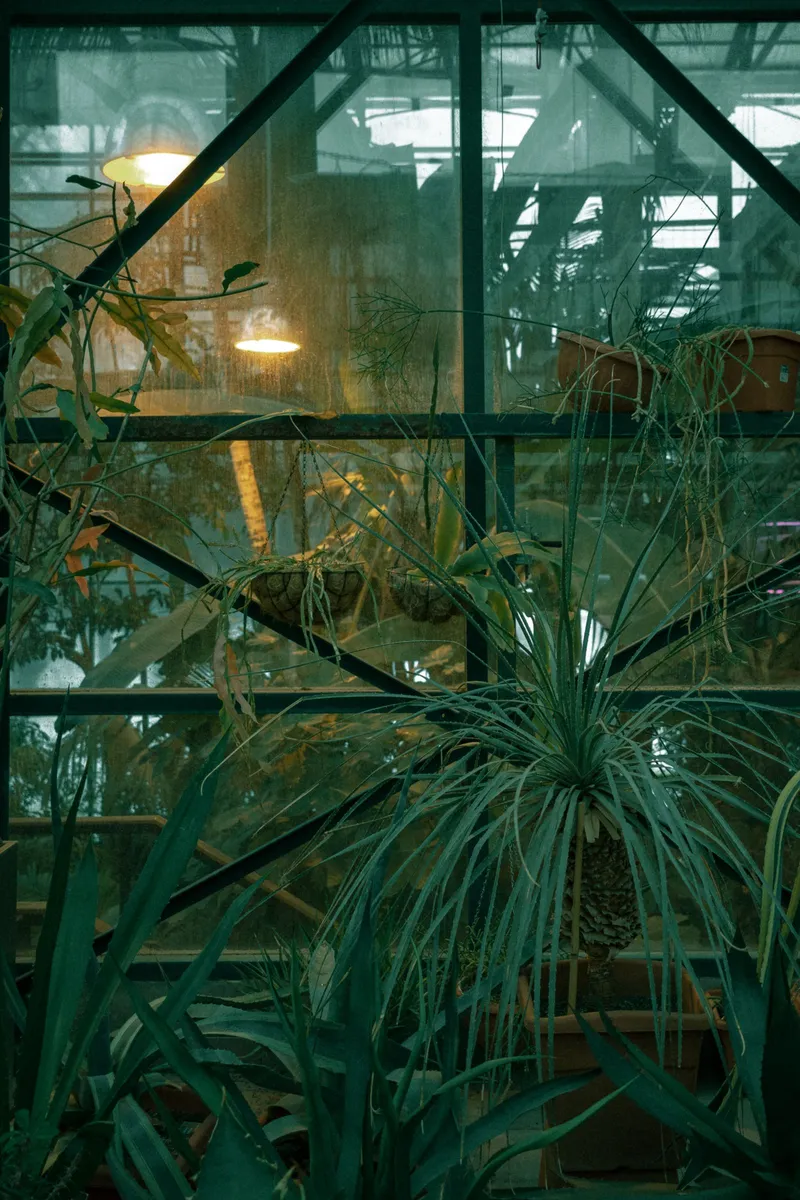
A good potting bench is the heart of a cozy greenhouse interior. Aim for counter height, about 34 to 36 inches, so you work without hunching. A sealed wood, steel, or resin top wipes clean, and a raised lip stops soil sliding off. Keep only a micro kit on it: trowel, snips, dibber, ties, and labels. A ready-made bench runs $80 to $200; a secondhand table and a washable mat cost under $40.
3. String Warm Lights Along the Ridge
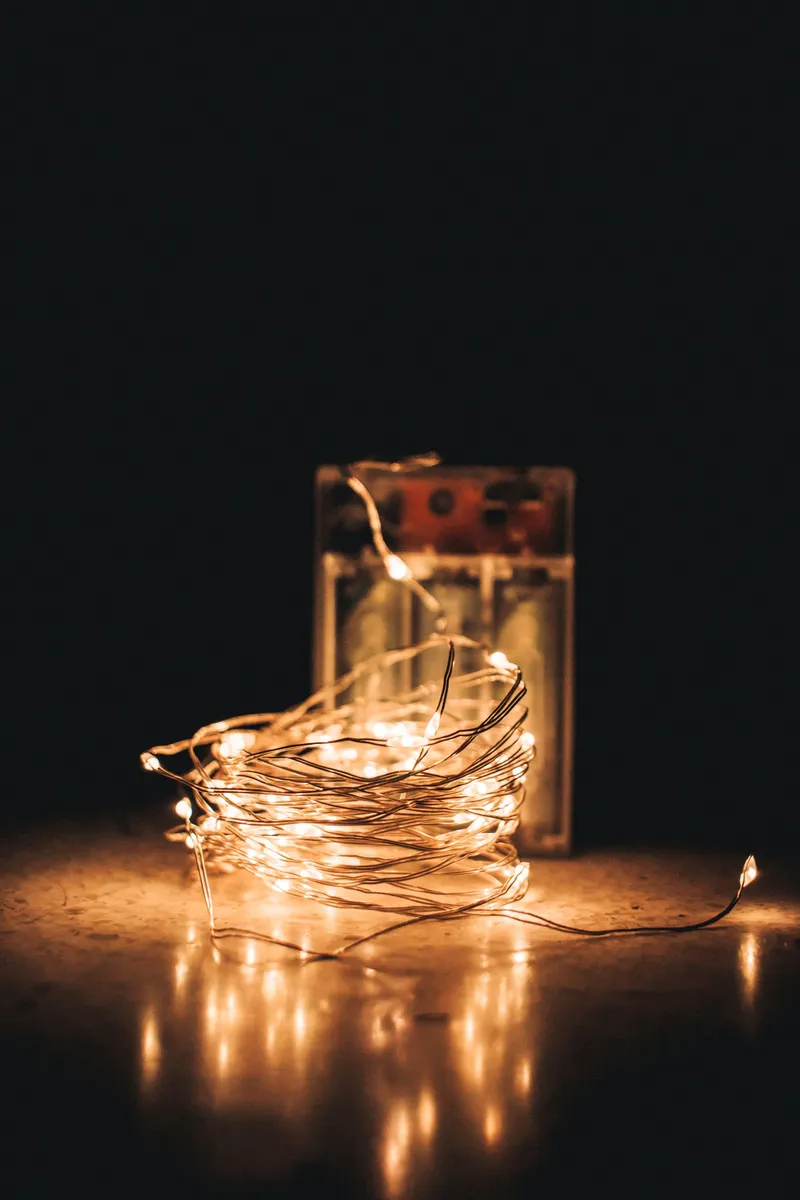
Nothing changes the mood faster than warm light. Run outdoor-rated warm white fairy lights (2700K) along the ridge beam, with a second strand along the top shelf edge. A plug-in timer ($10 to $15) switching them on at 4 pm and off at 9 pm costs pennies a month on LEDs. Skip cool white bulbs, they make a greenhouse feel like a warehouse.
4. Carve Out a Reading Nook With One Chair
One chair is enough, and one chair is the rule. Pick a powder-coated metal or resin chair that tolerates humidity, add a small side table for a mug and a notebook, and angle it toward the plants. A folding bistro set ($40 to $70) moves aside when you need the floor. Give the chair one job: sitting, never storage.
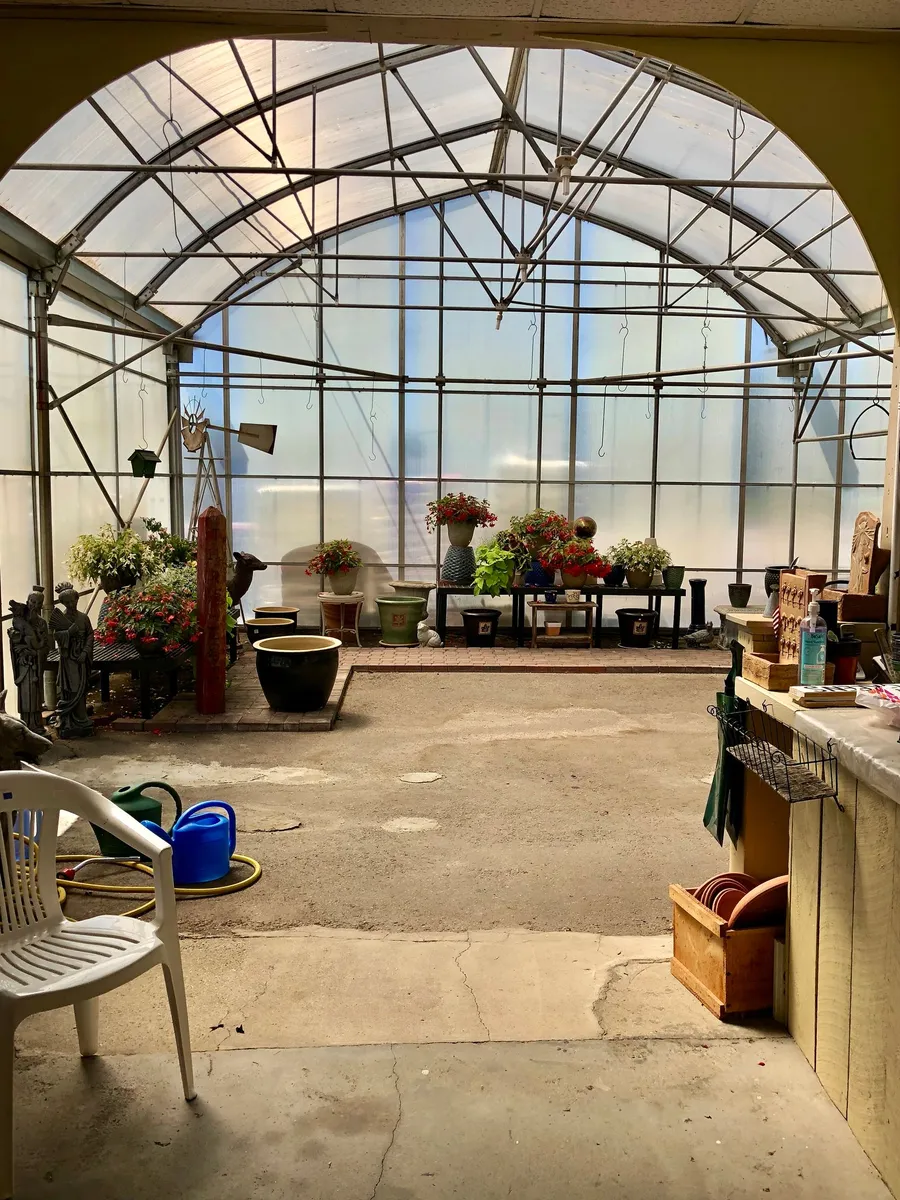
5. Hang Baskets to Free the Floor
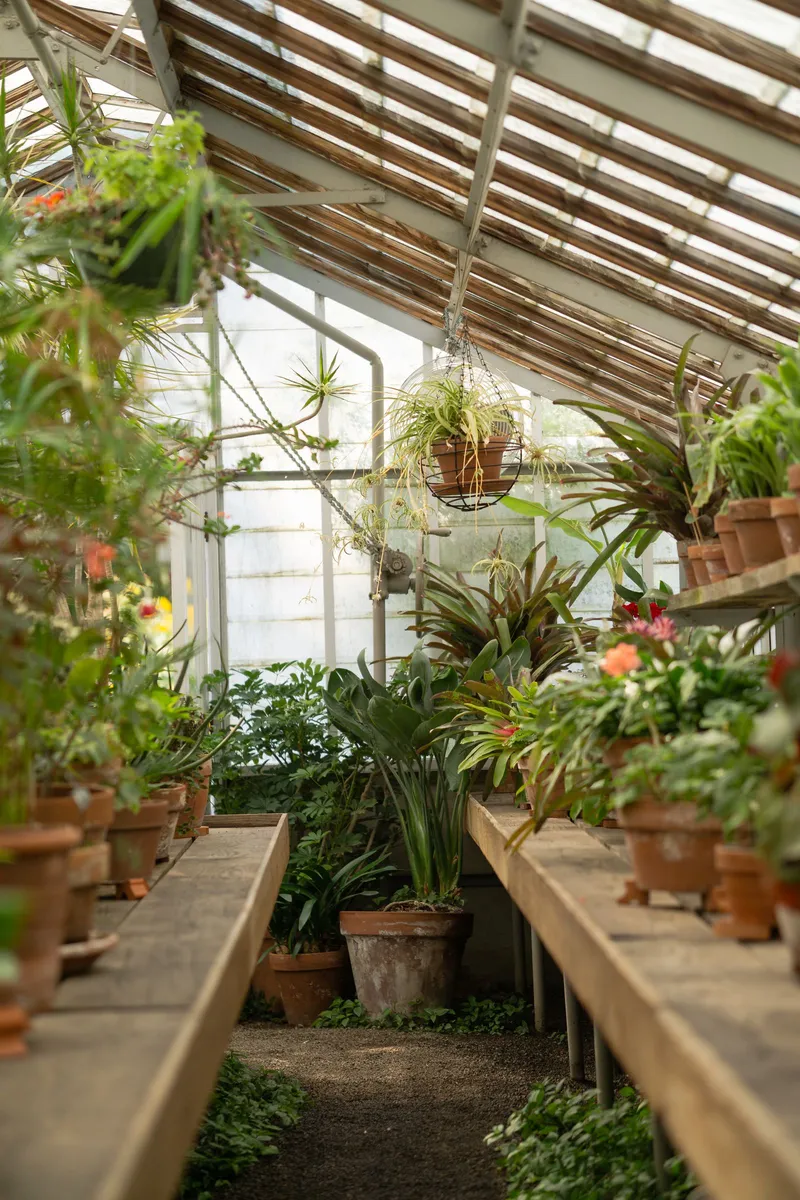
When floor space is tight, grow upward. Hanging baskets of trailing plants like string of pearls, ivy, or spider plants use the air above your head and make a small greenhouse feel taller. Hang them on S-hooks so you can lower them to water, at least 6 inches from the glass so leaves do not freeze on cold nights. Three baskets along the ridge is plenty.
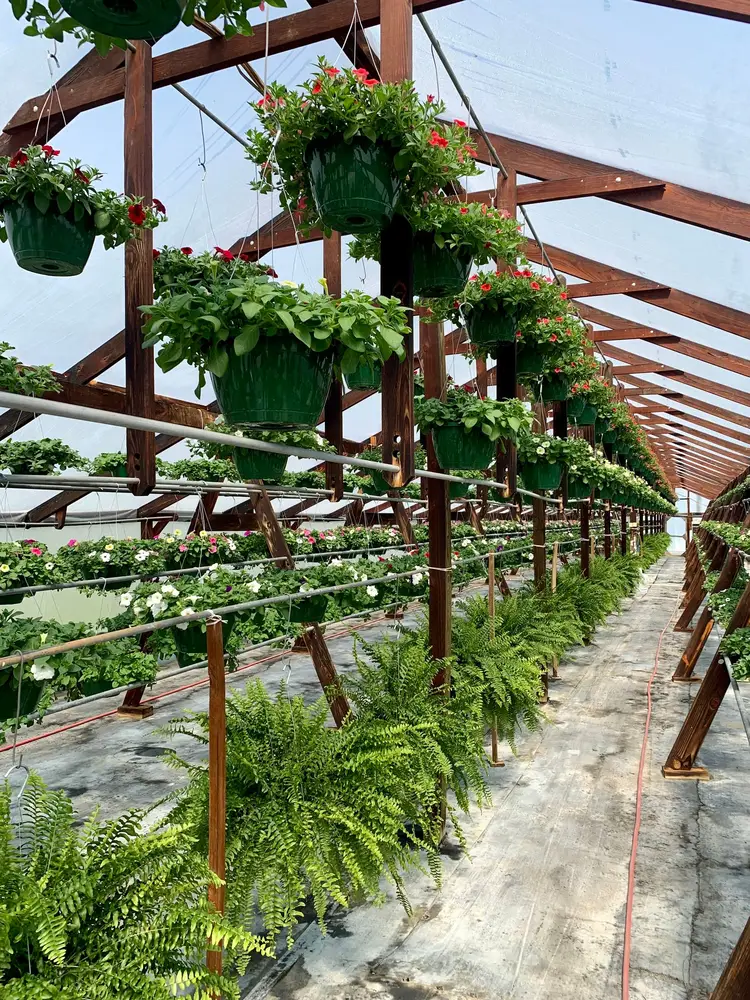
6. Plant Scent Into the Corners
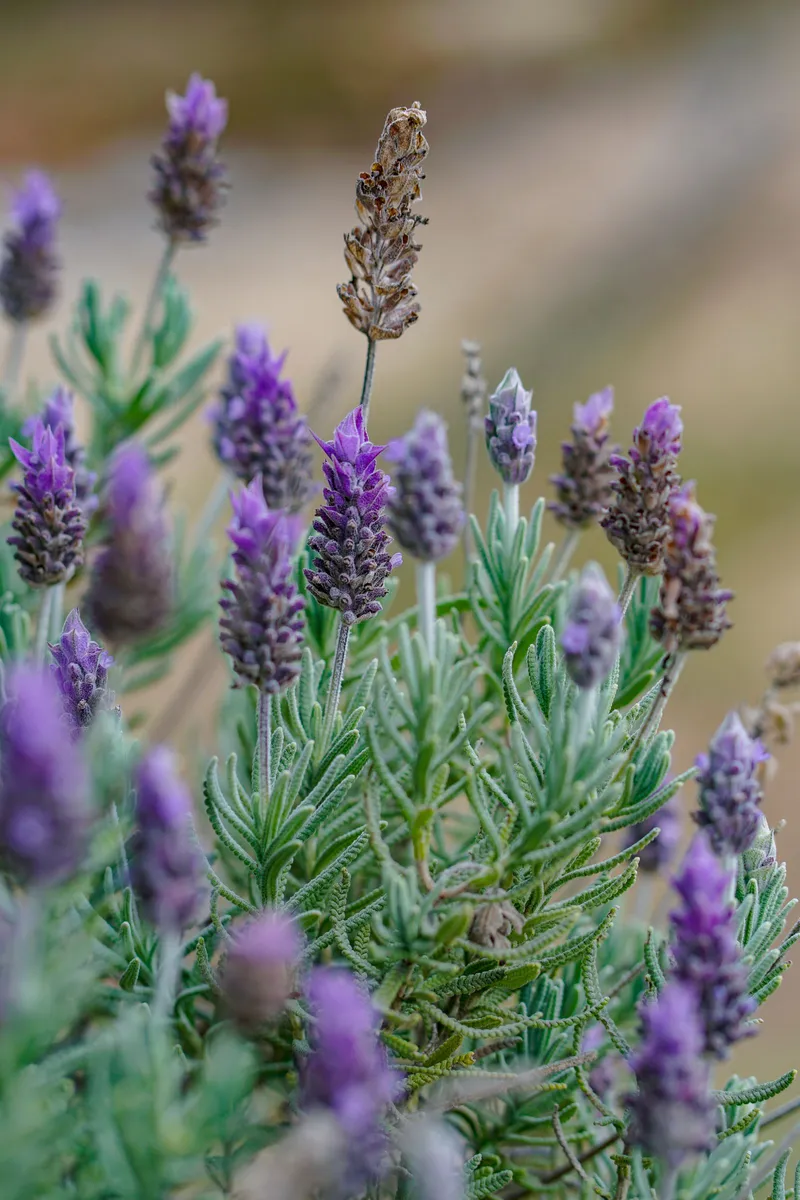
A cozy greenhouse should smell good when you open the door. Lavender, rosemary, scented geraniums, and jasmine release fragrance with the slightest touch, and they are happy in pots near the chair in winter. Rosemary is the easiest, tolerating cool nights and light watering. In deep winter, paperwhite narcissus adds perfume for about $5 a bulb.
7. Lay a Floor You Can Hose Down
Greenhouse floors get wet, muddy, and gritty, so pick a surface that forgives that. Pea gravel over a weed barrier drains well, costs about $1 to $2 per square foot, and a quick rake resets it in minutes. For a tidier lane, lay pavers down the center with gravel between them. Slope it slightly toward the door so water runs out.
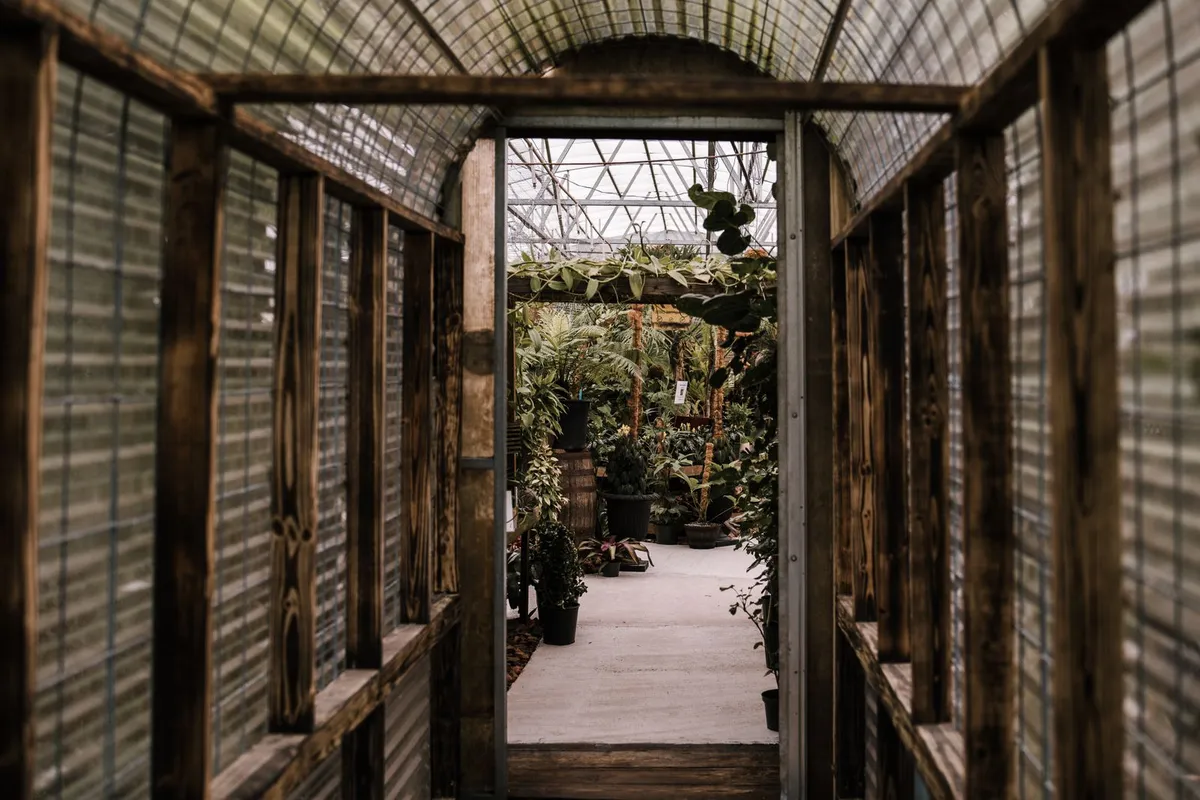
8. Shelve Up, Not Out
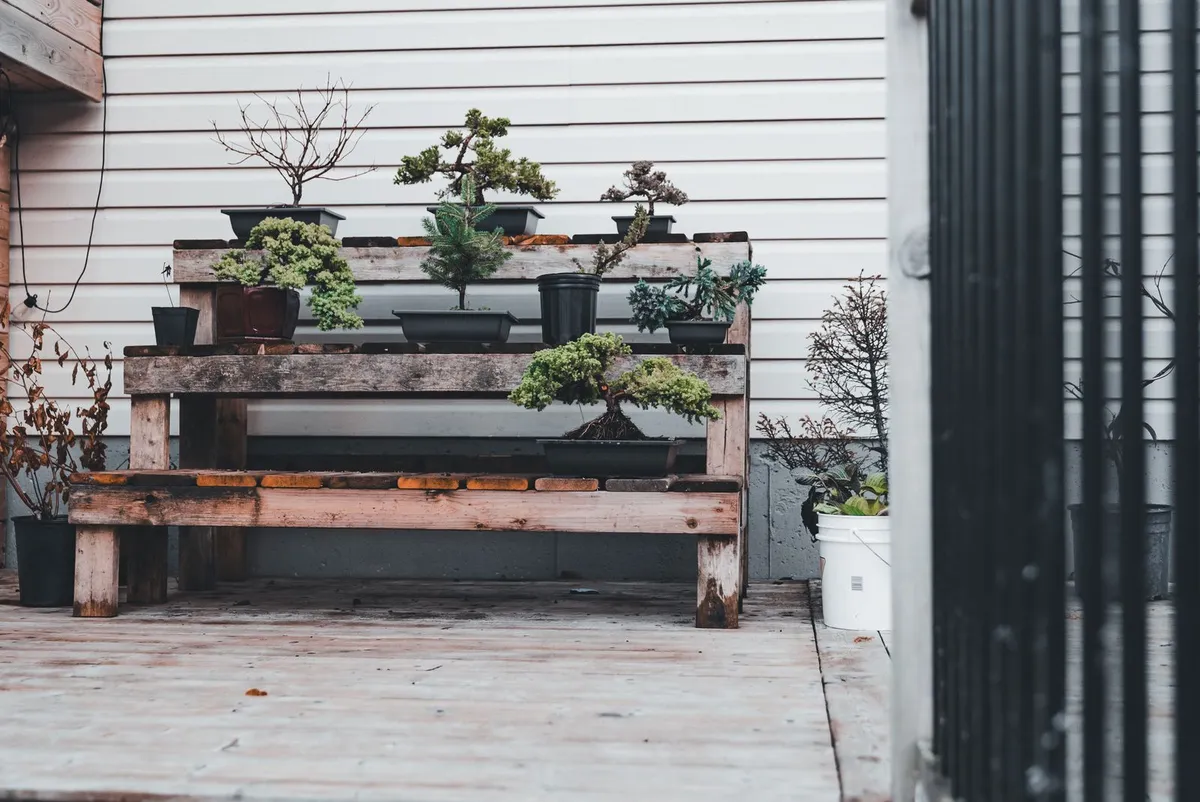
Shelving turns empty air into growing space without stealing your walkway. A wooden slatted shelf along the brightest wall holds twice the plants of a floor bench, and slats let water drain instead of pooling. Leave a hand-width gap behind trays so air can move. Put light-hungry herbs on top, ferns lower down. A 4-foot wire rack costs $30 to $60.
9. Heat Only the Corner You Use
You do not need to heat the whole greenhouse. Most winter plants are fine at 40 to 45°F overnight, and a small electric fan heater with a thermostat ($30 to $60) aimed at the seating corner is usually enough. Bubble wrap inside the glass adds cheap insulation. For cold-month care, see our guide to winter greenhouse gardening, and our top 10 winter greenhouse crops to try.
10. Vent Daily to Beat Condensation
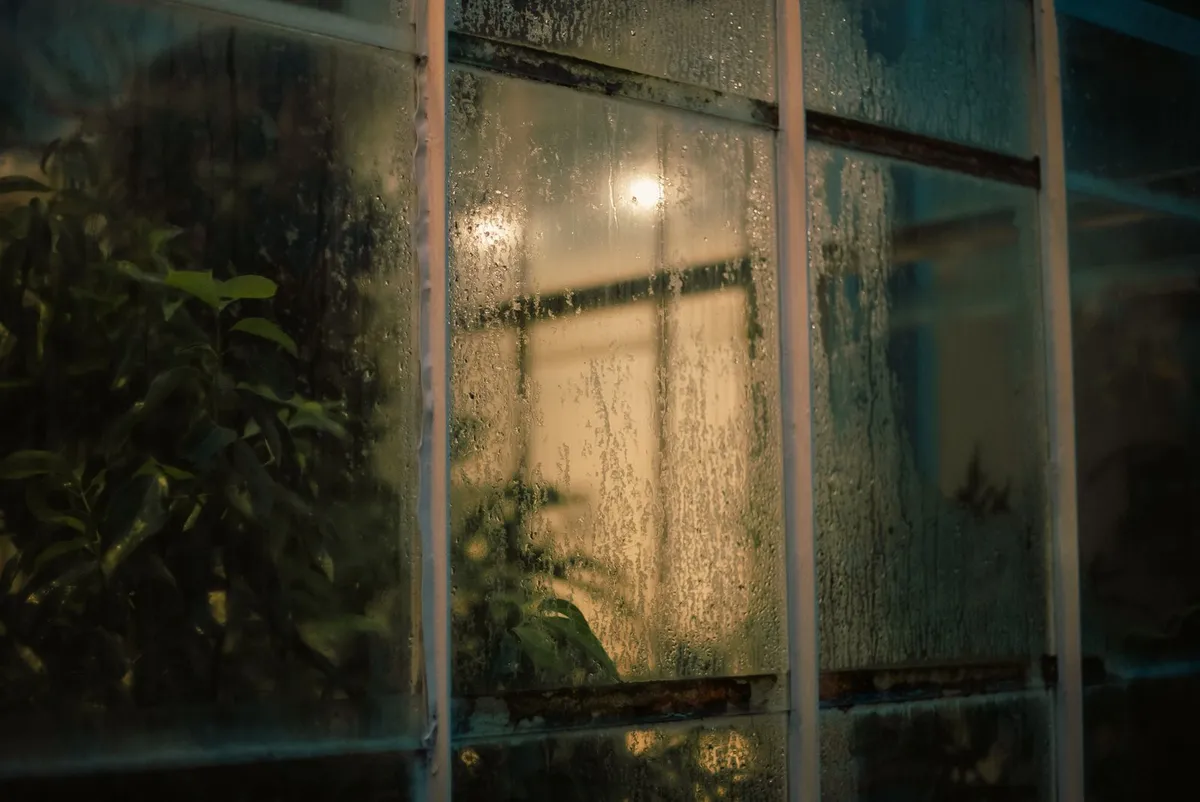
Condensation is the enemy of cozy. Water dripping from the roof onto your chair and seed trays makes the space miserable and invites mold. Open a roof vent or door for 10 to 15 minutes late in the morning, when outside air is driest, then close up before the evening chill. A small clip-on fan ($15 to $25) on low keeps air moving, and water in the morning, never at night.
11. Stick to Terracotta, Wood, and One Accent Color
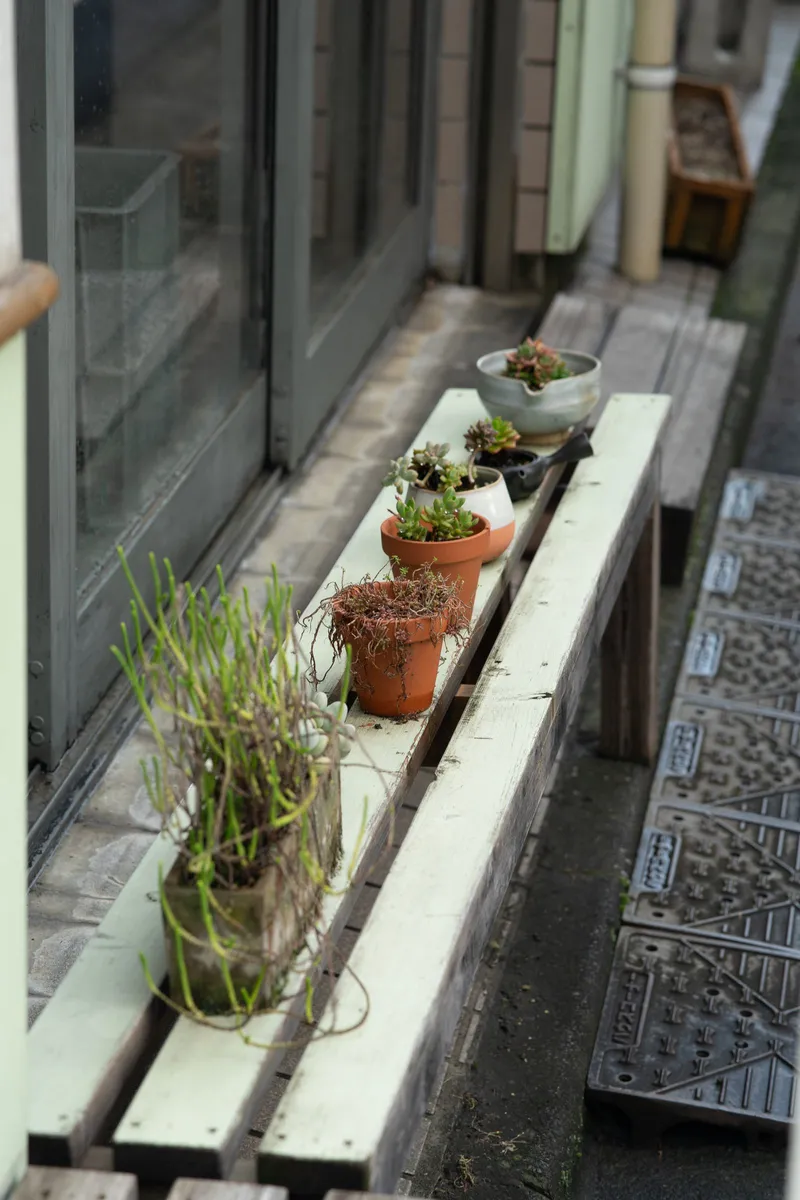
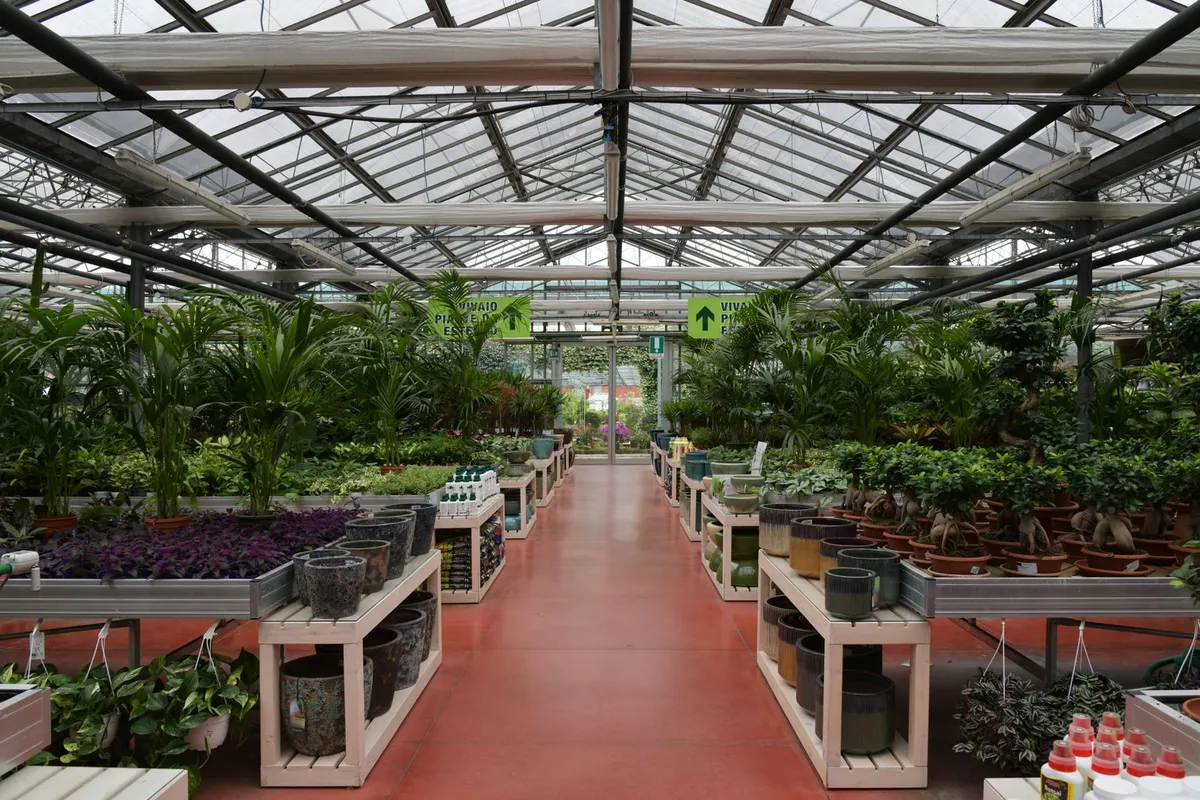
Cozy does not mean cluttered. Pick two neutrals and one accent, then repeat them: warm wood, terracotta pots, and deep green, for example. Terracotta is the workhorse: cheap, heavy, and breathable. Group pots of the same material together. One matching set in three sizes looks calmer than ten different containers.
12. Start Seeds Where You Sit
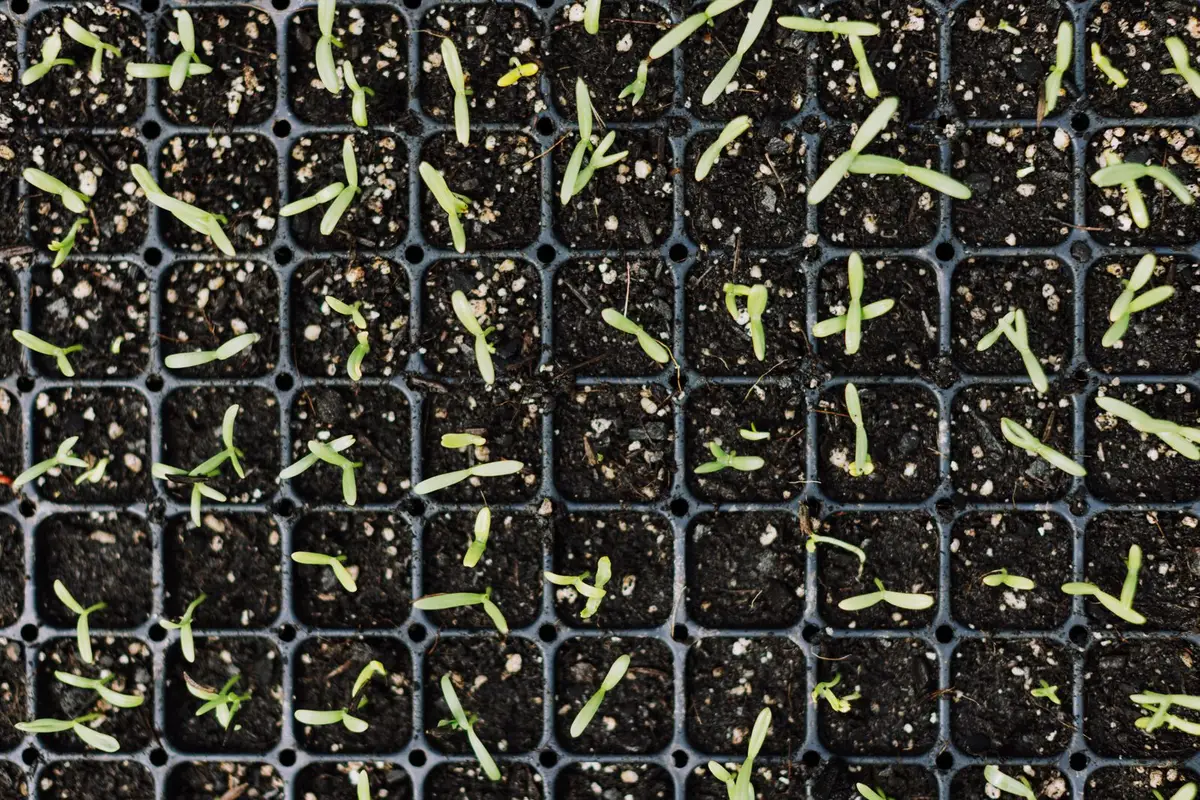
Put your seed-starting station next to the pause zone, not in a dark corner. A tray of seedlings beside your chair gets checked every time you sit down, so you notice dry soil or damping off days earlier. Use 1020 trays with a humidity dome ($5 to $10) and an LED grow light on a timer for short days. For hardening seedlings off, read our cold frames beginner guide.
13. Add a Rug and a Throw You Can Wash
Textiles separate a work shed from a retreat, but humidity punishes them, so choose washable ones. An outdoor rug in a flat weave ($25 to $50) under the chair defines the pause zone and can be hosed off in spring. A fleece throw lives in a lidded box and comes out only when you sit. Wash it often and air the rug, since damp fabric turns musty fast.
14. Keep One Statement Plant as the Anchor
Every cozy room has a focal point, and in a greenhouse it should be a plant. A potted citrus tree, large monstera, or mature olive anchors the pause zone and gives the eye somewhere to land. One big plant reads as intentional, while twenty small ones read as clutter. A citrus tree in a 14-inch pot costs $30 to $60 and blooms in late winter.
15. Do a 20-Minute Weekly Reset
Cozy is a habit, not a one-time makeover. Every Sunday, spend 20 minutes on the same reset: clear the path, wipe the bench, empty the tool tray, sweep the floor, toss dead leaves, and group plants by watering needs. Keep a small basket by the door with a brush, a cloth, snips, and a bag for green waste. If you grow unheated, our guide on what to grow in an unheated polytunnel in winter pairs well.
Heating and Ventilation Safety in a Winter Greenhouse
Never use an open-flame heater or a barbecue inside a greenhouse, since they produce carbon monoxide and can set dry material alight. Use only electric heaters rated for damp locations, keep them at least 3 feet from plants and fabric, and plug them into a GFCI-protected outlet. Check cords monthly, and never run an extension lead across a wet floor.
Small Greenhouse Shopping Checklist
- Warm white fairy lights with timer ($15 to $30)
- Moisture-tolerant chair and small side table ($40 to $70)
- Potting bench at counter height ($40 to $200)
- Two or three hanging baskets ($10 to $25 each)
- Terracotta pots in three matching sizes ($3 to $12 each)
- One scented plant, lavender or rosemary ($8 to $15)
- Bubble wrap insulation ($10 to $20)
- Electric fan heater with thermostat ($30 to $60)
- Clip-on fan ($15 to $25)
- Outdoor rug and washable throw ($25 to $60)
- Lidded storage bins ($8 to $15 each)
- Seed trays with humidity domes ($5 to $10 each)
The full list runs about $250 to $500, but the first five items alone change the feel.
Frequently Asked Questions
How do I keep a greenhouse warm in winter without spending a fortune?
Insulate first, heat second. Bubble wrap, a draft-proof door seal, and dark water barrels cut heat loss before you spend on electricity. Then heat only the corner with tender plants and your chair, keeping most plants at 40 to 45°F overnight.
What is the cheapest cozy greenhouse flooring?
Pea gravel over a weed barrier is cheapest, about $1 to $2 per square foot, and it drains well and rakes clean. Add pavers down the center for a stable chair path. Avoid bare soil, which turns to mud, and indoor rugs, which rot.
Can I sit in my greenhouse in winter?
Yes. A windproof, insulated corner with a chair, a small heater, and a throw is comfortable on most winter days, since glass warms fast. Dress for a cool porch and bring a hot drink.
Which plants make a greenhouse smell good?
Lavender, rosemary, scented geraniums, and jasmine release scent when brushed and tolerate cool nights. For winter perfume, add paperwhite narcissus or hyacinth bulbs near the chair, at elbow height.
How do I stop condensation dripping on my chair?
Vent 10 to 15 minutes late each morning, run a small fan on low, and water in the morning. Keep the chair away from the coldest wall and the drip line. If drips persist, bubble wrap on the roof panel above the chair catches them.
Conclusion
A cozy greenhouse interior is not about buying decor, it is about giving a working space a corner that belongs to you. Start with the zones, add light and one chair, then let scent, warmth, and a weekly reset do the rest. Your plants get checked more often, and on the coldest days you have somewhere warm, green, and quiet to sit.