
Your apartment window is the one patch of outdoors you control completely, and fall is the best season to use it. Cooler air, softer light, and garden centers packed with tough cool-weather plants make these apartment friendly fall window box ideas for renters and small spaces almost foolproof. You do not need a yard, a drill, or your landlord’s blessing for most of these. One box, a bag of potting mix, and a Saturday morning are enough to give your street view and your sofa view a proper autumn upgrade.
Below: the renter ground rules, then 15 designs for small ledges, shallow boxes, and north-facing glass, all using plants you can buy this week.
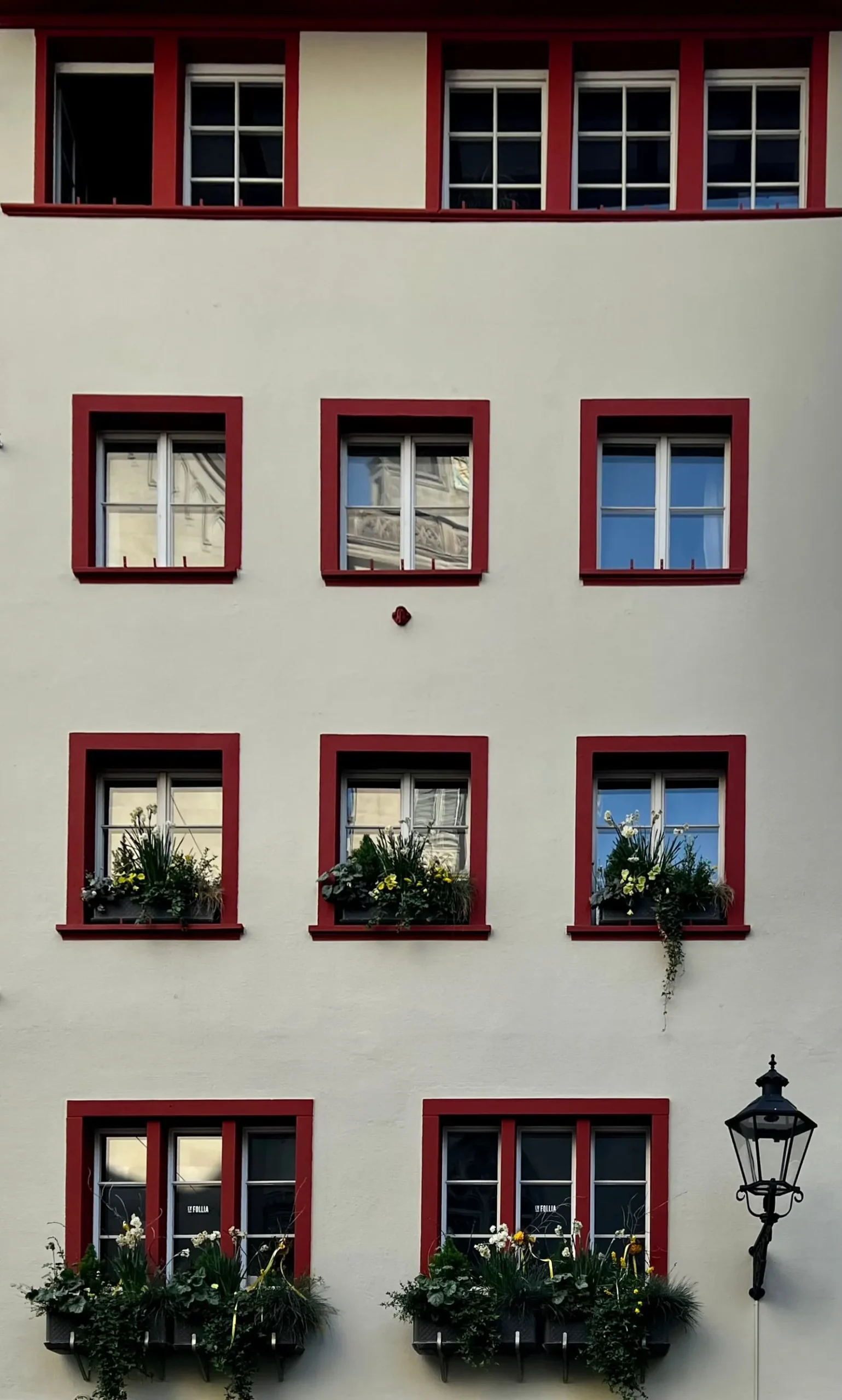
Renter Ground Rules: Lease, Weight, and Water Before You Plant
Check your lease or ask the building manager before anything hangs over a sidewalk or shared path. Most rules target exterior fittings, not the plants themselves, so a box that sits inside the sill or on a balcony floor usually passes without a conversation. Photograph the empty ledge so you can prove its original condition later.
Wet soil is shockingly heavy. A 24 inch box filled with saturated potting mix can weigh over 20 pounds, so choose resin or fiberglass boxes over stone and ceramic, and never perch a heavy planter on a narrow lip several floors up. Plan watering like a neighbor too: water slowly until moisture reaches the drainage holes, catch the runoff in a slim saucer, and never let it drip onto the balcony below. A self-watering box with an overflow hole makes the whole routine almost boring, which is exactly what you want.
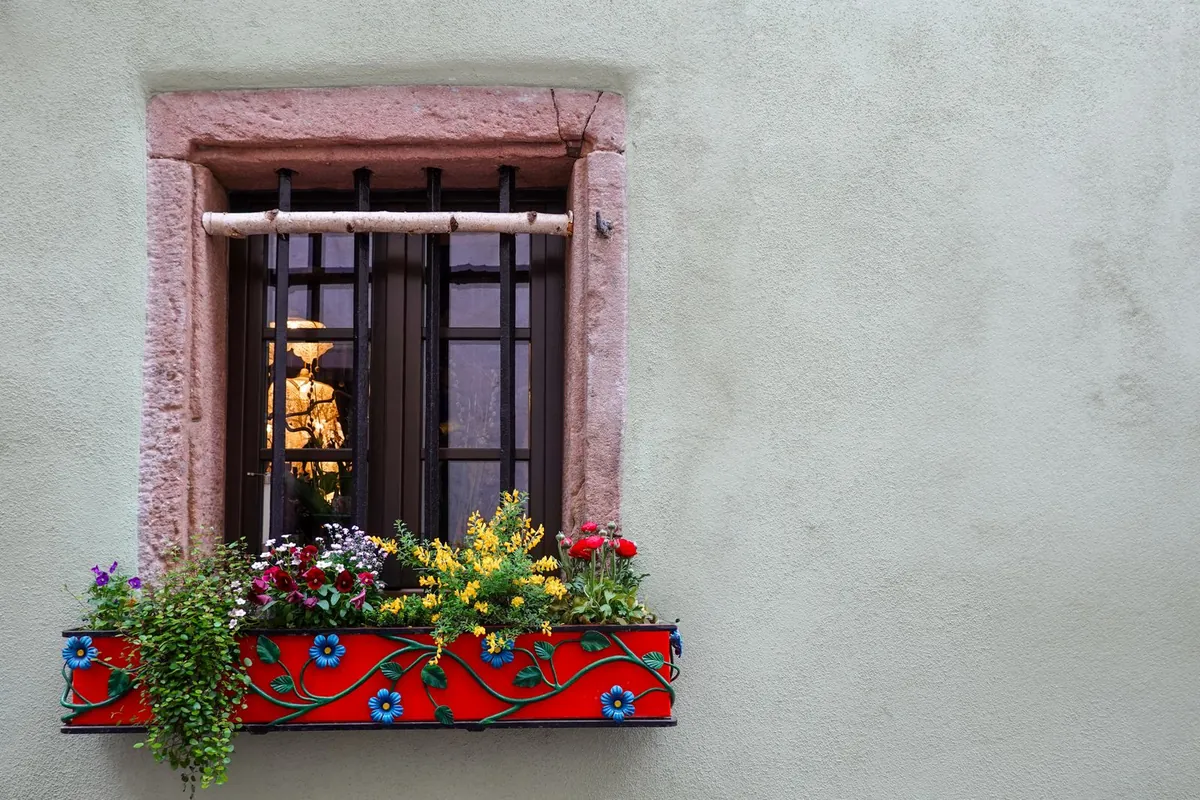
15 Apartment Friendly Fall Window Box Ideas for Renters and Small Spaces
Each design below fits a box 24 to 36 inches wide and 6 to 8 inches deep. Plants are named by common variety so you can ask for them by name at the nursery.
1. Cream Pansy River
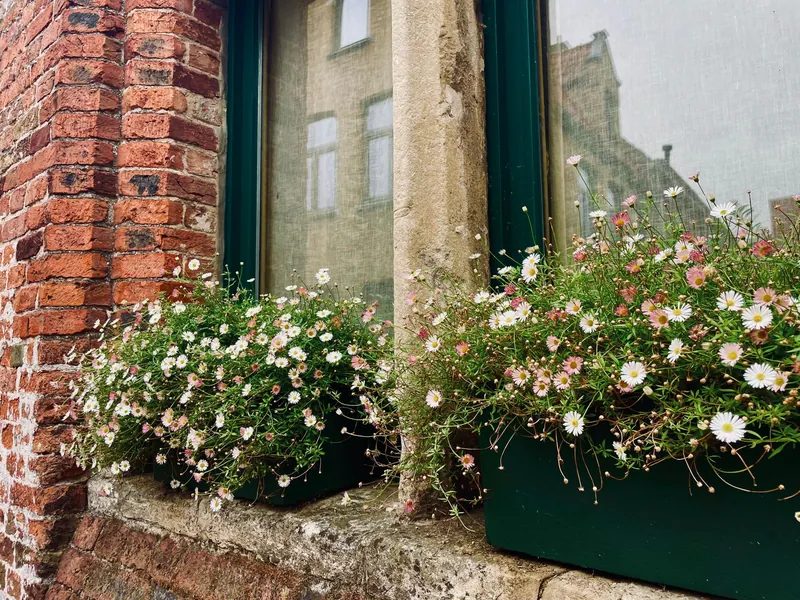
Seven cream pansies in one long drift, edged with a single low line of dark green ivy at the front corners. One color family keeps it calm against brick and white trim, and pansies tolerate light frosts down to about 25 F. Deadhead weekly and the display runs into November.
2. Rust Mum Centerpiece
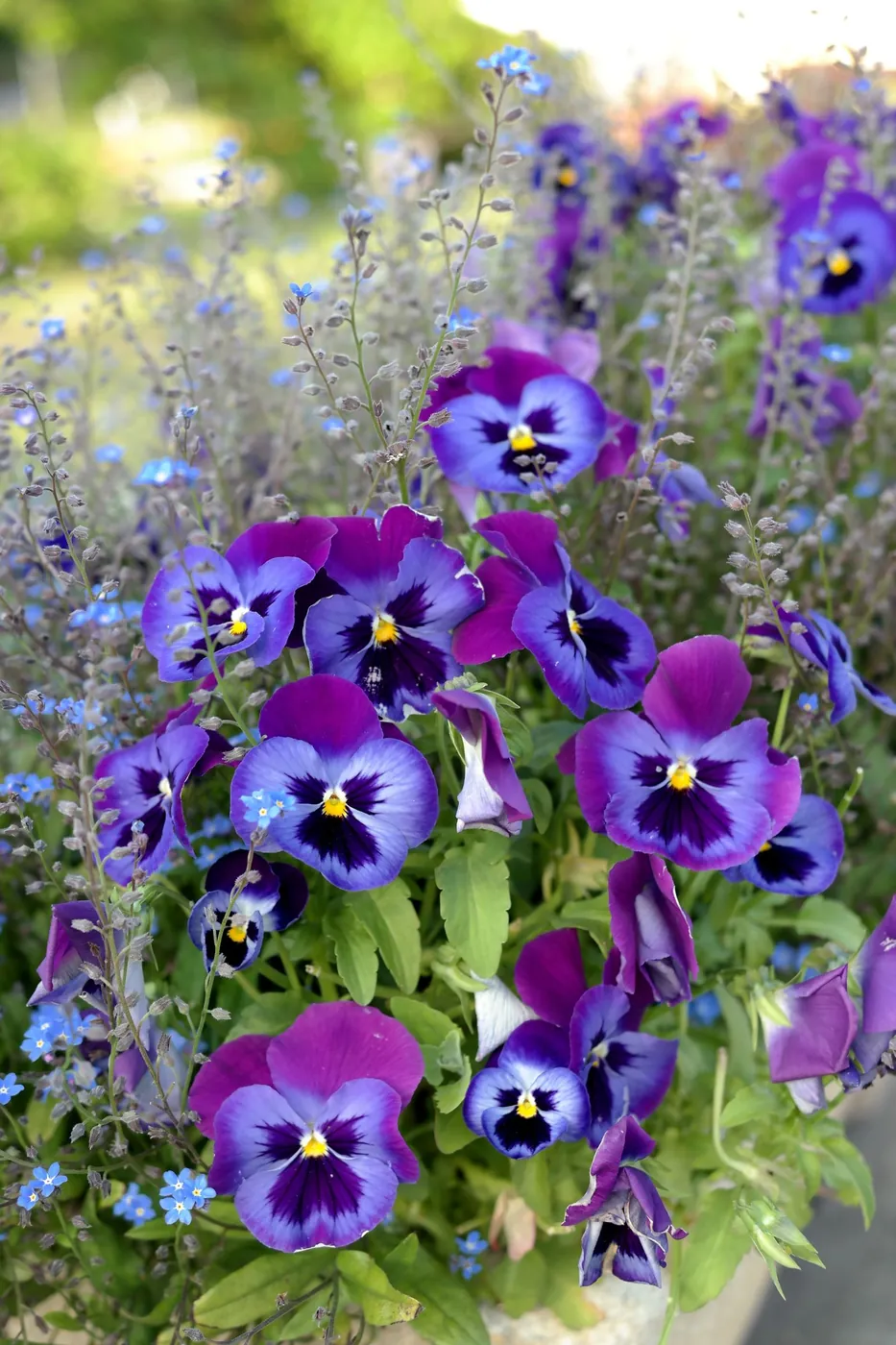
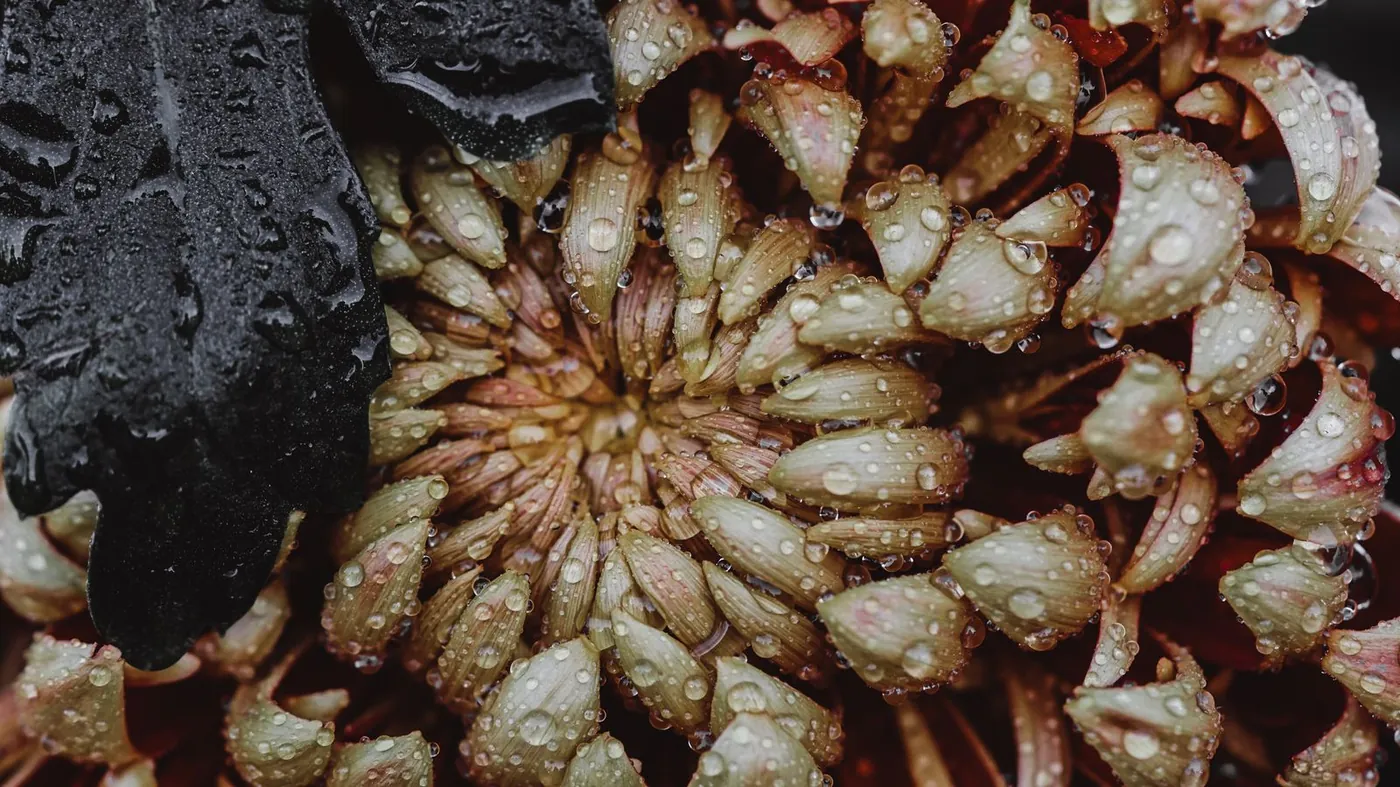
One compact rust-colored chrysanthemum as the anchor, flanked by two amber violas and a small bronze sedge. Buy the mum in full flower for instant color and the violas in bud so they take over as the mum fades. Water at the soil surface to avoid mildew on cool, damp foliage.
3. Burgundy and Silver Balcony Box
Dark burgundy heuchera down the middle, silver dusty miller at each end, and ivy spilling over the front edge. This foliage-first design outlasts most flower-only boxes by weeks and suits gray siding where orange looks jarring.
4. Plum and Mustard for North-Facing Windows
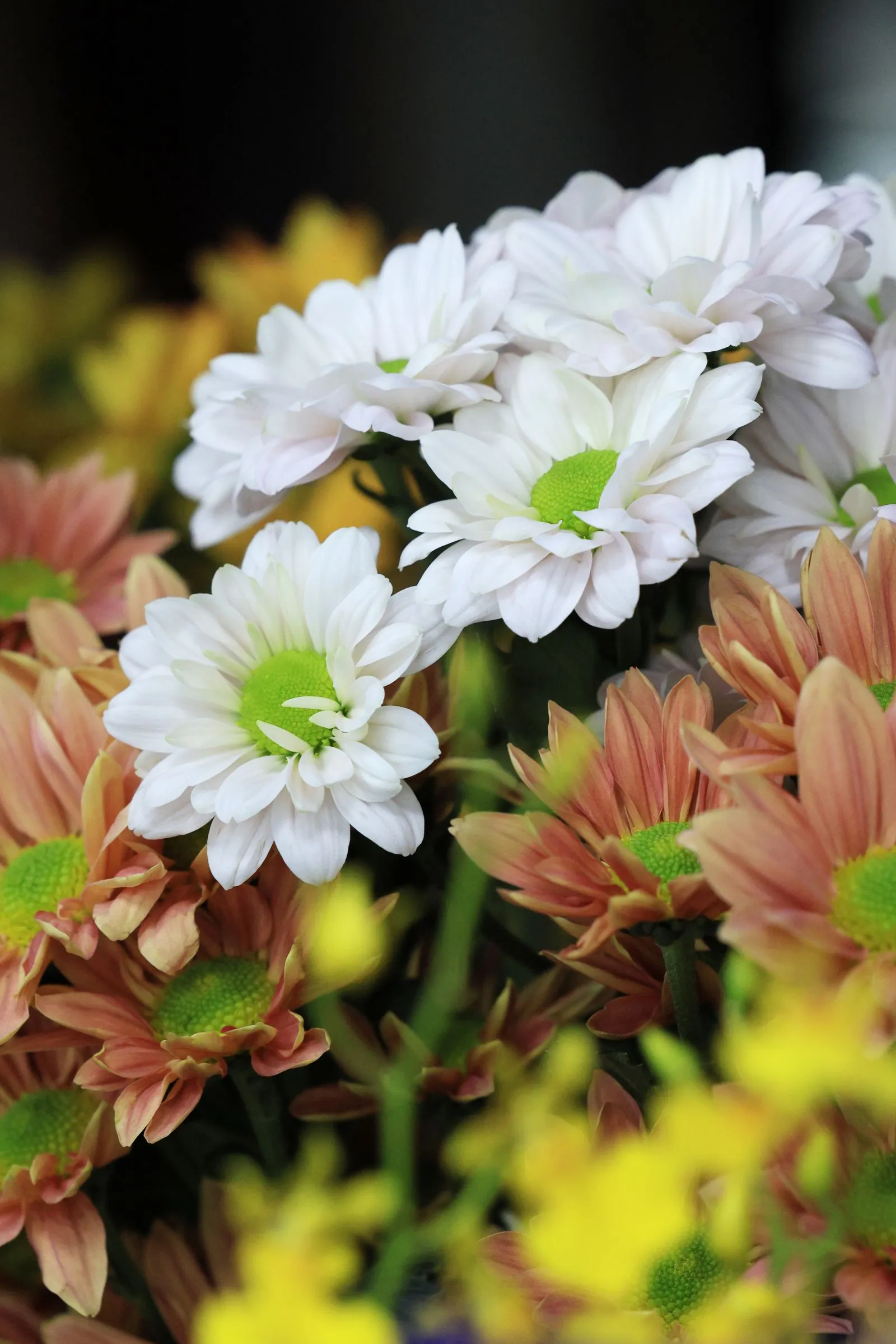
Plum violas, one mustard-yellow mum, and compact ornamental kale with purple centers. North windows stay evenly cool, which pansy-family flowers love, and the kale deepens in color as nights cool.
5. Mini Pumpkin Companion Box
A row of low yellow violas with three miniature pumpkins tucked between them like place settings. Rest pumpkins on the soil surface rather than burying them, and lift them during heavy rain. Swap the violas for pansies after Halloween.
6. Evergreen Anchor That Lasts Into Winter
One dwarf boxwood or small arborvitae at the rear, cream pansies across the middle, ivy at the corners. The evergreen gives year-round structure and becomes the skeleton of your winter arrangement. Keep it in its nursery pot.
7. Ornamental Kale Row
Five ornamental cabbages spaced evenly, alternating purple-centered and white-centered varieties, with a thin fringe of sweet alyssum at the front edge. Kale tolerates frosts into the teens, and alyssum adds a honey scent on warm afternoons.

8. Copper and Chocolate Tones
Chocolate cosmos, caramel heuchera, and a copper-toned sedge like Carex testacea. All three thrive in part sun, and the sedge stays attractive through winter if left uncut.
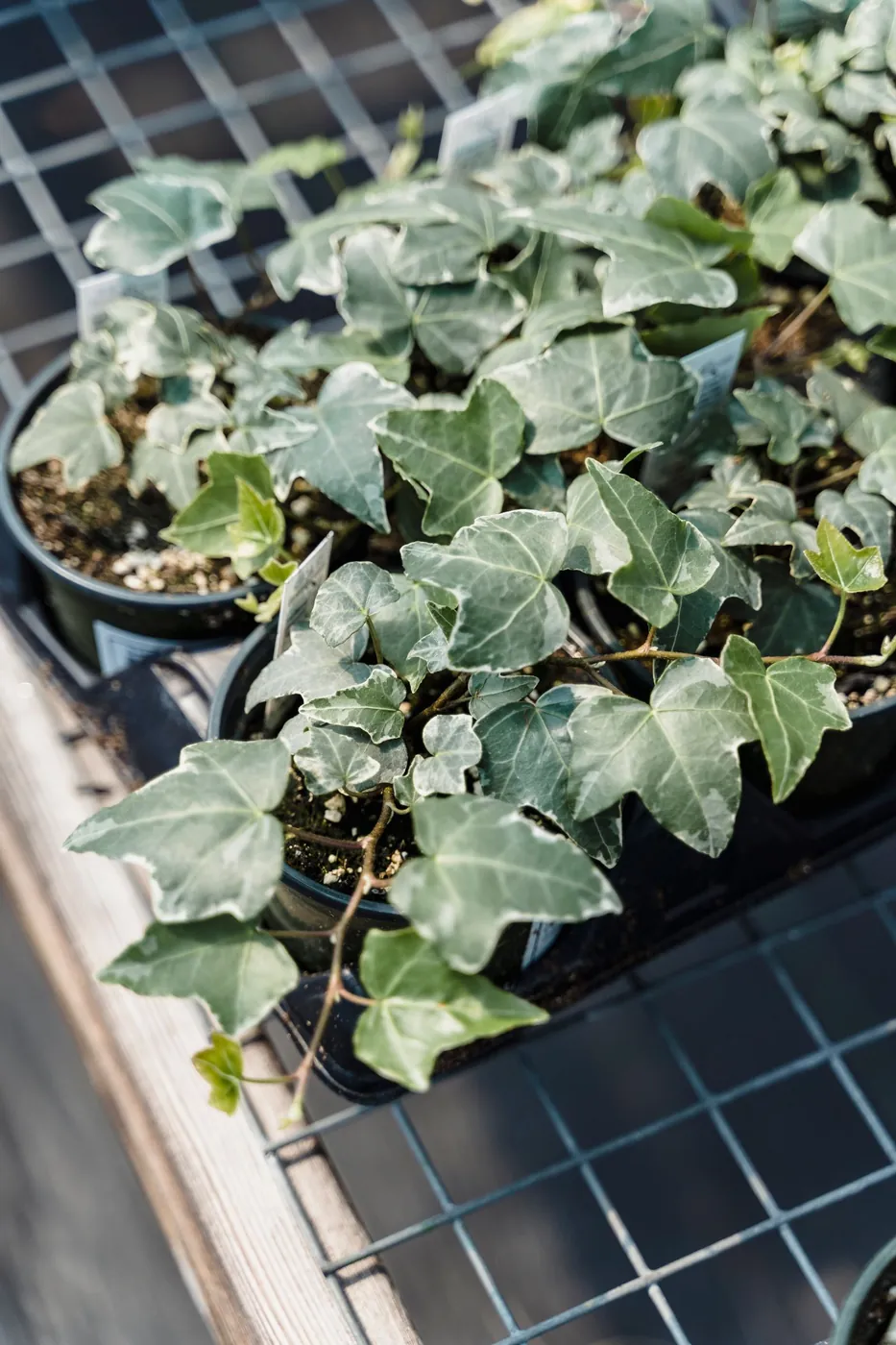
9. Trailing Ivy Curtain
English ivy along the entire front edge with just three plants behind it: one small mum, one clump of violas, one heuchera. Trim the ivy ends so they do not reach the sill below.
10. Grass Plume Accent
One compact purple fountain grass (Pennisetum setaceum Rubrum) as the upright element, flanked by deep red mums and dark ivy. The grass adds movement flowers alone cannot. In windy upper-floor positions, keep varieties under 18 inches to stay stable.
11. White Viola and Pinecone Box
White violas across the box with a scattering of clean pinecones nestled between them and one clipped seed head of dried allium for height. White flowers read brightest in shade. Let gathered pinecones dry indoors a day before placing them.

12. Saffron and Plum Two-Tone
Alternating saffron-yellow and plum-purple pansies in a strict pattern, edged with a low border of golden creeping Jenny. Remove spent blooms to keep the pattern crisp.
13. Herbs That Pull Double Duty
Curly parsley, trailing rosemary, and one sage plant, dressed up for fall with two small ornamental peppers for color. Harvest from the top to keep plants compact, and bring the rosemary indoors before a hard freeze.
14. Fairy-Light Evening Box
Burgundy mums, dark heuchera, and ivy, threaded with one short string of warm-white battery fairy lights. Keep the battery pack dry behind the box and remove the string before rain or frost.
15. Single-Variety Impact Box
Nine plants of one thing: coral bells in one burgundy variety, or amber violas, or white pansies, edge to edge. It is the easiest design to maintain because every plant wants the same treatment.
The 8 Most Reliable Fall Plants for Window Boxes
When you are unsure, start here. These plants are sold for cool weather in most US regions and tolerate the shallow soil and wind exposure that come with window boxes.
Pansies and violas: the backbone of every fall box. Violas flower more heavily, pansies make bigger blooms, and both survive light frosts.
Chrysanthemums: maximum color per dollar. Buy compact varieties and plan their replacement now: pansies or an evergreen in a nursery pot.
Ornamental kale and cabbage: the toughest fall foliage plant. Colors intensify as temperatures drop, and plants survive frosts that finish off everything else.
Heuchera (coral bells): semi-evergreen foliage in burgundy, caramel, lime, and near-black that keeps a box attractive between flowering peaks.
English ivy: the classic trailing plant that tolerates shade, wind, and neglect.
Ornamental grasses: compact sedges and dwarf fountain grass add height and movement. Choose varieties under 18 inches for apartment boxes.
Dusty miller: silver foliage that brightens shady boxes and pairs with almost any flower color.
Dwarf evergreens: small boxwood, arborvitae, or dwarf spruce for year-round structure. Keep them in nursery pots so they move with you.
No-Drill Mounting That Survives Wind and Building Managers
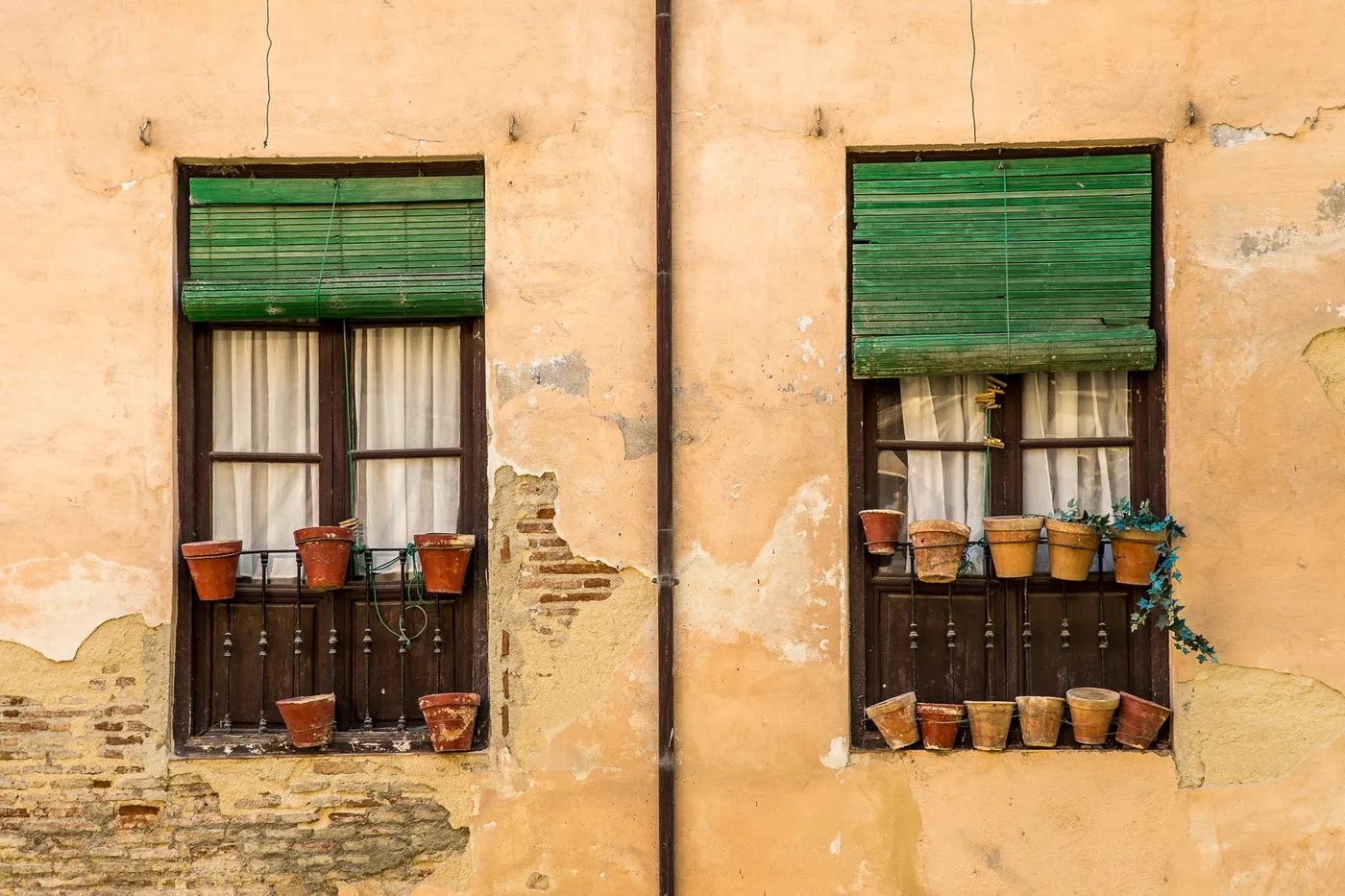
Adjustable clamp-on brackets made for your railing shape are the safest no-drill option; check the weight limit and retighten after the first week of watering. For a ledge, skip brackets: sit a low box with a broad base on a non-slip mat and keep the weight centered.
On shallow ledges use slim planters 6 inches deep or less with short plants only, since tall pieces act like sails in autumn gusts. A box on the balcony floor against the wall, raised on low pot feet, is always safer than a box on a rail in an exposed position.
Renters looking for more vertical growing ideas can pair a window box with the layered plantings in our fall hanging basket ideas, which use the same no-drill logic for porches and balcony hooks.
Stretching the Display Past the First Frost
A light frost is not the end: pansies, violas, kale, and heuchera shrug off frosts in the high twenties near warm brick. When a hard freeze is forecast, drape floating row cover over the box overnight to add two to three weeks of display life.
Replace fading plants rather than rebuilding: pull the spent mum, drop in a pansy from a nursery pot, and the box looks new. When true winter arrives, swap the last flowers for cut evergreen branches, the same trick covered in our winter garden ideas for beginners.

Fall Window Box FAQs
How heavy is too heavy for a window box?
A good rule: if you cannot lift the fully planted and watered box with two hands without straining, it is too heavy for a ledge or rail. Most 24 inch resin boxes planted for fall land between 15 and 25 pounds when watered. Anything over 30 pounds belongs on the balcony floor, not above a walkway.
Can I plant a window box if my window faces north?
Yes. North-facing boxes get bright indirect light and stay evenly cool, which suits pansies, violas, ivy, heuchera, and ferns perfectly. Choose white, cream, and yellow flowers for north windows because pale colors show up better in lower light than deep reds and purples.
Do I need to water in fall?
Absolutely. Cooler air slows evaporation, but wind and warm building walls dry planters faster than you expect. Push a finger an inch into the soil; if it feels dry, water until excess begins to drain. Self-watering boxes still need the overflow holes checked after rain so roots do not sit in water.
Will my landlord object to a window box?
Most lease restrictions target permanent fittings and anything over shared paths, not removable boxes that sit on the sill or balcony floor. A quick written confirmation from the building manager removes all doubt, and a box you can lift away in seconds is easy to defend. For more container inspiration that stays fully indoors, see our fairy garden ideas.
A Small Box, Done Well, Beats a Big Garden
Apartment gardening is an editing exercise, and fall rewards restraint. Pick one color story, repeat it, give every plant the light and soil it wants, and keep the mounting so simple you never think about it. The result is a window you actually look out of, a building facade with one spot of obvious care, and a display that can be packed into a car when you move. Start this weekend with a single box of pansies and ivy, the cheapest design on this list, and see how quickly the habit grows.
1 thought on “Apartment-Friendly Fall Window Box Ideas: 15 Renter-Safe Displays for Small Spaces (2026)”