
There is something irresistible about fairy garden ideas. One pot holds a whole tiny world: a cottage under a spruce, a pebble path to a bottle-cap pond, a door half-hidden in moss. Most of the 15 builds below cost $15 to $40 and fit into a weekend afternoon. Expect real measurements, exact plant names with care needs, scale rules, a care calendar, kid-led projects, and fixes for the problems that actually show up.
15 Fairy Garden Ideas You Can Build This Weekend
Start with any container you own. Pick one idea and give yourself two unhurried hours.
- The Classic Terracotta Cottage. Fill a 12-inch terracotta pot with potting mix. Center one dwarf Alberta spruce, ring it with baby tears (Soleirolia soleirolii), and lean a tiny cottage against the trunk. A two-inch curve of pea gravel makes the path. About $25 new, under $10 with a pot you own.
- The Oversized Teacup Nook. A 16-ounce thrift-store teacup becomes a windowsill garden. Plant creeping thyme to spill over the edge. Glue popsicle sticks cut to 2.5 inches upright as a fence, tea-stained for an aged look. Thirty minutes, scissors and glue only.
- The Old Wheelbarrow Village. An old wheelbarrow fits a whole street of tiny houses. Fill it six inches deep with potting mix, tuck sedum ‘Little Missy’ between the houses, and save one corner for a bottle-cap pond (idea 11). On legs, it drains well and spares your back.
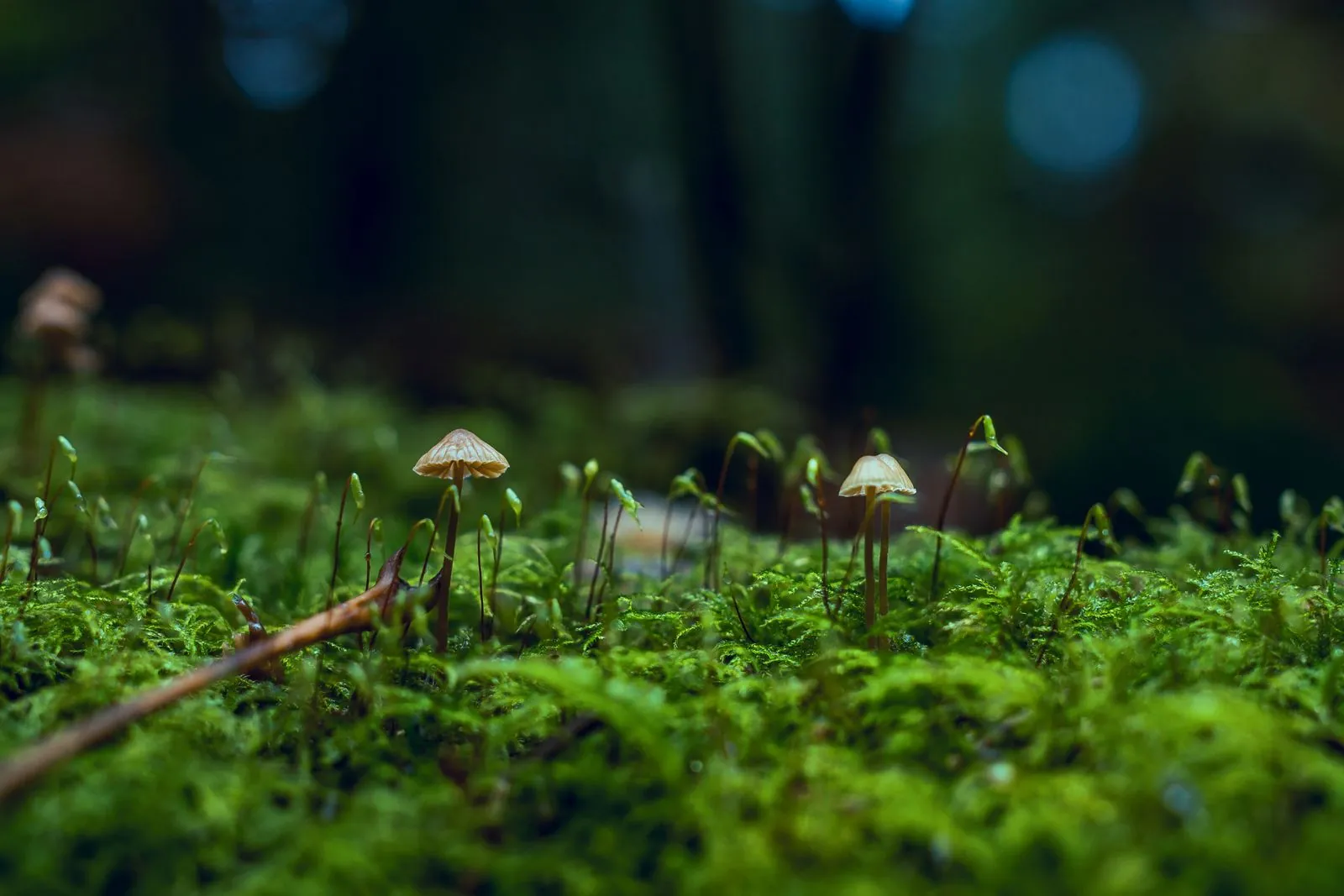
- The Woodland Moss Corner. Skip the container: clear a two-by-two-foot shady patch, plant Irish moss (Sagina subulata) in clumps six inches apart, and lay sliced-log stepping stones. Span a twig bridge over a dry creek of small stones. North-side shade keeps the moss moist.
- The Seaside Cove Bowl. In a bowl three to four inches deep, layer potting mix under an inch of play sand. Plant echeveria rosettes as palm trees; rim a blue glass pebble pond with tiny shells. Full sun, water when the sand dries.
- The Hanging Basket Fairy Nest. A 14-inch basket of trailing lobelia and sweet alyssum becomes a hanging garden. Nestle a tiny birdhouse (entry hole sealed) into the blooms as the cottage. More inspiration: these hanging basket ideas. Check daily in July; hanging soil dries fast.
- The Tiny Herb Village. Creeping thyme as groundcover, one dwarf lavender as the village tree, oregano around a miniature table and chairs. Snip herbs for the kitchen and the garden stays trimmed. Full sun, ordinary potting mix.
- The Pollinator-Friendly Fairy Patch. Sweet alyssum, dwarf lavender, and trailing lobelia, plus a bee hotel: a four-inch block of untreated wood drilled with 1/8-inch holes. No pesticides ever; one spray undoes the ecosystem. Real butterflies visit while the fairies rest.

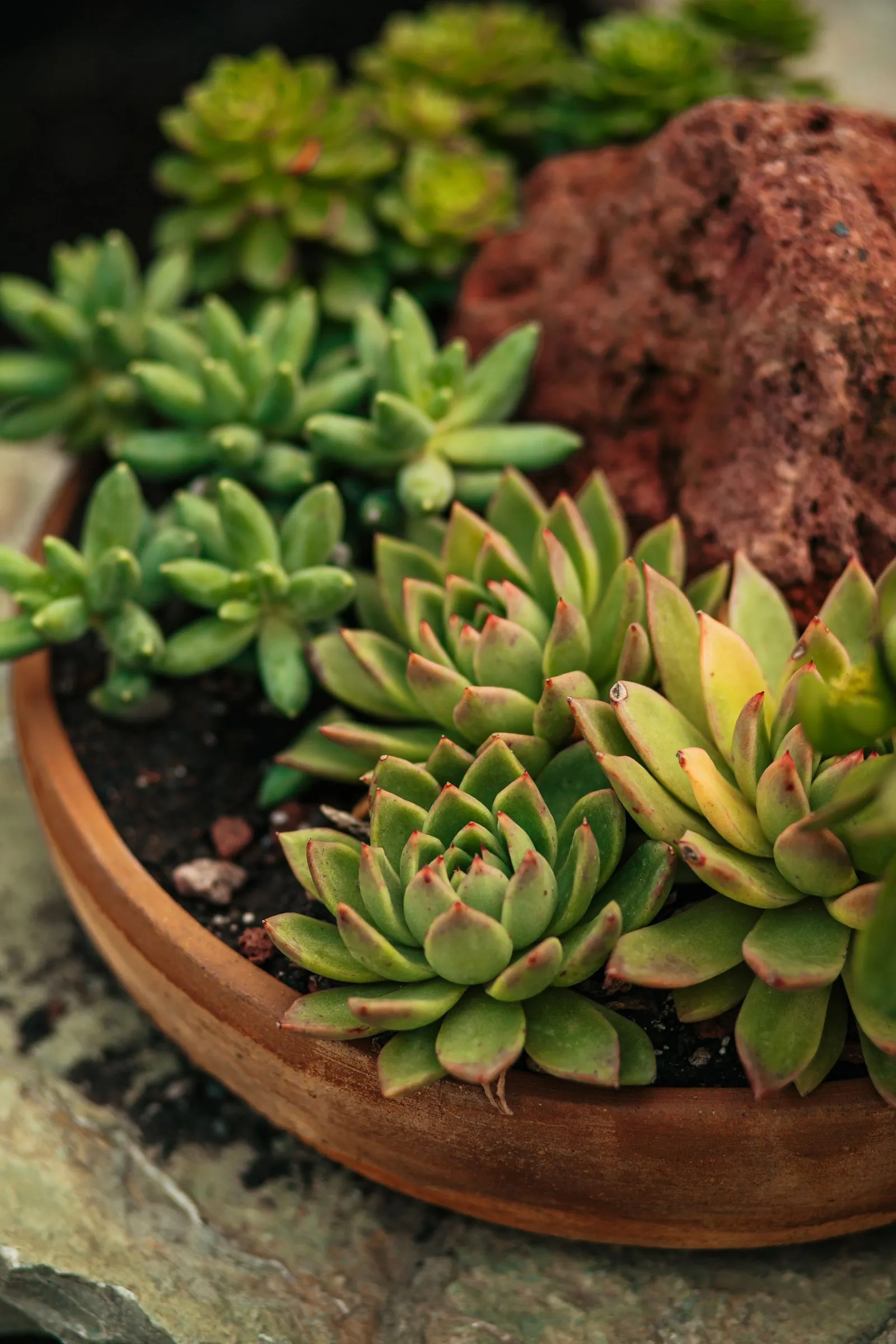
- The Succulent Desert Fairy Land. Fill a wide shallow bowl with cactus mix; plant echeveria, haworthia, and baby jade. Tan gravel is desert sand; three six-inch twigs tied at the top make a teepee. Water deeply every 10 to 14 days. Bring the bowl in before first frost.
- The Fairy Tea Party Terrace. A flat stone patio in a 10-inch pot, a miniature tea set (a few dollars at dollhouse shops), marigolds all around. Full sun, deadhead weekly. Kids love it because it invites play, not just looking.
- DIY: The Bottle-Cap Pond. Scoop a three-inch dip, press in a large dark-blue bottle cap rim-level with the soil, fill with water, and edge with pea gravel. Refresh every few days against mosquitoes. Ten minutes, basically free.
- DIY: The Twig Bridge. Lay eight to ten five-to-six-inch twigs side by side; glue two lines across to bind the planks, then two longer twigs as rails (adult runs the glue gun). Arch gently over a four-inch span while warm.
- DIY: The Pebble Pathway. Press pea gravel into a two-inch-wide curving band, one stone deep. Curve it: straight reads as road, winding reads as story. Set it just below soil level so rain cannot wash it away.
- DIY: The Popsicle-Stick Fence. Cut sticks to three inches, push an inch deep along your fence line, tea-stain half for a patchwork look. About 20 sticks per foot. Small detail, big “someone lives here” energy.
- Grandma’s Tin Fairy Garden. A vintage tin or old watering can: line with a coffee filter, add three inches of potting mix, plant hens-and-chicks and Irish moss. Drill drainage holes first. More vintage garden decor ideas for the yard.
The Right Plants for Fairy Gardens (And the Ones to Avoid)
Think in roles: a groundcover lawn, one or two scale trees, flower fillers, one fragrant accent. Everything below stays small and tolerates containers.
Groundcovers: the tiny lawns
- Baby tears (Soleirolia soleirolii): the classic fairy lawn. Shade, constant moisture. Wilts dramatically when dry, which warns you the pot needs water.
- Irish moss (Sagina subulata): dense carpet, tiny white spring flowers. Part shade, moist well-drained soil. Tougher than baby tears once established.
- Creeping thyme: sun-lover with pink bee-friendly flowers. Handles curious fingers, forgives missed waterings.

Scale trees: the forests
- Dwarf Alberta spruce: two to four inches of growth a year, neat cone for years. Full sun to part shade. One per garden.
- Baby cypress: soft blue-green foliage at perfect fairy scale. Part shade, rarely needs pruning.
Fillers: the flower beds
- Sedum ‘Little Missy’: tiny pink-edged leaves, drought-proof, trails over edges. Nearly indestructible.
- Sweet alyssum: honey-scented clouds spring to frost. Full sun; shear by a third in midsummer for a second flush.
- Trailing lobelia: blue or white cascades for baskets and edges. Cool weather, regular water.
Fragrant accents
Dwarf lavender: scent plus a silvery miniature tree. Full sun, sharp drainage. Mint smells like a fairy kitchen but only in its own sunken pot, never loose; it conquers everything in a season.
Plants to avoid
- Mint loose in soil: runners swallow the garden in weeks. Container only.
- Full-size hostas or ferns: one leaf shades the village; they outgrow scale in a month.
- Creeping Jenny in small pots: lovely one season, then it buries every miniature.
How to Keep Everything in Scale
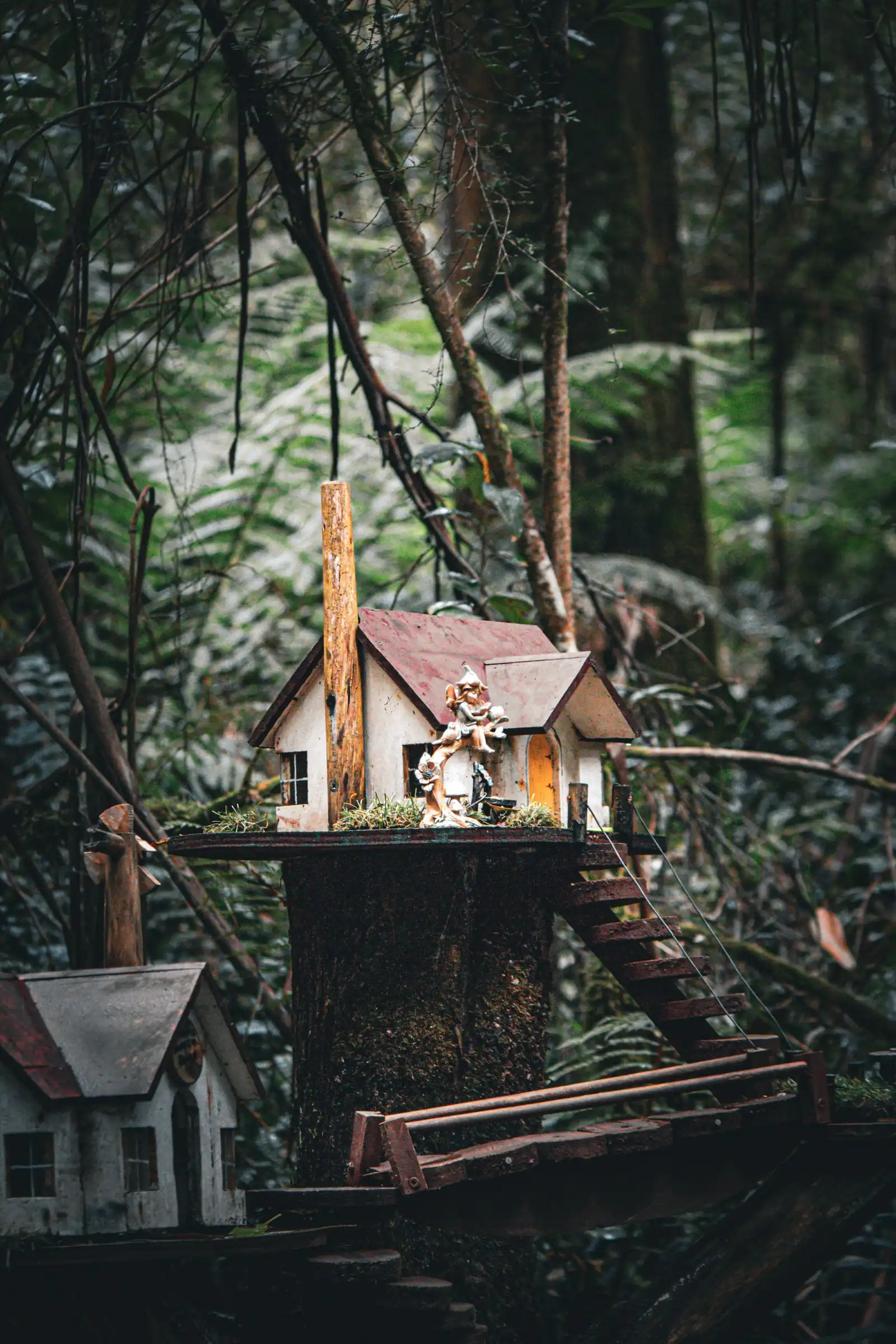
Most accessories are 1:12 dollhouse scale: one inch equals one foot in the fairy world. A six-inch cottage is a six-foot cottage, exactly right. Buy pieces labeled 1:12, and measure them against your plants, not the pot: a door should be about one-third of your tree’s height. When in doubt, go smaller. Undersized looks intentional; oversized looks wrong.
Give each garden one hero piece: one cottage, one castle, or one big tree. Two cottages in a ten-inch pot is clutter, not a village. The classic mistakes: full-size solar lights (use tiny-bulb fairy strings instead), river rock (use pea gravel), and mixing scales in one pot. Pick one scale and commit.

Fairy Garden Care Calendar
Spring refresh. Pull mulch, trim dead foliage, top up settled soil an inch. Divide groundcovers before they smother miniatures. Replace winter casualties.
Summer watering reality. Small pots dry in one hot July day. Finger-check every morning; water until it drains. Group pots to slow drying; shade resin figures in the afternoon.
Fall prep. Pull spent annuals, clear leaves weekly, tuck in mums for color; bigger-pot ideas in these fall container planters. Stop feeding by early October.
Winter protection. Glazed pots come inside before hard freeze or they crack. Figures to a garage bin. Spruce, sedum, and thyme stay out under mulch in most of the US.

5 Fairy Garden Ideas for Kids
The child leads, the adult assists. Each project takes under an hour.
- The Scavenger Hunt Garden. Hide five treasures (painted acorn, shell, blue marble, tiny key, polished stone) and make a picture checklist. Weekly hunts; fairies move the loot overnight.
- Painted Rock Stepping Stones. Paint washed flat stones with non-toxic acrylics; seal with outdoor sealer. Instant stepping stones or plant markers.
- The Fairy Door on a Tree Trunk. Fix a small wooden door to a tree trunk base with weatherproof adhesive (adult job). Add a doormat and pebble path. Kids check for fairy mail daily.

- The Fairy Mailbox. Mount a dollhouse mailbox on a six-inch dowel. Leave tiny notes and seed packets; sometimes a reply “from the fairies.” Laminate notes against rain.
- The Bug-Friendly Log Pile House. Stack short logs and bark in a shady corner: a fairy cabin real beetles move into. Keep it a few feet from the foundation.
Safety notes: adults handle glue guns, drills, sharp tools. Non-toxic paints only; pieces larger than a grape for toddlers. Check resin figures each spring.
Common Fairy Garden Problems (And Easy Fixes)
Mold on twig houses. White fuzz on untreated wood in damp shade. Move to sun, brush off outdoors, spray 1:10 hydrogen peroxide and water. Seal twig crafts with outdoor polyurethane first.
Faded resin figures. Sun bleaches resin to chalk in one summer. UV clear sealer each spring, five minutes, doubles colorful life. Repaint faded ones with outdoor acrylics, then seal.
Soil washing out of tiny containers. Rain flushes small pots. Line the bottom with a coffee filter before soil: water passes, soil stays. Replace each spring.
Squirrels digging. Fresh mix invites digging. Lay half-inch hardware cloth over soil around plants, or press pinecones into the surface. Plants hide both within weeks.

Fairy Garden Ideas: Quick Answers
How much does a fairy garden cost?
$15 to $40 with your own container: soil, a few plants, gravel, an accessory or two. All new, $60 to $80. Start small; the hobby grows itself.
What size container works best?
Ten to fourteen inches: big enough for a scene, small enough to water and move. Under eight dries too fast; over sixteen becomes a landscape project.
Can fairy gardens stay outside in winter?
Hardy plants usually survive your zone; accessories should not stay out. Resin cracks, glaze splits. Bin the figures, mulch the plants, rebuild in spring.

What plants survive neglect?
Sedums, hens-and-chicks, creeping thyme, echeveria. Skip baby tears and Irish moss if you forget to water.
How do you water without disturbing miniatures?
Narrow-spout can aimed at soil, never the scene. Or bottom-water tiny pots ten minutes in a tray. A drip kit on a timer is the upgrade.
Are fairy gardens only for kids?
No. Adults build them as a creative container hobby, and they photograph beautifully. Bonsai with a sense of humor.

Start today: a 12-inch pot, a bag of potting mix, a bag of pea gravel. One dwarf spruce, a thyme ring, a winding path, one tiny house. Built before lunch, smiled at all summer. The fairies are not picky. They just like being invited.
1 thought on “15 Fairy Garden Ideas That Turn Any Corner Into a Storybook (2026)”