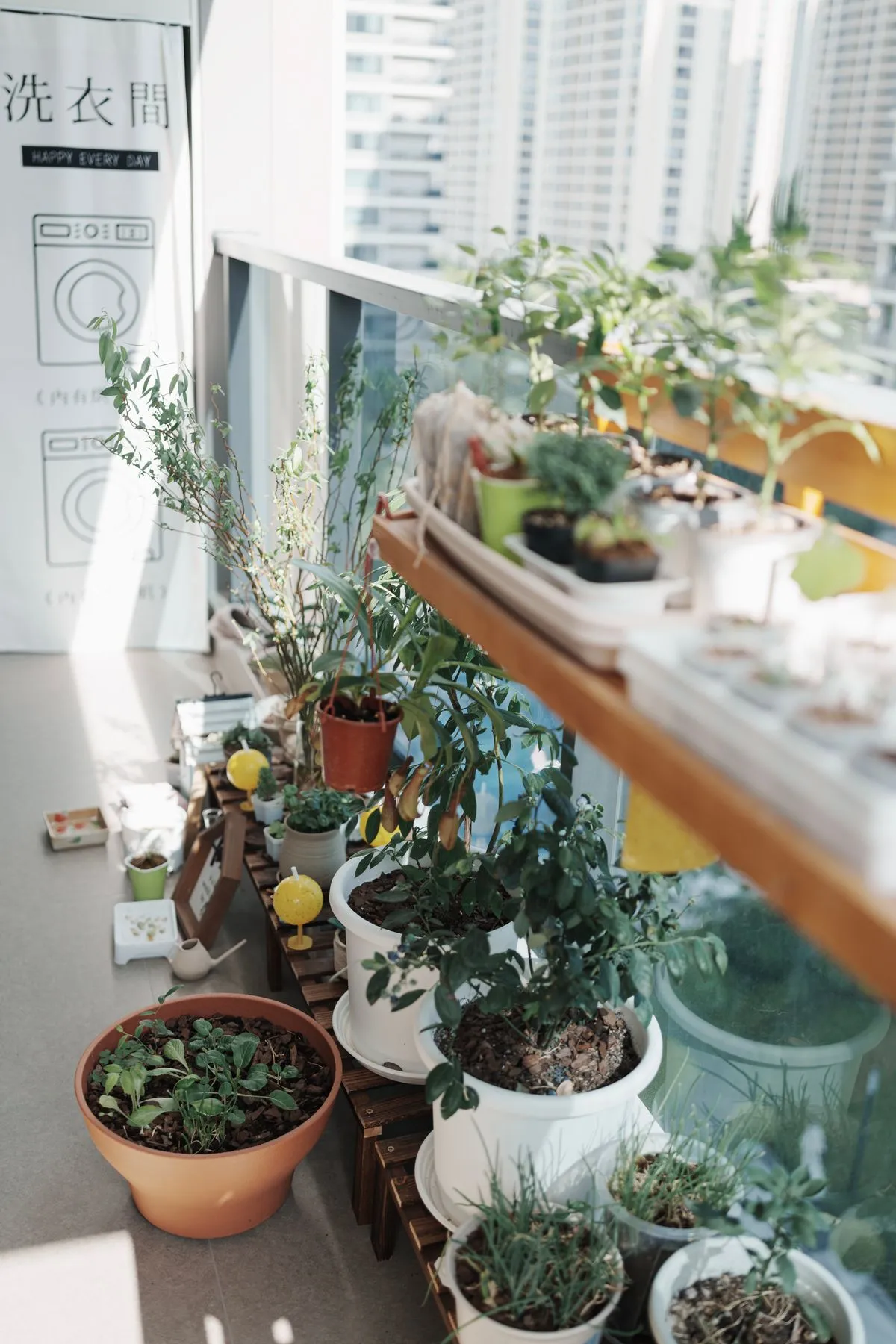
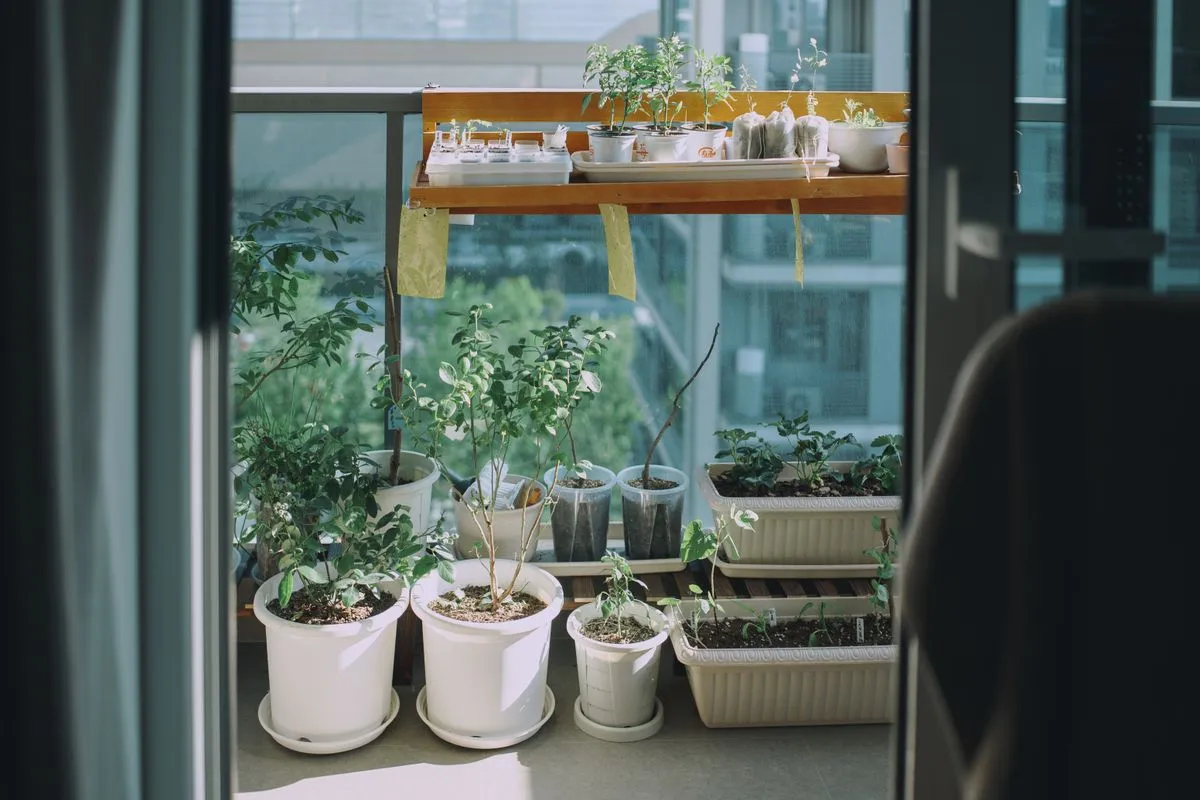
Small space herb gardening vertical balcony wall ideas turn an empty railing or bare wall into a kitchen garden that feeds you all year. Herbs are perfect for vertical growing: they are small, shallow rooted, and happy in pots, pockets, and troughs. With the right wall, the right containers, and a little daily care, even a tiny balcony can grow basil, mint, parsley, thyme, and more. Here are 15 ideas to build yours.
The secret is matching herbs to your light. A sunny south facing balcony suits basil, rosemary, and thyme, while a shady north facing wall suits mint, parsley, and chives. Start with five herbs you actually cook with, learn their needs, and expand later. Vertical gardening is forgiving: if one pocket fails, you replant it without disturbing the rest.
1. Start With a Sunny Wall for Small Space Herb Gardening
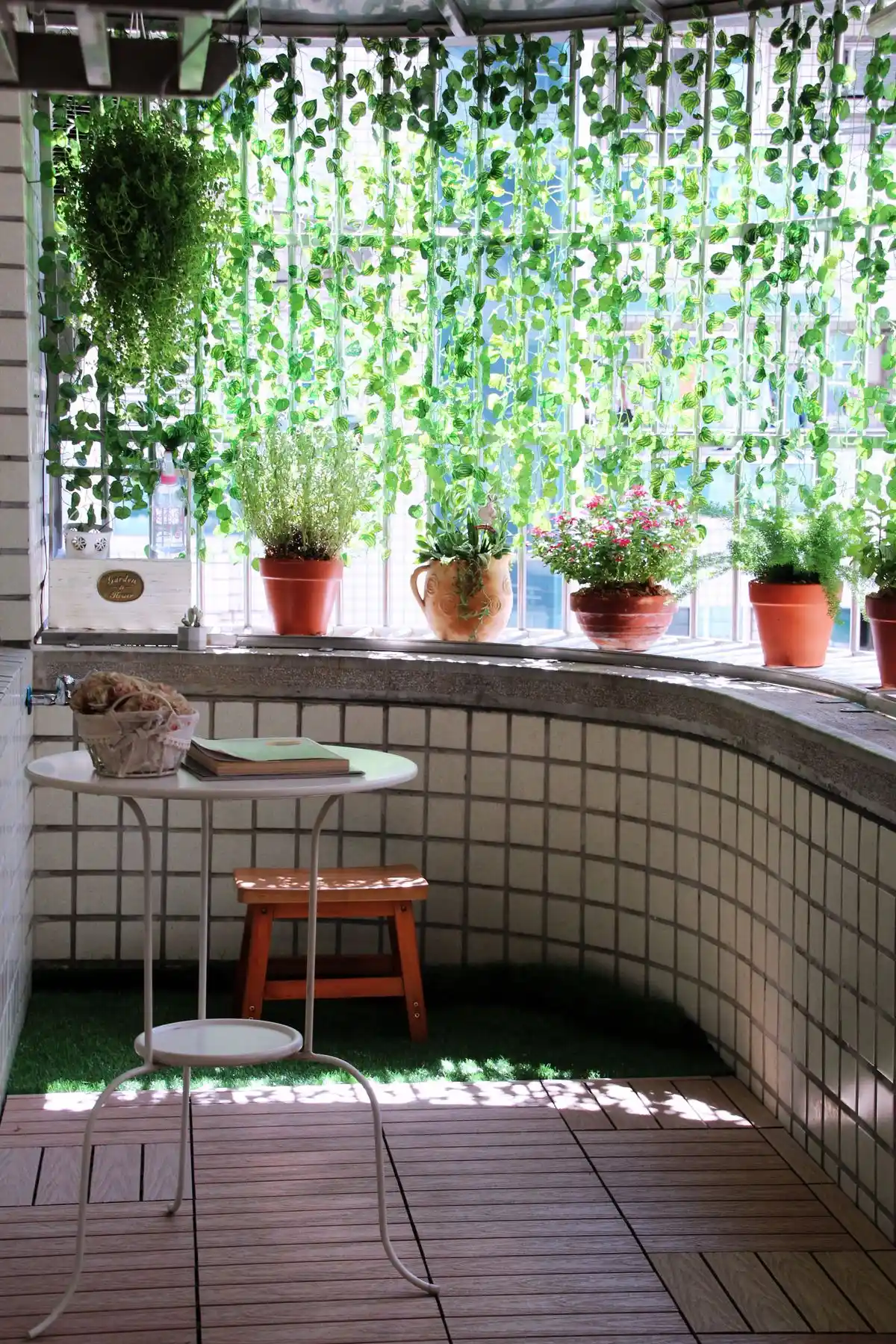
Pick the sunniest wall or railing on your balcony, ideally one that gets four to six hours of direct sun. Herbs grown in shade become leggy and flavourless, while sun grown herbs are compact and strongly scented. If your balcony is shaded, choose shade tolerant herbs and accept slower growth. A wall that gets morning sun and afternoon shade is a good compromise, especially in hot summers when pots dry fast.
2. Use a Felt Pocket Planter for Instant Impact
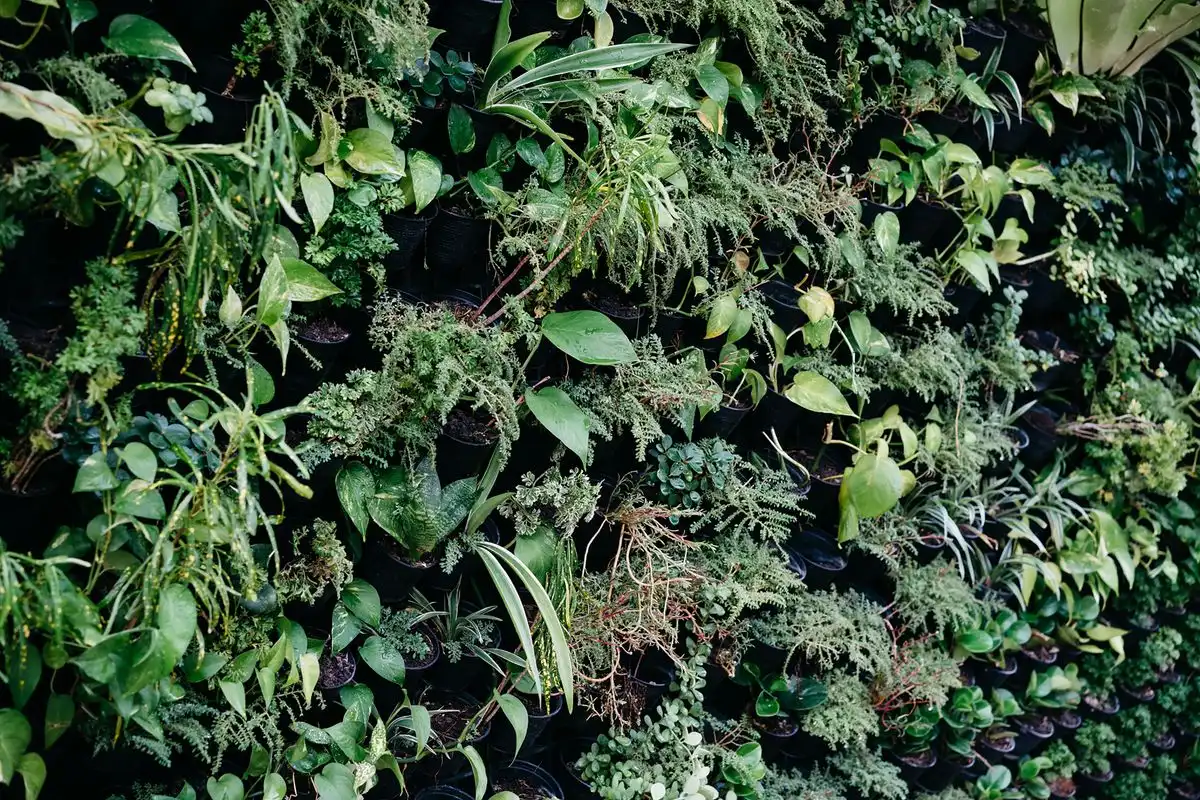
Felt pocket planters hang on a wall or railing and give you 12 to 36 planting pockets in under a square metre. They are cheap, light, and easy to install with two screws or hooks. Fill each pocket with multipurpose compost, plant one herb per pocket, and water slowly so every pocket gets wet. Felt dries fast in wind, so check moisture daily in summer. Pocket planters suit trailing herbs such as thyme and oregano beautifully.
3. Build a Pallet Herb Wall on a Budget
An old wooden pallet, lined with landscape fabric and fixed firmly to the wall, makes a rustic vertical herb garden for almost nothing. Fill the slat rows with compost, plant herbs through the gaps, and water from the top so moisture trickles down. Fix the pallet with proper wall plugs, because a planted pallet is heavy. Sand rough edges first, and avoid pallets marked with chemical treatments. A pallet wall looks great and grows a surprising amount of food.
4. Hang Terracotta Pots on a Rail or Trellis
Terracotta pots hung from a sturdy rail or trellis give a classic look and excellent drainage. Use S hooks or pot clips rated for the weight of a watered pot, and hang pots at staggered heights so lower plants still get light. Terracotta dries faster than plastic, which suits Mediterranean herbs such as rosemary and sage. In winter, move terracotta pots to a sheltered corner, because repeated freezing can crack them.
5. Grow Basil at the Top, Where It Gets Most Sun
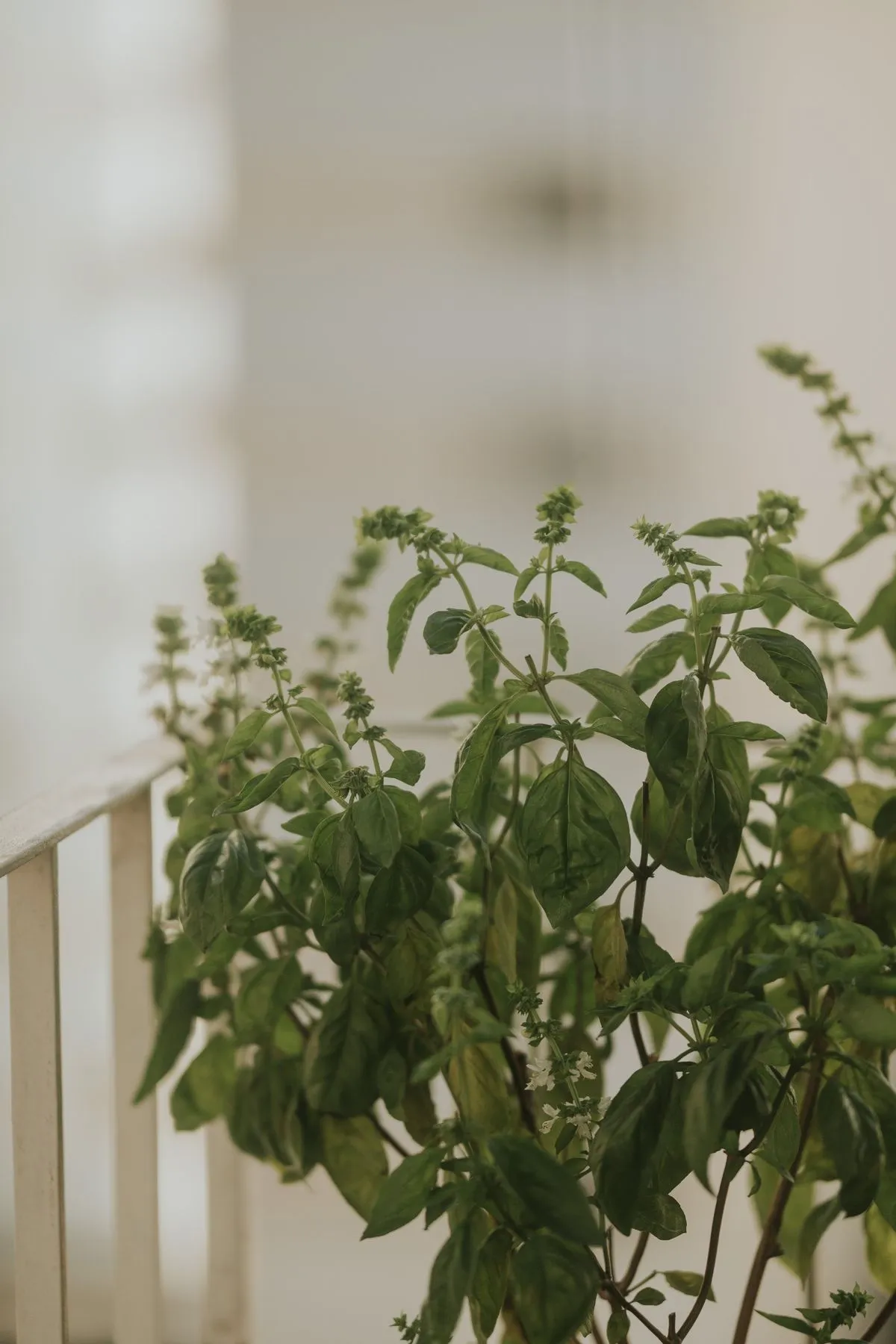
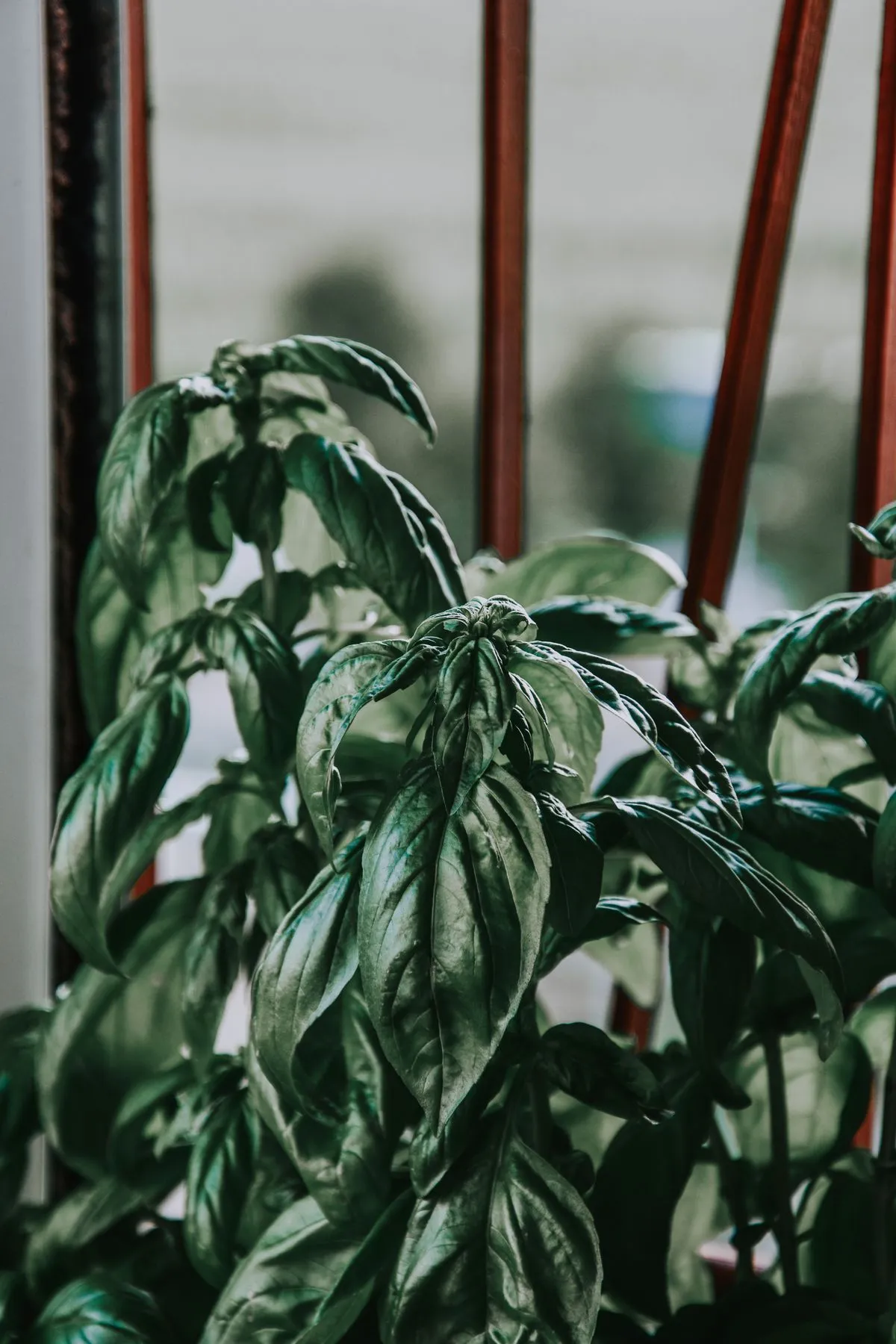
Basil loves warmth and sun, so give it the top row of your vertical garden, where light and heat are strongest. Plant basil in rich, moist compost, pinch out the growing tips regularly, and never let it flower if you want leafy growth. One healthy basil plant gives you leaves for pesto all summer. In autumn, bring basil indoors to a bright windowsill, where it can last weeks longer. For more winter growing ideas, see our winter greenhouse gardening guide.
6. Keep Mint in Its Own Pot, Always
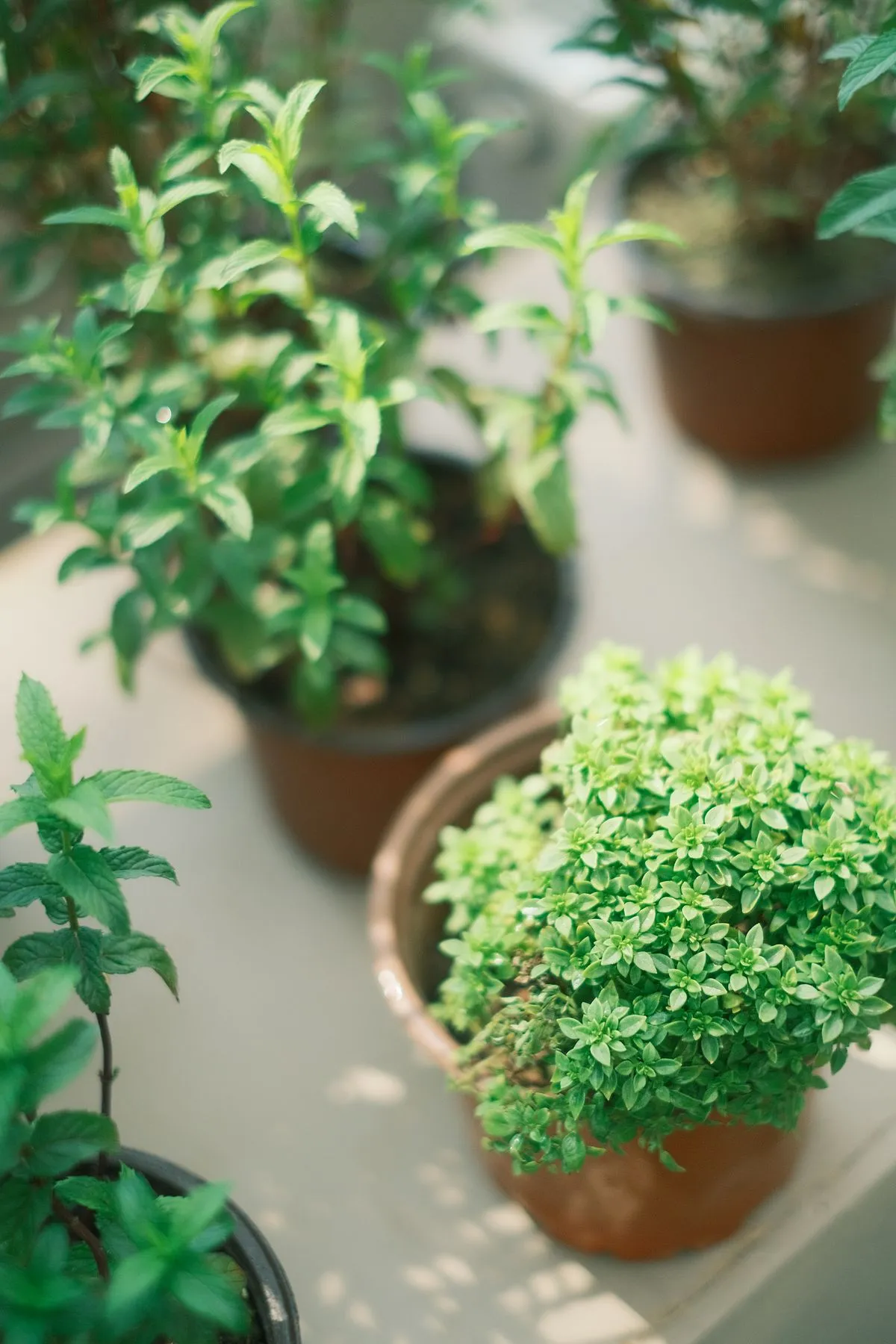
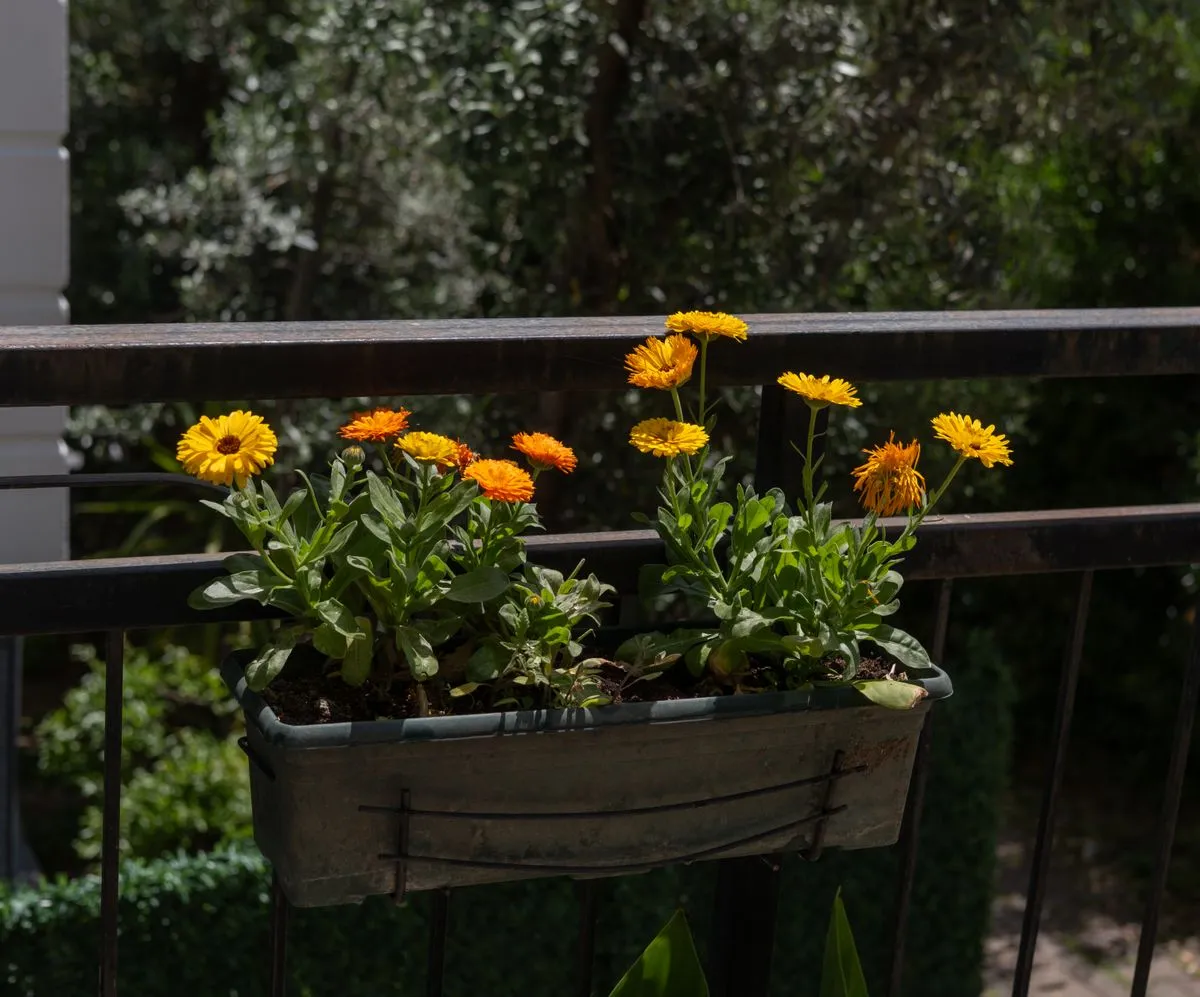
Mint is the one herb that must never share a container. Its runners spread fast and will swamp neighbours within weeks. Give mint its own pot on the wall, and enjoy vigorous growth without guilt. Mint tolerates shade better than most herbs, so it suits the lower, shadier rows of a vertical garden. Water it well, cut it back hard when it gets woody, and it will regrow fresh and fragrant.
7. Plant Trailing Thyme and Oregano at the Edges
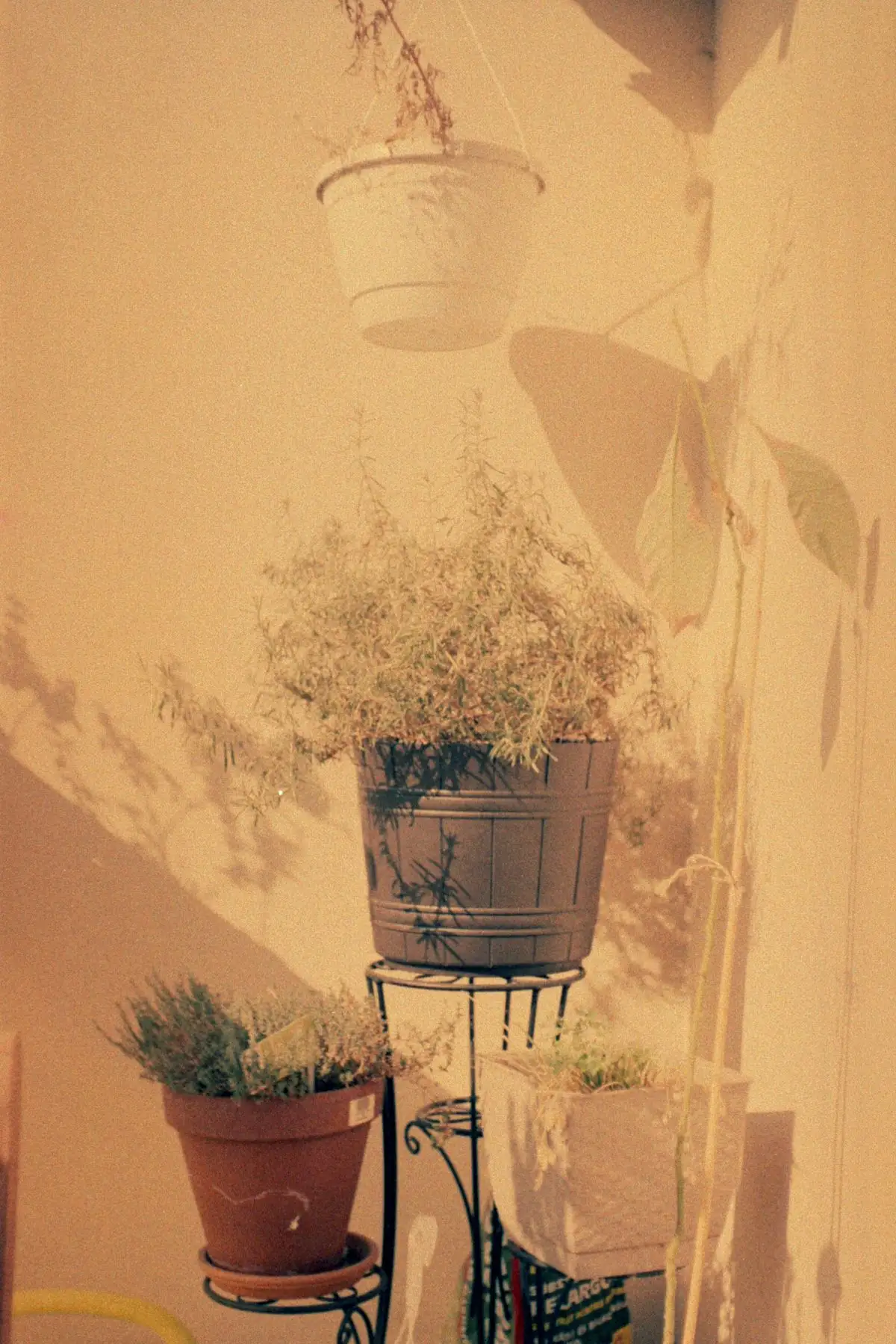
Trailing herbs soften the hard edges of a vertical garden and use space that upright plants waste. Plant thyme and oregano at the outer pockets, where they can spill down and catch sun. Both need little water once established and thrive in poor, gritty compost. Snip regularly for cooking, which keeps them bushy rather than woody. Thyme flowers also attract bees, which is a bonus on a city balcony.
8. Add a Gutter Trough Garden for Shallow Rooted Herbs
Lengths of old guttering, fixed to the wall in horizontal rows, make excellent shallow troughs for parsley, chives, and salad leaves. Drill drainage holes every 30 centimetres, cap the ends, and fill with compost. Gutter gardens are cheap and use narrow walls well, but they dry fast, so water little and often. Line the gutter with a strip of fabric to stop compost washing out of the drainage holes.
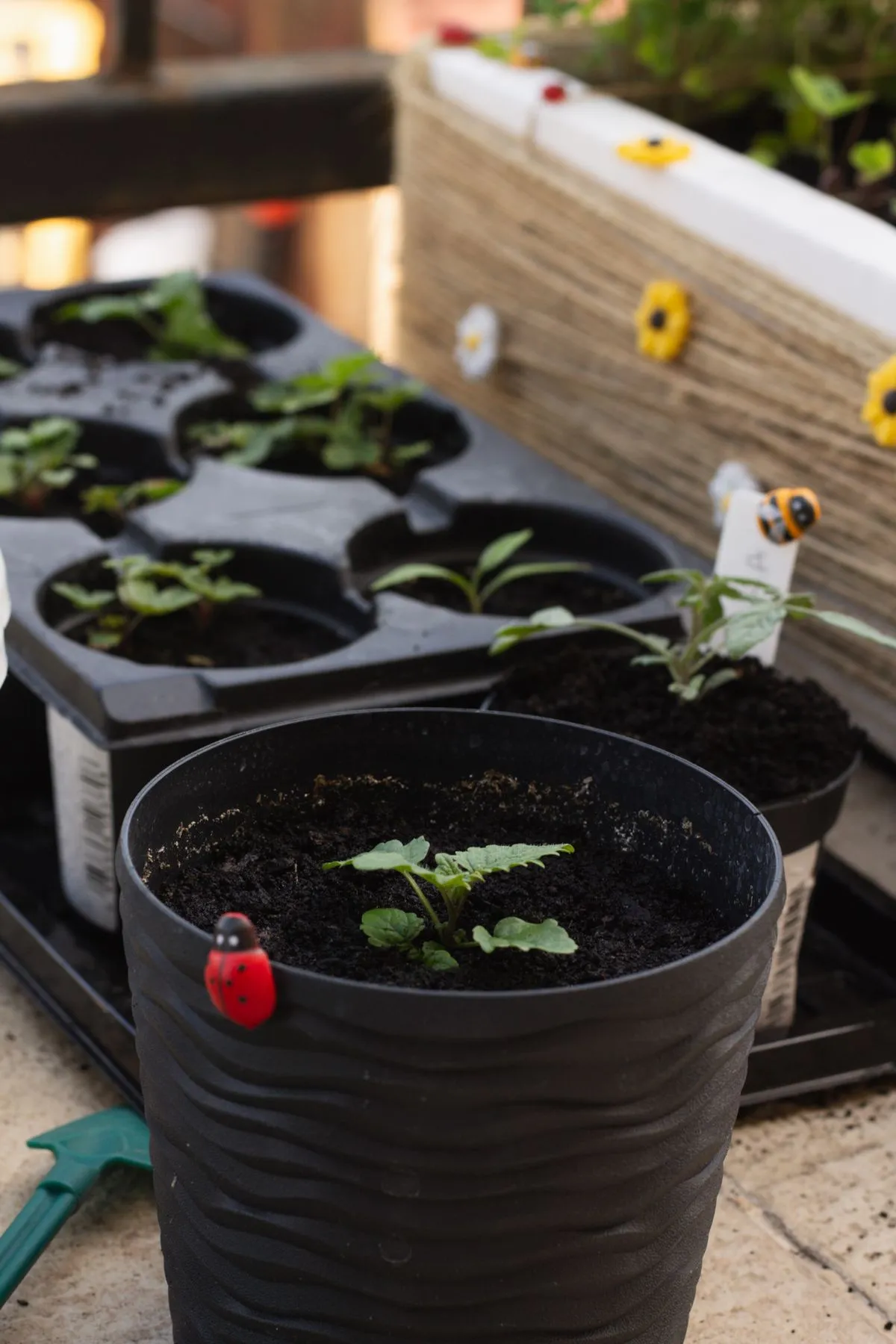
9. Water From the Top Down, Slowly
Vertical gardens dry unevenly: top rows dry first, bottom rows stay wet. Water slowly from the top, pausing to let each row absorb moisture before moving on. In summer, water in the morning and check again in the evening. A simple drip irrigation kit on a timer, about 20 to 30 pounds, transforms vertical herb care and pays for itself in saved plants. Always empty saucers and trays so roots never sit in water.
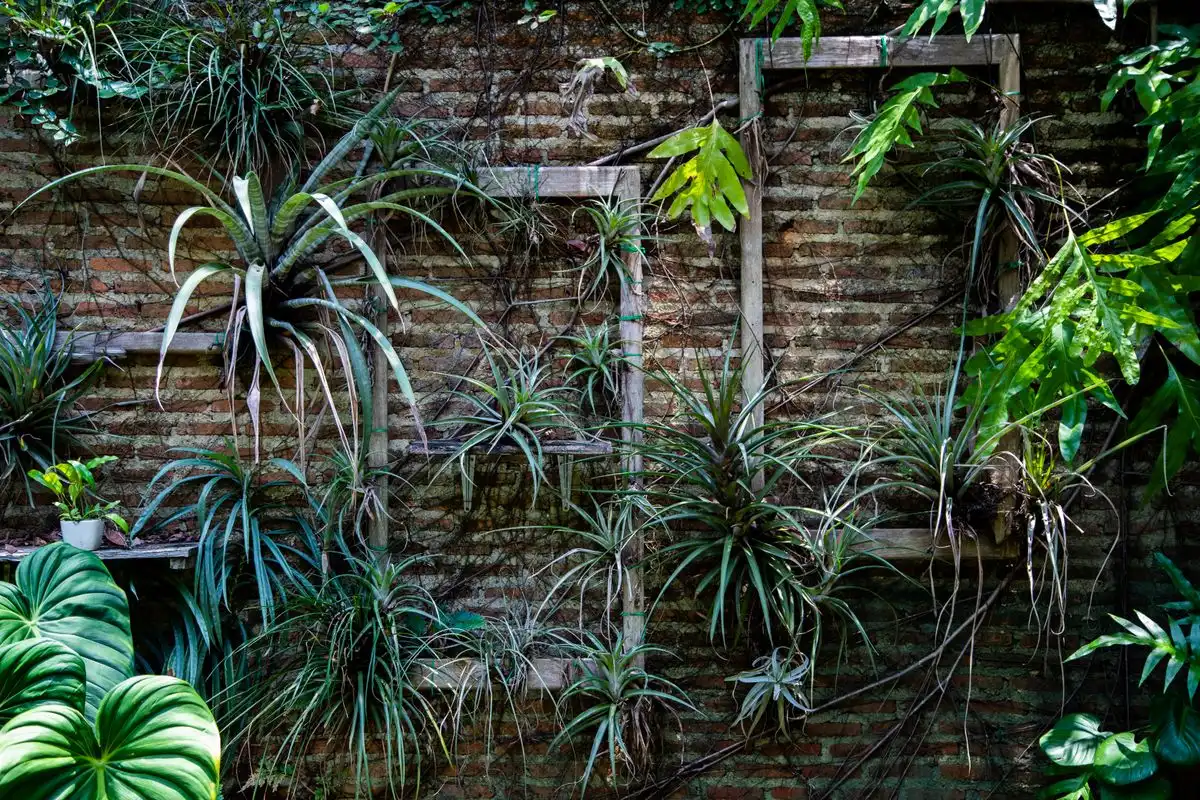
10. Feed Little and Often for Strong Flavour
Herbs grown for flavour need less feed than leafy vegetables. Too much nitrogen makes soft, weak growth with poor taste. Feed every three to four weeks in summer with a half strength liquid seaweed feed, and skip feeding entirely in winter. Herbs in small pockets run out of food faster than herbs in large pots, so refresh the top layer of compost each spring. Strong flavour comes from sun and slight stress, not from heavy feeding.
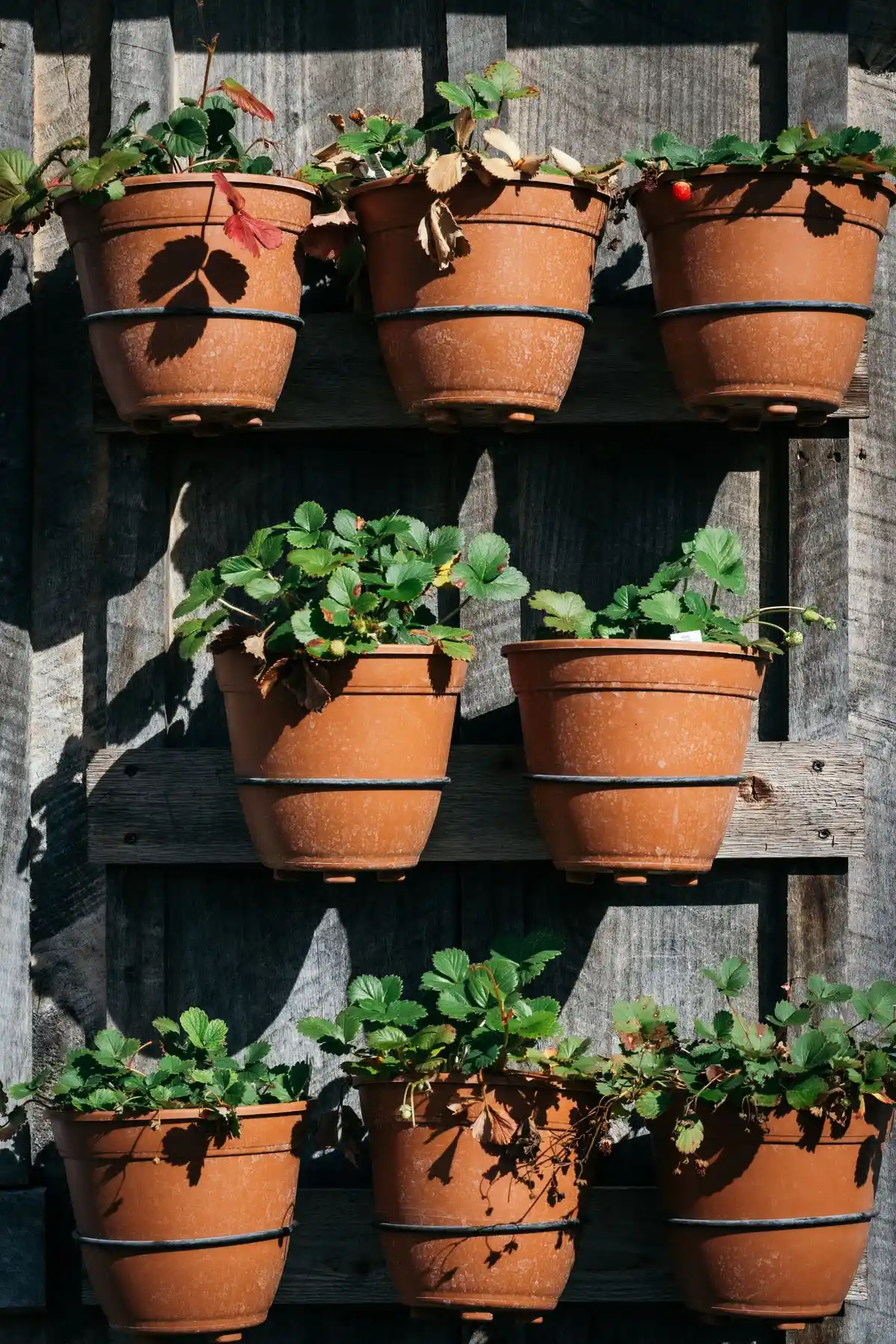
11. Use a Vertical Strawberry Tower for Herbs Too
Stackable planters and strawberry towers work brilliantly for herbs, giving you 12 to 20 planting pockets in the footprint of one pot. Fill the tower with compost, plant herbs around the sides, and water from the top so moisture reaches every level. Towers suit balconies because they sit on the floor and need no wall fixings, which matters in rented flats. Rotate the tower weekly so all sides get sun.
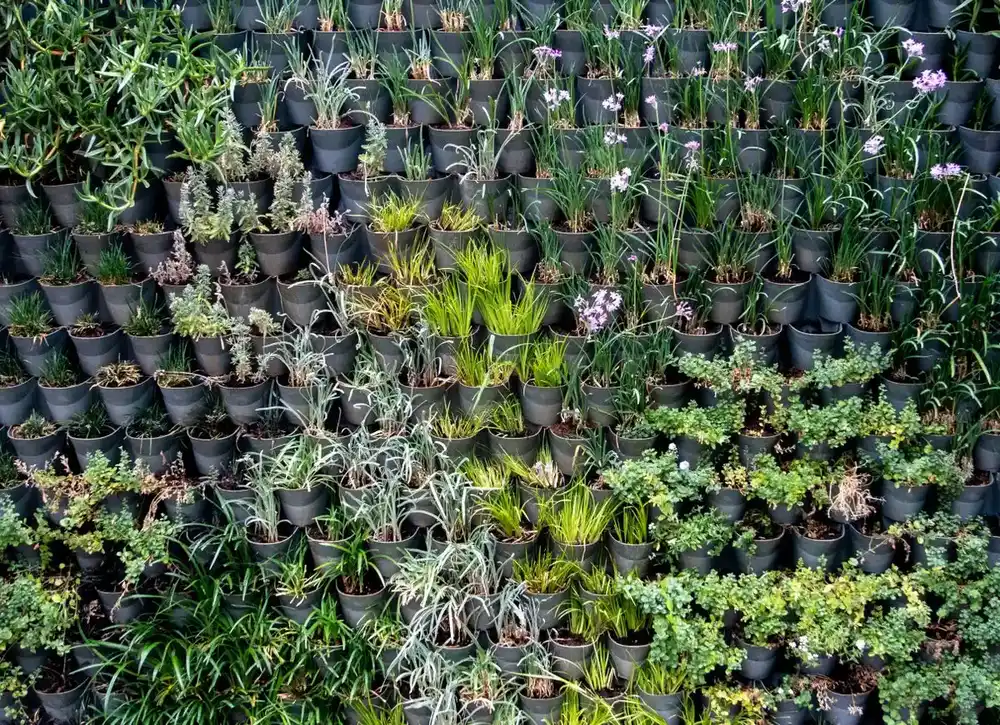
12. Protect Herbs From Wind on High Balconies
Wind is the hidden enemy of balcony herb gardens. It dries compost fast, snaps stems, and chills plants. Fix a windbreak of trellis or clear plastic sheeting on the windward side, leaving gaps for air flow. Group pots together for shelter, and use heavier pots on exposed balconies. In winter, move tender herbs such as basil indoors, and wrap hardy pots in bubble wrap. For cold season plant protection, see our cold frames beginners guide and our lavender in winter guide.
13. Label Every Pocket Clearly
Herb seedlings look alike, and a mislabelled pocket leads to mint in the soup and oregano in the tea. Label each pocket with a waterproof marker on a small wooden or plastic tag, and push the tag to the front of the pocket. Photograph your wall after planting, so you have a record when labels fade. Clear labels also help guests pick the right herb, which is half the fun of a kitchen garden.
14. Harvest Little and Often to Keep Plants Bushy
Regular picking is the best pruning a herb can get. Snip the top few centimetres of stems, just above a pair of leaves, and the plant branches into two new shoots. Never strip more than a third of a plant at once, and always leave enough leaves for photosynthesis. Morning is the best harvest time, when essential oils are strongest. Dry or freeze surplus herbs, or make pesto and herb butter for winter.
15. Refresh Compost Every Spring
Small pockets exhaust their compost in a season. Every spring, lift each herb, shake off old compost, trim long roots lightly, and replant in fresh multipurpose compost with a handful of perlite. Replace any herb that has gone woody, especially basil and parsley, which are best grown fresh each year. A spring refresh takes an hour for a whole wall and sets up months of vigorous, flavoursome growth. For soil building material, see our composting in winter guide.
Frequently Asked Questions
How much sun do balcony herbs need?
Most herbs need four to six hours of direct sun for strong flavour. Mint, parsley, and chives cope with three hours, while basil, rosemary, and thyme want as much sun as you can give.
Can I grow herbs on a north facing balcony?
Yes, but choose shade tolerant herbs such as mint, parsley, chives, and lemon balm. Growth will be slower, so plant a few extra pockets to make up the harvest.
How often should I water vertical herb planters?
Check daily in summer, and water when the top 2 centimetres feel dry. Felt pockets and gutters may need watering twice a day in hot wind.
Do vertical herb gardens damage walls?
Fixed planters can mark walls with damp. Leave a small gap behind planters for air flow, use a waterproof backing board, and check the wall each season.
Which herbs grow best in small pockets?
Thyme, oregano, chives, parsley, and mint all thrive in small pockets. Rosemary and sage prefer larger pots, so give them the biggest containers on your wall.
Conclusion
Small space herb gardening on a vertical balcony wall is one of the most rewarding projects a city gardener can try. Start with a sunny wall, five herbs you love to cook with, and containers that suit your space and budget. Water little and often, pick regularly, and refresh compost each spring. Within weeks, your balcony wall will be green, fragrant, and feeding your kitchen.