
Most front yards at Christmas look the same: a string of lights along the roof, a wreath on the door, and a hope that nobody looks too closely. These innovative outdoor christmas decorations go further, but they stay doable for one weekend, one ladder, and a normal budget. Each idea below gives you a clear starting point, a realistic light count or size, and a practical tip so the result looks planned in daylight and magical after dark.
Before you buy anything, walk your yard at dusk and note where the eye lands first, where guests walk, and where your nearest outdoor outlet sits. That five minute walk decides whether you need 200 lights or 2,000. For more porch focused ideas, see our Christmas porch column decor ideas and our guide to Christmas porch decor.
1. Line the Path With Low Garland and Warm Lights
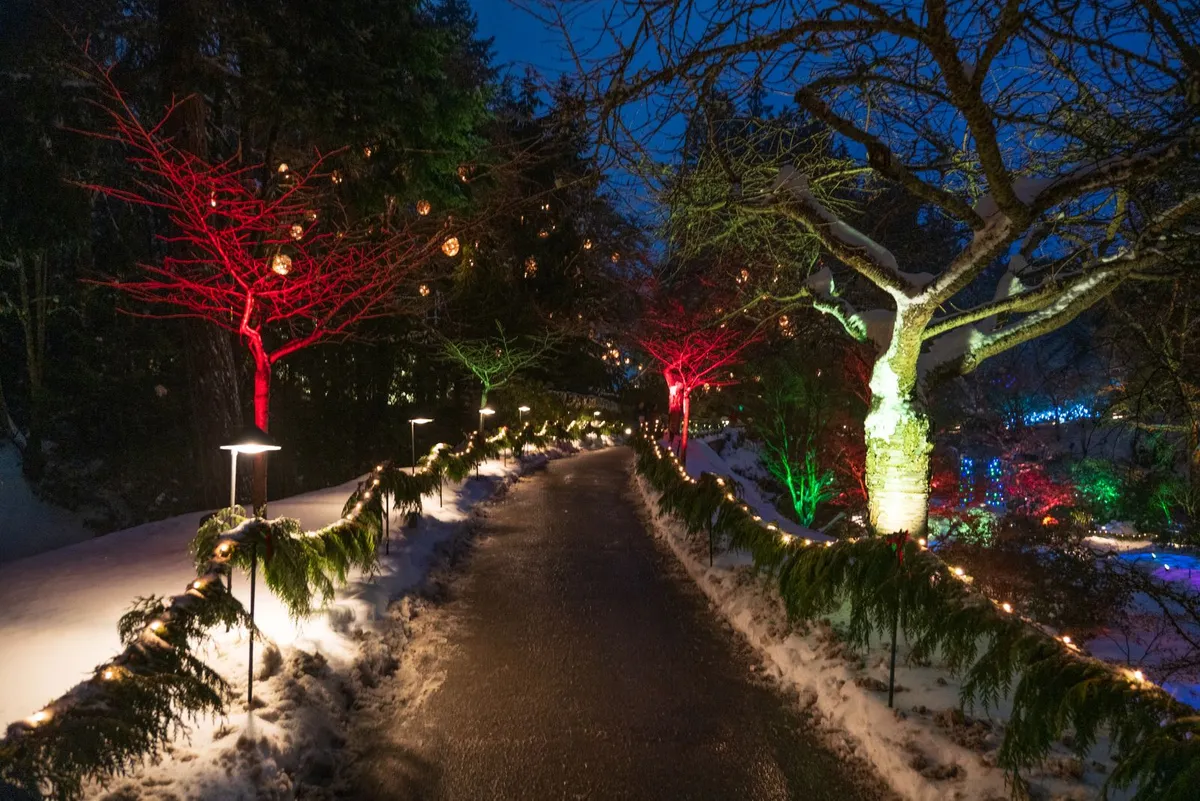
Instead of staking plastic candy canes in a straight row, lay a 9 foot cedar or fir garland along each side of the path and weave in one 100 light warm white string per 6 feet. Keep it 8 to 10 inches high so it frames the walk without blocking it, stake it every 3 feet, and use a timer set for 5 pm to 11 pm.
2. Hang One Oversized Wreath, Not Three Small Ones
A 36 inch wreath makes a bigger statement than three 20 inch wreaths competing for attention. Hang it with its center at eye level, about 60 inches from the ground, and tuck 50 micro lights behind the greenery so the glow comes from inside. On a red door, deep green foliage with red and gold baubles reads clearly from the street.

3. Turn a Living Evergreen Into the Yard Tree
If you already have a spruce, fir, or pine in the front yard, you already own the best tree in this list. Wrap the trunk first, then spiral outward with 100 lights per 3 feet of height, so a 9 foot tree takes about 300 lights. Use shatterproof C9 bulbs outside and fairy lights deeper inside for depth, and skip glass ornaments outdoors.

4. Wash the Whole House in One Bold Color
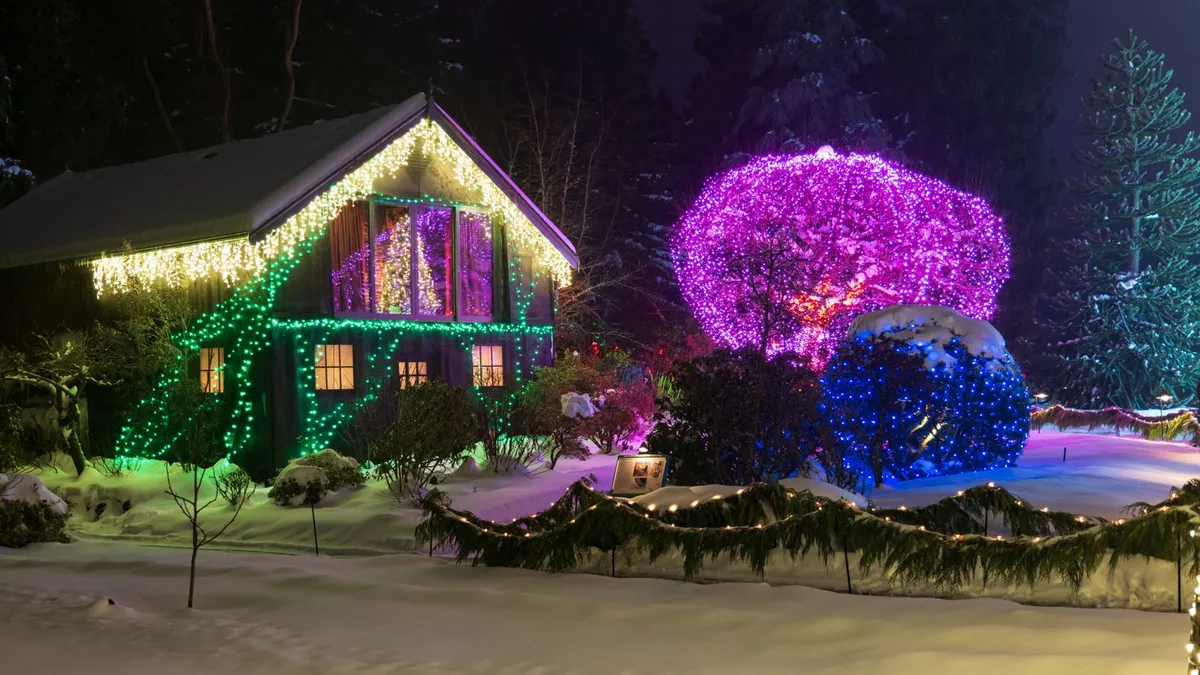
Color washing is the fastest way to look different. Aim two or three weatherproof LED floodlights at the house from 12 to 15 feet back, one color per zone. Green on the porch, magenta on a feature tree, and blue on a snow covered shrub reads festive without looking random. A 30 watt LED floodlight costs about 15 to 25 dollars.
5. Frame Every Front Window Like a Picture
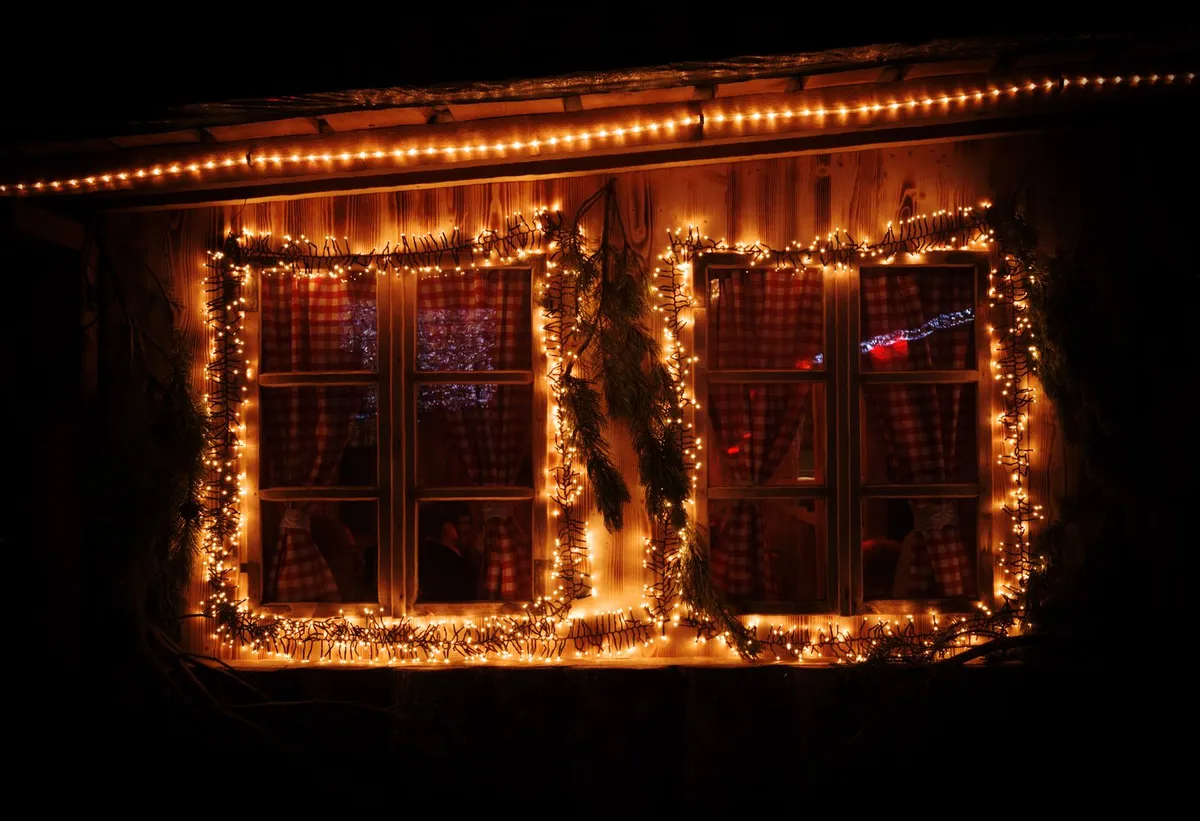
Window frames are free display space most yards ignore. Run one warm white string around each front window, clipped every 12 inches, and add a paper star inside for daytime interest. Two windows need about 200 lights total.
6. Pair a Clean Roofline With One Multicolor Tree
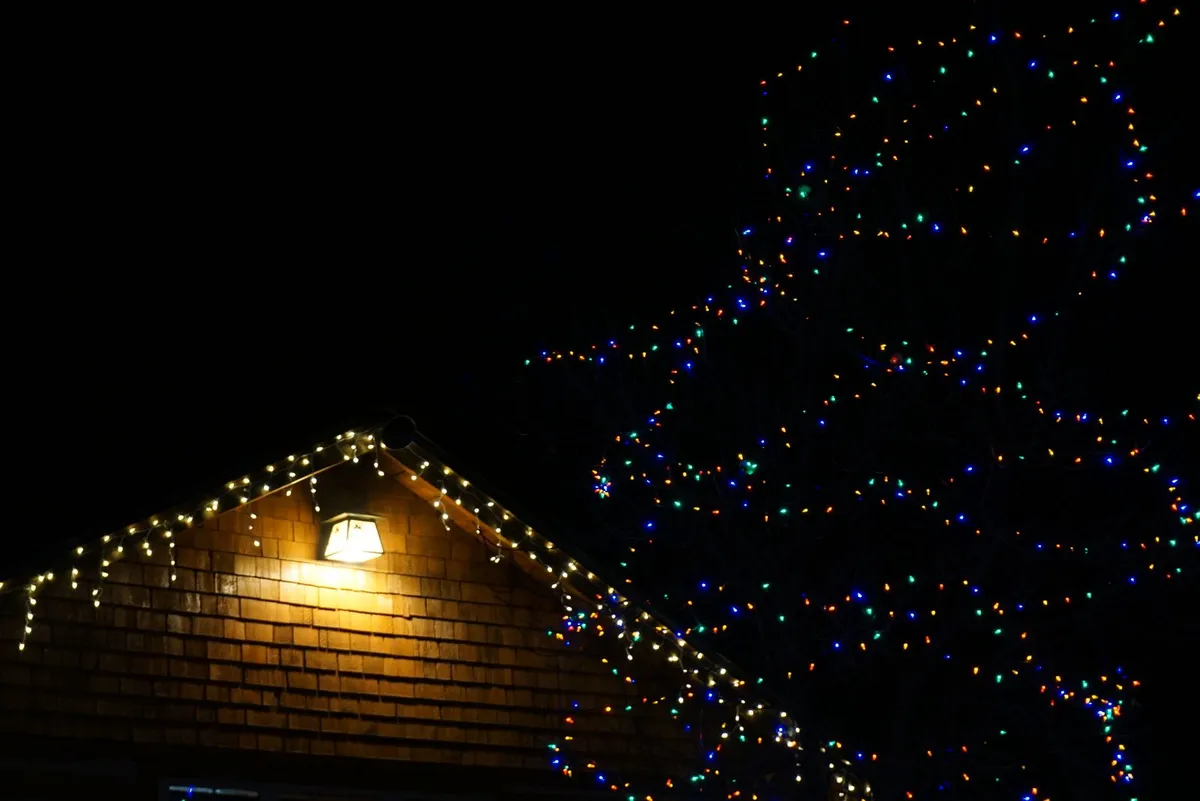
Restraint plus one surprise works better than color everywhere. Keep the roofline in steady warm white lights, clipped every 12 inches along the gutter, then let one bare tree carry multicolor lights. That single splash of color becomes the focal point.
7. Set Lanterns in the Snow Instead of More Strings
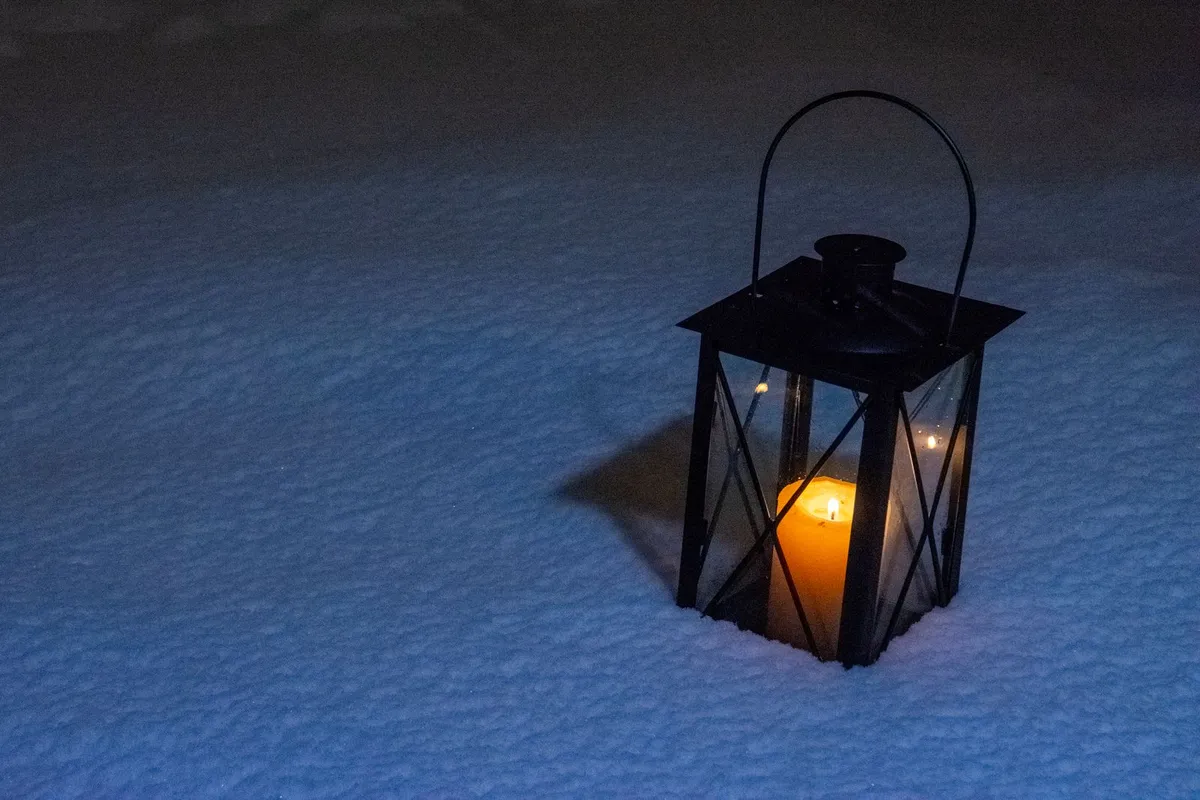
When the yard is already bright, add stillness, not more bulbs. Place three black metal lanterns in a loose triangle near the path or steps, each with one flameless LED pillar candle on a 6 hour timer. Space them 4 to 6 feet apart so they read as a group.
8. Top the Porch Garland With a Giant Bow
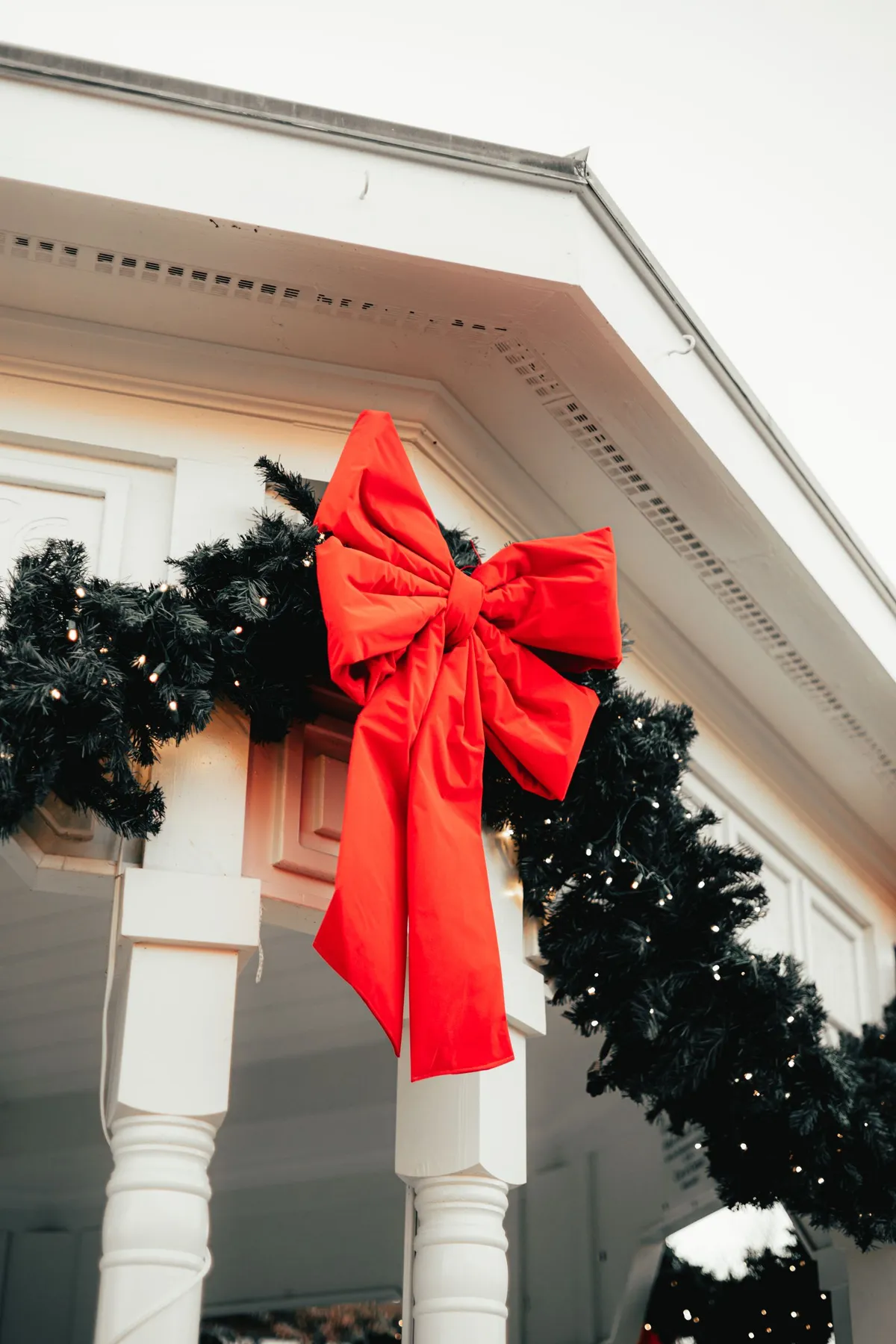
A porch garland gets a second life with one oversized bow, about 18 to 24 inches wide, made from weatherproof wired ribbon. Center it over the main column, and let the tails hang 24 to 30 inches. One bold bow beats a dozen small bows, and it costs under 20 dollars if you buy ribbon by the yard. For more garland ideas, see our Christmas lighted garland ideas for porch.
9. Build a Rustic Log Reindeer Pair
Log reindeer look handmade in the best way, and they survive weather that ruins inflatables. Use log sections for the body, slim branches for legs and antlers, and small bells for detail. Anchor each figure with a ground stake, place the pair beside a real evergreen, and seal cut ends before the first rain.

10. Stage a Small Santa and Reindeer Scene at Night
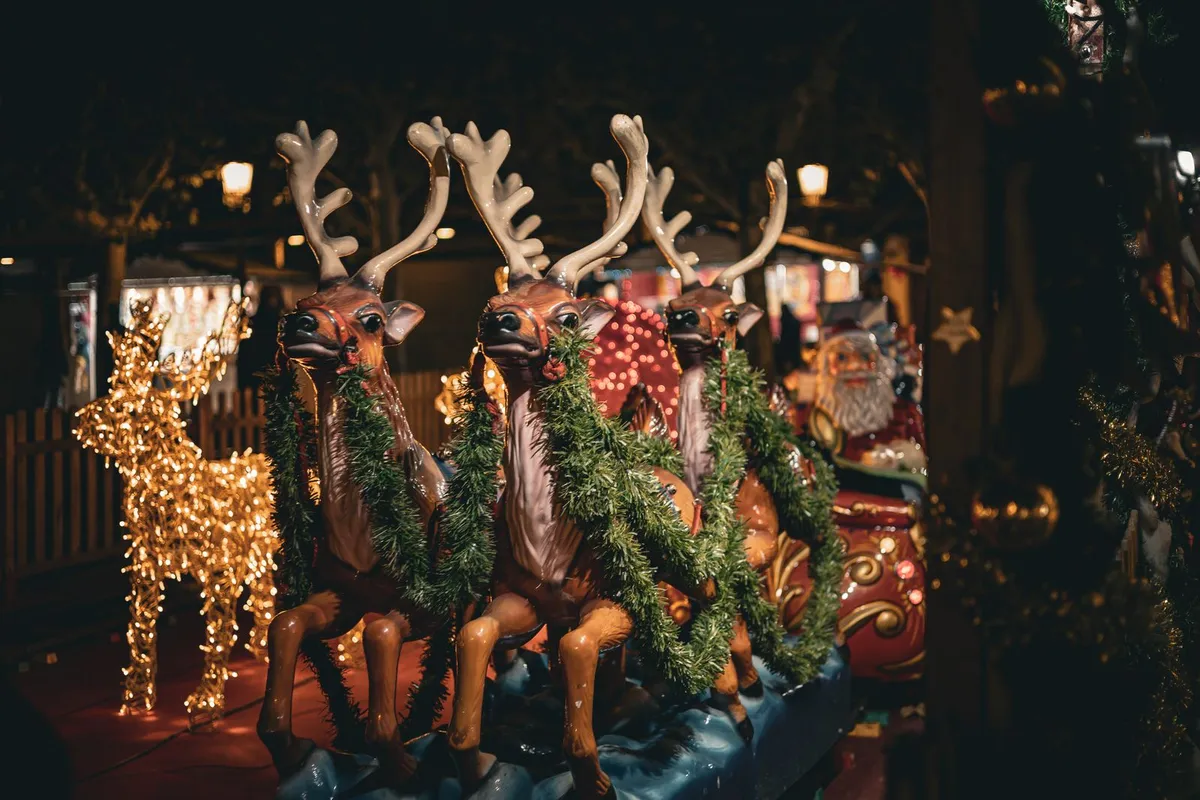
A full inflatable village is a lot of work, but one focused scene is easy: a lit Santa figure, one or two reindeer, and a low fence or a few wrapped boxes to ground the group. Keep the scene inside a 6 by 8 foot area near the front walk, light it from the front so shapes stay visible from the street, and run it on one outdoor timer.
11. Sculpt Light Around a Bare Birch Tree
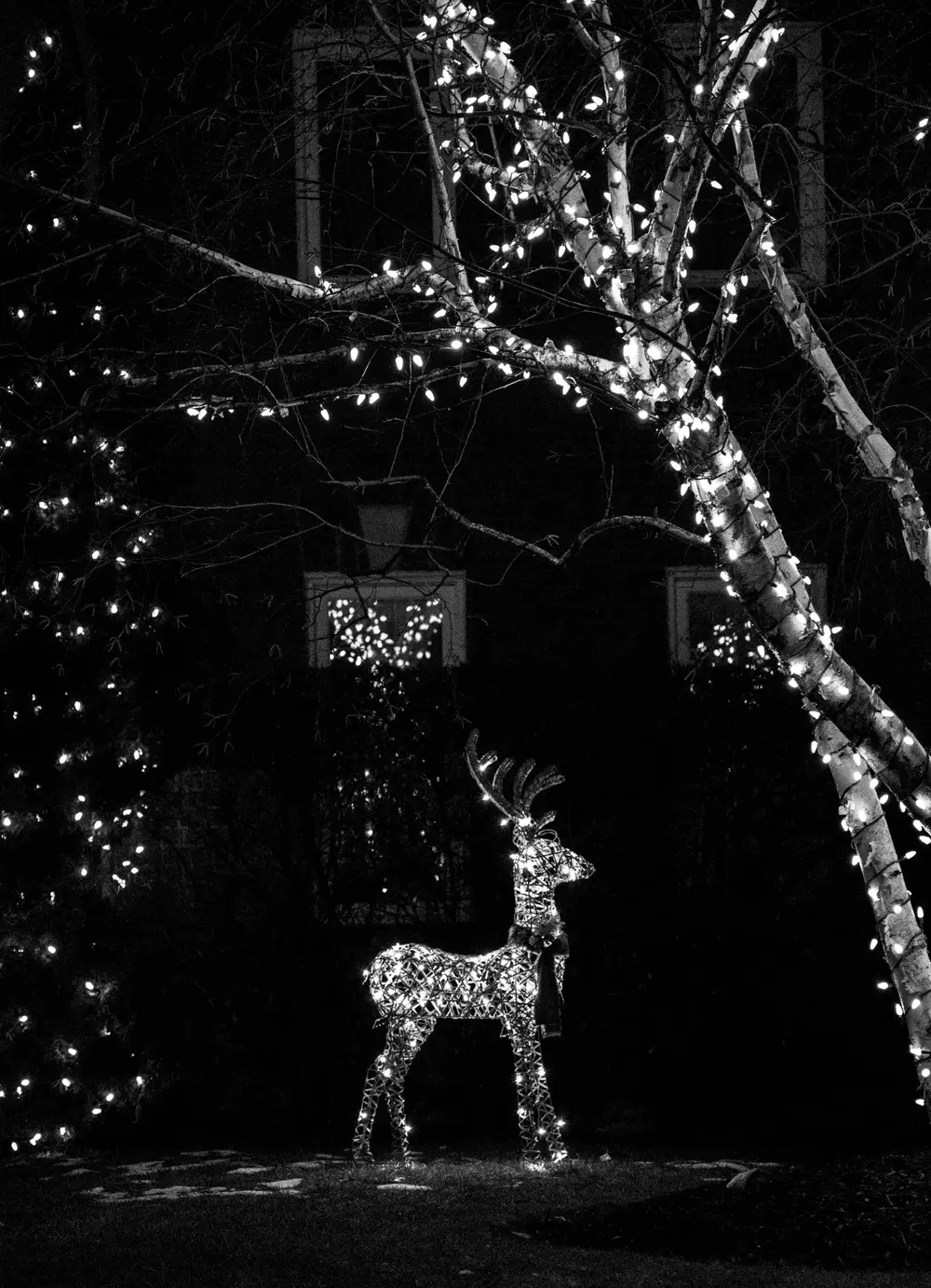
Bare trees are an asset in winter, not a problem. Wrap a birch tightly from the base up with 200 to 300 mini lights, and add one wire reindeer sculpture with 100 to 150 lights at the base. The wrapped trunk draws the eye upward, which makes a small yard feel taller.
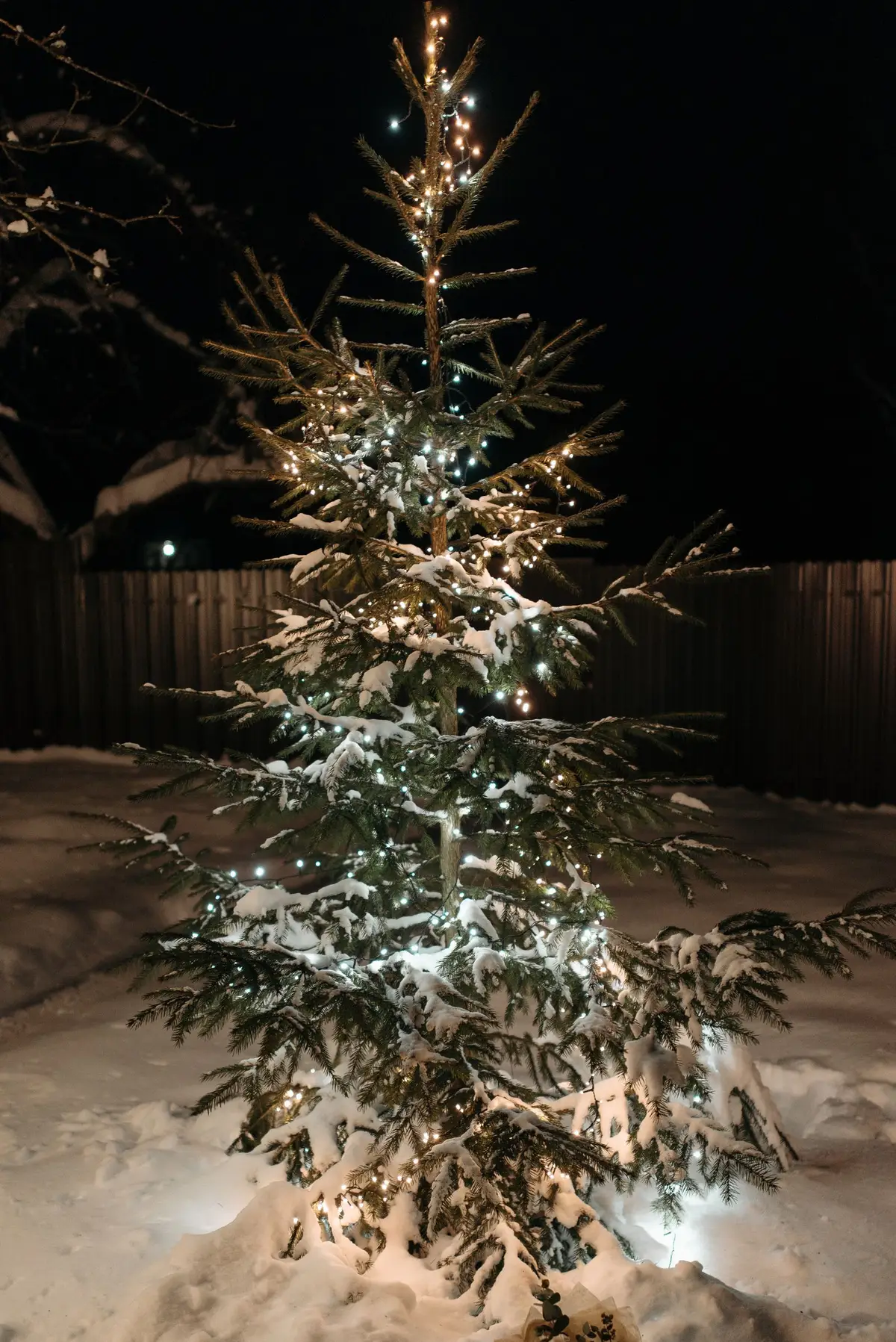
12. Light a Snowy Yard Tree From the Inside Out
For a standalone snowy tree, start at the trunk and work outward, placing the first string deep inside the branches and the second string near the tips. That two layer method gives depth a single outer wrap never achieves. A 6 to 8 foot tree needs about 300 to 400 lights. Choose one tone per tree and stick to it. If you want a porch tree instead, see our outdoor Christmas tree ideas for porch.
13. Project Patterns Instead of Hanging More Strings
A weatherproof projection light can cover a whole wall or a large tree in minutes. Mount it 10 to 20 feet back on a stable stake and test the pattern at dusk. Snowflakes and stars read well from the street, while fast moving patterns can look frantic. One projector costs about 30 to 60 dollars.
14. Dress the Mailbox and Planters as a Set
Small details tie a yard together. Wrap the mailbox post with a 6 foot garland and one 50 light string, then repeat the same greenery and ribbon in the porch planters. When mailbox, planters, and porch share one palette, the yard looks designed.
15. Sync One Zone to Music, and Leave the Rest Steady
Music synced lights are fun for about ten minutes and tiring for a whole evening, so sync only one zone, such as the front tree or the porch, and keep the rest of the yard on steady lights. A basic controller kit costs about 40 to 80 dollars, and most let you set a show window, such as 6 pm to 9 pm, after which the lights return to steady mode.
Power Safety for Innovative Outdoor Christmas Decorations
Count watts before you count lights. Most LED strings draw only 5 to 10 watts per 100 lights, so 2,000 LED lights draw roughly 100 to 200 watts, well within one 15 amp outdoor circuit. Older incandescent strings can draw 40 watts or more per 100 lights. Use outdoor rated cords, keep every connection at least 6 inches above ground in a covered cord box, and run the display through a GFCI outlet with a photocell timer set to switch off by 11 pm.
Weatherproofing: Make It Last Past the First Storm
Wind, rain, and freeze thaw cycles undo more displays than bad taste does. Choose IP44 rated lights or higher for exposed spots, wrap every plug connection with electrical tape plus a waterproof cover, and leave a small drip loop in each cord so water runs off instead of into the plug. Anchor sculptures with four stakes each, and at takedown label each box by zone and store everything dry.
Frequently Asked Questions
How many outdoor Christmas lights do I need for a front yard?
For a typical front yard, start with 100 lights per 3 feet of tree height, 100 lights per 6 feet of garland or roofline, and one focal feature such as a lit tree or sculpture. A small yard looks full with 500 to 1,000 lights, while a large corner lot may need 2,000 to 3,000.
What are the best innovative outdoor Christmas decorations on a budget?
The best budget ideas are a color wash with two LED floodlights, one oversized wreath, lanterns with flameless candles, and a giant bow on existing porch garland. Together these cost roughly 60 to 120 dollars Spend first on the focal point guests see from the street, then fill in the edges.
How do I keep outdoor Christmas lights safe in rain and snow?
Use outdoor rated lights and cords, protect every connection in a covered box raised off the ground, and run the display through a GFCI outlet. Take down any string with damaged insulation.
When should I put up outdoor Christmas decorations?
Most US households put lights up in mid to late November, after the first hard frost and before the ground freezes, which makes staking much easier. Install on a dry, calm day, test every string on the ground first,
Can I leave outdoor Christmas lights on all night?
You can, but a timer is better for cost, bulb life, and neighbors. Set lights to run from dusk to about 11 pm, LED strings on a timer typically add only a few dollars to a monthly bill.
Conclusion
A yard that stands out does not need the most lights on the street, it needs one clear focal point, one consistent palette, and details that hold up in daylight, rain, and snow. Pick two or three ideas from this list for this year, such as the lighted path, the oversized wreath, and the color wash, and add one new zone each season.