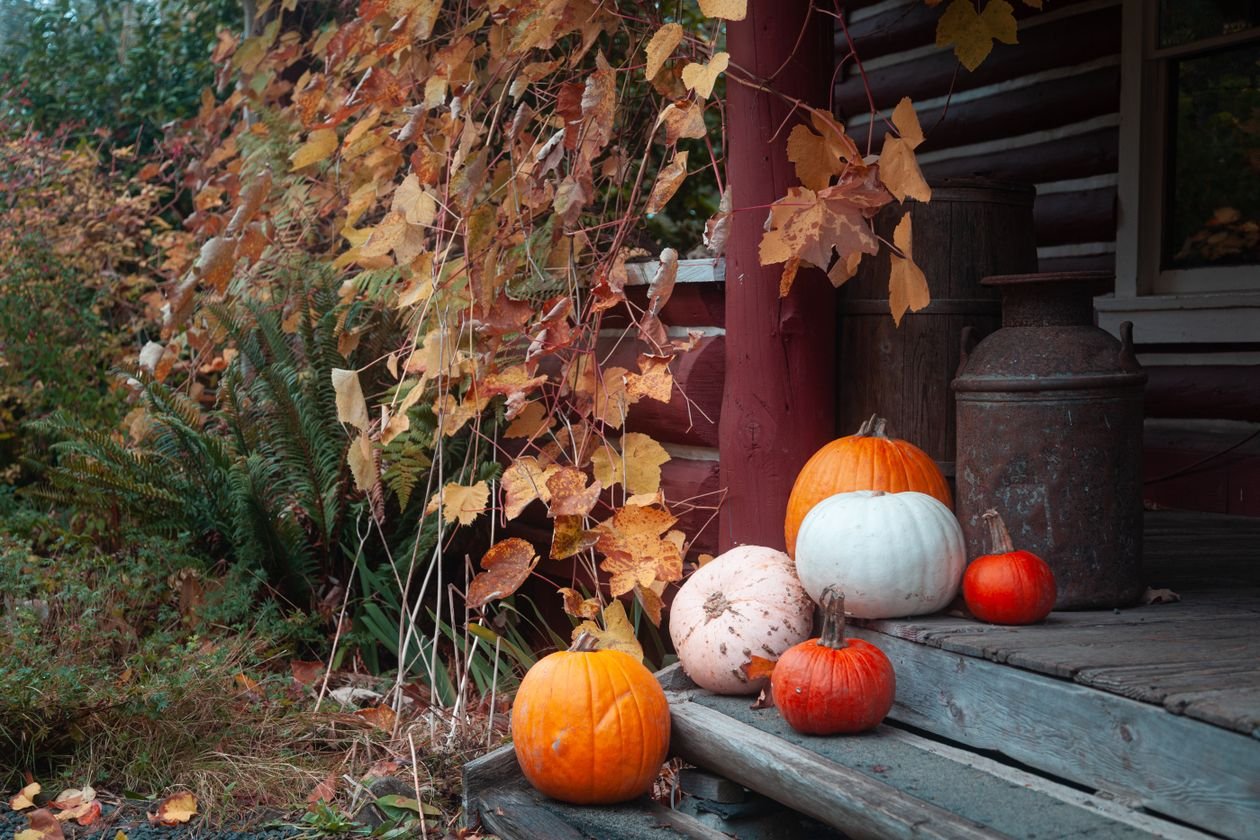
Every October brings a short, golden window when the garden asks for one last hurrah. The summer annuals are fading, the light turns warm and low, and creating stunning fall planters is the fastest way to give your porch, patio, or entryway a fresh look that lasts for weeks. A well-planted fall container can carry you from the first cool nights of October straight through Thanksgiving, and it costs less than most people expect.
The secret is not spending more money. It is choosing plants that actually like cool weather and arranging them with a little intention: height, layers, and texture. About fifteen extra minutes and three or four well-chosen plants separate a plain pot from a stunning one. Here is everything you need to know.
Creating Stunning Fall Planters Starts with a Plan
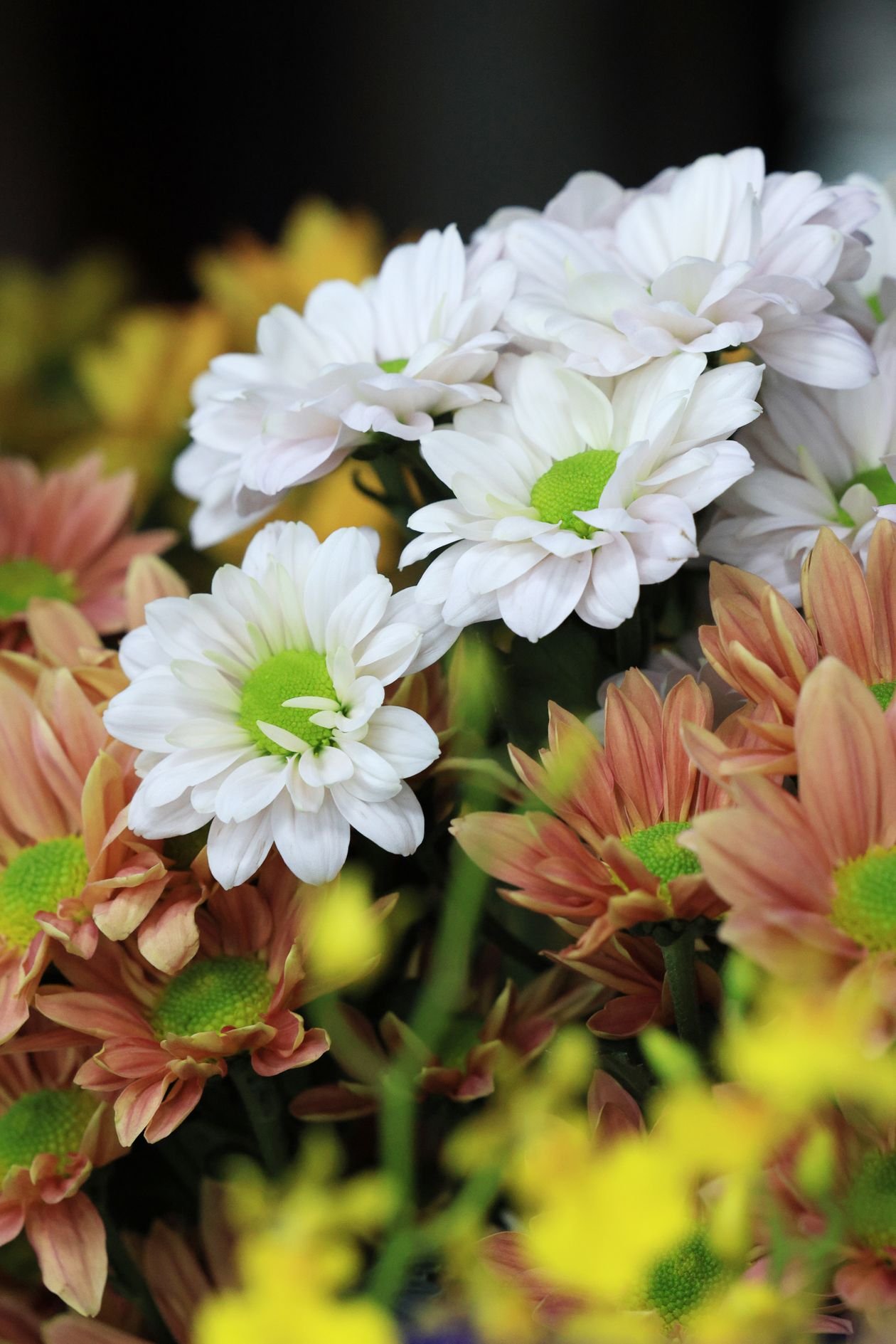
Before you buy a single plant, make three quick decisions. They take five minutes and they prevent the most common mistake in fall container gardening: coming home with a cart full of pretty things that do not go together.
First, pick a color scheme. Two or three colors is plenty. Deep burgundy with gold and cream looks rich and classic. Orange, rust, and bronze feels warm and traditional. When every plant fits the scheme, even a simple arrangement looks professional.
Second, look at where the planter will sit. Pots flanking a front door get seen up close, so detail matters. A planter by the garage gets seen from far away, so go bold with size and contrast. Mums and grasses love sun, while pansies and heuchera prefer some afternoon shade.
Third, decide your budget. A lush 14-inch fall planter can be planted for 15 to 25 dollars if you shop smart, and it will look like it cost twice that.
Choose the Right Container
The pot matters more than people think. A beautiful planting in a cracked, faded plastic pot still looks cheap, while even a modest planting looks intentional in the right container.
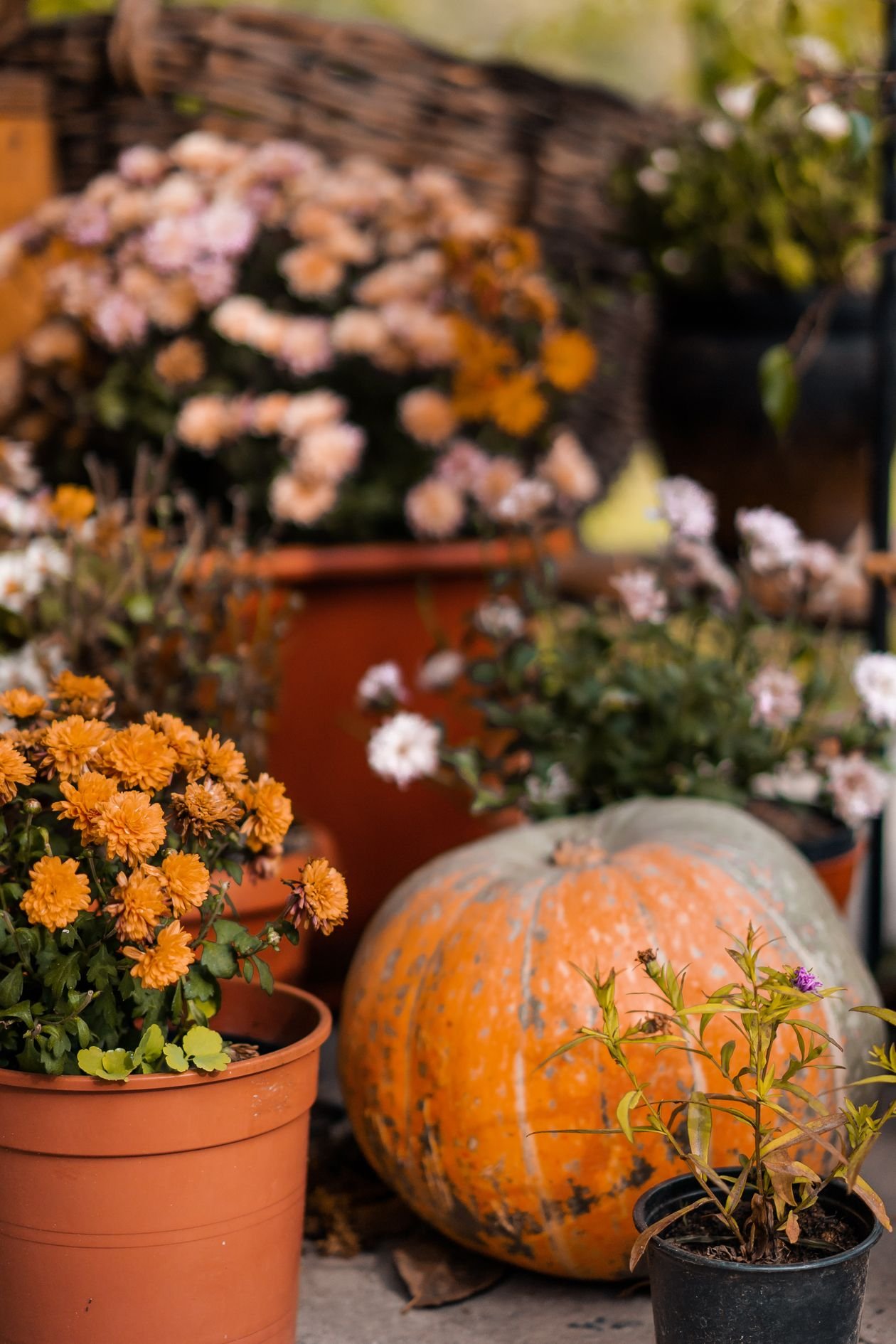
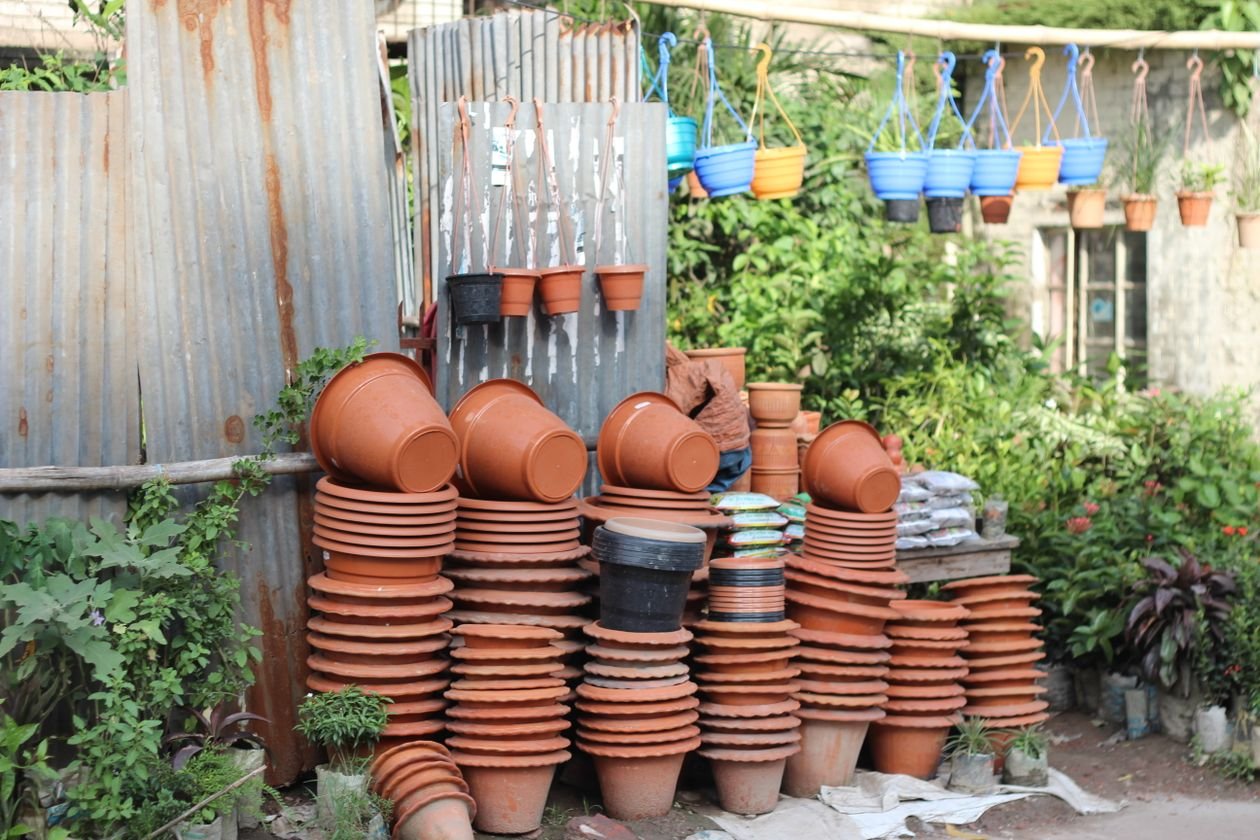
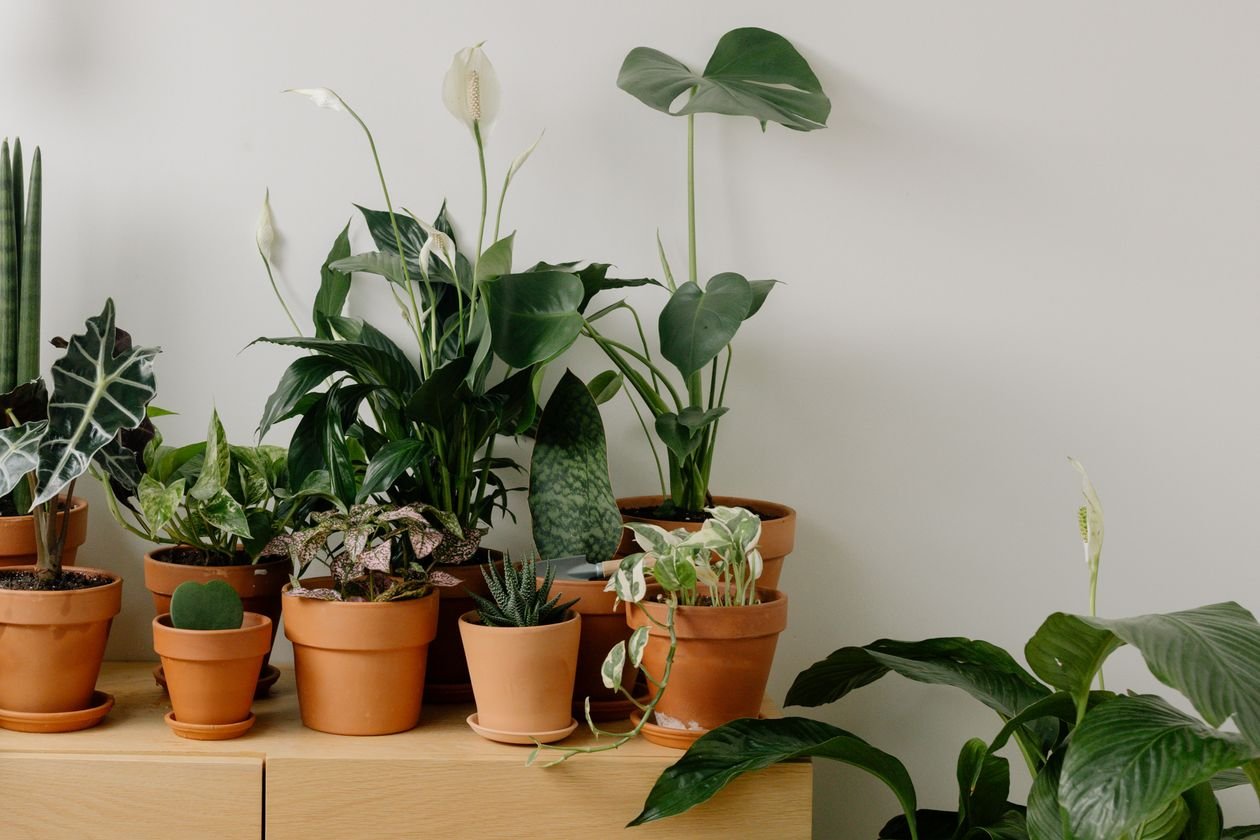
Terracotta is the classic fall choice. Its warm tone flatters autumn colors, and it breathes, which keeps roots healthy in damp fall weather. The downside: plain terracotta can crack if water freezes inside it, so in zones 6 and colder, bring terracotta pots into an unheated garage once hard freezes arrive, or use frost-proof fiberstone or glazed ceramic.
Bigger pots hold more soil, which means steadier moisture and happier roots. A 14 to 16 inch pot is the sweet spot for a front-door statement. And always check for drainage holes. Fall rain plus a pot with no drainage is a recipe for rotted roots within two weeks.
The Best Plants for Fall Planters
Combine three kinds of plants: something tall for structure, something mounding for color, and something trailing for interest. These are the most reliable choices, widely available from late September through October.
Garden Mums
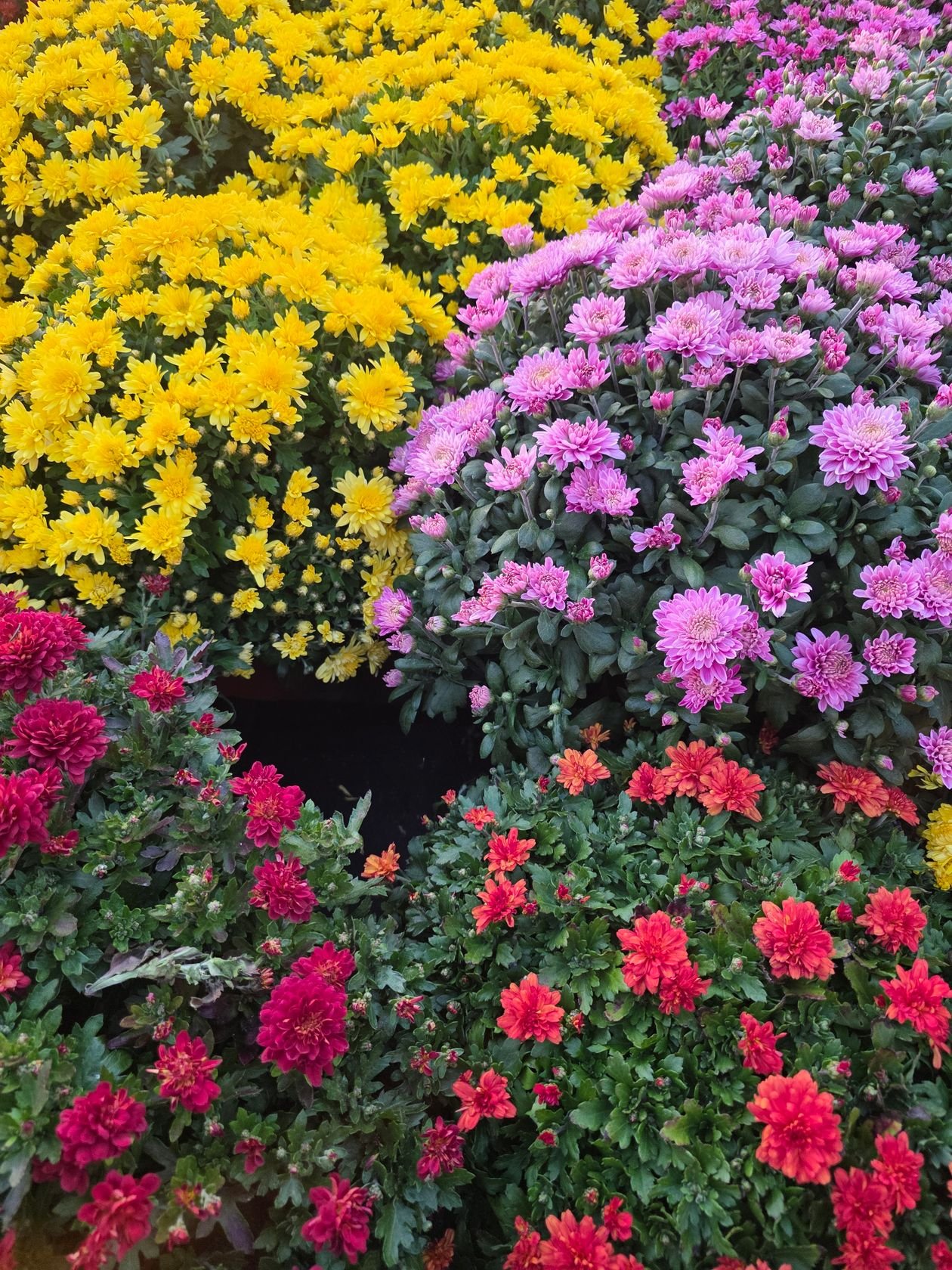
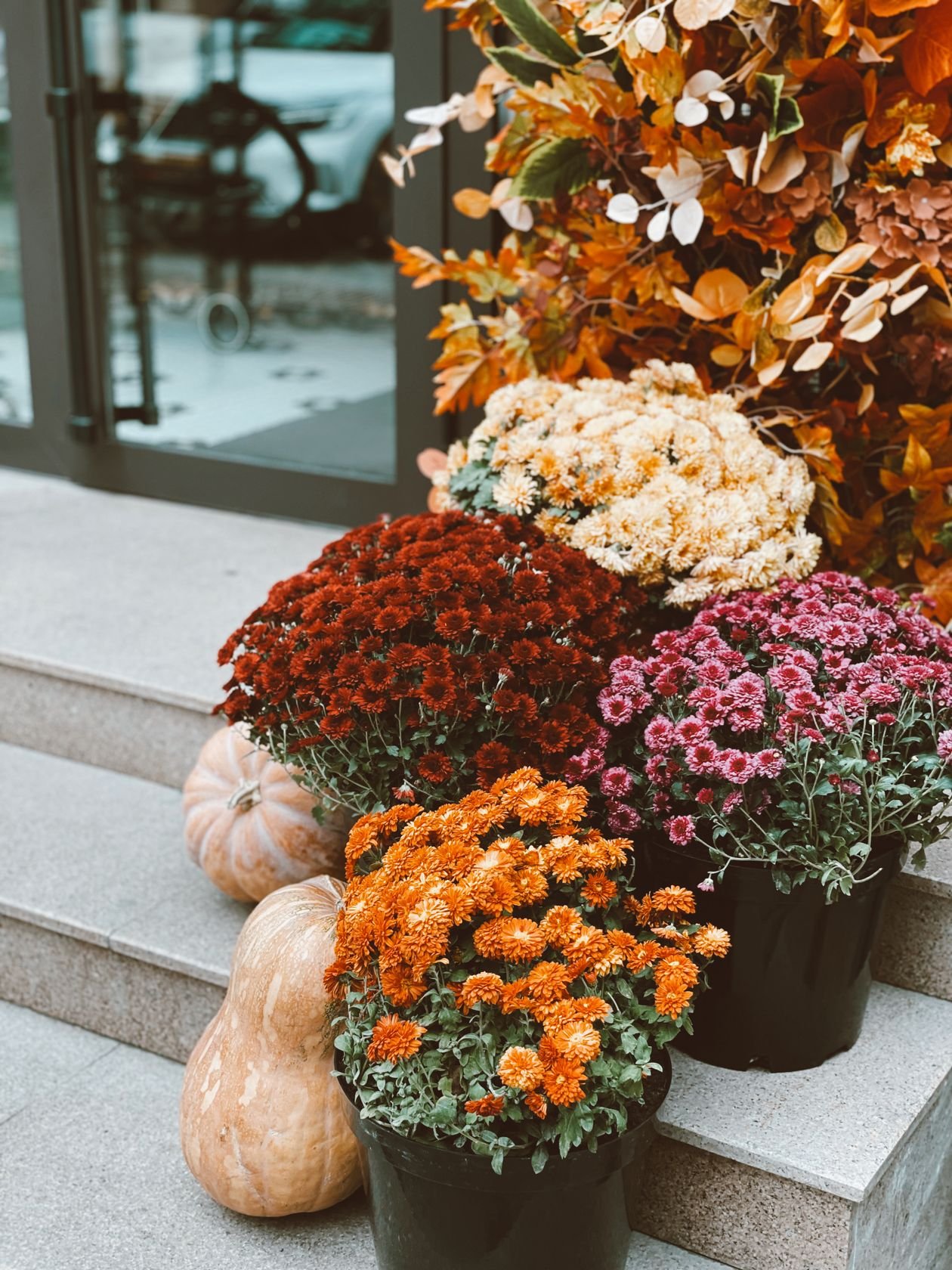
Mums are the undisputed stars of fall planters: no other plant delivers that much color that late in the year. Buy them when about one-third of the buds are open and the rest are still tight, so you get three to four weeks of bloom instead of one. Give them full sun and consistent water, and check the soil every day or two.
Ornamental Kale and Cabbage
If mums are the flowers of fall, ornamental kale and cabbage are its foliage royalty. Their ruffled leaves come in purple, pink, white, and blue-green, and their colors actually get richer after a light frost. While other plants sulk in the cold, kale and cabbage strut, lasting from October well into December. Plant one as a centerpiece and build around it.
Pansies and Violas
Pansies are the toughest little flowers in the fall garden. They bloom through light frosts and bounce back after cold nights. In zones 7 and warmer, fall-planted pansies often survive the entire winter and bloom again in spring. Their smaller cousins, violas, are even tougher and produce more flowers per plant. Tuck them around the edges of your planter for cheerful color at eye level.
Ornamental Grasses
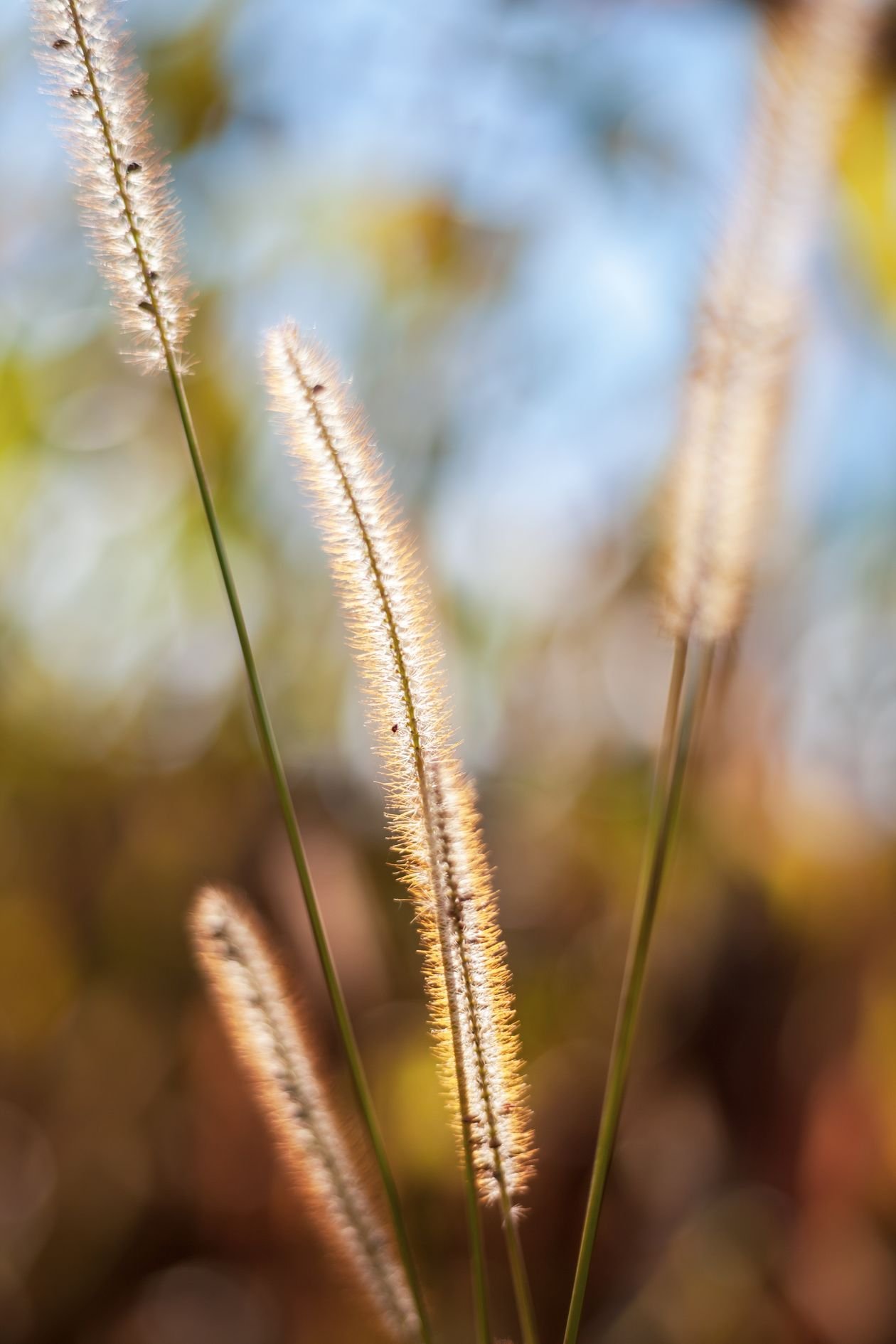
Every great fall planter needs movement, and grasses deliver it. Purple fountain grass adds burgundy plumes that sway in the breeze, while dwarf maiden grass brings wheat-colored seed heads that catch the afternoon light. Leave them standing after the flowers fade and they look sculptural dusted with frost. One grass per large pot is enough. It is the exclamation point, not the whole sentence.
Dusty Miller, Heuchera, and Other Foliage Stars
Flowers get the glory, but foliage does the heavy lifting in a long-lasting fall planter. Dusty miller's silvery leaves make every color next to it look more vivid, and it shrugs off cold down to about 20 degrees. Heuchera (coral bells) offers purple, caramel, and lime foliage that persists through winter in many zones, and you can move it to the garden in spring.
Pumpkins, Gourds, and Branches
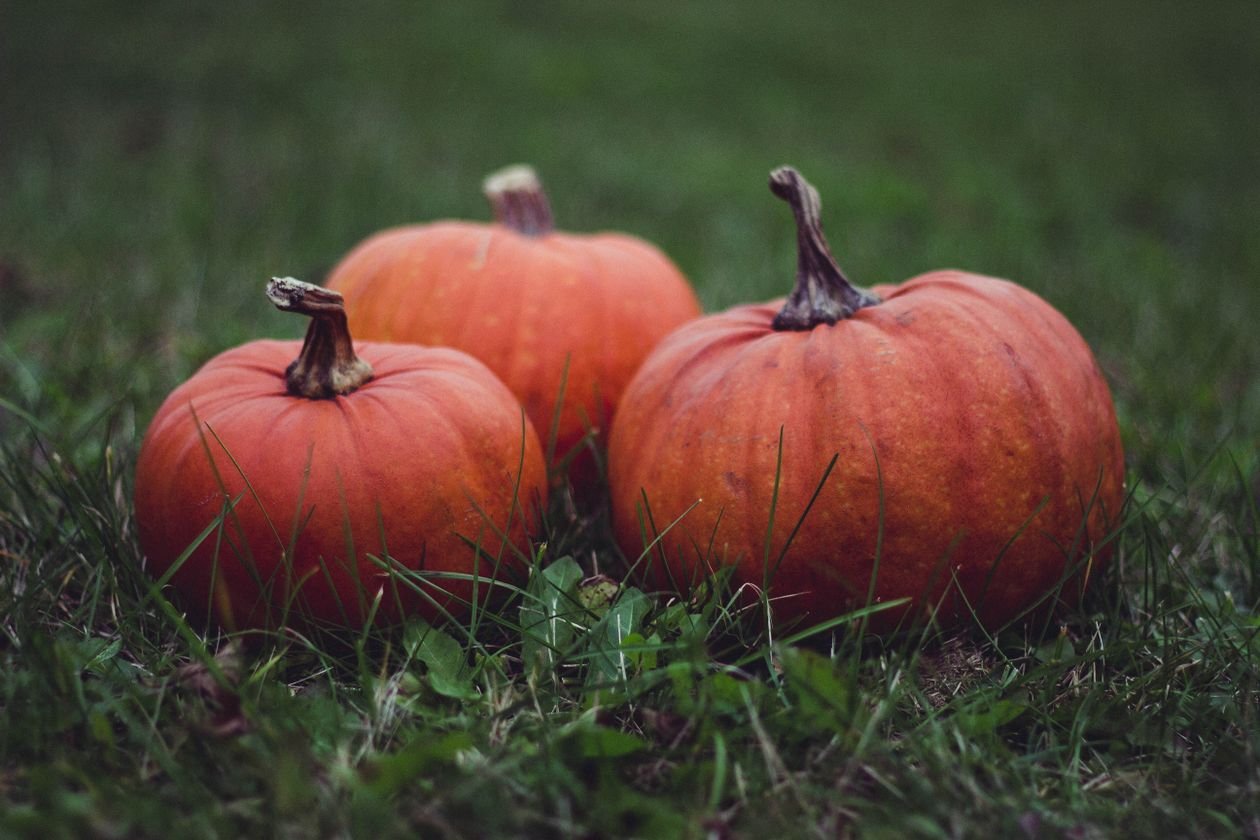
The finishing touches separate good planters from stunning ones. Nestle small pumpkins, gourds, or Indian corn around the base of your plants. Tuck in curly willow branches, red-twig dogwood stems, or dried lotus pods for height and drama. These accents cost almost nothing, need zero care, and instantly say autumn. Swap them for evergreen boughs after Thanksgiving and your planter works for winter too.
A Simple Planting Formula That Always Works
Professional designers use a formula called thriller, filler, and spiller, and it works every time. For a 14-inch fall planter, copy this recipe:
- 1 thriller (the tall centerpiece): ornamental grass, a tall mum, or ornamental kale
- 3 fillers (the mounding middle): garden mums, pansies, dusty miller, heuchera
- 2 spillers (the trailing edge): ivy, creeping jenny, or trailing pansies
- Accents: 2 to 3 mini pumpkins or gourds, plus a branch or two
That is six plants plus accents, and it fills a 14-inch pot completely. Plant them close together, much closer than you would in a garden bed. Containers are temporary homes, so crowding is fine and it gives you that lush, finished look from day one.
Step-by-Step: Planting Your Fall Container
Set aside thirty minutes and follow these steps in order.
- Clean the pot. Dump out old summer soil onto the compost or a garden bed. Scrub the pot with a stiff brush and let it dry.
- Check drainage. Make sure the drainage holes are open. Add a two-inch layer of coarse gravel or broken pot shards at the bottom.
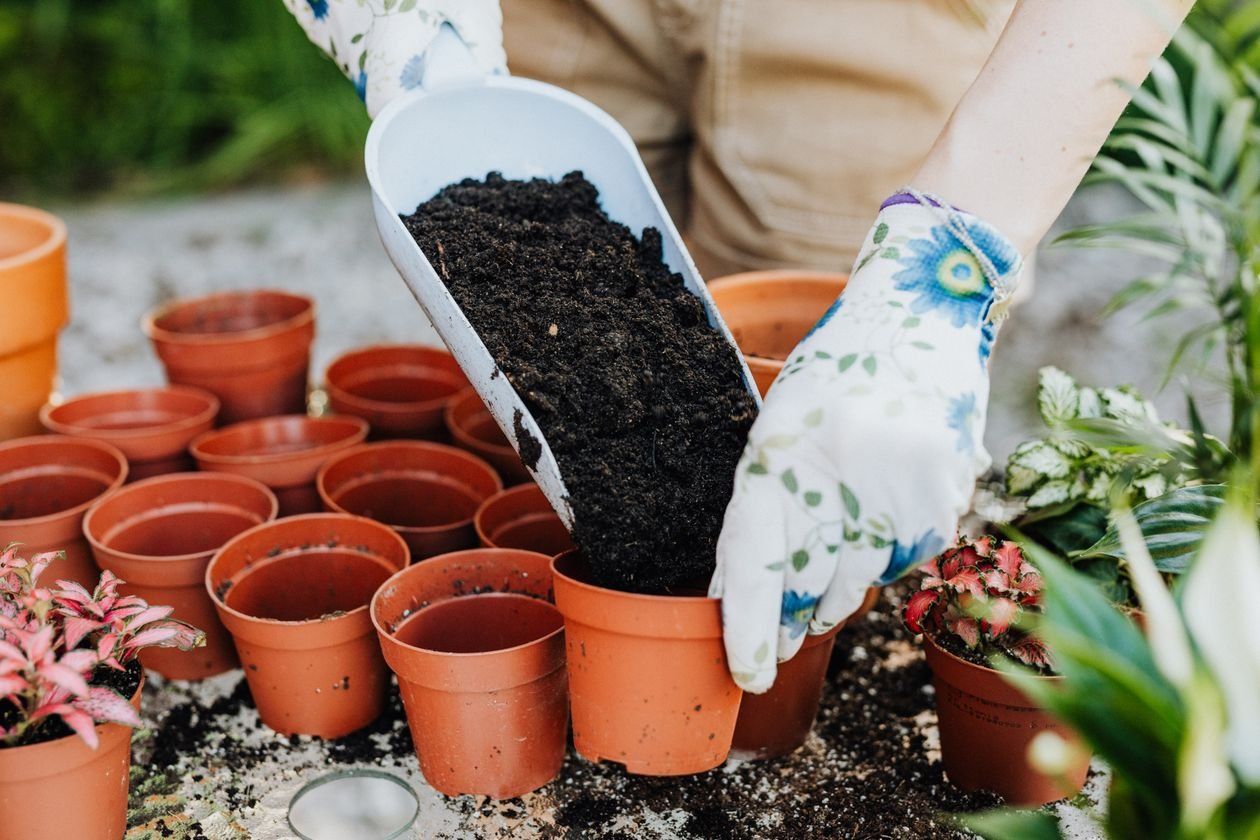
- Fill with fresh potting mix. Use quality bagged potting mix, not garden soil. Fill the pot two-thirds full and mix in a tablespoon of slow-release fertilizer per gallon of soil.
- Arrange before planting. Set the plants, still in their nursery pots, on the soil and shuffle them until the arrangement pleases you. Easier to fix now than after planting.
- Plant the thriller first. Place your centerpiece slightly off-center (dead center looks stiff) and firm the soil around it.
- Add fillers and spillers. Work outward, tilting edge plants slightly outward so they cascade over the rim.
- Water deeply until it runs from the drainage holes. The soil will settle, so top it up with more mix.
- Add accents. Nestle in pumpkins, gourds, and branches last, once you can see the final shape.
Watering and Care as Temperatures Drop
Fall watering confuses even experienced gardeners, because the rules change from summer. Plants need less water as temperatures drop and days shorten, but containers still dry out, especially on sunny, windy October days.
Check your planters twice a week. Push a finger two inches into the soil. Dry means water thoroughly until water drains from the bottom. Morning watering is best in fall because wet foliage going into a cold night invites disease.
Deadhead spent mum flowers every few days to keep new buds opening. Pull out anything that turns to mush after a hard freeze, but leave ornamental grasses and sedum seed heads standing. They look beautiful with frost on them. When a hard freeze (below 28 degrees) is forecast, move tender planters into a garage overnight or throw an old sheet over them.
Make It Budget Friendly
Gorgeous fall planters do not require a big budget. Here are the tricks thrifty gardeners use:
- Buy small, plant tight. Four-inch pots cost a third of gallon pots and catch up fast in cool fall weather.
- Reuse summer plants. Dusty miller or sweet potato vine from summer containers is still going strong. Rearrange it into the fall design.
- Divide perennials. One heuchera from the garden divides into three or four pieces, each perfect for a container.
- Shop the clearance rack. Garden centers discount fall plants heavily in late October. Tired mums perk up beautifully with water and deadheading.
- Forage accents. Pinecones, interesting branches, and dried seed heads from your own yard are free and look better than store-bought decorations.
- Try the pot-in-pot trick. Keep new plants in their nursery pots and sink them into a larger decorative container filled with mulch. When one plant fades, swap it out in seconds.
Fall Planter Questions, Answered
When is the best time to plant fall containers?
Late September through mid-October is ideal in most of the US. Plant while garden centers still have good stock and daytime temperatures are reliably below 75 degrees, which helps transplants settle without heat stress. Planted in early October, a fall container typically looks its best for six to eight weeks.
How long will my fall planters last?
It depends on your plant choices. Mums give you three to four weeks of peak bloom. Pansies, ornamental kale, dusty miller, and grasses keep going for two to three months, often until December. The longest-lasting planters lean on foliage rather than flowers.
Can I plant fall containers in the same pots as my summer flowers?
Yes, and you should. Pull out the tired summer annuals, replace the top few inches of soil with fresh potting mix, and plant your fall arrangement right in the same container. Just make sure the drainage holes are clear.
Do I need to fertilize fall planters?
One application of slow-release fertilizer at planting time is enough for the season. Fall plants are winding down, not pushing new growth, so they need far less feeding than summer containers.
Your Turn to Plant
Creating stunning fall planters is one of the most rewarding small projects in gardening. In a single afternoon you can transform a tired entryway into something that makes you smile every time you come home.
Start with one pot and the simple formula above: a thriller, three fillers, two spillers, and a few autumn accents. And if you catch the container gardening bug, browse our container gardening ideas and front yard inspiration for your next project.
1 thought on “How to Create Stunning Fall Planters”