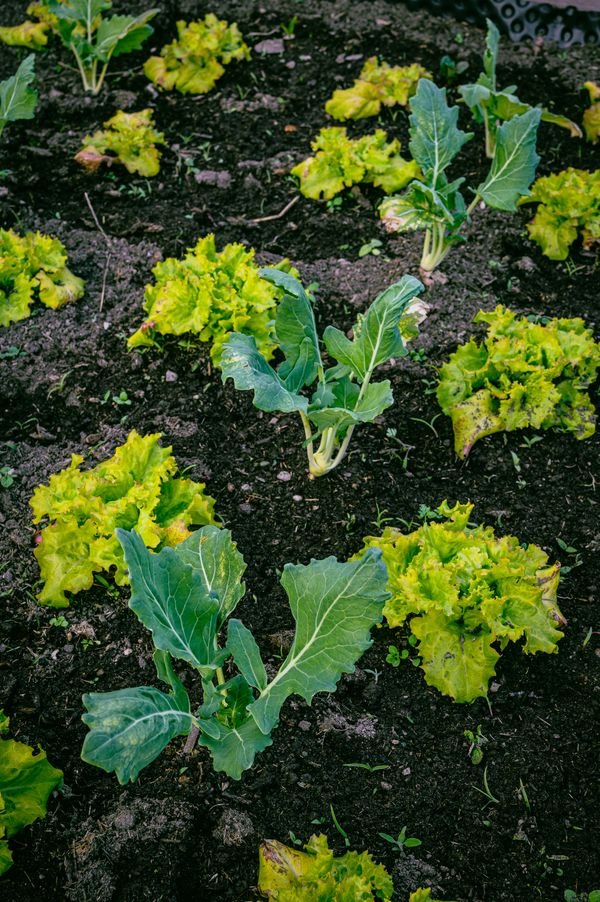
Not every garden gets full sun. Maybe a tall fence, a neighboring building, or a big tree keeps your plot in shade for most of the day. The good news is that you do not need eight hours of blazing sun to grow your own food. Plenty of vegetables actually prefer a break from harsh light. Here is how to make a low-light garden thrive.
How Much Light Do Vegetables Really Need
Gardeners talk about three light levels. Full sun means six or more hours of direct sunlight a day. Partial shade means three to six hours. Full shade means less than three hours. Most fruiting vegetables like tomatoes and peppers demand full sun, but leafy and root vegetables are far more flexible. Your first job is to watch your space for a day and honestly count the hours of direct sun.
Best Vegetables for Low Light Areas
Start with crops that evolved to grow in dappled light:
Leafy greens are your best friends. Lettuce, spinach, arugula, kale, and Swiss chard all grow well with three to four hours of sun. In fact, shade keeps them from bolting in summer heat.
Herbs do well too. Mint, parsley, cilantro, and chives tolerate partial shade happily. Keep mint in its own pot since it spreads aggressively.
Root vegetables are surprisingly shade-tolerant. Radishes, beets, carrots, and turnips grow fine with four to five hours of light. They may mature a little slower, but the flavor is just as good.
Peas and beans can work in partial shade as well, especially bush varieties. They will produce a smaller harvest than in full sun, but still a worthwhile one.
Tips for Low-Light Vegetable Growing
Choose the right spot first. Morning sun is gentler and more valuable than harsh afternoon sun, so pick the area that gets early light. Paint nearby fences or walls white to bounce extra light onto your plants.
Use containers. Pots and raised beds let you move plants to chase the sun through the season. Light-colored containers also reflect light back up to the leaves.
Water less, not more. Shaded soil stays moist longer, and soggy roots cause more failures in low-light gardens than the shade itself. Check the top inch of soil before watering.
Feed lightly. Plants in low light grow slower and need less fertilizer. Half-strength feeding every few weeks is plenty.
Consider a grow light. One affordable LED panel over a small bed can turn a shady corner into a productive spot for salads and herbs.
What to Avoid in Shady Gardens
Skip heat-lovers like tomatoes, peppers, eggplant, corn, and squash unless you have at least six hours of sun. They will grow leggy, flower poorly, and disappoint you. Also avoid overcrowding. Plants in low light need extra air circulation to prevent fungal problems, so give them a bit more space than the seed packet says.
The Bottom Line
A low-light garden is not a failed garden. It is just a different kind of garden, one built around greens, herbs, and roots instead of sun-hungry fruiting crops. Match the plant to the light you actually have, keep the soil from staying soggy, and you will be harvesting fresh food from a spot you once thought was useless.